Understanding the Essence of Dental Crown Longevity
Purpose and Function of Dental Crowns
Dental crowns are protective caps placed over damaged or weakened teeth to restore their size, shape, strength, and appearance. They help protect fractured or decayed teeth, support dental bridges, and cover root canal-treated teeth, enhancing both function and aesthetics.
Importance of Crown Longevity
Maintaining the durability of dental crowns is vital to ensure dental health and avoid frequent replacements. Longevity of crowns reduces the risk of complications such as decay beneath the crown, gum disease, and discomfort, contributing to sustained oral health and patient confidence.
Materials and Maintenance Overview
Crowns are commonly made from porcelain, ceramic, zirconia, metal alloys, or porcelain fused to metal. Each material varies in durability and appearance, with metal and zirconia crowns tending to last longer. Proper maintenance through regular brushing, flossing, avoiding hard foods, and routine dental check-ups greatly extends crown lifespan, typically ranging from 10 to 15 years or more.
Dental Crown Materials and Care Key Facts
- Metal crowns are the most durable, lasting 10 to 30+ years, especially in molars.
- Zirconia crowns offer a balance of strength and aesthetics, suitable for both front and back teeth, lasting over 15 years.
- Proper dentist craftsmanship affects crown fit, longevity, and functionality, with precise placement preventing decay and damage.
- Consistent oral hygiene, including brushing, flossing, and regular dental visits, is essential for maximizing crown lifespan.
- Avoiding hard, sticky, or sugary foods and destructive habits like nail-biting protects crowns from damage.
- Night guards and mouthguards shield crowns from bruxism and sports trauma, significantly extending durability.
- Regular professional dental checkups enable early detection and repair of crown issues, extending their service life.
- High-quality crown materials and accurate lab fabrication improve fit, durability, and appearance, crucial for long-term success.
- Recognizing signs of repair needs, such as cracks, chips, or discomfort, ensures timely intervention and prolongs crown lifespan.
- Choosing skilled dental professionals and reliable labs guarantees precise placement and long-lasting restorations.
1. Selecting the Right Crown Material for Maximum Durability

What are the different types of dental crown materials?
Dental crowns come in several material types including metal (gold, palladium), porcelain-fused-to-metal (PFM), all-ceramic or all-porcelain, zirconia, stainless steel, and composite resin. Learn more about Types of dental crowns.
How do the materials differ in durability?
Metal crowns, particularly gold and high-grade metals, are the most durable. They can last 10 to 30 years or more with proper maintenance. Zirconia crowns also offer excellent strength and resilience, making them a strong choice for both front and back teeth. Porcelain-fused-to-metal crowns provide a balance between durability and aesthetics but may chip more easily than all-metal crowns. For additional details on Metal Crowns Durability and Porcelain-Fused-to-Metal Crowns Longevity, see related resources.
How does tooth location influence material choice?
Metal crowns are preferred for molars due to their strength and resistance to chewing forces, while ceramic and porcelain crowns are favored for front teeth because they replicate the natural appearance closely. Zirconia crowns are versatile, suitable for both anterior and posterior teeth due to their combination of toughness and aesthetics.
Explore Dental crowns appearance and Crown customization for front teeth for further information.
| Crown Material | Durability Range | Ideal Use Location |
|---|---|---|
| Metal (Gold, Palladium) | 10-30+ years | Molars (back teeth) |
| Zirconia | 15-20+ years | Front and back teeth |
| Porcelain-fused-to-metal | 10-15 years | Front and back teeth |
| All-Ceramic/Porcelain | 10-15 years | Front teeth |
Choosing the right crown material depends on balancing durability needs with appearance and location in the mouth. Consulting a dentist is essential to select the material that will best fit the patient’s functional demands and aesthetic preferences. More guidance on Choosing dental crown materials and Dental crown types is recommended.
2. Expert Craftsmanship: The Dentist’s Role in Crown Longevity
How does a dentist's skill impact the fit and placement of a dental crown?
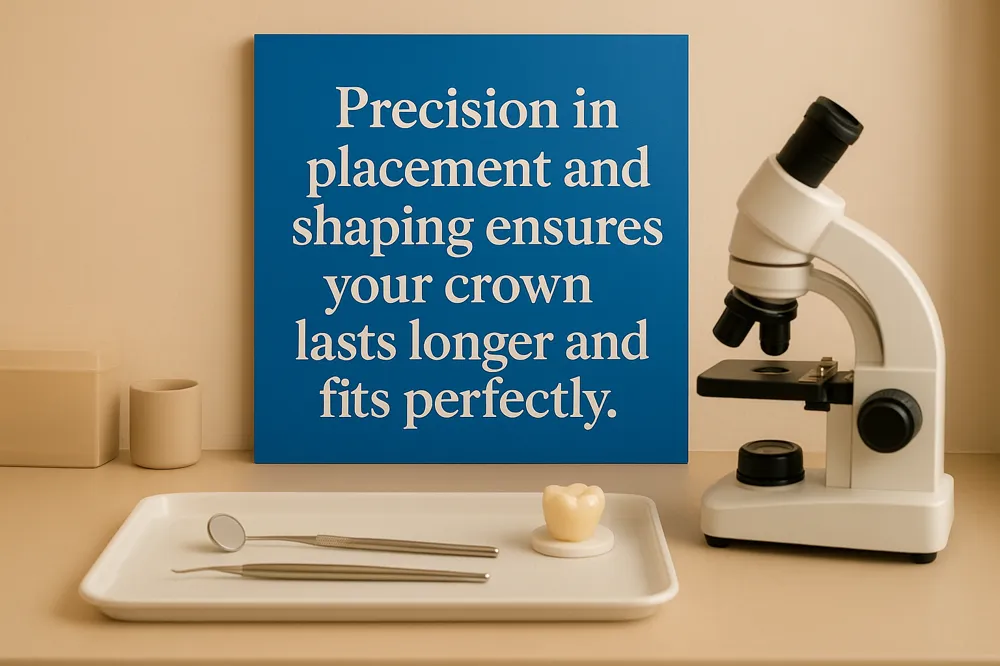
A dentist’s skill directly influences the precision of tooth preparation and the accuracy of impressions taken. Expertly preparing the tooth ensures that the crown fits snugly, preventing gaps where bacteria could cause decay. Accurate impressions allow for crowns that match the tooth's natural contours and bite, optimizing both comfort and function. For more information, see Dental crown procedure.
Why is precise tooth preparation and impression-taking so important?
Tooth preparation involves shaping the damaged tooth to provide a stable base for the crown. The dentist must remove enough tooth structure without compromising strength. Precise impression-taking captures every detail of the prepared tooth and surrounding tissues, which is essential for crafting a crown that fits perfectly. Learn more about Dental crowns overview.
How do these factors affect the crown’s lifespan and functionality?
A well-fitted crown minimizes the risk of loosening, chipping, or decay beneath the restoration. Proper placement ensures even distribution of chewing forces, reducing wear and preventing damage. Consequently, expert craftsmanship by the dentist enhances the durability and effectiveness of the crown, extending its lifespan significantly. For tips on Dental Crown Longevity and Maintaining crown integrity.
Maintaining this high level of dental skill, combined with proper patient care, supports crowns lasting 10 to 15 years or more, contributing to lasting oral health and patient satisfaction. Discover more about Dental crowns lifespan and Caring for dental crowns.
3. Meticulous Oral Hygiene: Foundation for Lasting Crowns
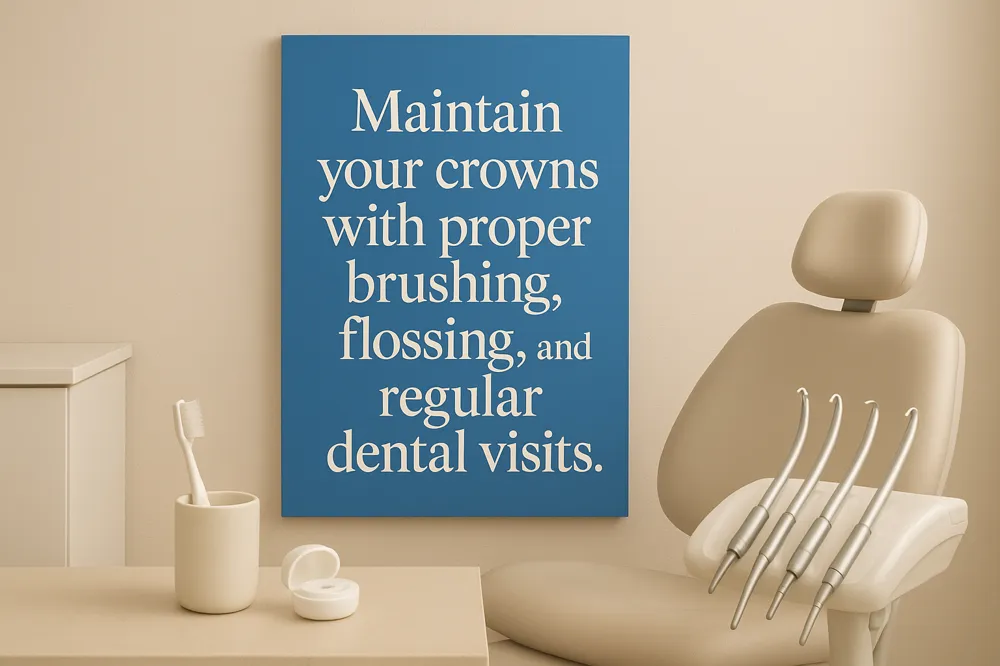
Regular brushing with fluoride toothpaste
Maintaining dental crowns starts with brushing twice daily using a soft-bristled toothbrush and fluoride toothpaste. Gentle brushing helps remove plaque without damaging the crown surface or irritating gums. Fluoride strengthens the enamel of the supporting tooth beneath the crown, reducing the risk of decay around the crown margins. (Dental crowns maintenance tips)
Daily flossing techniques for crowns
Flossing daily is crucial to remove food debris and plaque between teeth and along the gumline surrounding crowns. Special care should be taken to floss gently around the crown to avoid loosening it. Using floss threaders or interdental brushes can help clean difficult areas effectively, preventing buildup that could cause gum disease or decay. (Proper brushing and flossing for dental crowns)
Role of antibacterial mouthwash
Incorporating an antibacterial mouthwash into the oral hygiene routine can help reduce harmful bacteria that may cause infections or gum inflammation around crowns. Using mouthwash after brushing and flossing further supports crown health and overall oral condition. (How to care for dental crowns)
Preventing decay and gum disease around crowns
Crowns can fail prematurely if decay or gum disease affects the tooth underneath or surrounding tissues. Good oral hygiene, avoiding sticky and hard foods, and regular dental check-ups every six months are essential for early detection and prevention of problems. A well-maintained crown can last between 5 to 15 years or longer. (Secrets to Keep Your Crown Flawless)
Do dental crowns require maintenance?
Yes, dental crowns require consistent maintenance. This includes proper brushing and flossing, avoiding damaging habits, and keeping regular professional dental visits. These steps ensure the crown’s longevity and protect oral health by preventing complications such as cracks, debris buildup, decay, or loosening of the crown. (Caring for Your Dental Crown)
4. Avoiding Harmful Habits That Undermine Crown Integrity
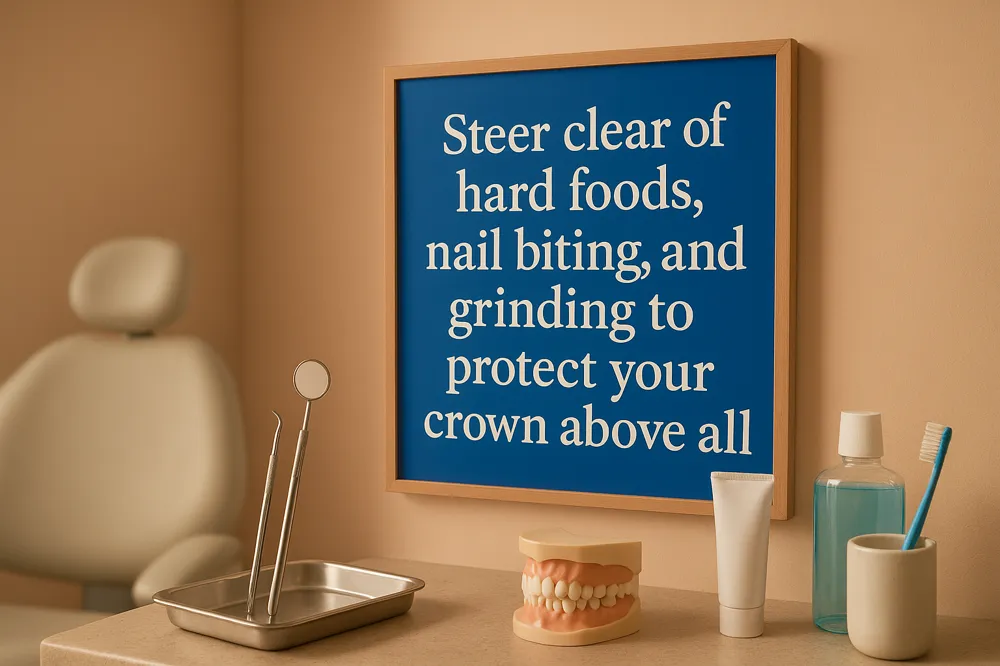
What should I avoid after getting a dental crown?
After receiving a dental crown, several habits should be avoided to protect the crown and ensure its longevity. Hard foods and chewing ice can cause cracks or chips in the crown, risking damage or dislodgement. Using teeth as tools—for example, to open packages or chew pens—puts undue stress on crowns and can lead to fractures or loosening. For detailed guidance on Dental crowns maintenance tips, Oral hygiene for dental crowns, Avoiding damaging foods for crowns, Protecting crowns from damage, Mouthguard for teeth grinding, Preventing crown discoloration, Regular dental checkups, Monitoring dental crowns, Caring for dental crowns, Tips for lasting dental crowns, please refer to this resource.
Nail biting and pen chewing are harmful repetitive habits that equally threaten crown integrity by applying consistent pressure and abrasion. Another significant risk factor is bruxism effects on dental crowns, or teeth grinding and clenching, which applies excessive force to crowns. Wearing a custom night guard during sleep can protect crowns by absorbing grinding forces and preventing premature wear or fractures. More on Proper brushing and flossing for dental crowns, Avoiding sticky and hard foods to protect crowns, Preventing damage from bad habits, Using night guards to protect dental crowns, Importance of regular dental checkups for crowns, Tips for dental crown longevity, Maintaining oral health with dental crowns is available here.
To maximize crown lifespan and maintain oral health, patients should also avoid sticky or chewy foods that can loosen the crown and refrain from smoking or consuming staining drinks, particularly during the critical healing phase after crown placement. Gentle flossing and proper oral hygiene complement these precautions for effective crown care. For comprehensive advice on How to care for dental crowns, Longevity of dental crowns, Proper dental crown maintenance, Brushing techniques for crowns, Flossing tips for dental crowns, Foods to avoid with dental crowns, Protecting crowns from teeth grinding, Signs of dental crown issues, Importance of dental checkups for crowns, Using fluoride mouthwash for crowns, Diet for healthy teeth and crowns, Consequences of neglecting dental crown care visit this helpful guide.
5. The Crucial Role of Regular Dental Checkups and Professional Care
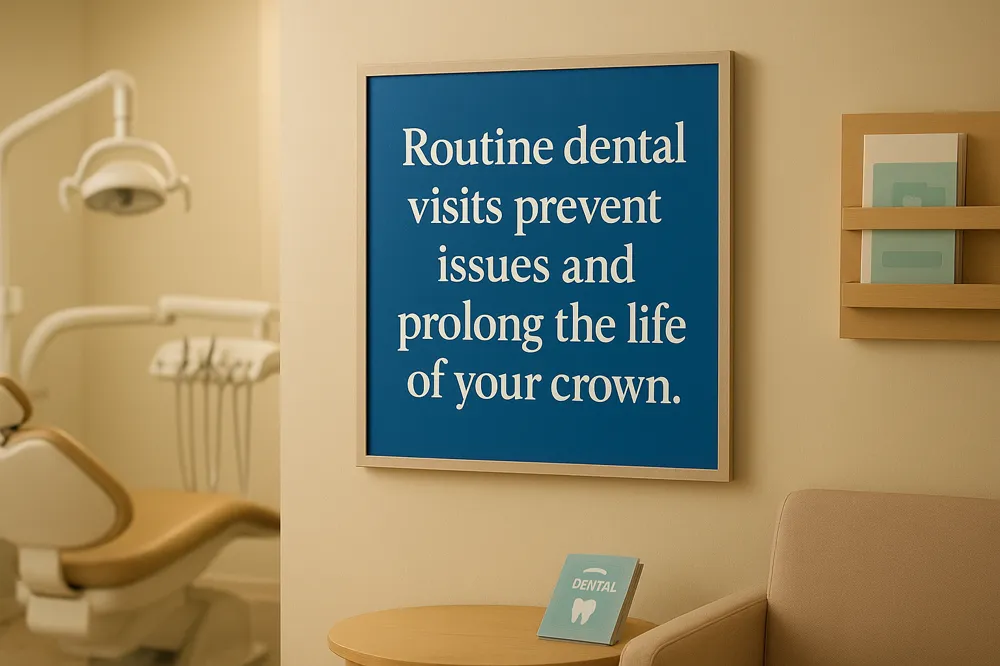
Why Do Dental Crowns Require Maintenance?
Yes, dental crowns require ongoing maintenance to ensure they last and function well. Daily care like brushing and flossing helps prevent decay around the crown and keep the gums healthy.
How Do Regular Dental Visits Help?
Visiting your dentist every six months is vital. During these visits, the dentist will inspect the crown for early signs of wear, damage, or gum problems that could affect crown stability.
What Happens During Professional Cleaning?
Professional cleanings remove plaque and tartar buildup that brushing alone might miss. This protects both the crown and surrounding teeth from decay and gum disease, supporting maintaining dental crowns with regular cleanings.
Can Dental Crowns Be Adjusted or Repaired?
Yes, early detection of issues allows for timely adjustments or minor repairs, greatly extending the lifespan of a crown and preventing costly treatments.
Maintaining dental crowns with regular professional care is essential for a healthy, long-lasting smile.
6. Protective Appliances: Night Guards and Mouthguards for Crown Preservation
How do night guards protect dental crowns from bruxism?
Night guards are essential for individuals who grind or clench their teeth, a condition known as bruxism effects on dental crowns. They act as protective barriers that absorb and distribute the excessive pressure placed on dental crowns during sleep. This reduces the risk of premature wear, cracks, or fractures, thereby extending the lifespan of crowns. Wearing a custom-fit night guard is strongly recommended to ensure maximum comfort and effectiveness. For more details on using night guards to protect dental crowns and night guard for bruxism and crowns, you can refer to specialized resources.
What role do mouthguards play in protecting crowns during sports?
Mouthguards shield dental crowns and natural teeth from trauma and impact during contact sports or outdoor activities. Custom-fit mouthguards provide superior protection by conforming closely to the individual's dental anatomy, preventing dislodgment, chipping, or cracking of crowns. Using mouthguards during sports reduces the likelihood of costly dental injuries and helps maintain the integrity of dental restorations. Learn more about using mouthguards in sports and dental crown protection.
What are the benefits of using these protective appliances?
- Prevents fractures and chipping by cushioning force
- Reduces wear caused by grinding or clenching
- Protects surrounding gums and natural teeth
- Enhances comfort by minimizing dental sensitivity
- Preserves crown longevity, potentially exceeding 15 years with proper care as explained in guides on dental crown longevity tips and extending dental crown lifespan
Why are custom-fit devices recommended?
Custom-fit night guards and mouthguards are crafted based on precise dental impressions. This personalized fit ensures the appliance stays securely in place, offers optimal protection without discomfort, and avoids irritation to gums or soft tissues. Over-the-counter options may lack this fit, which can lead to less effective protection and reduced compliance. Insights on custom mouthguards for dental crowns and crown customization for front teeth offer additional context.
Is the Waterpik water flosser good for cleaning dental crowns?
Yes, the Waterpik water flosser is highly effective for cleaning dental crowns by removing up to 99.9% of plaque bacteria. It complements daily brushing and flossing, especially around challenging areas like crowns, bridges, and implants. Using a water flosser helps prevent plaque buildup, gingivitis, decay beneath crowns, and gum disease, supporting long-term crown health and preservation. Refer to resources on proper oral hygiene for dental crowns, brushing and flossing for crown care, and daily care of dental crowns for comprehensive care tips.
7. Mindful Dietary Choices to Extend Crown Lifespan
Avoiding hard, sticky, and sugary foods
To protect your dental crown from damage, avoid chewing hard foods such as ice, nuts, and hard candies. Sticky foods like caramel and chewing gum can loosen the crown or damage the adhesive bond in dental crowns. Excessive sugary foods increase the risk of decay around the crown's edges, compromising the underlying tooth.
Limiting stain-causing beverages
Beverages like coffee, tea, red wine, and dark sauces can stain porcelain crowns over time. To minimize discoloration, try drinking these beverages through a straw or rinsing your mouth afterward.
Eating calcium and vitamin-rich foods
A balanced diet rich in calcium, phosphorus, and vitamins—especially vitamin C—supports overall oral health. These nutrients strengthen teeth and gums, providing essential support to crowns and helping maintain their longevity.
Supporting healthy gums and underlying tooth structure
Healthy gums are crucial for crown stability. Avoid foods that aggravate gum inflammation and maintain good oral hygiene to prevent gum disease. A nutritious diet combined with proper dental care helps ensure the foundation for your crown remains strong and healthy.
8. Recognizing Warning Signs: When Your Crown Needs Attention
What are signs a dental crown needs replacement?
Recognizing early signs that a dental crowns lifespan is crucial for maintaining oral health. Persistent pain, sensitivity, or discomfort around the crown often signal underlying issues needing prompt care. Visible damage such as cracks, chips, or a loose crown also indicates that the restoration is compromised.
How can gum health affect your crown?
Gum inflammation or recession near the crown can expose its edges, increasing the risk of decay or crown instability. Healthy gums provide essential support and protection for the crown and underlying tooth. Learn more about the gum recession effects on crowns.
Why is timely dental consultation important?
Regular dental check-ups are vital for early detection of issues with crowns. Timely consultation enables dentists to address problems before they worsen, preventing more extensive and costly procedures while prolonging the crown's lifespan. Understand the importance of dental check-ups for crowns.
Monitoring discomfort, visual changes, or gum problems ensures that your dental crowns maintenance tips continues to function effectively and maintain your oral health.
9. Customized Fit and Placement: The Foundation of a Long-Lasting Crown
Why is accurate tooth preparation and impressions important?
Accurate tooth preparation and precise impressions are crucial to creating a dental crowns overview that fits perfectly over the natural tooth. Proper tooth shaping ensures enough space for the crown while preserving tooth integrity. Precise impressions capture the exact dimensions and contours of the prepared tooth, allowing dental labs to fabricate a crown that aligns seamlessly with your bite and adjacent teeth.
How does a snug fit prevent decay and crown dislodgement?
A well-fitting crown has no gaps between it and the tooth, minimizing areas where bacteria can accumulate. This reduces the risk of decay forming beneath the crown. Additionally, a tight fit securely anchors the crown, preventing it from loosening or falling off during normal chewing or accidental pressure.
What is the role of fit in maintaining bite and comfort?
Crowns that fit correctly maintain the natural alignment of teeth and your normal bite pattern. This ensures chewing efficiency and prevents stress on surrounding teeth and jaw joints, which can cause discomfort, pain, or further dental issues. Proper placement also avoids sensitivity or irritation to gums around the crowned tooth.
Achieving a customized fit and placement is foundational to the longevity, functionality, and comfort of Dental crowns appearance. It directly impacts oral health by preventing decay, enhancing stability, and preserving natural bite mechanics.
10. Selecting Quality Materials and Professional Lab Work for Longevity
Impact of High-Quality Crown Materials on Lifespan
Choosing durable and high-quality materials for dental crowns significantly extends their lifespan. Metal crowns durability, such as gold and zirconia, often last over 20 to 30 years, while porcelain-fused-to-metal (PFM) crowns durability typically last around 10 to 15 years. Materials like zirconia provide excellent strength and are praised for their durability and natural appearance.
Professional Lab Fabrication Accuracy
The precision of lab fabrication plays a crucial role in how well a crown fits. Accurate impressions and skilled lab work ensure that the crown fits snugly over the tooth, reducing the risk of gaps where bacteria can enter. This precision prevents issues such as decay under the crown and improves patient comfort.
Correlation Between Material, Fit, and Durability
A high-quality material alone is not sufficient; a perfect fit achieved through expert dental preparation and professional lab work complements material strength. Poor fit can lead to premature failure, even with durable materials. Thus, both material selection and fabrication accuracy work hand in hand to determine a crown’s longevity. Learn more about the importance of choosing quality crown materials and proper dental crown care.
Working with Experienced Dental Teams
Dentists with expertise and access to reputable dental labs provide better outcomes. Skilled clinicians can select appropriate materials considering the crown's location and the patient’s bite forces. Collaboration with expert technicians using advanced fabrication technologies ensures crowns are both durable and aesthetically pleasing. Understanding the role of a skilled dentist for crown application and dental crown procedure improves patient results.
Selecting premium materials, combined with meticulous lab fabrication and an experienced dental team, significantly enhances the durability and lifespan of dental crowns, offering patients long-lasting, natural-looking restorations. For more information on the Natural look of dental crowns and extending dental crown lifespan, consult these resources.
Understanding Dental Implants: Healing and Benefits
How do dental implants work?
Dental implants are titanium posts surgically inserted into the jawbone. This material bonds securely with the bone through a process called osseointegration, establishing a stable base for replacement teeth. After the implant fuses with the bone, an abutment is attached, supporting a custom crown, bridge, or denture that looks and functions like natural teeth. This method prevents common issues seen with dentures and ensures the restoration is both durable and natural in appearance. For more details, see Dental crowns overview.
How long does it take for dental implants to heal?
The healing process for dental implants typically ranges from three to six months. This time frame allows the implant to properly fuse with the jawbone, creating a strong, lasting foundation. Initial recovery can involve mild discomfort, swelling, and some bleeding lasting a week or two. Patients are advised to follow careful oral hygiene practices and avoid smoking, as these steps improve healing success. Once healing is complete, the final crown is attached, delivering a secure and natural-looking restoration. Learn more about Proper oral hygiene for crowns.
What are the benefits of dental implants?
Dental implants offer several advantages over other tooth replacement options. They provide durable and long-lasting restorations that closely mimic the look and function of natural teeth. Implants help preserve jawbone health by stimulating the bone through osseointegration, preventing bone loss that is common with missing teeth. Additionally, implants improve chewing efficiency and speech, and unlike bridges or dentures, they are more stable and often last a lifetime with proper maintenance. For insights on Choosing dental crown materials and maintenance, check Dental crown maintenance tips.
Commitment to Care: The Key to Enjoying Long-Lasting Dental Crowns
Essential Care Tips for Dental Crowns
Maintaining dental crowns requires gentle brushing twice daily with a soft-bristled toothbrush and fluoride toothpaste to prevent plaque buildup. Daily flossing around the crown and gumline is crucial to remove trapped food particles and avoid decay. Avoid hard foods like ice and sticky candies to protect crowns from cracking or dislodging. Wearing a night guard can shield crowns from damage caused by teeth grinding.
Importance of Professional Dental Support
Regular dental checkups every six months allow dentists to monitor crown condition, identify early signs of wear or complications, and perform professional cleanings. Promptly addressing discomfort, sensitivity, or looseness helps prevent more extensive issues and extends crown longevity.
Adopting Healthy Habits for Lasting Results
Avoid using teeth as tools and limit consumption of staining foods to preserve crown aesthetics. Supporting overall oral health with balanced nutrition and avoiding tobacco promotes healthy gums that preserve crown stability. Embracing these healthy habits ensures your crowns remain strong and natural-looking for many years.