Discover the Unexpected Side of Dentures
Overview of Full and Partial Dentures
Dentures are removable dental appliances designed to replace missing teeth and restore both function and appearance. Full dentures replace all teeth in an upper or lower arch and rest directly on the gums. Partial dentures fill in gaps where some natural teeth remain, attaching to surrounding teeth with clasps or precision attachments for support. Both types are custom-made based on detailed impressions and tailored to fit each patient's unique mouth structure.
Common Misconceptions About Dentures
Many believe dentures are only for the elderly, yet people of all ages may need them due to accidents, gum disease, or decay. Some think dentures are uncomfortable or unnatural; however, modern dentures, made from advanced materials like acrylic and porcelain, closely mimic natural teeth in appearance and feel. Though an adjustment period involving mild discomfort or speech changes is common, most patients adapt with time and practice. Additionally, unlike natural teeth, dentures lack sensation, so users must cautiously handle hot foods and drinks.
Proper care, including daily cleaning with soft brushes, soaking overnight in cleansing solutions, and regular dental check-ups, helps maintain comfort, hygiene, and denture longevity.
Key Facts on Dentures and Modern Dental Technology
- Dentures support facial muscles and tissues, preventing sagging and maintaining natural facial contours.
- Proper denture support enhances appearance, self-esteem, and confidence, leading to improved quality of life.
- Full dentures provide comprehensive facial support, while partial dentures maintain remaining teeth and facial integrity.
- Dentures are made from acrylic, porcelain, and metal; material choice affects durability, appearance, and comfort.
- Dentures cannot detect temperature due to lack of nerves, requiring caution when consuming hot or cold foods and drinks.
- Maintaining daily cleaning routines and proper soaking prolongs denture life and promotes oral health.
- Technological advances like digital impressions, 3D printing, and high-strength materials are revolutionizing fit, comfort, and appearance.
- Implant-supported and implant-retained dentures provide superior stability and chewing efficiency.
- Proper denture care and regular dental checkups are essential to prevent irritation, sores, and bone loss.
- Modern dentures offer enhanced aesthetics through digital shade matching and customization, improving natural look and patient confidence.
1. Dentures Don’t Just Restore Smiles—they Restore Facial Structure and Confidence
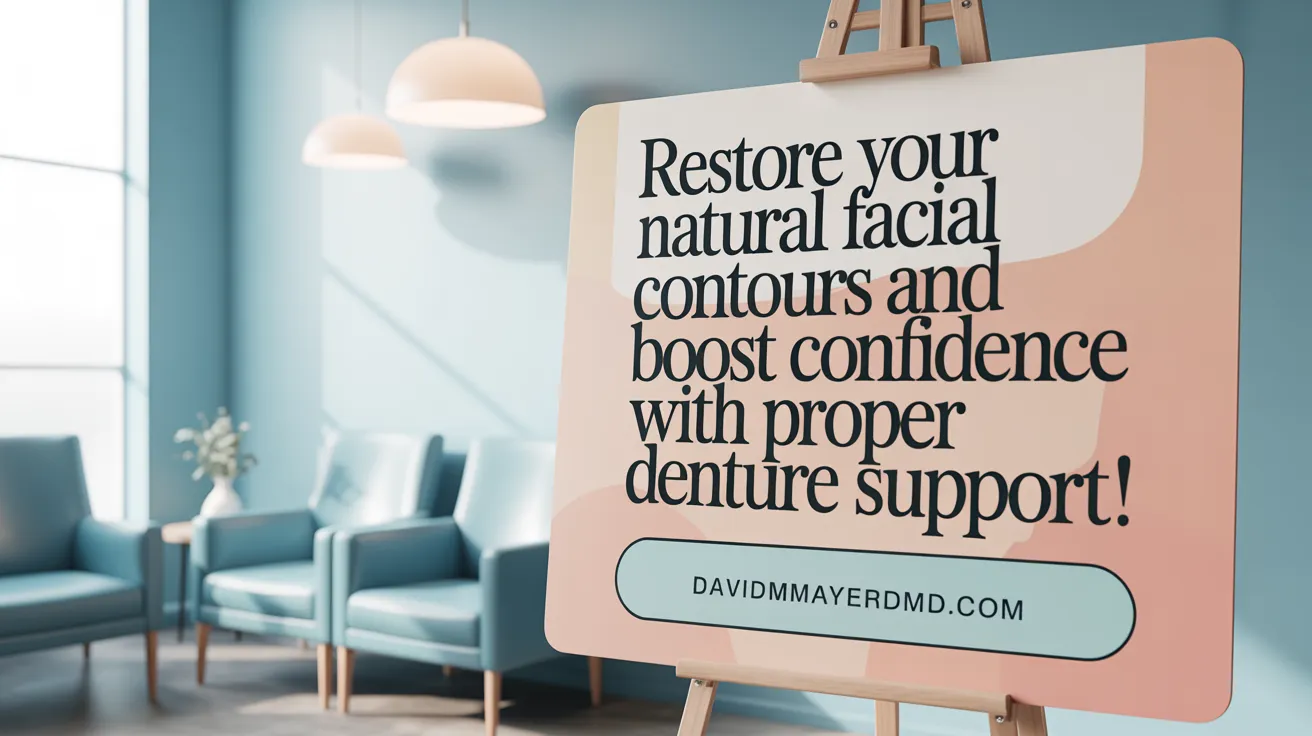
How dentures support facial muscles
Dentures play an essential role beyond simply replacing missing teeth—they provide crucial support to the facial muscles and tissues. When natural teeth are lost, the underlying bone can deteriorate, leading to sagging cheeks and lips. Dentures help fill out these areas, maintaining the natural shape of the face and preventing a sunken, aged appearance. This support helps keep facial contours firm and youthful (Types of Dentures).
Impact on appearance and self-esteem
By restoring missing teeth and supporting facial structures, dentures significantly enhance a person's appearance. This restoration often results in a more attractive and natural smile, which can greatly boost self-confidence and improve overall quality of life. Patients frequently report feeling more comfortable smiling, speaking, and engaging socially after receiving dentures (fun facts about dentures).
Difference between full and partial dentures in facial support
Full dentures replace all teeth in an arch and offer comprehensive support to facial muscles, making them especially effective in preventing sagging due to complete tooth loss. Partial dentures, while only replacing some teeth, help maintain facial integrity by supporting remaining natural teeth and preventing them from shifting. Though partial dentures provide less facial support than full dentures, they still play an important role in preserving appearance and function (Partial dentures overview).
Dentures, whether full or partial, are custom-designed to fit and work harmoniously with each individual's mouth, ensuring comfort and effective restoration of both dental function and facial aesthetics (Dentures overview).
2. Adaptation Takes Time: The Adjustment Period Is More Than You Think
Initial Discomfort and Soreness
New dentures often cause discomfort as your mouth adjusts. Minor irritation and soreness in the gums are common during the first few weeks or even months. This discomfort typically results from the denture pressing against sensitive tissues as they heal and adapt. Dentists usually schedule follow-up visits to adjust the fit and alleviate these issues. Learn more about Adjusting to partial dentures.
Challenges With Speech and Eating
Adapting to dentures can also affect speaking and eating. You may experience a temporary lisp or altered speech patterns. Chewing can feel awkward, and a soft diet of foods like soups, mashed potatoes, and puddings is often recommended initially to ease this transition. Over time, with regular practice, most people resume normal eating and speaking functions. For useful tips, see Modern dentures functionality.
Speech Exercises and Singing
Singing and reading aloud are effective exercises to improve speech clarity with new dentures. These activities help retrain muscles and improve coordination, speeding up adaptation. Engaging in speech exercises daily encourages confidence and aids in returning to normal communication more rapidly. Further information is available at Adjusting to partial dentures.
3. Not All Dentures Are Made Equal: The Variety of Types and Materials

Different Types of Dentures
Dentures come in several forms, each designed to suit distinct oral conditions and patient needs:
- Full (Complete) Dentures: Replace all teeth in an arch and rest directly on gums. They are custom-made and crafted from acrylic or porcelain to closely mimic natural teeth. Learn more about Types of Dentures and Full Dentures Explained.
- Partial Dentures: Used when some natural teeth remain; these attach to adjacent teeth via clasps or precision attachments for stability. They can be removable or fixed. Read about Partial Dentures Overview and Adjusting to Partial Dentures.
- Immediate Dentures: Placed immediately after tooth extraction to provide immediate restoration, though adjustments are often necessary as healing progresses. See details on Immediate Dentures Use and Conventional vs Immediate Dentures.
- Implant-Retained Dentures: Securely latch onto dental implants anchored in the jawbone. They provide enhanced stability but are usually removable by the patient. Explore Dental Implants Information.
- Implant-Supported Dentures (Bridges): Permanently fixed by implants or natural teeth, offering a non-removable solution for tooth replacement. Learn about Modern Dentures Advancements.
Materials Used in Dentures
The choice of materials impacts comfort, durability, appearance, and cost:
- Acrylic Resin: The most common base material due to its affordability and ease of customization. Acrylic teeth are lightweight and look natural. See Acrylic Dentures Benefits.
- Porcelain: Offers a highly natural appearance and durability; common for teeth in dentures but less used for bases due to fragility. More on Materials Used in Dentures.
- Metal Frameworks: Typically cobalt-chromium or other alloys used mainly for partial dentures to provide strength and rigidity without excessive bulk. Details on Metal Framework Partial Dentures.
- Flexible Thermoplastics: Increasingly popular for partial dentures because of their comfort, adaptability, and aesthetic appeal as they blend with gums without visible metal clasps. See Flexible Partial Dentures.
Advantages and Considerations
- Full Dentures: Can restore an entire arch's function and appearance but rely on suction and adhesives for stability; may require regular adjustments. Learn about Benefits of Full Dentures and Denture Maintenance.
- Partial Dentures: Help maintain oral structure and prevent teeth shifting; removable versions allow easy cleaning, while fixed partials provide better stability. Explore Care for Partial Dentures and Partial Dentures Overview.
- Immediate Dentures: Avoid a period without teeth post-extraction but may need relining as gums heal. More information on Immediate Dentures Use.
- Implant-Retained and Supported Dentures: Offer superior stability and function, improve chewing efficiency, and reduce bone loss, but involve surgical procedures and higher costs. See Modern Dentures Advancements and Dental Implants Info.
Choosing the right type and material depends on the patient's oral health, lifestyle, and budget, making consultation with a dental professional essential for optimal outcomes. Additional guidance can be found in Denture Facts and Care and Denture Care Tips.
4. Sensation Without Feeling: Why Dentures Can’t Sense Temperature

Why Don't Dentures Have Sensation?
Dentures are crafted from materials like acrylic, porcelain, and metal, which do not have nerves. Unlike natural teeth and gums that contain nerve endings to perceive sensations, dentures lack this biological component. This absence means dentures cannot detect temperature changes or other sensory inputs. Learn more about Materials Used in Modern Dentures and Materials Used in Dentures.
What Does This Mean for Food and Drink Temperature Awareness?
Without nerve feedback, denture wearers may not feel if food or beverages are too hot or too cold. This can increase the risk of accidental burns or discomfort since the usual warning signals from mouth tissues are missing. For tips on Denture temperature awareness and adapting to this change, see helpful information on Adjusting to dentures.
Precautions Denture Wearers Should Adopt
To safeguard oral tissues and overall comfort, those with dentures should be cautious when consuming hot liquids or foods. It is advisable to test temperatures carefully before ingestion. Additionally, maintaining regular dental visits can help monitor denture fit and oral tissue health to prevent irritation or injury. For more on Denture care and maintenance and ensuring proper Denture fit, consult Importance of dental checkups.
5. The Crucial Role of Proper Care: Maintenance Impacts Durability and Health

Daily cleaning methods and tools
Proper denture hygiene is essential to maintain both the longevity of dentures and overall oral health. Dentures should be cleaned daily using a soft-bristled denture brush along with non-abrasive cleanser specifically designed for dentures. Unlike natural teeth, regular toothpaste or abrasive materials can damage dentures, so using a product with the ADA Seal of Acceptance is recommended. Cleaning should target all denture surfaces, including the fitting area, to remove plaque, food particles, and biofilm that can cause irritation or infections. For detailed guidance on denture cleaning and care, see additional denture care and maintenance tips and advice about daily denture cleaning routines.
Importance of soaking dentures overnight
Soaking dentures overnight in plain water or a specially formulated denture-cleaning solution helps retain their shape and prevents them from drying out. This practice also aids in disinfecting and freshening the dentures. It is important to avoid hot or boiling water during soaking, as excessive heat can warp the denture material. Taking dentures out at night also allows the gums to rest, reducing risks of soreness and bacterial growth. For more on cleaning complete dentures and soaking, see these denture care and maintenance tips and soaking dentures safely.
Use and safety of adhesives
Denture adhesives can improve retention and comfort by helping hold dentures firmly in place and preventing food from getting underneath. However, adhesives are not a substitute for a proper denture fit. Users should exercise caution with zinc-containing adhesives, as overuse can pose health risks; zinc-free alternatives are available for safe use. Dentists can guide on appropriate adhesive use and recommend products proven for safety and efficacy. Learn more about the benefits of denture adhesives and associated safety considerations.
Regular dental checkups and adjustments
Routine visits to the dentist are vital to monitor denture fit and oral tissue health. Over time, changes in the jawbone and gum tissue may cause dentures to loosen, requiring professional adjustments such as relining or replacement. Ill-fitting dentures can lead to chronic irritation, sores, and bone loss if not properly addressed. Regular dental evaluations also help detect infections, recommend cleaning techniques, and ensure dentures continue to function effectively and comfortably. See resources on denture fitting and adjustment and the importance of dental checkups for denture users.
6. Technological Advances Are Changing the Denture Experience
Digital impressions and 3D printing
Modern dentures benefit greatly from digital impressions in dentistry and 3D printing technology. Digital dental equipment allows for highly accurate 3D modeling of the mouth, which captures precise details of the gum and jaw structure. This accuracy leads to dentures that fit better the first time and reduces the need for multiple adjustments. 3D printing enables the quick fabrication of custom dentures, ensuring comfort and speeding up production. For more on modern dentures advancements, see Modern dentures advancements.
Use of high-strength materials
Advancements in materials science have introduced high-strength resins, porcelain, and zirconia for denture fabrication. These materials enhance durability, resistance to staining, and provide a more natural appearance. Compared to traditional acrylic, these materials offer improved longevity and patient satisfaction.
Implant-supported and implant-retained dentures for stability
Implant technology has revolutionized dentures stability. Implant-supported dentures are fixed in place with titanium posts surgically embedded in the jawbone, offering a permanent solution that prevents slipping. Implant-retained dentures attach to metal posts called abutments but remain removable for cleaning. Both options improve chewing efficiency and comfort significantly over traditional dentures. For additional information, see implant-supported dentures and implant-retained dentures and implant-supported dentures and implant-retained dentures.
How technology improves fit and aesthetics
Technological advances enable dentures to closely mimic the size, shape, and shade of natural teeth. Digital shade matching and custom shading techniques produce artificial teeth that blend seamlessly with the patient's gums and remaining teeth. These improvements enhance patient confidence and satisfaction by restoring both function and natural appearance effectively. For more about modern dentures and restoring confidence, see Modern dentures functionality.
Embrace the Confidence That Comes with Informed Denture Care
Surprising Facts About Full and Partial Dentures
Dentures, whether full or partial, are more than just tooth replacements—they restore essential functions like chewing, speaking, and smiling with confidence. Many people don’t realize that dentures come in various types, including conventional, immediate, implant-retained, and implant-supported options, each designed to meet different patient needs.
Encouragement for Proper Care and Regular Dental Visits
Maintaining your dentures with daily cleaning using a soft brush and soaking solutions is vital. Consistent dental checkups help ensure your dentures fit well and prevent discomfort or oral health issues. Adhesives can improve retention but should not replace professional dental care.
Reassurance About Adaptation and Modern Denture Options
Adjusting to dentures may cause temporary soreness and speech changes, but most patients adapt within weeks. Modern dentures offer improved comfort, durability, and a natural appearance thanks to advanced materials and digital fabrication techniques. With the right care and professional support, dentures can significantly enhance your quality of life and self-esteem.