Understanding Emergency Dental Care
Definition of Dental Emergencies
Dental emergencies refer to urgent oral health issues requiring immediate professional attention to alleviate severe pain, prevent further damage, or save teeth. These situations may involve traumatic injuries, infections, or sudden complications that cannot wait for routine dental appointments.
Importance of Timely Treatment
Prompt intervention is critical in emergency dental care to prevent progression of problems such as infection spread, permanent tooth damage, or systemic health risks. Early treatment aids in pain relief, preservation of natural teeth, and avoidance of complex, costly procedures.
Examples of Emergencies
Common dental emergencies include severe toothaches unresponsive to painkillers, knocked-out or severely fractured teeth, uncontrollable oral bleeding, dental abscesses with swelling and fever, and loose or dislodged dental restorations. Immediate professional care can ensure optimal outcomes and protect overall health.
Key Facts on Emergency Dental Situations and Care
- Severe, persistent tooth pain unrelieved by medication signals urgent dental emergency requiring prompt care to prevent infection.
- Facial, jaw, or gum swelling accompanied by pain or fever often indicates serious dental infection like abscess needing immediate treatment.
- A knocked-out tooth demands immediate professional care within 30-60 minutes to maximize chances of successful reimplantation.
- Uncontrolled oral bleeding lasting over 10 minutes after trauma or procedures is an emergency requiring urgent dental evaluation and intervention.
- Broken, cracked, or chipped teeth causing pain or sharp edges risk nerve exposure and infection; prompt dental treatment is critical.
- Loose, lost, or damaged dental restorations exposing tooth structure increase infection risk, needing quick repair to preserve tooth health.
- Persistent bad taste, bad breath, or gum bumps suggest dental abscess or infection that requires immediate professional dental care.
- Emergency dental situations involve conditions needing immediate intervention to stop bleeding, relieve severe pain, or prevent permanent damage.
- After-hours and weekend emergency dental care options include dental offices with emergency lines, 24-hour clinics, urgent care centers, and hospital ERs for severe cases.
- Financial constraints should not delay emergency care; many dentists offer payment plans and public or nonprofit programs provide assistance to ensure timely treatment.
1. Severe, Persistent Tooth Pain Unrelieved by Medication
Causes of Severe Toothache
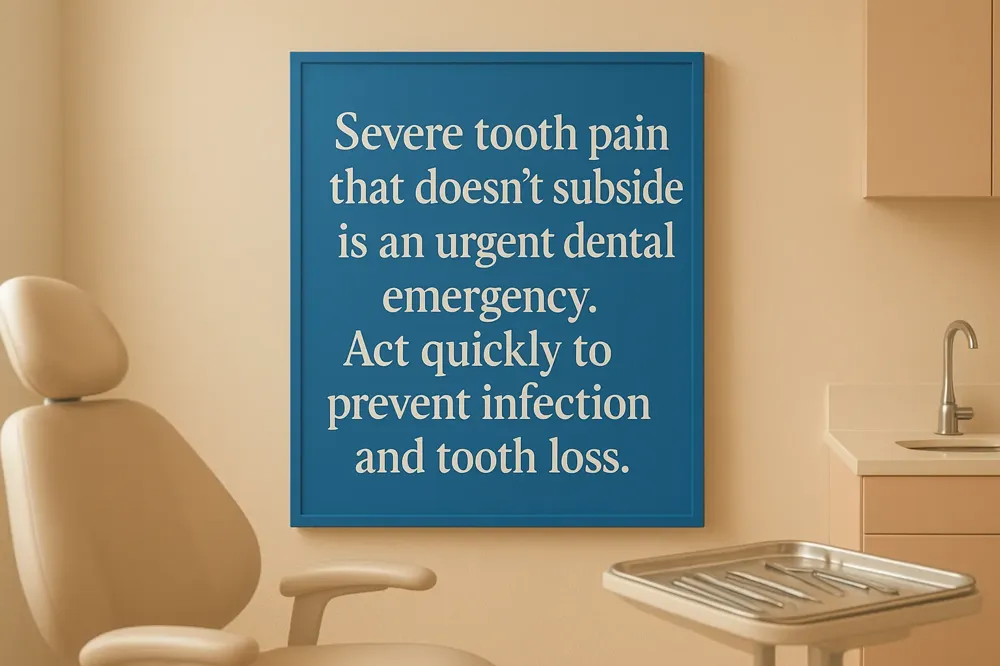
Severe tooth pain typically arises from underlying dental conditions such as deep cavities that affect the tooth's nerves, infections including abscesses, or cracked teeth exposing sensitive pulp. Dental trauma and nerve inflammation can also provoke intense pain.
When Tooth Pain Signals Emergency
A toothache becomes an emergency when the pain is relentless and not alleviated by over-the-counter pain relievers. Additional signs elevating concern include facial swelling, fever, and a persistent unpleasant taste, which suggest an active infection requiring urgent dental intervention.
Risks of Delaying Care
Postponing emergency dental treatment can lead to worsening infections, tooth loss, and systemic health issues such as the spread of infection beyond the oral cavity. Delays also increase the complexity and cost of subsequent dental procedures.
When does a toothache qualify as a dental emergency?
A toothache qualifies as an emergency when it causes intense, persistent pain not relieved by over-the-counter remedies, especially if accompanied by swelling, fever, or foul taste. This may indicate an infection or severe decay requiring prompt care.
2. Swelling of the Face, Jaw, or Gums Accompanied by Pain or Fever
Infection Signs
Swelling in the face, jaw, or gums often indicates an infection in the dental tissues. Such inflammation is usually a response to bacterial invasion, commonly from untreated cavities, gum disease, or dental abscess symptoms. When this swelling is associated with pain, it signifies that the infection is active and causing tissue irritation.
Dental Abscess Implications
A dental abscess is a localized pocket of pus caused by bacterial infection. It manifests as swelling, pain, and often fever, redirecting the body's immune response to combat the infection. If left untreated, an abscess can spread, leading to severe complications including facial cellulitis, difficulty breathing or swallowing, and systemic illness.
Urgency of Swelling and Fever
The presence of fever alongside swollen facial or jaw tissues marks a significant clinical emergency. It reflects that the infection has systemic involvement and requires immediate professional dental intervention. Prompt treatment typically includes drainage of the abscess, antibiotic therapy, and sometimes tooth extraction or root canal therapy to eliminate the infection source.
Failure to act swiftly can lead to deterioration of overall health and potential risk to airways. If you notice swelling with accompanying pain or fever, contact a dental professional urgently to secure timely and effective care.
| Topic | Description | Importance |
|---|---|---|
| Infection Signs | Swelling and pain indicate active infection | Early indicator for intervention |
| Dental Abscess | Pocket of pus causing swelling, pain, fever | Risk of spread to vital areas |
| Urgency of Symptoms | Swelling combined with fever requires immediate care | Prevents serious systemic complications |
3. A Knocked-Out or Partially Dislodged Tooth
What defines an emergency dental situation?
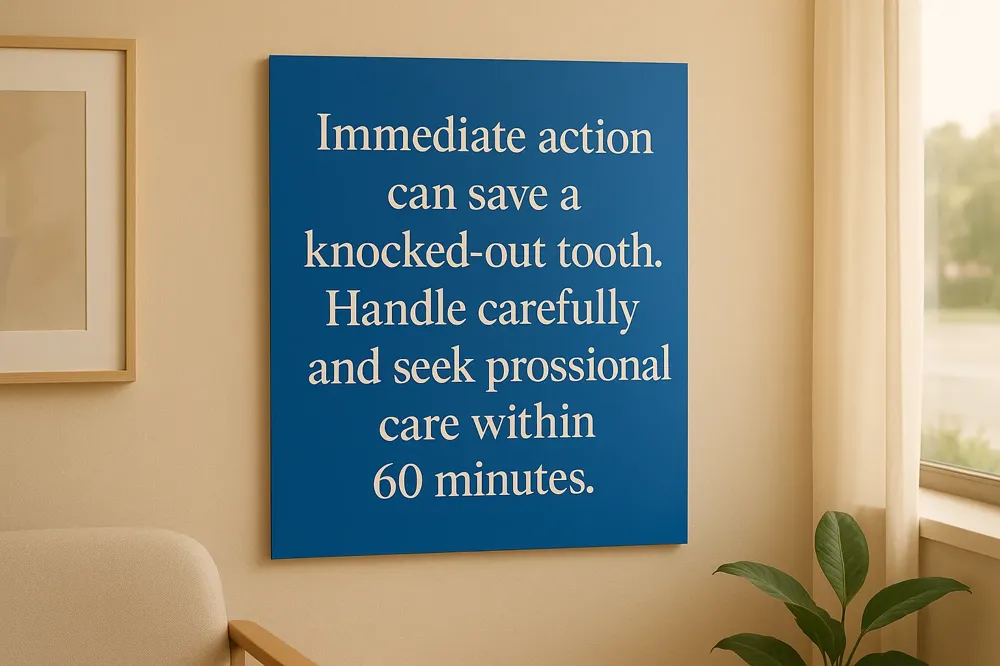
A knocked-out tooth constitutes a critical dental emergency that demands immediate attention. Prompt professional care is essential to improve the chance of saving the tooth.
Handling knocked-out teeth
When a tooth is knocked out, it should be handled very carefully by the crown (the visible part) rather than the root to avoid damage.
Rinsing the tooth gently with water is recommended if it is dirty; however, scrubbing or touching the root must be avoided to preserve delicate cells necessary for successful reimplantation.
Time sensitivity for reimplantation
Time is a decisive factor when managing a knocked-out tooth. Ideally, the tooth should be reinserted into its socket or received by a dentist within 30 to 60 minutes.
This short time window significantly increases the likelihood that the tooth can be saved and properly reattached.
Steps to preserve the tooth
If reimplantation is not immediately possible, store the tooth carefully in a suitable liquid medium such as milk, saliva, or a specialized tooth preservation solution.
Avoid letting the tooth dry out, as desiccation drastically reduces the chance of successful reattachment.
Immediate action recommendation
Upon tooth avulsion, promptly contact a dental professional or emergency dental clinic for specific guidance and treatment.
Quick and appropriate responses can prevent permanent tooth loss and improve functional and aesthetic outcomes.
This section underscores the urgency and correct procedures necessary to effectively manage a knocked-out or partially dislodged tooth dental emergency.
4. Uncontrollable or Excessive Oral Bleeding
What signs indicate you need urgent dental care?
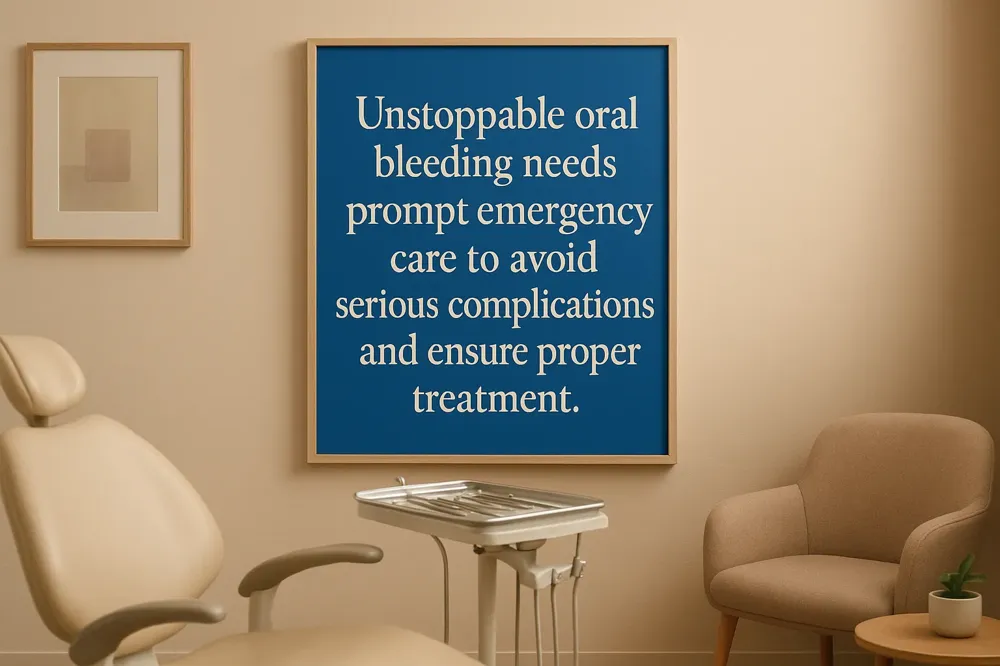
Uncontrolled bleeding from the mouth lasting more than 10 minutes, particularly following trauma, dental procedures, or injury, signals an urgent dental care. This type of bleeding requires immediate evaluation to stop the hemorrhage and diagnose the root cause.
Causes of prolonged bleeding
Excessive oral bleeding can result from severe gum disease, trauma to oral tissues, complications following dental extractions or surgeries, bleeding disorders, or infections. Persistent bleeding may also indicate damage to blood vessels or clotting abnormalities.
First aid measures
Initial steps to control oral bleeding include applying firm pressure with clean gauze or a moist tea bag (which contains tannic acid to help constrict blood vessels) on the bleeding site. Keeping the head elevated and avoiding strenuous activity can help reduce blood flow. Cold compresses applied externally may reduce swelling and bleeding.
When to seek emergency care
If bleeding does not stop after 10 minutes of direct pressure, worsens, or is accompanied by dizziness, difficulty swallowing, or breathing problems, prompt urgent dental care is critical. Professional intervention may include suturing, cauterization, or medical treatment for underlying conditions to prevent serious complications.
Recognizing and responding effectively to persistent dental bleeding safeguards your oral health and prevents more serious outcomes. Always prioritize seeking Emergency dental care signs when bleeding is prolonged or severe.
5. Broken, Cracked, or Chipped Teeth Causing Pain or Sharp Edges
What are common types of dental emergencies?
Dental trauma such as broken, chipped, or cracked teeth are common emergencies requiring prompt care to prevent infection, nerve exposure, or further damage, often involving restoration or root canal therapy.
Risks of untreated fractures
Untreated fractures or cracks in teeth can expose the inner layers, including the dental pulp, to bacteria, leading to infections that could spread to surrounding tissues. Sharp edges from chips can cause injury to the tongue or cheek and worsen over time, potentially resulting in tooth loss or the need for more invasive procedures.
Emergency treatments
Immediate dental care aims to assess the extent of damage and provide pain relief. Treatments may include bonding, crowns, or root canal therapy if the pulp is affected. Prompt intervention can save the tooth and prevent complications.
Interim first aid
Until professional care is available, rinse the mouth gently with warm water to clean the area. Use dental wax or sugarless gum to cover sharp edges to avoid soft tissue injury. Applying a cold compress can reduce swelling and alleviate pain. Avoid chewing on the affected side to prevent further damage.
These steps are critical to preserving oral health and minimizing discomfort while awaiting emergency dental care.
6. Loose, Lost, or Damaged Dental Restorations Exposing the Tooth
What signs indicate you need urgent dental care?
Lost or broken dental restorations such as fillings, crowns, or bridges that expose the underlying tooth structure are a clear sign that urgent dental care is needed. This exposure can lead to increased tooth sensitivity and a higher risk of infection, potentially causing further complications if untreated.
Implications for tooth health
When a restoration becomes loose, lost, or damaged, it leaves the tooth vulnerable to decay and bacterial invasion. Without the protective covering, the tooth's nerves may be exposed, leading to pain and heightened sensitivity to temperature or pressure. If the exposed area is not promptly treated, it can result in infection or tooth loss.
Temporary protective measures
While awaiting professional dental care, patients can take temporary steps to protect the affected tooth. Using dental wax or sugarless gum can help cover exposed areas and reduce discomfort. Avoid chewing on the side of the damaged restoration, and maintain gentle oral hygiene to minimize irritation.
Need for prompt dental care
It is important to seek emergency dental treatment as soon as possible to properly repair or replace the restoration. Timely professional care prevents infection, preserves the tooth structure, and restores full oral function and comfort.
7. Persistent Unpleasant Taste, Bad Breath, or Gum Bumps Suggesting Infection
What defines an emergency dental situation?
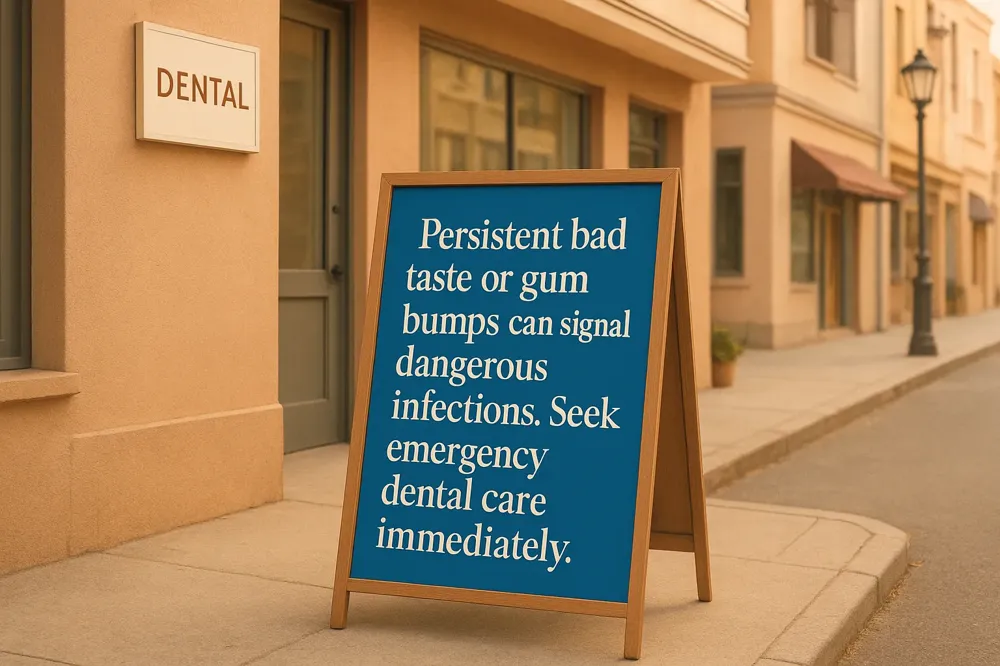
A dental emergency includes conditions that require immediate professional care to prevent serious complications. Persistent bad taste, bad breath, or gum swellings such as pimple-like bumps are signs indicating dental abscess symptoms or infections that warrant urgent treatment.
Signs of underlying infection
An unpleasant taste or persistent bad breath can signify bacterial build-up or drainage from an infection beneath the gumline. Such infections often come with additional symptoms like gum swelling, redness, and tenderness.
Dental abscess symptoms
Dental abscesses present as painful, pus-filled swellings on the gums, often accompanied by facial swelling, fever, and general malaise. The infection can spread quickly if untreated, leading to severe health risks beyond the oral cavity.
Urgency of treatment
Immediate dental intervention is crucial to drain abscesses, prescribe antibiotics, and prevent the spread of infection to jaws, neck, or bloodstream. Delaying care can result in increased pain, tooth loss, and systemic health complications.
Patients noticing persistent bad taste, bad breath, or gum bumps should seek emergency dental care promptly to preserve oral and overall health.
What defines an emergency dental situation?
Definition of emergency dental care
An emergency dental situation refers to any oral health condition that necessitates immediate professional intervention. This urgency arises to stop uncontrolled bleeding, relieve severe pain, prevent or manage serious infections, or protect a tooth from permanent damage.
Examples of emergencies
Common examples include severe toothaches resistant to over-the-counter medication, knocked-out teeth requiring rapid reimplantation, badly cracked or fractured teeth risking nerve exposure, dental abscesses presenting with swelling and possible fever, and significant soft tissue injuries within the mouth. Life-threatening emergencies may involve facial trauma or infections obstructing the airway, which require emergency medical services.
Importance of prompt professional treatment
Immediate contact with a dental professional is crucial in these situations to prevent the escalation of infections, preserve natural teeth, and minimize complications. If dental care is not promptly accessible, patients are advised to seek emergency medical care to address severe symptoms effectively and safeguard their overall health.
What signs indicate you need urgent dental care?
Recognizing key dental emergency symptoms
Urgent dental care is essential when symptoms indicate severe problems that can rapidly worsen without prompt intervention. Key signs include severe tooth pain that persists despite over-the-counter painkillers, which may signal infections such as abscesses or advanced decay.
Other critical symptoms include a badly cracked, broken, or knocked-out tooth requiring immediate attention to save the tooth and prevent infection. Swelling of the face, jaw, or gums often signals a dental abscess, a serious infection that can spread and cause systemic health issues if untreated.
Uncontrolled oral bleeding after trauma or dental procedures also demands urgent professional care. Additionally, if dental restorations like crowns or fillings become loose or lost, this exposes your tooth to decay and sensitivity, requiring prompt dental repair.
Severe soft tissue injuries in the mouth, such as deep cuts or busted lips, and symptoms indicating infection, including fever or foul taste, are also urgent signs.
When to seek immediate treatment
If you notice any of these signs—intense, persistent pain, swelling, bleeding that won’t stop, or trauma causing broken or knocked-out teeth—contact your dentist immediately or pursue emergency dental care.
Timely action prevents infection spread, reduces risk of tooth loss, and alleviates pain effectively. Early intervention by dental professionals can also avoid the need for more extensive procedures later and improve recovery outcomes.
In any dental emergency, do not delay seeking care to protect both oral health and overall well-being.
What are common types of dental emergencies?
What are common types of dental emergencies?
Dental emergencies encompass a variety of Urgent oral problems that can cause Severe tooth pain, swelling, or damage to teeth and gums.
Common emergencies include:
- Pulpitis: Inflammation of the tooth pulp, which can be reversible or irreversible. This often results in Intense toothache and, if untreated, may progress to Abscessed tooth symptoms.
- Dental Abscess and Cellulitis: Infections causing pus accumulation and swelling in gums or surrounding tissues, requiring immediate drainage and antibiotics to prevent spread as explained under Dental abscess symptoms and treatment.
- Pericoronitis: Inflammation and swelling of gum tissue, often around partially erupted wisdom teeth, causing pain – classified under Emergency care for dental trauma.
- Traumatic Injuries:
- Tooth fractures or cracks, which expose inner layers and can lead to infection, see Chipped or broken tooth treatment.
- Luxation (tooth loosened but still in place).
- Avulsion (complete displacement or knocked-out tooth), which is time-sensitive and covered in How to handle a knocked-out tooth.
Treatment options
Treatment depends on the severity and type of emergency. Options include dental fillings for minor fractures, root canal therapy for infected pulp, antibiotics and drainage for abscesses, splinting for loosened teeth, and reimplantation for avulsed teeth when possible. Prompt dental assessment with radiography ensures proper diagnosis and care following Emergency dental care principles across the US.
Early and appropriate treatment can save teeth, relieve pain, and prevent complications, highlighting the importance of Signs you need emergency dental care when these conditions arise.
What should you do if you have a dental emergency on a weekend?
Steps to take during weekend emergencies
If you experience a dental emergency on a weekend, the first step is to contact your dentist's emergency phone number if one is provided. Many dental offices maintain after-hours contact options for urgent dental care cases. If you cannot reach your regular dentist, look for emergency dental clinics or walk-in services that operate during weekends.
Managing pain and swelling
To manage pain temporarily before professional care, use cold compresses to reduce swelling and rinse your mouth gently with warm saltwater. Over-the-counter pain medications such as ibuprofen or acetaminophen may help relieve discomfort but avoid placing aspirin directly on gums as it can cause tissue irritation. For more details on pain management and emergency first aid, see Emergency dental care guidelines.
When to use emergency room services
Seek emergency room care if you face life-threatening symptoms such as difficulty breathing, severe uncontrolled bleeding, or trauma involving broken facial bones. Emergency rooms can provide immediate pain relief and stabilize severe conditions but usually cannot perform dental repairs, so follow-up with a dental professional is necessary. Refer to When to call your dentist for emergencies for guidance on emergency room versus dental office roles.
Prompt action during weekend dental emergencies helps prevent worsening of infection, saves teeth, and reduces complications. Always prioritize contacting a dental professional for guidance and treatment by following Dental emergency symptoms and responses.
What are options for emergency dental care outside regular hours in the United States?
Availability of after-hours dental services
Many dental practices across the United States provide same-day emergency appointments and after-hours care to address urgent dental problems promptly. These services often include weekend and evening hours, allowing patients to receive timely treatment beyond regular office times.
24-hour clinics and urgent care
Dedicated 24-hour emergency dental clinics operate in some areas, offering round-the-clock support for dental emergencies such as severe toothaches, trauma, or infections. Additionally, certain walk-in urgent care centers provide immediate relief and pain management when a dentist is not available.
Hospital emergency departments
For severe dental trauma, uncontrollable bleeding, or life-threatening infections, hospital emergency rooms serve as critical points of care when dental offices are closed. While hospitals can manage acute symptoms and provide medications, they typically do not perform definitive dental treatments, so follow-up with a dental professional is necessary.
In summary, patients facing dental emergencies outside standard hours can access care through urgent dental clinics, after-hours dental offices, or hospital emergency rooms depending on the severity and nature of their condition. Utilizing emergency dental hotlines and online resources can help locate available services quickly.
How does a full-service dental practice handle major dental procedures?
Comprehensive care approach
Full-service dental practices provide a wide range of restorative and cosmetic treatments including crowns, bridges, dental implants, denture repairs, and root canals. Experienced dentists create personalized treatment plans that cater to the specific needs of each patient to ensure optimal oral health outcomes.
Technological resources
Advanced technology plays a crucial role in major dental procedures. Practices often use precise impressions or digital scans to accurately capture tooth details. Some offer same-day in-office restoration fabrication utilizing CAD/CAM dental restoration technology, allowing patients to receive crowns or bridges without multiple visits.
Patient comfort and communication
Patient comfort is a priority during major treatments. Anesthesia and sedation options are available to manage pain and anxiety effectively. Practices often have multilingual staff who facilitate clear communication, making complex procedures more understandable and less stressful.
Financial and insurance support
Transparent discussion of insurance benefits and payment options helps patients manage treatment costs, reducing financial stress and encouraging timely care.
By combining expertise, modern technology, patient-centered communication, and financial transparency, full-service dental practices efficiently handle major dental procedures while promoting a positive patient experience.
What should a patient do in a dental emergency if they have financial constraints?
Communicating with Providers
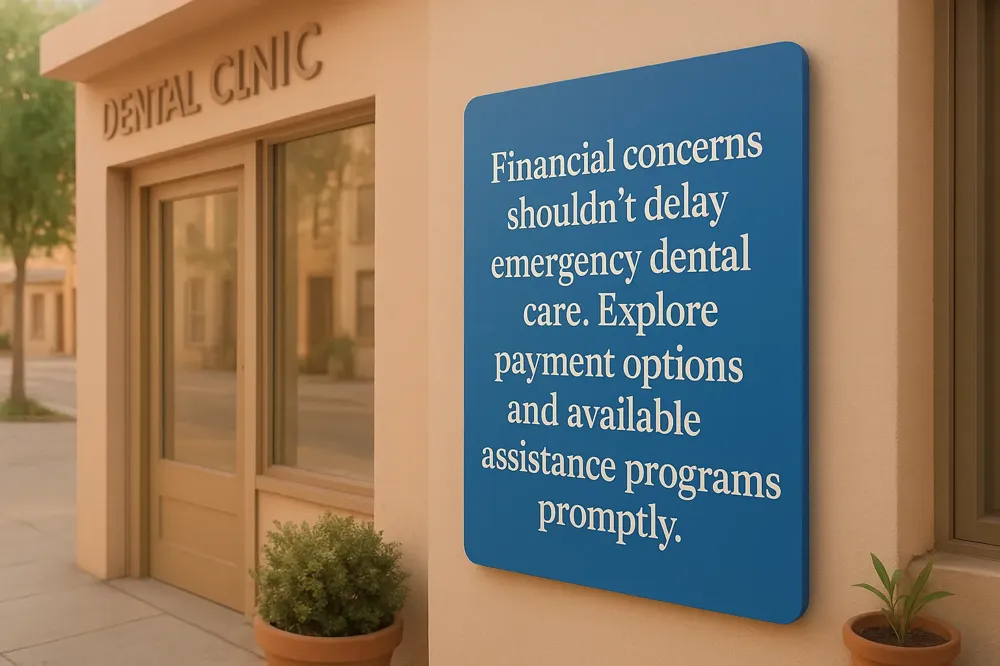
Patients experiencing dental emergencies who have financial constraints should proactively communicate their situation with dental providers. Many dentists understand financial difficulties and may offer flexible payment plans, sliding scale fees, or temporary solutions to manage immediate issues.
Available Public and Nonprofit Resources
There are several resources available for financial assistance in dental emergencies. Government programs such as Medicaid cover emergency dental services for eligible individuals. Nonprofit dental clinics and organizations like the Dental Lifeline Network provide access to emergency dental care, often at reduced or no cost.
Dental schools also frequently offer emergency treatment at reduced fees, delivered by supervised students.
Importance of Timely Care Despite Financial Concerns
Delaying emergency dental care due to cost can lead to severe complications including infection spread, tooth loss, or systemic health issues. Prompt treatment is essential and helps prevent more extensive, costly interventions later. Patients are encouraged to seek care quickly and explore all financial support options available.
| Aspect | Details | Purpose |
|---|---|---|
| Communicating with Providers | Discuss payment options or care plans | Facilitate access to care despite cost |
| Public Programs | Medicaid and state health services | Provide financial coverage for emergencies |
| Nonprofit Clinics | Reduced-cost or free emergency services | Extend affordable care to low-income patients |
| Dental Schools | Supervised student care at lower fees | Offer quality emergency treatment affordably |
| Timely Care | Immediate attention to symptoms | Prevent worsening conditions and higher costs |
Taking Immediate Action for Your Dental Health
Recognizing Emergency Signs is Crucial
Dental emergencies require swift intervention to prevent irreversible damage, severe pain, or infection spread. Common emergency signs include severe, unrelenting toothache not relieved by over-the-counter medications; swelling of the face, jaw, or gums with or without fever; knocked-out or severely fractured teeth; uncontrollable bleeding lasting more than 10 minutes; loose or dislodged teeth or dental work; and sudden numbness or persistent bad taste in the mouth. Prompt recognition of these symptoms allows for timely professional dental care, reducing the risk of complications.
Importance of Seeking Prompt Professional Care
When emergency signs appear, immediate contact with a dental professional is essential. Dentists offer emergency appointments and can provide targeted treatment such as re-implantation of knocked-out teeth, draining abscesses, or repairing fractures. Quick action enhances the likelihood of saving natural teeth and prevents the worsening of infection or pain. In cases of trauma, preserving knocked-out teeth by handling them carefully and storing them properly before dental evaluation is vital.
Preventive Measures and Preparedness
Prevention remains the best strategy against dental emergencies. Maintaining good oral hygiene, regular dental check-ups, using mouthguards during sports, and avoiding chewing on hard or sticky substances can reduce the risk. Preparing for emergencies involves keeping dental emergency contact information accessible, stocking a dental first aid kit with gauze, temporary dental cement, pain relievers, and knowing how to manage initial symptoms at home such as rinsing with warm salt water and applying cold compresses. Such preparation supports effective response and safeguarding of dental health during urgent situations.