Why Understanding Dentures Matters More Than Ever
Overview of dentures as a dental solution
Dentures are removable dental appliances designed to replace missing teeth and surrounding tissues. They come in two main types: full dentures, which replace all teeth in an arch, and partial dentures, which replace a few missing teeth while preserving the remaining natural teeth. Modern dentures utilize advanced materials such as acrylic resin, flexible acrylics, and lightweight resins, offering a natural look and improved comfort.
Importance of dentures in oral health and quality of life
Dentures play a crucial role in restoring fundamental oral functions like chewing and speaking. They also support facial structures, preventing sagging of cheeks and lips, which helps maintain a youthful appearance. With proper fit and maintenance, dentures improve nutrition, self-confidence, and overall well-being.
Common misconceptions about full and partial dentures
Many believe dentures are only for seniors or that they are uncomfortable and unnatural. In reality, dentures are custom-made for comfort and aesthetics, and they benefit individuals of all ages with tooth loss. While there is an adjustment period, speech and eating typically improve with practice. Proper denture care and regular dental visits are essential to avoid issues like soreness or looseness and ensure optimal function.
Denture Technologies and Support - Key Facts
- Modern dentures use advanced materials like flexible acrylics, lightweight resins, and high-quality acrylic bases for a lifelike appearance.
- Contemporary dentures mimic natural teeth through improvements in shading, surface texture, and customization using digital imaging and precision molding.
- Precision fitting and customization in denture fabrication enhance comfort, reduce sore spots, and improve stability.
- Partial dentures stabilize remaining teeth by anchoring with clasps or attachments, preventing shifting and bite problems.
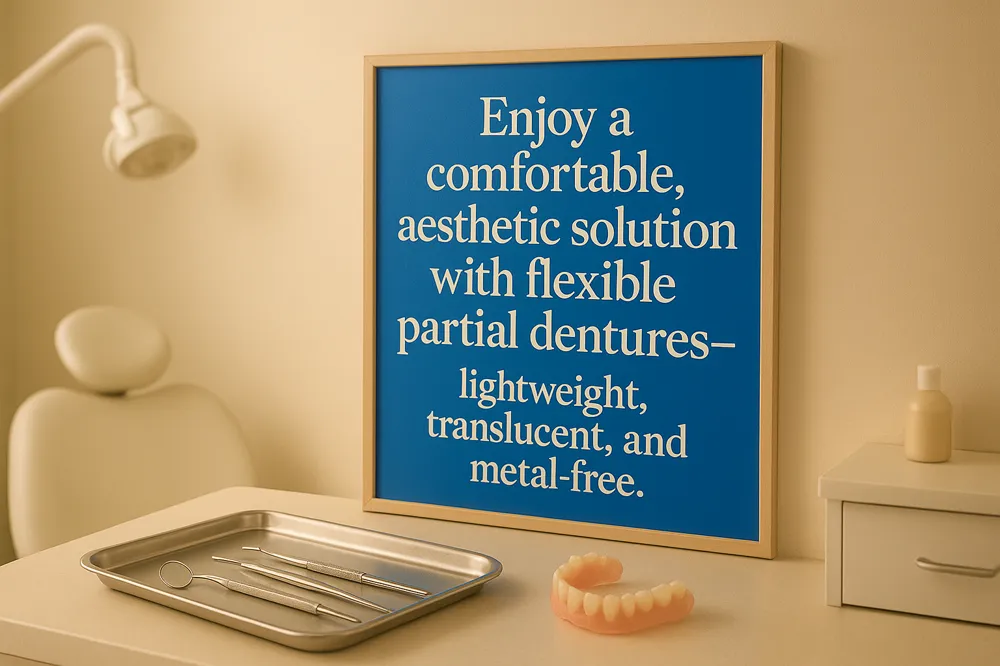
- Flexible partial dentures are lightweight, translucent, and metal-free, offering greater comfort and aesthetics over traditional partials.
- Full dentures support facial muscles to prevent sagging cheeks and lips, helping maintain youthful facial contours.
- Adapting to dentures involves a temporary adjustment period for speech and chewing, requiring patience and practice.
- Common denture issues include slipping, sore spots, and difficulty chewing, which can be managed through regular dental care.
- Dentures have limitations such as gum discomfort, jawbone resorption, and food trapping, requiring proper maintenance and regular checkups.
- Technological advances allow personalized dentures tailored to bite, jaw shape, and gum health, improving fit and appearance.
1. Modern Dentures Boast Remarkably Natural Appearance and Comfort
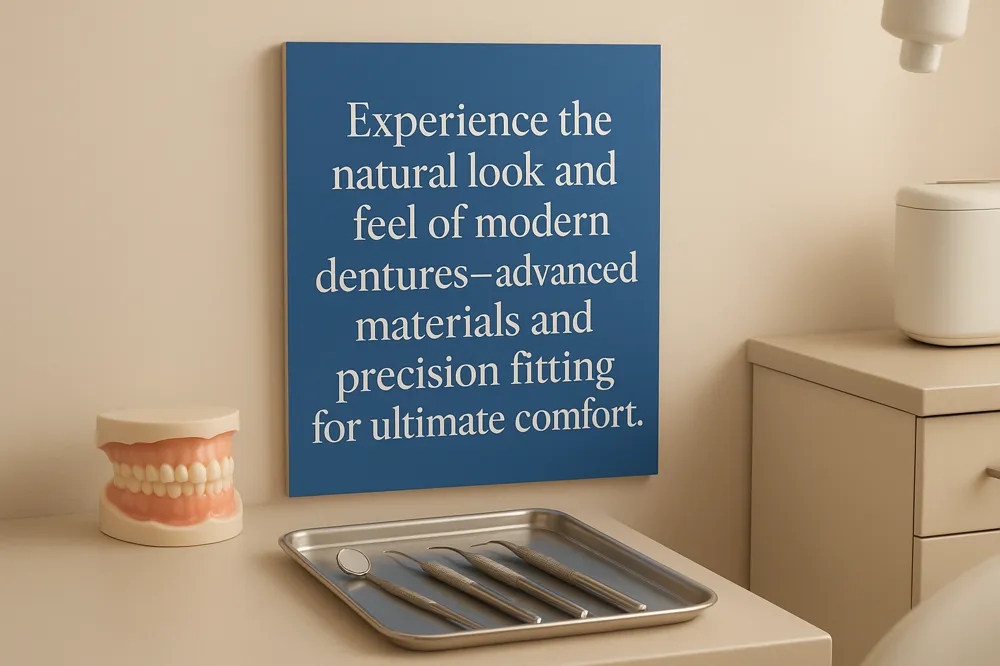
What do modern dentures look like and how are they evolving?
Contemporary dentures are crafted from advanced materials such as flexible acrylic dentures, lightweight resins, and high-quality acrylic resin bases that allow for a close resemblance to natural teeth and gums. These materials replicate the natural color, translucency, and texture of oral tissues, creating a lifelike appearance that is virtually indistinguishable from real teeth.
Materials used in contemporary dentures
Modern dentures often combine acrylic resin for the base with porcelain or plastic teeth. Flexible dentures utilize soft acrylics or thermoplastic polymers, offering a more comfortable and adaptive fit compared to traditional hard acrylic. Metal frameworks may be included in partial dentures for better durability and fit.
Aesthetic advancements mimicking natural teeth and gums
Improvements in shading, surface texture, and tooth shape customization help dentures blend seamlessly with the wearer’s facial features. Digital imaging technologies and precision molding enable customization tailored to bone structure, jaw shape, and individual bite, enhancing overall appearance.
Comfort improvements through precision fitting and customization
Denture fabrication includes detailed impression taking and modeling for exact fit. Customization considers the patient’s gum health and lifestyle needs, resulting in dentures that reduce sore spots and improve stability. The development of implant-supported dentures and flexible dentures further enhances comfort and function, minimizing common issues such as slipping or irritation.
Overall, modern dentures represent a significant advancement, both in realistic aesthetics and wearer comfort, thereby improving confidence and quality of life for individuals with missing teeth.
2. Partial Dentures Serve Beyond Replacement: Stabilizing Your Natural Teeth
How Do Partial Dentures Support Remaining Teeth?
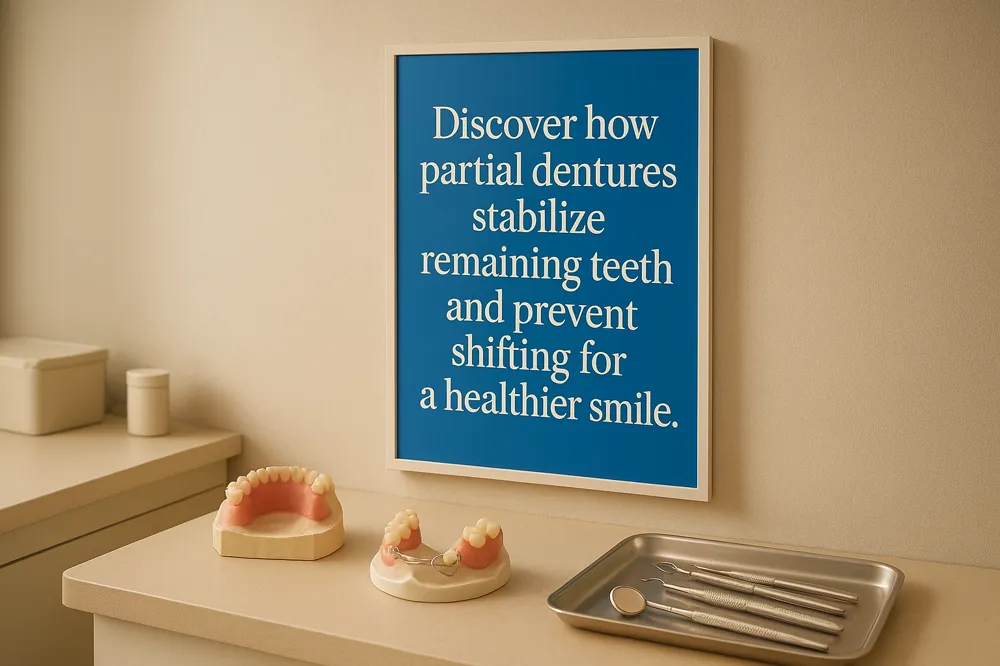
Partial dentures stabilize teeth play a vital role beyond just filling gaps left by missing teeth. They help stabilize your natural teeth by anchoring to them with clasps or precision attachments. This support prevents adjacent teeth from shifting or tilting into empty spaces, which can lead to bite misalignment and further oral health problems.
How Do They Prevent Shifting and Bite Problems?
When teeth are lost, the surrounding teeth tend to move toward the gaps, creating uneven bite forces and affecting chewing efficiency. Partial dentures prevent teeth shifting by firmly holding the remaining teeth in position, maintaining proper bite alignment, and protecting the overall structure of your jaw and gums.
What Materials and Frameworks Are Used in Partial Dentures?
Partial dentures are usually crafted from a combination of durable materials such as acrylic resin for the gum-colored base and metal frameworks in dentures like titanium, cobalt chrome, or flexible thermoplastics. Metal framework partial dentures provide strength and a precise fit, while flexible dentures offer a comfortable, lightweight feel. Acrylic versions are more affordable and aesthetically pleasing but may be less durable.
Is It Worth Getting Partial Dentures?
Partial dentures are a cost-effective, non-invasive solution to replace multiple missing teeth. They improve speech clarity, maintain facial aesthetics, and significantly reduce the risk of teeth shifting and bite complications. They are custom-made dentures to match your natural teeth and gum color for a natural appearance and can be easily adjusted or repaired if needed. Whether partial dentures are right for you depends on your specific oral health, budget, and lifestyle, but they offer a practical and beneficial option for many.
3. Flexible Partial Dentures: A Comfortable, Cosmetic Alternative
What are flexible partial dentures?
Flexible partial dentures are a modern, removable dental prosthesis designed to replace missing teeth while providing a comfortable and natural appearance. They are typically made from a soft, flexible, gum-colored material such as Valplast® that adapts to the contours of the mouth. Unlike traditional partial dentures, these flexible variants do not require metal clasps or adhesives, allowing the gums to show through their translucent structure and enhancing their aesthetic appeal. Learn more about Flexible acrylic dentures.
Advantages over traditional partials
Flexible partial dentures offer several benefits compared to conventional models:
- Comfort: Their pliable material reduces irritation and pressure on sensitive gums.
- Cosmetics: Absence of metal clasps results in a more natural look.
- Durability: They are less prone to breakage due to their flexibility.
- Speed of fabrication: These dentures can often be made in less than ten weeks, providing a faster solution after tooth loss.
Discover more about Flexible denture materials and the materials for partial dentures.
Care and lifespan
Proper hygiene involves daily cleaning using soft brushes and denture cleaning solutions to prevent bacterial buildup. When not worn, they should be soaked in water to maintain flexibility and shape. While flexible partial dentures are not a permanent fixture, with diligent maintenance, they can typically last several years before replacement or adjustment is necessary. For detailed information, see partial denture care tips and cleaning partial dentures.
4. Full Dentures Play a Crucial Role in Facial Support and Youthful Appearance
How full dentures help maintain facial structure
Full dentures provide essential support to the facial muscles and tissues that can sag or collapse after the loss of natural teeth. By filling the space left by missing teeth and resting on the gums, these dentures restore the underlying jawline and cheek contours, preventing the sunken appearance often associated with tooth loss. For more information, see Full dentures support facial structure.
Prevention of sagging cheeks and lips
Without the support of teeth or dentures, cheeks and lips can droop, leading to premature aging signs. Full dentures act as a scaffold that keeps these facial features lifted, thereby preventing sagging and maintaining a more natural, youthful look. Details on this can be found in Full dentures support facial structure.
Impact on self-confidence and aesthetics
By preserving facial fullness and enhancing smile aesthetics, full dentures help individuals regain a natural appearance and improve oral functions such as speech and chewing. This restoration often leads to increased self-confidence and improved social interactions, making dentures not just a functional solution but also a vital aspect of emotional well-being. Learn more about the Benefits of dentures.
5. Adapting to Dentures: Speech and Eating Challenges Are Temporary
Adjustment Period for Speaking and Chewing
Getting used to dentures, whether full or partial dentures, can involve an adjustment period during which patients might experience increased saliva flow, irritation, and difficulty with speaking and eating. These challenges are common and tend to improve as the mouth adapts. New denture wearers are often advised that with time and practice, muscles and tissues will adjust, helping restore clear speech and comfortable chewing.
Recommended Foods and Techniques for Easing Adaptation
Eating with partial dentures is possible but requires some care initially. It is recommended to start with soft foods such as cereals, fish, vegetables, potatoes, and eggs. Hard, sticky, or chewy foods like nuts, popcorn, and tough meats should be avoided to prevent discomfort or damage to the dentures. Cutting food into smaller pieces and taking smaller bites facilitates easier chewing and reduces pressure on the dentures. Gradually, as comfort increases, a wider variety of foods can be incorporated.
Role of Professional Guidance and Patient Patience
Patients benefit greatly from professional dental guidance throughout the adjustment process. Dentists can provide exercises and advice to improve speech and chewing abilities while ensuring the dentures fit properly to avoid discomfort or sores. Patience is essential; the adaptation period varies by individual but typically only lasts a few weeks. Regular dental check-ups allow for adjustments to be made, enhancing function and comfort over time.
| Aspect | Advice | Outcome |
|---|---|---|
| Speaking | Practice slowly; use speech exercises | Clearer speech over time |
| Eating | Start with soft foods; cut food into small pieces | Comfortable chewing and nutrition |
| Dental Support | Regular check-ups and adjustments | Optimal fit and reduced irritation |
| Patient Approach | Maintain patience and follow care instructions | Smooth adaptation experience |
6. Common Denture Issues and How Ongoing Care Resolves Them
What are common problems with dentures, and how can they be addressed?
Denture wearers often face common issues such as slipping or clicking dentures, sore spots, irritation of the gums (mucosal irritation), and difficulty with chewing or speaking. These problems commonly arise due to changes in jawbone shape over time or imperfect Denture types denture fit.
Regular dental visits are critical for managing these concerns. Dentists perform necessary adjustments or Denture adjustments and relining procedures to improve comfort and restore proper denture function. Relining reshapes the denture base to better fit changes in the gums and jaw, while remaking dentures may be required after several years due to wear.
Maintaining diligent oral hygiene is also vital to prevent bacterial or fungal infections such as denture stomatitis. Denture care and maintenance Cleaning dentures thoroughly every day and soaking them overnight in recommended solutions help preserve oral health.
For patients experiencing persistent difficulties, implant-supported dentures offer a highly effective solution. These attach securely to dental implants, significantly reducing slipping and enhancing stability, chewing efficiency, and speech clarity.
With patience and ongoing care, denture wearers can minimize discomfort and enjoy restored oral function and confidence.
7. Understanding the Limitations and Downsides of Dentures
What are the downsides of dentures?
Dentures, while effective for restoring smiles and oral function, can present several challenges. Poorly fitted dentures often cause discomfort such as sore spots and gum pain. Because dentures rest on the gums without the natural stimulation provided by teeth roots, users may experience jawbone shrinkage or resorption over time, which affects denture fit and facial structure (Advantages of Full Dentures).
Discomfort may also include difficulties with chewing certain foods and temporary speech problems as patients adjust to their new appliances (Eating with dentures, Speech and Dentures). Additionally, dentures can trap food particles and bacteria leading to bad taste and potential infections if not properly maintained (Denture care routine).
Regular maintenance is essential: dentures require daily cleaning, periodic relining, or replacement approximately every five to seven years to accommodate changes in the jaw and keep the device functioning optimally (Maintenance of complete dentures, Denture replacement frequency). Ongoing dental visits are crucial to monitor oral health, adjust the fit, and prevent complications such as mouth sores or bone loss (Importance of regular dental checkups for denture wearers).
Understanding these limitations helps patients set realistic expectations and emphasizes the importance of proper denture care and follow-up dental care to ensure comfort and longevity (Denture maintenance tips).
8. Customization and Technology Have Revolutionized Denture Options
Tailoring Dentures to Bite, Jaw Shape, and Gum Health
Modern dentures craftsmanship are meticulously customized to the unique contours of each patient's mouth. This customization considers factors like bite alignment, jaw shape, and the condition of the gums to ensure optimal fit and function. Precision molding and digital planning technologies enable dentists to create dentures that not only restore function but also provide a natural appearance.
Variety of Denture Types Including Implant-Supported and Flexible Dentures
Advances in denture technology have expanded options beyond traditional full dentures and partial dentures. Flexible dentures use lightweight, adaptable materials for enhanced comfort and fit, molding closely to oral tissues. Implant-supported dentures anchor securely to implants embedded in the jawbone, offering superior stability, durability, and improved chewing ability. These variations allow patients to select dentures that best suit their lifestyle and oral health needs.
Benefits of Personalized Denture Solutions for Comfort and Appearance
Personalization improves patient satisfaction by reducing common denture problems such as discomfort, slippage, and speech difficulties. Custom-fit dentures help maintain facial structure and provide a more youthful, natural look, greatly enhancing self-confidence. Personalized solutions also facilitate better chewing efficiency and clearer speech, contributing positively to overall quality of life.
Are Full Mouth Dentures Worth Getting?
Deciding to get full mouth dentures depends on individual health, budget, and lifestyle preferences. Dentures offer an affordable and durable way to replace lost teeth, improving oral functions and appearance. While traditional dentures are cost-effective, implant-supported versions provide greater comfort and long-term stability. A dental professional's assessment is essential to recommend the best option tailored to your specific needs and goals.
Advantages and Disadvantages of Removable Partial Dentures Explained
What are the advantages and disadvantages of removable partial dentures?
Removable partial dentures (RPDs) serve as a practical and affordable solution for replacing missing teeth while preserving remaining natural teeth. They improve important functions such as chewing and speech and are designed to enhance aesthetic appearance using materials that closely resemble natural teeth and gums.
One key advantage of RPDs is their removability, which facilitates thorough daily cleaning and maintenance. This ease of care helps reduce the risk of plaque accumulation and gum disease. Additionally, partial dentures prevent the shifting of remaining teeth, stabilizing the bite and maintaining oral structure. Advances in dental technology now allow for diverse materials such as flexible acrylics, metal frameworks, and thermoplastics, enabling a tailored fit to the patient's mouth.
However, some drawbacks exist. Patients may experience initial discomfort or soreness during the adjustment period. RPDs may also contribute to increased plaque buildup, potential gum irritation, and even bone loss at missing tooth sites if hygiene is insufficient or the fit is suboptimal. The metal clasps that anchor the partial denture to natural teeth can sometimes cause wear or trauma to those teeth. Speech difficulties or changes in voice can occur as patients adapt to wearing the appliance.
Importance of personalized dental care for success
Personalized dental care plays a crucial role in maximizing the benefits and minimizing the disadvantages of removable partial dentures. Precise impressions and professional fitting help avoid discomfort and improve denture stability. Routine dental visits are essential to monitor fit, perform necessary adjustments, and maintain overall oral health.
Proper patient education on denture hygiene, insertion and removal techniques, as well as dietary adjustments, can significantly enhance comfort and function. Patients are advised to remove their partial dentures at night to allow oral tissues to rest. Regular use paired with diligent care promotes long-term satisfaction and oral health benefits.
With attentive dental care and modern materials, removable partial dentures provide a valuable tooth replacement option balancing cost, comfort, and functionality effectively.
Embrace Dentures with Confidence and Care
Embrace Dentures with Confidence and Care
Dentures offer transformative benefits by restoring natural appearance, improving chewing and speech, and supporting facial structure to maintain a youthful look. Modern materials and custom designs ensure comfort and a natural fit. To keep dentures functional and comfortable, regular dental visits are essential for adjustments and check-ups. Proper daily cleaning preserves oral health and prolongs denture lifespan. Understanding the full range of denture options—including full, partial, flexible, and implant-supported—empowers patients to choose solutions tailored to their needs and lifestyle, fostering confidence and improved quality of life.