A modern solution for a timeless problem
The convenience of a single‑visit crown
Same-day crowns have transformed restorative dentistry by consolidating a multi‑week process into a single appointment. Whereas traditional crowns require two or more visits separated by weeks for laboratory fabrication, same-day crowns are prepared, scanned, designed, milled, and placed in one sitting, often within 60 to 90 minutes. This streamlined approach eliminates the need for a second office visit, saving patients time away from work, school, or family responsibilities.
A core advantage of this workflow is the elimination of temporary crowns. In traditional crown treatment, a provisional restoration is placed over the prepared tooth while the permanent crown is fabricated off‑site. Temporaries can shift, break, or fall off, causing discomfort, gum irritation, and sometimes emergency visits. Same-day crowns remove this intermediary stage entirely, placing the final restoration immediately after milling. This immediate placement spares patients the inconvenience and uncertainty that often accompany the waiting period for a lab‑fabricated crown.
How digital technology improves comfort and accuracy
The technology that enables same-day crowns centers on computer‑aided design and computer‑aided manufacturing (CAD/CAM). After the dentist prepares the tooth, a handheld intraoral scanner captures a precise three‑dimensional digital model of the preparation. This digital impression replaces the traditional putty or elastomeric impression trays, which many patients find uncomfortable or triggering for the gag reflex. The scan is quick, clean, and provides immediate feedback, allowing the dentist to verify the captured data before proceeding.
Once the digital model is obtained, specialized software guides the dentist in designing the crown’s contours, bite alignment, and shade. The design file is then sent to an in‑office milling machine, which carves the restoration from a solid block of ceramic in about 15 to 30 minutes. The chairside workflow eliminates the variables introduced by shipping physical impressions to an external laboratory, reducing the opportunity for distortion or miscommunication. Clinical studies indicate that digital impressions are at least as accurate as conventional methods, with marginal gaps falling within clinically acceptable limits. This precision often results in a crown that requires fewer adjustments at placement, improving overall comfort and fit for the patient.
Clinical benefits that go beyond speed
While convenience is the most immediate benefit, same-day crowns offer several clinical advantages that matter for long‑term oral health. Placing the permanent restoration on the same day seals the prepared tooth immediately, reducing the window of vulnerability to bacterial infiltration, secondary decay, and post‑preparation sensitivity. In traditional treatment, the tooth remains covered by a temporary restoration for one to three weeks; during this period, the temporary can leak or become dislodged, creating a pathway for bacteria and causing inflammation around the gum margin.
Evidence also suggests that the digital workflow may allow for more conservative tooth preparation. Because the dentist can visualize the preparation in three dimensions and design the crown with exact measurements, less natural tooth structure may need to be removed compared to traditional methods. Preserving tooth structure is beneficial for the long‑term health of the restored tooth and the surrounding tissues. Additionally, by eliminating the temporary crown and reducing the total number of appointments, same-day crowns minimize repeated exposure to local anesthesia, which many patients—especially those with dental anxiety—appreciate.
What patients can expect in terms of durability and aesthetics
Same-day crowns are fabricated from high‑strength ceramic materials, most commonly lithium disilicate or zirconia, which are also used in premium lab‑fabricated restorations. These materials offer excellent fracture resistance and are engineered to withstand normal chewing forces. Clinical data show that same-day crowns have survival rates comparable to traditional crowns, with reports of 92 to 98 percent retention over five to ten years when properly maintained. With good oral hygiene and regular dental visits, patients can expect their same-day crown to last 10 to 15 years or longer.
| Aspect | Same‑day Crowns | Traditional Crowns |
|---|---|---|
| Number of visits | One (60–90 minutes) | Two or more (over 1–3 weeks) |
| Temporary crown | Not needed | Required for interim period |
| Impression method | Digital intraoral scan | Conventional putty or elastomeric trays |
| Fabrication location | In‑office milling | External dental laboratory |
| Typical materials | Ceramic (lithium disilicate, zirconia) | Ceramic, metal, porcelain‑fused‑to‑metal, gold |
| Fit accuracy | High precision; clinically acceptable marginal gaps | Also high; may require more manual adjustments |
| Aesthetics | Natural translucency and shade matching | Custom layering for front teeth; strong metal options |
| Durability (5–10 year survival) | 92–98% | Comparable or higher in metal‑supported cases |
From an aesthetic standpoint, the ceramic blocks used for same-day crowns are available in a range of shades that mimic the translucency and color of natural enamel. This makes them suitable for both posterior and anterior restorations, although highly visible front teeth may benefit from the layered custom shading possible with a laboratory‑crafted porcelain crown. For most patients, the one‑visit convenience, improved comfort during the impression stage, and immediate placement of a durable, natural‑looking restoration make same-day crowns an attractive modern solution for a timeless dental problem.
Key Facts: Same-Day vs Traditional Dental Crowns
- Same-day crowns eliminate temporary crowns and weeks of waiting by completing the entire procedure in a single 60-90 minute visit.
- Digital intraoral scans replace messy putty impressions, capturing a precise 3D model 40% faster and with superior accuracy.
- Same-day crowns avoid temporary crown risks like the 16% loss rate and 8% hypersensitivity reported in traditional treatments.
- CAD/CAM milling from solid ceramic blocks achieves a marginal fit of 115 µm, comparable to lab-made crowns and reducing micro-leakage.
- These crowns conserve more natural tooth structure by requiring less enamel removal than many traditional methods.
- Immediate permanent placement seals the tooth against bacteria and decay, reducing post-operative sensitivity compared to temporary crowns.
- All-ceramic materials like lithium disilicate and zirconia offer 95% five-year survival rates and 10-15 year longevity with natural aesthetics.
- CEREC technology designs, mills, and bonds the crown in-office within 15-30 minutes for milling, eliminating lab fees and second appointments.
- Same-day crowns can be cost-effective by removing lab fabrication fees and temporary crown expenses, though insurance coverage varies by plan.
- However, traditional crowns may be superior for complex sub-gingival margins or heavy bite forces, where metal-reinforced options offer greater durability.
1. One appointment, one permanent crown
How does having only one appointment change the crown experience?
Traditional crown placement is a multi-step process stretched over weeks. The first visit involves preparing the tooth, taking an impression, and placing a temporary crown. The impression is sent to an off-site laboratory, and the patient returns for a second appointment two to three weeks later for the final placement. This extended timeline creates inconvenience, requiring time off work or school and multiple trips to the dentist.
In contrast, same-day crowns—often made using CEREC (Chairside Economical Restorations of Esthetic Ceramic) technology—are completed in a single, streamlined visit. The dentist uses an intraoral digital scanner to capture a precise 3D model of the prepared tooth. This digital file is sent to an in-office milling machine, which carves the crown from a solid block of ceramic in approximately 20 to 30 minutes. After the crown is milled, it is polished, shaded, and permanently cemented in place, all during the same appointment that typically lasts 60 to 90 minutes.
What are the main advantages of this single-visit workflow?
The most significant benefit is the elimination of the temporary crown. Traditional crowns require a provisional restoration to protect the prepared tooth while the permanent crown is being made. Temporaries can be uncomfortable, may become loose or break, and can trap food and plaque, increasing the risk of decay or gum irritation. Same-day crowns remove these risks entirely.
Furthermore, patients experience immediate restoration of function. The permanent crown is placed immediately, allowing them to eat, speak, and smile normally right after the visit. This is in stark contrast to traditional crowns, where patients must wait weeks with a temporary restoration before regaining full function. The single-visit process reduces overall treatment time, minimizes chair time, and creates a more convenient and predictable experience for patients with busy schedules or dental anxiety. The procedure requires only one local anesthetic injection, and the tooth is sealed permanently on the same day, protecting it from sensitivity and bacterial invasion. Studies show that the time savings are substantial, with digital impressions taking up to 40% less time than traditional putty impressions, and the entire chairside workflow averaging around 30 minutes for scanning, designing, and milling. This efficiency, combined with immediate results, makes the single-appointment crown a highly attractive option for many patients. | Feature | Traditional Crown | Same-Day Crown | | --- | --- | --- | | Number of Appointments | 2 or more | 1 | | Total Treatment Time | 2-3 weeks | 60-90 minutes | | Temporary Crown | Required for weeks | Not needed | | Impression Method | Physical putty tray | Digital intraoral scan | | Crown Fabrication | Off-site dental lab | In-office CAD/CAM milling | | Time to Full Function | After 2-3 weeks | Immediately after appointment |
2. No temporary crown, no interim discomfort
Why does avoiding a temporary crown matter for comfort and oral health?
With a traditional crown, after the tooth is prepared, you wear a temporary (provisional) restoration for two to three weeks. These temporaries can loosen, fall off completely, or cause persistent gum irritation. A 2024 clinical study noted that temporary crowns have a 16% overall loss rate, and 8% of patients experience hypersensitivity while wearing them. Moreover, the temporary crown may not seal the tooth perfectly, leaving the prepared surface vulnerable to bacteria, secondary decay, and further sensitivity.
How do same‑day crowns eliminate these risks?
Same‑day crowns are fabricated and permanently cemented in a single appointment. Because the final restoration is placed immediately after milling, there is no interim period with a provisional. Patients skip the annoyance of a bulky or ill-fitting temporary and avoid the window of vulnerability to decay or leakage. The tooth is sealed and protected from the moment the procedure ends, reducing the chance of post‑operative sensitivity and the need for emergency visits to repair a broken temporary.
What immediate benefits do patients notice?
Without a temporary crown, patients can eat, speak, and smile normally right after the appointment. They do not experience the altered bite or dietary restrictions that come with a temporary. The single‑visit workflow also means only one injection of local anesthetic is needed, reducing overall chair‑time and stress for those with dental anxiety.
| Issue | Temporary Crown (Traditional) | Same‑Day Crown (Single Visit) |
|---|---|---|
| Loss or dislodgement risk | 16% reported loss rate | Eliminated – permanent crown bonded immediately |
| Hypersensitivity | 8% of patients affected | Reduced – tooth sealed at placement |
| Gum irritation | Possible from rough edges | Minimal – milled to precise fit |
| Bacterial micro‑leakage | Possible under temporary | Prevented – immediate permanent seal |
| Dietary restrictions | Required (avoid sticky/hard foods) | None – normal function restored |
| Additional appointments | Second visit for final crown | None – single visit complete |
By eliminating the temporary crown and the waiting period, same‑day crowns provide a more comfortable, efficient, and protective restorative experience. Patients gain the peace of mind that their tooth is restored with a durable, permanent crown from the start.
3. Digital impressions replace messy trays
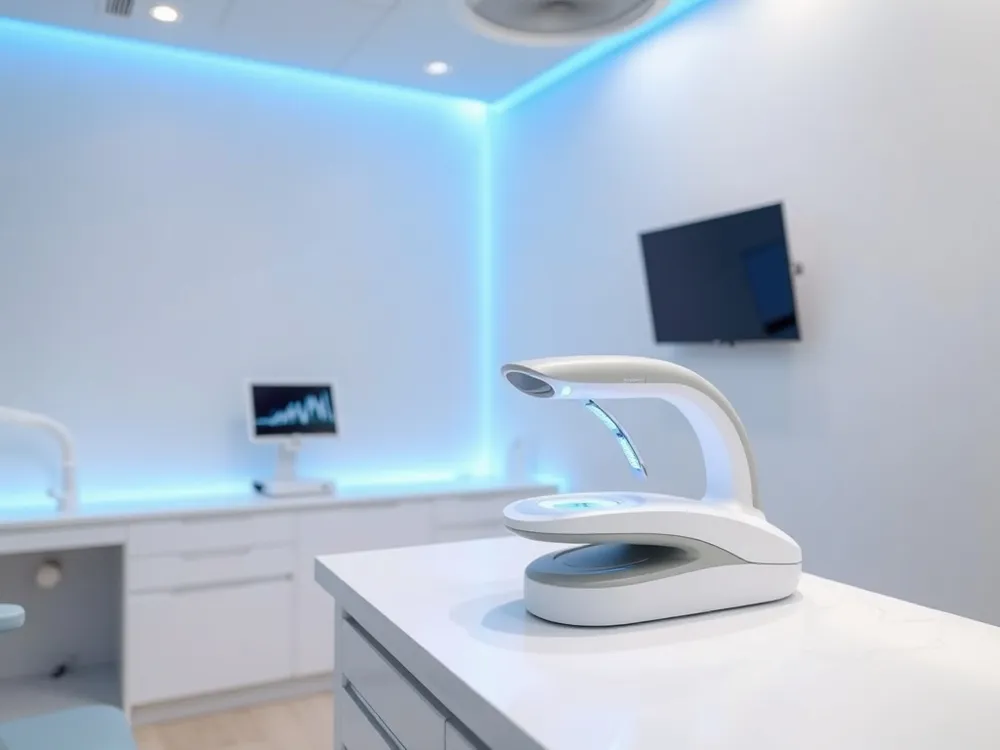
In‑office scanners capture a 3‑D image of the prepared tooth in seconds, avoiding putty, gag reflex, and distortion.
A key advancement in same‑day crowns is the replacement of traditional putty impressions with digital intra‑oral scanning. Instead of biting into a tray filled with gooey, sometimes foul‑tasting material, the dentist uses a small, handheld scanner to capture a highly accurate 3‑D image of the prepared tooth in just a few minutes. This process is significantly more comfortable for patients, as it virtually eliminates the gag reflex and the sensation of the material pressing against the gums.
The digital method also removes the risk of distortion or bubbles that can occur with conventional impression materials. This leads to a more reliable starting point for crown fabrication. One clinical study noted that intraoral digital impressions can be captured over 40% faster than traditional elastomeric impressions, while providing accuracy comparable to the reference standard used in dental laboratories.
The scan is used directly for CAD/CAM design, giving a more accurate fit than many conventional elastomeric impressions.
The precise digital model captured by the scanner is used directly by the CAD/CAM software to design the crown. This streamlined, single digital pathway reduces the potential for errors that can be introduced when pouring stone models or communicating complex shapes to an external lab. The result is a crown that fits the natural tooth more accurately, with a superior marginal seal.
A study in The Journal of Prosthetic Dentistry found that conventionally fabricated crowns can fit more precisely than some CAD-CAM crowns. However, reputable sources also state that digital impressions generally produce a fit that is highly precise and often requires fewer adjustments than restorations made from conventional impressions. This precision contributes to better long-term oral health by reducing gaps where bacteria can enter and cause secondary decay.
| Aspect | Traditional Impression | Digital Scan (CEREC) |
|---|---|---|
| Patient Experience | Messy, potential gag reflex, uncomfortable tray for several minutes | Quick, non-invasive, comfortable experience with a small scanner |
| Accuracy | Risk of distortion, bubbles, and material shrinkage | Precise 3D image with high accuracy, minimal error |
| Workflow | Physical mold sent to lab, prone to shipping delays | Direct digital file for chairside or lab fabrication |
4. Precise, marginally perfect fit
How accurate is the fit of a same‑day crown?
Same‑day crowns achieve exceptional precision through a digital workflow. After your tooth is prepared, an intra‑oral scanner creates a detailed 3‑D model. CAD/CAM software then designs the crown to match the exact contours of your tooth, and the in‑office milling machine carves the restoration from a solid ceramic block within microns of that virtual plan.
What does the research say about marginal fit?
Clinical studies confirm that the fit of same‑day crowns is comparable to lab‑made alternatives. For example, a study on lithium disilicate crowns found an average marginal gap of 115 µm, which falls within the clinically acceptable range of 50‑120 µm. This tight seal is crucial for preventing micro‑leakage, reducing the risk of future decay and gum inflammation.
Does the internal fit match lab crowns?
Research shows that the internal fit of digitally fabricated crowns—measured at the axial walls, cusp, and occlusal surface—is not significantly different from that of conventional crowns. This high level of accuracy contributes to a comfortable bite, reduces the need for post‑placement adjustments, and supports the long‑term success of the restoration.
5. Conserves more natural tooth structure
How does a digital workflow help conserve tooth structure?
One advantage of same-day crowns is the precision of their digital design. Because the CAD/CAM software can accurately reproduce thin walls, the dentist often needs to remove less enamel compared with many conventional crown techniques. This conservation of natural tooth structure can help reduce the risk of future fracture and may extend the life of the restoration.
Why does preserving more of the natural tooth matter?
Preserving more of the natural tooth is beneficial for long-term oral health. Less aggressive preparation leaves the tooth stronger, which can be especially important for maintaining its vitality and structural integrity. While traditional methods can require more removal to accommodate the fabrication process, same-day crowns allow for a more conservative approach, supporting the tooth's overall longevity. However, it's worth noting that some sources suggest traditional crowns may remove less tooth structure, so the advantage can vary depending on the case and the dentist's technique.
6. Immediate protection against decay and sensitivity
How does immediate placement reduce the risk of decay and sensitivity?
With same-day crowns, the permanent ceramic restoration is placed immediately after the tooth is prepared and milled. This seals the tooth structure right away, eliminating the vulnerable period when a temporary crown would normally be worn. Temporary crowns can be prone to micro-leakage, allowing bacteria to seep underneath and cause secondary decay. By avoiding a temporary restoration, same-day crowns provide instant protection against this risk.
What impact does this have on patient comfort?
The single-visit workflow also directly benefits patient comfort. Because the tooth is never left exposed for weeks, patients often experience significantly lower post-operative sensitivity. The precise digital design and fit of the same-day crown further helps to seal dentinal tubules, reducing typical discomfort associated with exposed tooth structure. This leads to a more comfortable and less stressful recovery period. | Feature | Temporary Crown | Same-Day Crown | | --- | --- | --- | | Protection timeline | 2–3 weeks (window of vulnerability) | Immediate (sealed same day) | | Risk of micro-leakage | Higher (can allow bacteria ingress) | Lower (permanent seal) | | Post-operative sensitivity | Higher (8% report hypersensitivity) | Lower (tooth is quickly sealed) |
7. High‑strength, natural‑looking ceramic material
What materials are used for same‑day crowns and how strong are they?
Same‑day crowns are milled from solid blocks of advanced ceramic materials, primarily lithium disilicate and zirconia. These high‑strength ceramics closely mimic the natural translucency and color of tooth enamel, providing a lifelike aesthetic that blends seamlessly with surrounding teeth. Zirconia is particularly valued for its exceptional fracture resistance, making it suitable for the high bite forces of back molars, while lithium disilicate offers a balance of strength and natural appearance for front and posterior teeth alike.
How durable and long‑lasting are these ceramic crowns?
These materials are engineered to resist normal chewing forces, chips, and cracks with proper oral hygiene. Contemporary studies report five‑year survival rates exceeding 95%, and a well‑cared‑for same‑day ceramic crown can last 10 to 15 years or longer, matching the longevity of many traditional lab‑fabricated crowns. The precise digital fit also reduces stress on the material, contributing to its long‑term reliability.
Do these crowns resist staining and wear?
Yes. The ceramic blocks used for same‑day milling are stain‑resistant, maintaining their tooth‑colored appearance over time. Unlike some temporary or resin‑based restorations, these materials do not easily discolor from coffee, tea, or common foods, ensuring a consistently natural look. Their smooth, hard surface also resists plaque accumulation, supporting better gum health around the restoration. This combination of strength, aesthetics, and stain resistance makes same‑day ceramic crowns a practical and attractive solution for restoring damaged or decayed teeth in a single visit.
8. Time‑saving for busy lives
The immediate placement of the permanent restoration means patients leave the office with a fully functional bite, clear speech, and a natural-looking smile. This avoids the inconvenience of wearing a temporary crown, which can feel bulky, become dislodged, or require adjustment appointments, providing a seamless return to daily activities.
| Feature | Same-Day Crowns | Traditional Crowns |
|---|---|---|
| Total Appointments | One | Two or more |
| Temporary Crown? | No | Yes (2–3 weeks) |
| Return to Normal Function | Same day | After final placement |
| Daily Life Impact | Minimal | Scheduling hassles |
9. Potential cost advantages
How does the cost of same‑day crowns compare to traditional crowns?
The cost of the crown material itself is often similar, yet the overall expense can be lower for a same‑day procedure. This is because same‑day crowns eliminate several separate charges that are typical of the traditional approach.
What fees are eliminated with a same‑day crown?
The traditional process includes fees for the external dental laboratory and the materials and labor for a temporary crown. A same‑day crown removes these costs entirely, along with the expense of a second appointment for final placement.
Does insurance cover same‑day crowns?
Most dental insurance plans cover same‑day crowns in the same way they cover traditional crowns. Because the treatment consolidates the procedure into one visit, patients can also save on indirect costs, such as taking less time off work or arranging transportation fewer times, which adds to the financial benefit. This makes the single-visit option a cost-effective choice for many.
| Cost Factor | Traditional Crown | Same‑Day Crown |
|---|---|---|
| Lab Fabrication Fee | Included | Not applicable |
| Temporary Crown | Included | Not needed |
| Number of Appointments | Two (or more) | One |
| Indirect Costs (time off, travel) | Higher | Lower |
| Insurance Coverage | Typically covered | Typically covered |
Understanding the 50‑40‑30 rule in dentistry
What is the 50‑40‑30 rule in dentistry?
The 50‑40‑30 rule is a guideline used during smile design to create balanced, natural-looking proportions for the upper front teeth. When viewed from the front, the width of each tooth should be a specific percentage of its length:
- Central incisors: width = 50 % of length
- Lateral incisors: width = 40 % of length
- Canines: width = 30 % of length
Adhering to this ratio helps ensure that the teeth appear neither too square nor too narrow, contributing to a harmonious overall smile.
How is it used for crowns and veneers?
Dentists apply the 50‑40‑30 rule during cosmetic planning for crowns, veneers, and smile makeovers. By analyzing the proportions before treatment, they can design restorations that align with the rule’s ideal ratios. While the rule provides a helpful starting point, final adjustments are often made based on your facial features, gum line, and personal preferences. This tailored approach ensures the final restorations blend seamlessly with your unique smile while still following a time-tested aesthetic principle.
| Tooth Type | Ideal Width‑to‑Length Ratio | Purpose in Smile Design |
|---|---|---|
| Central Incisors | 50 % | Anchor the smile; balanced shape creates harmony |
| Lateral Incisors | 40 % | Transition from centrals to canines; softer look |
| Canines | 30 % | Frame the arch; strong, stable corner of the smile |
Which crown type is the healthiest?
What is the healthiest type of crown? The healthiest crown option is an all‑ceramic crown, such as porcelain or zirconia. These crowns are completely metal‑free, eliminating any risk of allergic reactions or toxicity associated with metal-based crowns. This biocompatibility makes them an excellent choice for patients with metal sensitivities or concerns about long-term material safety in the body. Their natural translucency allows them to blend seamlessly with surrounding teeth, providing superior aesthetics without compromising health.
How do all‑ceramic crowns benefit gum health? The smooth, non‑porous surface of porcelain and zirconia resists plaque accumulation and bacterial adhesion, promoting healthier gums and reducing the risk of inflammation around the restoration. Unlike metal or porcelain‑fused‑to‑metal (PFM) crowns, which can sometimes cause a grayish discoloration at the gum line, all‑ceramic crowns maintain a natural appearance that mimics tooth enamel. Furthermore, because ceramic is a poor conductor of heat and cold, these crowns significantly reduce temperature sensitivity, making everyday eating and drinking more comfortable compared to metal-based restorations. Their wear characteristics are similar to natural enamel, protecting opposing teeth from excessive abrasion and preserving overall dental health.
| Crown Type | Biocompatibility & Allergy Risk | Gum Health | Temperature Sensitivity | Aesthetics |
|---|---|---|---|---|
| All‑Ceramic (Porcelain/Zirconia) | Excellent – metal‑free, no allergy risk | High – smooth surface resists plaque | Low – natural insulator | Excellent – mimics natural enamel |
| Porcelain‑Fused‑to‑Metal (PFM) | Moderate – metal core may cause allergy | Moderate – metal can show at gumline | Moderate – metal conducts temperature | Good – but metal can cause dark line |
| Gold/Metal | Low – possible metal allergies | Moderate | High – conducts temperature | Poor – unnatural color |
| Resin | Moderate – may wear over time | Moderate – can stain | Moderate | Moderate – less natural |
Why are all‑ceramic crowns the healthiest choice overall? For patients prioritizing overall oral health, an all‑ceramic crown delivers the ideal combination of strength, beauty, and safety. The material’s compatibility with gum tissue, absence of metal ions, and natural thermal insulation make it the healthiest restoration available. While gold crowns are incredibly durable, their metal content and poor aesthetics make them less suitable for health-conscious patients. By providing a restoration that works in harmony with the body’s biology, all‑ceramic crowns support long‑term oral wellness without compromise.
Types of crowns and their price ranges
What are the different types of dental crowns and their costs?
Choosing the right dental crown depends on your needs, budget, and treatment goals. Here’s a breakdown of common crown types and their general costs.
Metal crowns (made from gold or base-metal alloys) are the most durable option. They withstand heavy chewing forces and rarely chip or break, making them ideal for back molars. However, their metallic color is their main drawback. They are typically the least expensive type of crown.
Porcelain-fused-to-metal (PFM) crowns offer a blend of strength and aesthetics. A metal base provides durability, while a porcelain layer matches the color of surrounding teeth. They are a popular, mid-range choice for both front and back teeth, though the underlying metal may show as a dark line at the gum line over time.
All-porcelain crowns provide the most natural appearance, mimicking the translucency and light reflection of real enamel. They are often preferred for front teeth restorations. Due to their advanced materials and aesthetic quality, they tend to be more expensive than metal or PFM options.
Gold crowns are a type of metal crown prized for their exceptional fit and longevity. They are highly biocompatible and wear down slowly, often matching the lifespan of natural teeth. Their high cost reflects the material’s value and superior durability.
| Crown Type | Key Features | Typical Cost Range (per tooth) | Best For |
|---|---|---|---|
| Metal (Gold/Base-Metal) | Most durable, metallic color, long-lasting | $800 – $1,500 | Back molars with heavy bite forces |
| Porcelain-Fused-to-Metal (PFM) | Combines metal strength with tooth-colored porcelain | $800 – $1,700 | General use: back & front teeth |
| All-Porcelain | Best appearance, natural translucency, metal-free | $1,200 – $2,500+ | Visible front teeth |
| Gold | Premium durability, excellent fit, biocompatible | $1,000 – $2,500+ | High-stress areas, patients seeking longevity |
Alternatives when a crown isn’t needed
What are alternatives to dental crowns?
If a tooth's damage is minor or localized, a full crown may be overly invasive. Several alternatives can preserve more natural tooth structure while providing effective restoration.
Onlays are a conservative option when damage affects one or two cusps. Also called "three-quarter crowns," they cover the tooth's biting surface and sides but leave more healthy enamel intact than a full crown. This makes them a strong, tooth-preserving choice for moderate decay or cracks.
Veneers are thin porcelain shells bonded to the front of teeth, primarily for cosmetic improvements like discoloration, chips, or gaps. While aesthetic, they offer less structural reinforcement and are not suitable for teeth with significant damage or decay.
Dental fillings are the least invasive option for minor cavities or small cracks. Composite resin fillings can restore function quickly but are less durable than crowns, more prone to cracking over time, and may not protect weakened teeth from further fracture. Your dentist will assess the extent of the damage to recommend the most appropriate solution. | Alternative | Best For | Preservation of Tooth Structure | Durability | |------------|----------|----------------------------------|------------| | Onlay | Moderate decay, cracks affecting one or two cusps | High – leaves more enamel intact | High | | Veneer | Cosmetic improvements (discoloration, chips, gaps) | High – only front surface altered | Moderate | | Filling | Minor cavities or small cracks | Highest – minimal removal | Lower – more prone to cracking |
What exactly is a CEREC crown?
What is a CEREC crown and how does the single-visit process work?
A same‑day CEREC crowns is a same-day dental restoration created using advanced CAD/CAM technology. The acronym stands for Chairside Economical Restoration of Esthetic Ceramic. Instead of relying on an external dental lab, your dentist can design, mill, and place the permanent crown in a single appointment.
What happens during a CEREC crown procedure?
After preparing your tooth, the dentist uses a digital intraoral scanner to capture a precise 3D image instead of messy putty impressions. This digital model is sent to specialized computer software where the crown is designed. The design is then transmitted to an in-office milling machine, which carves the crown from a single block of high-strength ceramic in about 15-30 minutes. After milling, the crown is immediately bonded to your tooth.
What are the advantages of this approach?
This streamlined workflow eliminates the need for a temporary crown and a second office visit, making it a convenient choice. The permanent restoration is placed the same day, providing immediate protection and function. The single block of ceramic used often results in a durable and aesthetically natural-looking crown that can last 10-15 years with proper care, comparable to traditional lab-fabricated crowns.
Instant crowns: the same‑day solution
What is an instant dental crown?
An instant dental crown is the same as a same‑day crown. It is a custom-made ceramic restoration that is created and placed in a single dental visit. Unlike traditional crowns, instant crowns avoid the weeks-long wait for an off-site dental laboratory. The entire process—from preparation to final placement—is completed within just one appointment.
How Instant Crowns Eliminate the Wait
The technology behind instant crowns, such as the CEREC system, uses computer-aided design and manufacturing (CAD/CAM). After the tooth is prepared, the dentist takes a digital scan with a small intra-oral camera. This scan replaces the traditional messy impression material. The digital model is then used to design the crown on a computer. An in-office milling machine carves the crown from a solid block of high-quality ceramic. This on‑site fabrication means the temporary crown phase is completely eliminated. Patients avoid the discomfort, potential for dislodgement, and extra appointment associated with wearing a temporary restoration. The permanent crown is milled, tried in, adjusted if needed, and bonded all in the same visit. This streamlined workflow allows patients to leave with a fully restored, natural-looking tooth in just a few hours.
| Feature | Instant (Same‑Day Crown) | Traditional Lab Crown |
|---|---|---|
| Number of Visits | One single appointment | Two or more appointments |
| Temporary Crown | Not required | Required for 2-3 weeks |
| Laboratory Step | On‑site milling (no external lab) | Off-site lab fabrication required |
| Impression Method | Digital intra‑oral scanning | Traditional putty impressions |
| Time to Completion | A few hours (e.g., 60‑90 minutes) | 2-3 weeks |
Are same‑day crowns truly on par with traditional crowns?
Are same‑day crowns as good as traditional crowns?
Same‑day crowns have proven to be an excellent choice for many patients, offering remarkable aesthetics, strength, and a precise fit. Made from high-strength ceramics like lithium disilicate or zirconia, they are milled with incredible accuracy from digital impressions, often matching or exceeding the fit of lab-made restorations. Their convenience is unmatched, as the entire restoration is completed in a single visit.
However, traditional lab-fabricated crowns still hold a distinct advantage in specific situations. Clinical studies indicate that conventional crowns can provide a more precise internal fit, particularly for complex sub‑gingival margins. For heavily loaded posterior teeth, traditional porcelain‑fused‑to‑metal crowns often offer superior durability. The choice depends on your unique dental needs.
| Feature | Same-Day Crowns | Traditional Crowns | Best For |
|---|---|---|---|
| Aesthetics | Excellent; natural tooth translucency | Excellent; custom layering possible | Highly visible front teeth |
| Strength | Very good; high-strength ceramics | Superior; metal-reinforced options | Back molars under high bite force |
| Fit | Precise; digital accuracy | Proven accuracy; better for sub‑gingival | Complex preparations |
| Convenience | Single visit, no temporary crown | Two visits; temporary crown required | Patients with limited time |
| Durability | 10–15 years or more | 15+ years; proven longevity | Long-term solution needed |
With over 40 years of experience, our practice can guide you to the option that ensures long‑term success and comfort.
Choosing wisely: who might not be a candidate for same‑day crowns?
Why are same‑day crowns not suitable for everyone?
While same‑day crowns offer impressive convenience, they are not the best choice for every patient. The digital 3D scanners used for same‑day crowns may sometimes miss fine details, such as a fracture that extends below the gumline or areas of extensive decay. These hidden issues are often better captured by traditional physical impressions, which can lead to a more precise fit for complex cases. A crown that does not fit perfectly can compromise its stability, comfort, and long-term success.
When might all‑ceramic material be a limitation?
Another key consideration is the material itself. Same‑day crowns are milled from a single block of ceramic. While strong and aesthetic, this material may not offer the same level of durability as traditional crowns that incorporate metal, such as porcelain‑fused‑to‑metal (PFM) or gold alloys. For patients who have a heavy bite or who grind their teeth, the all‑ceramic material might be more prone to chipping or fracture over time. In such high‑bite‑force situations, a lab‑fabricated crown can provide the extra strength needed for long-term success. A thorough evaluation by your dentist will determine if the benefits of same‑day crowns outweigh these potential drawbacks in your specific case.|<br>|Consideration|Limitation of Same‑Day Crowns|When Traditional Crowns May Be Better| |---|---|---| |Imaging and fit|Digital scanners can miss sub‑gumline fractures or deep decay|Traditional impressions capture more detail for complex tooth damage| |Material strength|All‑ceramic may be less durable under high bite forces|Metal‑based crowns (PFM, gold) offer superior strength for heavy chewing|
Cost considerations: same‑day vs. traditional crowns
Are same‑day crowns more expensive than traditional crowns?
The overall cost of a dental crown is influenced by more than just the fee for the restoration itself. Same‑day crowns often present a more cost‑effective option because the process eliminates two significant expenses: external laboratory fabrication fees and the cost of creating and placing a temporary crown. Since the entire procedure is completed in a single visit, patients also avoid the need for additional appointments, which can each carry their own charges.
While the base price for both same‑day and traditional crowns generally falls within a similar range of $1,000 to $3,500, the final out‑of‑pocket expense can differ. The price of a same‑day crown is often comparable to or slightly lower than that of a traditional crown, largely due to the savings on lab fees. A traditional crown, by contrast, requires a two‑step process that includes the cost of a temporary crown and a separate payment for the lab to fabricate the permanent restoration, which can drive up the total.
| Factor | Same‑Day Crowns | Traditional Crowns |
|---|---|---|
| Lab Fees | Eliminated; crown is milled in‑office | Included; external lab fabrication adds cost |
| Temporary Crown | Not needed | Required; adds material and chair‑time cost |
| Number of Visits | One visit | Two or more visits add appointment fees |
| Typical Price Range | $1,000 – $3,500 | $1,000 – $3,500 |
| Insurance Coverage | Often covered similarly, but varies by plan | Often covered similarly, but varies by plan |
Check with your provider for specific costs
Insurance coverage for both types of crowns is often similar, but it is not guaranteed to be identical. Some dental plans may have specific benefits or restrictions for crowns made with newer digital technology, or they might only cover a certain percentage of the procedure. To understand your financial responsibility, it is always wise to confirm coverage details with your insurance provider and discuss all costs, including any potential fees for additional visits with a traditional crown, with your dentist’s office beforehand.
In‑office fabrication: quality and reliability
Do dentists fabricate crowns in‑office?
Yes, many dentists can now design and create permanent crowns in a single visit using advanced CAD/CAM technology. This process begins with a digital scan of the prepared tooth, replacing traditional putty impressions. The dentist then uses specialized software to design the crown, which is carved from a solid block of high-strength ceramic by an on-site milling machine. The entire procedure, from preparation to placement, is often completed in less than two hours, eliminating the need for a temporary crown and a second appointment.
Are in‑office made crowns of good quality?
Clinical research shows that in‑office crowns offer excellent quality and durability. Studies document survival rates between 92.9% over 10 years and 98% over 5 years, which are comparable to traditional crowns-fabricated restorations. The strength and precision achieved with modern ceramics and digital workflows produce a restoration that fits accurately and withstands normal chewing forces. While some complex cases may still benefit from a lab-made crown, same-day crowns are a reliable, high-quality option for most patients, delivering both function and aesthetics in a single visit.
Your smile, streamlined
Same-Day Crowns: Speed Meets Precision
Same-day crowns use advanced CEREC (Chairside Economical Restoration of Esthetic Ceramics) technology to deliver a permanent, custom-fitted crown in a single appointment. The process begins with a precise digital scan of your tooth, eliminating the need for messy impression materials and their associated discomfort. This scan creates a 3D model, which is used to design and then mill a high-quality ceramic restoration while you wait.
Expert Care in Paterson, NJ
Our practice in Paterson, NJ, combines over 40 years of professional experience with state-of-the-art CEREC technology. This allows us to provide high-quality, same-day crowns that are both durable and natural-looking. We are committed to compassionate, patient-centered care, and our multilingual team ensures clear communication and a comfortable experience for every patient.
Expertise and Technology Combined
By blending our long-standing clinical expertise with the precision of digital dentistry, we offer a streamlined crown experience. This approach saves you time by eliminating the need for a temporary crown and a second appointment, allowing you to enjoy a fully restored smile—and the confidence that comes with it—all in one visit. We are dedicated to your well-being and trust, from diagnosis to final placement.