Why Speed Matters in Dental Trauma
Impact of delayed treatment on infection risk
When a tooth fractures, the inner pulp and dentin become exposed to oral bacteria. If not sealed quickly, bacteria can infiltrate the tooth within hours, leading to infection, abscess formation, and the possible need for root canal therapy. Prompt treatment closes this pathway, significantly reducing the risk of serious complications.
Benefits of same‑day restoration for pain and function
Same‑day restoration immediately covers exposed nerve endings and sharp edges, providing relief from pain and sensitivity. It also restores the tooth’s structural integrity, allowing patients to chew and speak normally. For busy individuals, this means returning to work or school before the end of the day, often before lunch.
Role of modern technology in rapid repairs
CAD/CAM systems and intra‑oral scanners allow dentists to design, mill, and place permanent crowns in a single appointment. Digital X‑rays enable quick, accurate diagnosis. These tools eliminate the need for temporary restorations and multiple visits, making same‑day repair both efficient and reliable.
| Factor | Delayed Treatment | Same‑Day Repair |
|---|---|---|
| Infection risk | High after hours | Drastically reduced |
| Pain duration | Prolonged | Immediate relief |
| Number of visits | 2–3 or more | 1 visit |
| Technology needed | Basic exam | CAD/CAM, digital scanner |
| Patient return to function | After days | Same day |
Understanding Dental Emergencies
What is considered a dental emergency?
A dental emergency is any problem involving your teeth or gums that requires immediate attention to prevent further damage. It includes uncontrolled bleeding, severe pain, a broken or knocked‑out tooth, a partially dislodged tooth, a dental abscess with facial swelling, or a lost or broken filling or crown. Even deep cuts to the lip or gum qualify. Prompt care can save the tooth, prevent infection, and avoid long‑term complications.
What are some common examples of dental emergencies?
Typical emergencies are severe toothaches, avulsed (knocked‑out) teeth, cracked or broken teeth, dental abscesses, uncontrolled bleeding, and lost restorations such as fillings or crowns. Traumatic injuries like tooth luxation (displacement) and fractures are frequent, as are post‑procedural complications that cause intense pain. The American Dental Association defines emergencies as conditions that threaten life, cause severe pain, or could lead to infection or loss of function if not treated promptly.
Is a broken tooth always a dental emergency, especially if it doesn’t hurt?
Not every broken tooth is a true emergency. A genuine emergency involves severe pain, heavy bleeding, or tooth loss that needs same‑day care. A painless crack or small chip may not require immediate treatment, but it still warrants prompt evaluation because it can worsen or become infected over time. Rinse the mouth, avoid chewing on that side, and schedule a dental visit soon to prevent complications.
Broken Tooth: Emergency or Not?
How do I know if a broken tooth is an emergency?
A broken tooth is a dental emergency if you have severe pain, bleeding, or a large fragment is missing. A tooth that is knocked out completely is a time-sensitive emergency. Immediate care is also needed if the break exposes the nerve, causing sharp pain when breathing or drinking. Minor chips without pain or bleeding can often wait a day, but should still be evaluated promptly to prevent further damage.
When should I seek same‑day care?
Seek same‑day care if you experience persistent pain, swelling, or bleeding. A broken tooth will not heal on its own and can worsen quickly. Prompt treatment reduces the risk of bacterial infection and pulp damage. Many dental offices can see you within hours, allowing you to return to work or school the same day.
Can a dentist fix a broken tooth the same day?
Yes. Minor chips are often repaired with composite bonding in 30‑45 minutes. For larger breaks, CAD/CAM technology allows the office to design and mill a permanent crown or onlay and place it within 60‑90 minutes. If the pulp is exposed, a same‑day root canal may be performed followed by a temporary crown. Prompt treatment reduces pain, sensitivity, and the risk of infection.
What local options are available for urgent treatment?
In Paterson, NJ, several dental offices offer same‑day emergency appointments. Practices like Smile Central Dental and NÜVA Smile provide multilingual care (English, Spanish, Arabic) and use state‑of‑the‑art technology for same‑day crowns and bonding. Many accept walk‑ins and offer flexible financing. In Buffalo, NY, clinics like Priority Emergency Dental Care provide 24/7 phone support and same‑day appointments for broken teeth.
| Symptom | Action | Timeframe |
|---|---|---|
| Severe pain, bleeding, or knocked‑out tooth | Seek emergency care immediately | Within 30‑60 minutes |
| Moderate pain, visible crack, no bleeding | Schedule same‑day appointment | Within 24 hours |
| Minor chip, no pain | Routine dental visit | Within 1‑2 weeks |
| Exposed pulp, temperature sensitivity | Emergency root canal may be needed | Within 2 weeks |
Same‑Day Repair Options and Temporary Measures
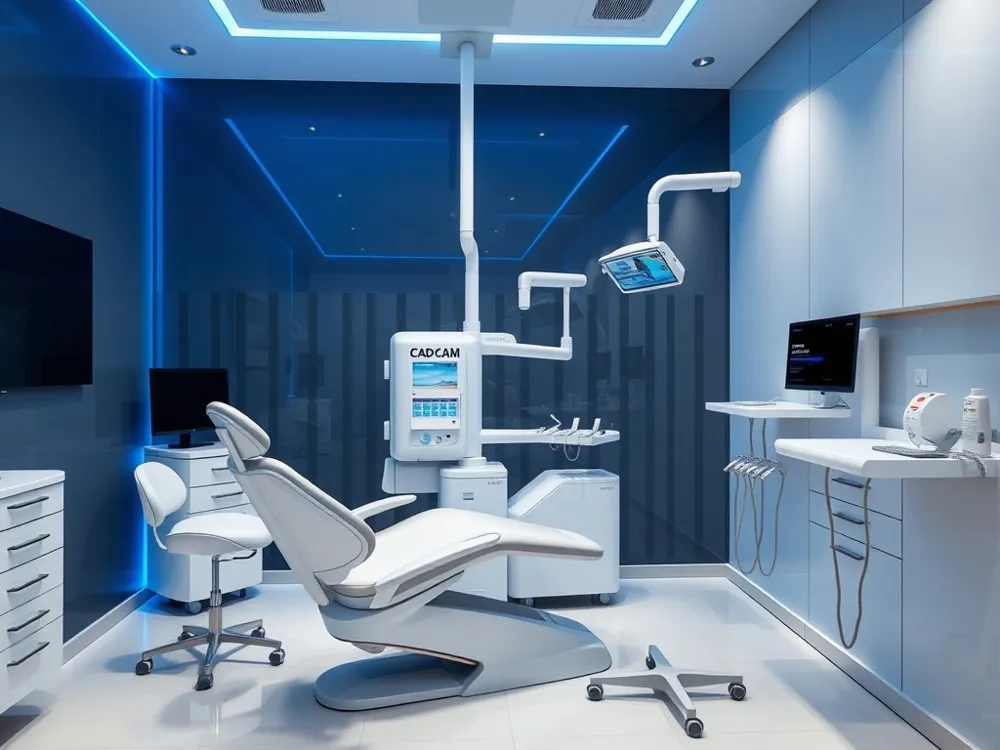 Modern dentistry offers several same‑day solutions for a broken or chipped tooth. The best choice depends on the size of the fracture, its location, and whether the tooth pulp is exposed.
Is there a way to fix a broken tooth at home without seeing a dentist?
No permanent at‑home fix exists. You can use temporary measures such as dental wax, over‑the‑counter temporary filling kits, warm salt‑water rinses, and cold compresses to protect the tooth and ease discomfort. Natural remedies like clove oil may help with pain, but they are only short‑term. A professional restoration—bonding, a crown, or root canal—is needed for a lasting solution. Using glue or other home adhesives can cause further damage and infection.
What can I do temporarily for a broken tooth until I see a dentist?
Gently rinse the mouth with warm salt water, apply a cold compress to reduce swelling, and use a dental‑grade temporary cement or over‑the‑counter filling material to cover sharp edges. Avoid chewing on the affected side, eat soft foods, and keep the area clean. If a fragment is available, keep it in milk or saliva. These steps protect the tooth and lessen pain until professional care is obtained.
How can I protect a broken tooth while eating?
Chew on the opposite side of your mouth, cut food into small pieces, and eat slowly. Avoid very hard, sticky, or crunchy foods (e.g., nuts, ice, hard candy) and extreme temperatures that can trigger sensitivity. Soft foods like yogurt, mashed potatoes, and smoothies are safest for the first 24‑48 hours after injury.
Dental bonding and composite fillings
For minor chips or cracks, dental bonding is a quick, single‑visit solution. The dentist applies a tooth‑colored composite resin to the damaged area, shapes it to match the natural tooth, and hardens it with a curing light. The procedure typically takes 30–60 minutes and requires little to no anesthesia. Bonding is an affordable, conservative option that restores both function and appearance.
In-office CAD/CAM crowns and onlays
For larger fractures where a bonding is insufficient, same‑day CAD/CAM technology (like CEREC) allows the dentist to design and mill a permanent porcelain crown or onlay in the office. After a digital scan of the tooth, a custom restoration is fabricated while the patient waits—usually within 60–90 minutes. This eliminates the need for a temporary crown and a second appointment.
Temporary fixes before definitive care
If immediate definitive restoration is not possible, the dentist may place a temporary filling or provisional crown to protect the tooth, reduce sensitivity, and prevent infection until a permanent solution is ready. Sedation options are available for anxious patients, and multilingual teams (English, Spanish, Arabic) help ensure clear communication of after‑care instructions.
| Treatment | Best for | Time Frame | Notes |
|---|---|---|---|
| Dental bonding / composite filling | Minor chips, small cracks | 30–60 minutes | Affordable, natural appearance, can be repaired if chipped |
| CAD/CAM crown (same‑day) | Larger fractures, weakened teeth | 60–90 minutes (milling) | Permanent, durable (porcelain or zirconia), single visit |
| Temporary filling / crown | Protection until definitive care | 15–30 minutes | Short‑term solution, prevents infection and further damage |
| Home remedies (dental wax, OTC cement) | Pain relief, edge protection | As needed | Not a permanent fix; must seek professional care |
Prompt professional evaluation is essential. Same‑day emergency services at practices in Paterson, NJ and Buffalo, NY ensure you can receive treatment before lunch and return to your daily activities with a restored smile.
Financial & Access Considerations
Stay calm; many dental practices, including ours in Paterson, NJ, are committed to helping uninsured patients. Ask about affordable pathways such as payment plans, sliding‑scale fees, or health‑care credit lines like CareCredit. You can also explore free or reduced‑cost clinics, Medicaid, and volunteer dental events. Dental schools provide supervised care at lower costs. Our compassionate, multilingual team (English, Spanish, Arabic) will help you find a solution without judgment.
Are there dentists in Paterson, NJ that accept Medicaid and provide 24‑hour emergency care?
Yes. Practices such as NÜVA Smile and David M.ayer DMD offer 24‑hour answering services, same‑day appointments, and accept Medicaid. Their multilingual staff ensures clear communication during emergencies. Other local offices also provide urgent care for Medicaid patients. Call ahead to confirm availability for your specific plan.
| Option | Description | Key Benefit |
|---|---|---|
| Payment Plans | Monthly installments | Manages upfront costs |
| CareCredit | Health‑care credit card | Flexible financing |
| Medicaid | Government insurance | Covers many procedures |
| Dental Schools | Supervised student care | Lower cost |
| Sliding‑Scale Fees | Income‑based pricing | Reduces financial barrier |
After‑Care and Long‑Term Outlook
How Long Can You Wait to Fix a Broken Tooth?
A broken tooth will not heal on its own. Minor chips should be repaired within 24–48 hours. For fractures needing a crown, a delay of up to a week is often acceptable, but waiting longer raises the risk of bacterial contamination and pulp exposure. If pulp is involved, emergency root canal therapy is usually required within two weeks; beyond a month, extraction and implant placement become more likely.
Post‑Repair Diet and Oral Hygiene
After a same‑day repair, avoid hard, sticky, or crunchy foods for 24–48 hours. Choose soft foods such as yogurt, mashed potatoes, and smoothies. Rinse gently with warm salt water and brush carefully around the treated tooth. The 3‑3‑3 rule can manage pain: take 600 mg of ibuprofen (three 200 mg tablets) three times a day for up to three days while you arrange a follow‑up. If symptoms persist beyond three days or swelling develops, seek care immediately.
Follow‑Up Appointments and Monitoring
Schedule a follow‑up within one week to check the restoration’s stability and bite. Your dentist may take X‑rays and assess for infection. Early monitoring reduces the risk of long‑term complications and ensures the tooth remains functional.
Preventive Measures to Avoid Future Injuries
Wear a custom mouthguard during sports, avoid chewing ice or hard candies, and address teeth grinding with a night guard. Regular dental check‑ups catch early cracks and weak spots, helping to prevent future fractures.
Key Takeaways
Same‑day dental technology makes lunch‑time repairs feasible
Modern CAD/CAM systems allow dentists to design and mill permanent crowns, onlays, or veneers in the office. This technology, combined with dental bonding, can often restore a broken tooth in 30–90 minutes, making it possible to receive treatment before lunch.
Identify true emergencies and act quickly
A broken tooth is a dental emergency if it causes severe pain, bleeding, or exposes the pulp. Prompt treatment—ideally within hours—reduces the risk of infection and the need for root canal therapy. Call your dentist immediately for a same‑day appointment.
Temporary home care can protect the tooth until professional treatment
While waiting for your appointment, rinse with warm salt water, apply a cold compress to reduce swelling, and cover sharp edges with dental wax or sugar‑free gum. Avoid chewing on the affected side and stick to soft foods.
Financial options and Medicaid coverage are available in Paterson, NJ
Many Paterson dental offices accept Medicaid and offer flexible financing plans. This ensures that urgent same‑day repairs remain accessible regardless of insurance status.
Follow‑up care and proper oral hygiene ensure long‑term success
After a same‑day repair, avoid hard foods for 24–48 hours and maintain gentle brushing and flossing. Attend any scheduled follow‑up appointments to confirm the restoration is stable and to address any lingering sensitivity.