Understanding the Importance of Prompt Dental Emergency Care
Prevalence of Dental Emergencies in the US
Each year, approximately 2 million people visit emergency departments in the United States due to nontraumatic dental issues. These visits make up about 1.5% of all emergency department cases. Dental emergencies are common and can affect individuals of all ages, highlighting the need for accessible urgent dental care nationwide.
Common Dental Emergencies and Symptoms
Typical dental emergencies include severe toothaches, knocked-out or chipped teeth, lost fillings or crowns, gum infections, abscesses, and injuries to the mouth. Symptoms often involve intense pain, bleeding, swelling, difficulty eating, or speaking. Recognizing these signs early is crucial for timely intervention.
The Critical Need for Immediate Treatment
Seeking prompt dental care is essential to relieve pain, prevent further damage, and increase the likelihood of saving affected teeth. Immediate professional attention helps avoid complications such as infections, tissue damage, or the need for more invasive and costly procedures. Same-day dental services are vital for managing emergencies effectively, minimizing stress and disruption for patients.
How Same-Day Dental Services Transform Emergency Care
What types of emergency dental treatments are commonly available at full-service dental practices?
Full-service dental practices commonly provide a range of emergency treatments available on the same day. These treatments include managing severe tooth pain treatment through immediate pain relief and addressing infections or abscesses that may cause swelling or difficulty with eating and speaking. Repairing or replacing chipped teeth repair, or cracked teeth, along with restoring lost fillings or crowns, are routine emergency procedures. Urgent care for knocked-out tooth care involves rinsing the tooth, keeping it moist in milk or saline, and reimplanting it if possible to save the tooth.
Other emergency services often include tooth extractions when damage or infection cannot be controlled and handling orthodontic emergencies such as broken braces or wires. Gum infection treatment and soft tissue injuries, including bleeding or trauma to the mouth, are treated promptly to prevent further complications.
Benefits of same-day appointments
Same-day emergency dentistry enables patients to receive rapid diagnosis and treatment without waiting for multiple visits. This immediacy reduces pain and discomfort quickly and helps prevent minor dental emergencies from escalating into more serious, costly problems. Immediate treatment also lowers anxiety and stress by providing quick relief and guidance.
Technological advancements enabling rapid diagnoses and treatments
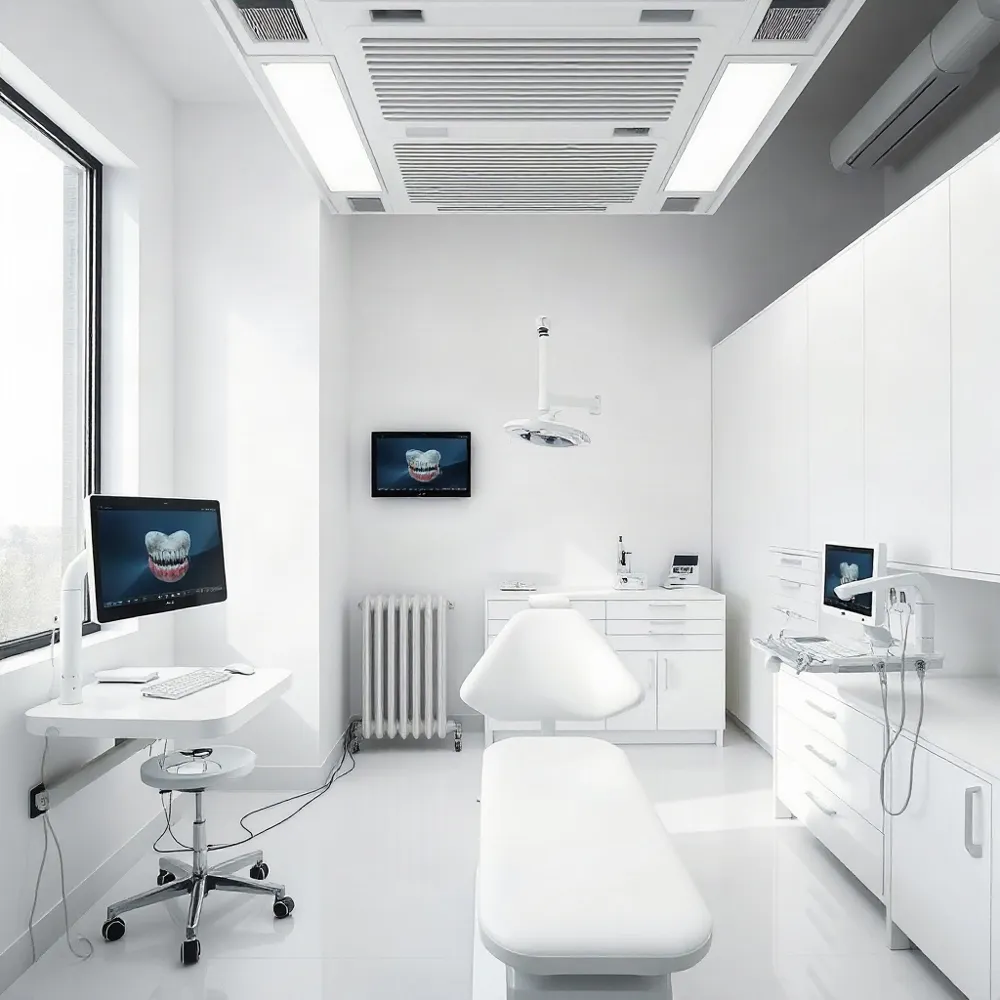
Modern technology such as intraoral cameras and digital X-rays, and CAD/CAM technology in dentistry facilitates fast and precise evaluation of dental issues. These tools allow dentists to diagnose problems accurately and deliver restorations such as crowns or fillings in a single visit.
Convenience and reduced disruption for busy adults
Same-day dental care significantly reduces time away from work or daily responsibilities, which is especially beneficial for working adults. Access to emergency appointment slots and extended office hours ensures urgent care fits into busy schedules, minimizing disruptions.
Common emergency treatments available on the same day
Treatments that can be provided during a same-day emergency appointment include toothache pain management, repair of chipped or broken teeth, reattachment or replacement of crowns and fillings, emergency extractions, and care for knocked-out teeth. Dentists also manage swelling and infections with drainage or medication as needed.
| Topic | Details | Patient Benefit |
|---|---|---|
| Emergency treatments | Pain relief, crowns, fillings, extractions, reimplantation of knocked-out teeth | Quick restoration of oral health |
| Same-day appointment benefits | Immediate care, reduced pain, prevents escalation | Saves time, lowers anxiety |
| Technology | Digital X-rays, intraoral cameras, CAD/CAM technology in dentistry for rapid diagnostics and appliance fabrication | Accurate, efficient, comfortable treatment |
| Convenience for adults | Flexible scheduling, extended hours | Minimizes work and lifestyle disruption |
The Role of Advanced Technology in Enhancing Same-Day Emergency Dentistry
How does state-of-the-art technology improve dental treatment outcomes?
State-of-the-art dental technology significantly improves treatment outcomes by enhancing diagnostic accuracy and enabling more precise planning. Tools such as Advanced X-ray techniques for dentistry and Intraoral cameras and digital X-rays provide clearer, real-time images with minimal radiation exposure. This allows for faster, more accurate detection of dental problems like cavities, fractures, or infections.
Use of digital X-rays, intraoral cameras, and CAD/CAM technology
Intraoral cameras and digital X-rays enable dentists to identify issues immediately during emergency visits. CAD/CAM technology in dentistry further enhances treatment by allowing dentists to design, mill, and place restorations like crowns in a single appointment. This streamlines the process, reducing the number of visits and eliminating the need for temporary restorations.
Impact on diagnostic accuracy and treatment precision
Advanced imaging improves diagnostic precision, ensuring that the underlying problem is correctly identified. This precision enables targeted treatment plans, often preventing complications and reducing the risk of further damage. For example, detailed 3D scans can reveal the exact extent of a chip or crack in a tooth, allowing for an optimal restoration.
How technology reduces treatment time and discomfort
By combining digital diagnostics and in-house manufacturing, treatment times are significantly shortened. Patients receive Immediate dental care benefits, often resolving pain and dental trauma in one visit. This also reduces patient discomfort by avoiding multiple procedures and temporary fixes.
Examples of procedures enabled by technology, such as same-day crowns and implants
Same-day crowns created using CAD/CAM technology can be completed in about one to two hours. The process includes digital scanning, design, milling, and placement without the need for additional visits. Additionally, some practices now offer same day dental implants, providing immediate aesthetic and functional restoration after tooth extractions.
In summary, advanced technology plays a crucial role in Same-day emergency dentistry by improving diagnosis, speeding treatment, enhancing precision, and greatly increasing patient comfort and convenience.
Making Emergency Dental Care Accessible, Comfortable, and Inclusive
What factors contribute to making dental care accessible, comfortable, and efficient in a dental practice?
Accessible and efficient dental care begins with flexible scheduling options such as same-day emergency dentistry, weekend hours, and even 24/7 availability. These services accommodate unpredictable emergencies and busy lifestyles, ensuring patients receive prompt emergency dental care benefits when needed. Accepting a variety of insurance plans and offering financing or payment plans helps reduce financial barriers, making urgent treatment more affordable for all patients.
Comfort is enhanced through the use of sedation techniques like nitrous oxide and IV sedation, as well as distraction strategies such as music or television during procedures. These approaches are especially important since dental anxiety can affect a significant portion of patients. Advanced technologies including digital X-rays, intraoral cameras, and laser treatments also contribute to quicker, less invasive care with improved outcomes.
Comprehensive patient education on oral hygiene and preventive care reduces emergency occurrences by encouraging routine maintenance and preventive dental check-ups. Furthermore, special needs dentistry with tailored environments and personalized approaches ensures safety and comfort for patients with unique requirements.
Why is multilingual dental care important and how does it benefit patients?
Multilingual dental care bridges communication gaps by enabling patients to fully understand their diagnoses, treatment options, and aftercare instructions. This clarity fosters trust and comfort, particularly for non-English speakers, which leads to better treatment adherence and improved health outcomes.
Offering services in multiple languages also promotes inclusivity and accessibility for diverse communities, reducing hesitation to seek routine or emergency dental care. Cultural sensitivity from multilingual providers creates a welcoming and supportive environment, lowering patient anxiety and strengthening patient-provider relationships.
Ultimately, multilingual dental care underscores a practice's commitment to respectful, high-quality treatment for all individuals regardless of language, supporting equitable access and enhanced patient satisfaction. For insights on multilingual dental care in dental practice, see related resources.
Choosing a Full-Service Dental Practice for Comprehensive Adult and Family Care
What are the benefits of choosing a full-service dental practice for adult and family dental care?
Choosing a full-service dental practice offers significant advantages for adult and family dental care. First, such practices provide a wide array of services—including routine checkups, restorative treatments, and pediatric care—all located in one convenient place. This integration minimizes the need for referrals to specialists, making care more streamlined and efficient.
Continuity of care is another important benefit. Patients receive treatment from a consistent team who know their dental history well, enabling early detection and better management of potential problems. This familiarity fosters personalized care plans and strengthens the patient-provider relationship.
Moreover, full-service dental offices create a supportive environment tailored to families with diverse age groups. Scheduling appointments for all members becomes easier when all care can be provided under one roof. Children often feel more comfortable in a family-centered setting, and adults appreciate the convenience and cohesiveness of their care experience.
Overall, a full-service dental practice enhances patient satisfaction by improving accessibility, promoting preventive care, and supporting comprehensive oral health for the entire family. For more information on comprehensive dental emergency care and benefits, you can also check out Dental Emergency Care in Lafayette Louisiana.
How Dentists Decide Between Crowns, Implants, and Dentures During Emergency Dental Care
Assessment of Oral Health and Bone Structure
Dentists begin by evaluating a patient’s oral health, including the condition of remaining teeth and the bone structure supporting them. Advanced imaging such as digital imaging in dental treatment helps determine bone density and the extent of decay or damage, which strongly influences treatment options.
Uses and Advantages of Crowns for Tooth Restoration
Crowns are primarily used to restore damaged or decayed teeth during Emergency Dentistry in the US. They provide strength and protection to compromised teeth by covering them entirely. Same-day crowns created with CAD/CAM technology offer quick restoration in a single visit, minimizing patient discomfort and preventing further damage.
When Implants Are Recommended for Tooth Replacement
Dental implants are recommended when a tooth is missing or non-restorable. They involve surgically placing a titanium or zirconia post into the jawbone, which fuses through osseointegration. Implants provide a stable foundation for crowns or bridges, offering durable and natural-looking replacements especially suited to patients with sufficient bone density. This aligns with the Immediate Dental Treatment Benefits dentists strive to provide.
Situations Where Dentures Are the Best Solution
Dentures are often advised when multiple teeth or a full arch must be replaced, particularly in cases with significant bone loss or when implants aren’t feasible. They restore function and aesthetics efficiently, allowing for easier adjustment in emergencies requiring extensive tooth replacement. For patients seeking convenient access to emergency dental care, dentures can be an effective solution.
Decision-Making Process Based on Patient Needs and Preferences
The choice between crowns, implants, and dentures depends on various factors including oral health status, bone quality, emergency condition severity, aesthetic goals, and patient preferences. [Emergency dentistry in Lafayette, LA](https://www.lafayettemodern dentistry.com/dental-services/emergency-dentist/) carefully review these aspects to recommend treatments that relieve pain quickly, prevent further damage, and restore oral function effectively.