

Why a Self‑Check Matters
Regular self‑checks let you spot problems before they become serious. By looking for cracks, chips, large fillings, or persistent sensitivity, you can alert your dentist early and avoid the extensive damage that often leads to a crown. A crown acts as a full‑coverage cap, restoring shape, strength and aesthetics to a weakened tooth, protecting it from further decay, fracture or infection after procedures such as a root canal or extensive decay. However, many crowns can be prevented through simple habits: brush twice daily with fluoride toothpaste, floss daily, use an ADA‑approved rinse, and schedule professional cleanings twice a year. Stay away from hard or sticky foods that can chip or loosen a tooth, and consider a night guard if you grind. These preventive steps preserve natural tooth structure, reduce the need for crowns, and keep your smile healthy and comfortable throughout life.
Quick Self‑Check: Signs You Might Need a Crown
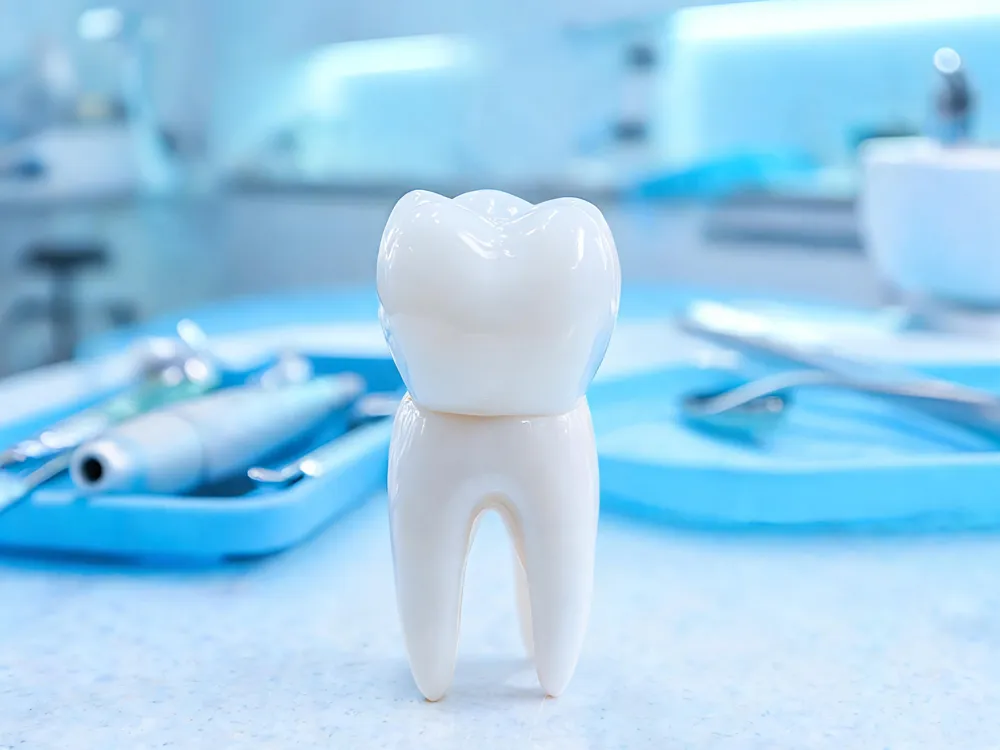 A dental crown is the go‑to solution when a tooth has lost enough structure that a filling can no longer protect it. Look for these warning signs:
Cracked or fractured teeth – A visible crack that reaches the dentin, causes pain on biting, or extends to the gum line usually needs a full‑coverage crown to hold the fragments together and prevent split.
Large or deteriorating fillings – Fillings that occupy two‑thirds or more of the tooth’s width, or that are repeatedly failing, leave the remaining tooth weak and prone to fracture; a crown restores strength and distributes chewing forces evenly.
Severe decay or tooth wear – Extensive decay that removes a significant amount of healthy enamel, or severe wear from bruxism or acid erosion, cannot be adequately repaired with a filling alone. A crown rebuilds the tooth’s shape and protects it from further breakdown.
Root‑canal‑treated teeth – After a root canal the tooth becomes brittle. A crown seals the tooth, restores normal bite forces, and greatly reduces the risk of future fracture or reinfection.
Cosmetic concerns – Misshapen, severely discolored, or uneven teeth that do not respond to whitening can be corrected with a crown that matches the surrounding teeth for a natural, uniform smile.
Frequently asked questions
- When do I need a crown instead of a filling? When the damage is too extensive for a filling to provide adequate support—large cavities, deep cracks, or post‑root‑canal teeth— a crown is recommended.
- Do I really need a crown? If the tooth has a large filling, severe decay, a crack, or has undergone a root canal, a crown is usually the best way to restore strength and function.
- Do I need a crown for a cracked tooth? Only if the crack reaches dentin, causes pain, or is near the gum line; superficial craze lines often do not require a crown.
- Do I really need a crown after a root canal? Yes—root‑canal teeth are more prone to fracture and a crown protects them.
- Should I get a crown or have the tooth extracted? Extraction is a last resort; a crown preserves the natural tooth whenever the remaining structure is sufficient.
- What are the disadvantages of dental crowns? Cost, permanent enamel removal, possible temporary sensitivity, and the rare risk of chip, looseness, or decay under the crown.
- My dentist says I need a crown but I have no pain. Is that normal? Absolutely. Hidden damage can weaken a tooth silently; a crown prevents future problems before pain or infection occurs.
Emergency Crown Situations and Immediate Actions
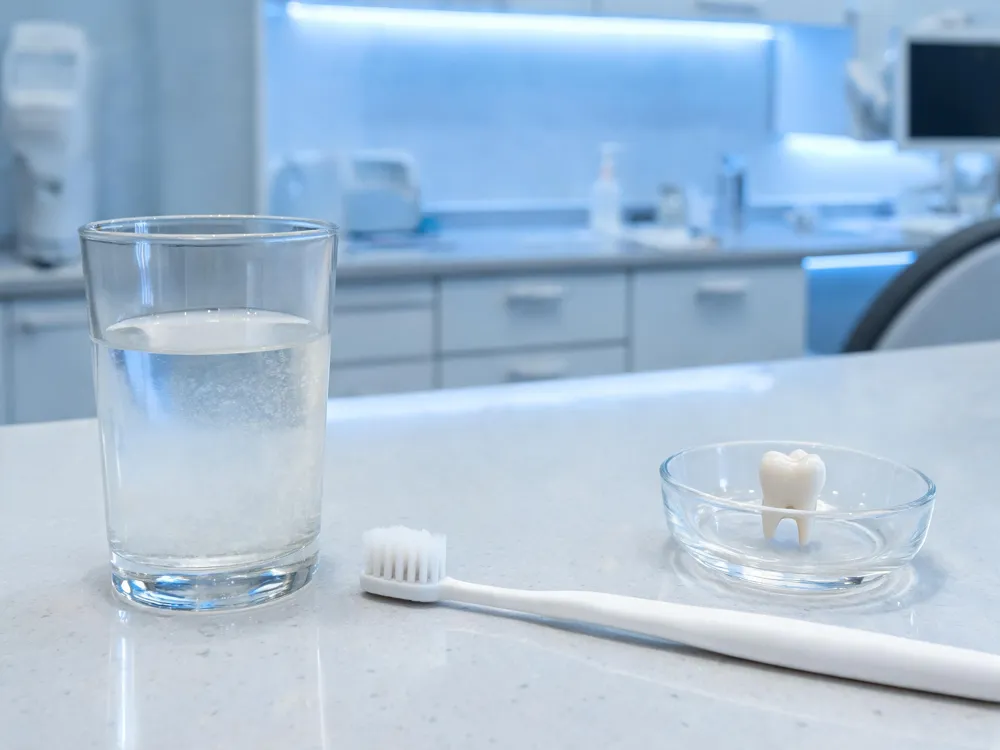 When a crown goes loose, falls off, or breaks, quick action can protect the tooth and prevent infection. Lost or loose crowns – Retrieve the crown, rinse it with warm water, and store it in a clean container. Keep the exposed tooth clean with gentle brushing and a salt‑water rinse, and avoid chewing on that side. When to call an emergency dentist – Contact the office immediately if the crown is damaged, the tooth feels painful, or you notice swelling, fever, or persistent sensitivity. An emergency dentist can re‑cement an intact crown or fabricate a temporary restoration in the same visit, reducing the risk of decay or fracture. Temporary fixes and over‑the‑counter cement – If the office is closed, over‑the‑counter dental cement (e.g., Dentemp) can be used to temporarily attach an intact crown. Apply a small amount inside the crown, press it into place, and bite gently to hold it while the cement sets. Pain‑management rules (3‑3‑3 and 2‑2‑2) – For acute discomfort, the 3‑3‑3 rule suggests 600 mg ibuprofen three times daily for up to three days, while the 2‑2‑2 rule reminds patients to brush twice daily for two minutes and see the dentist twice a year to prevent emergencies. Swallowing a temporary crown – Swallowing a temporary acrylic crown is usually harmless; it will pass through the gastrointestinal tract without injury. Still, contact your dentist promptly to arrange a replacement, as the prepared tooth remains vulnerable. Prompt attention, proper temporary measures, and adherence to oral‑hygiene guidelines help preserve tooth health until definitive crown care can be completed.
Alternatives to Crowns and When a Second Opinion Helps
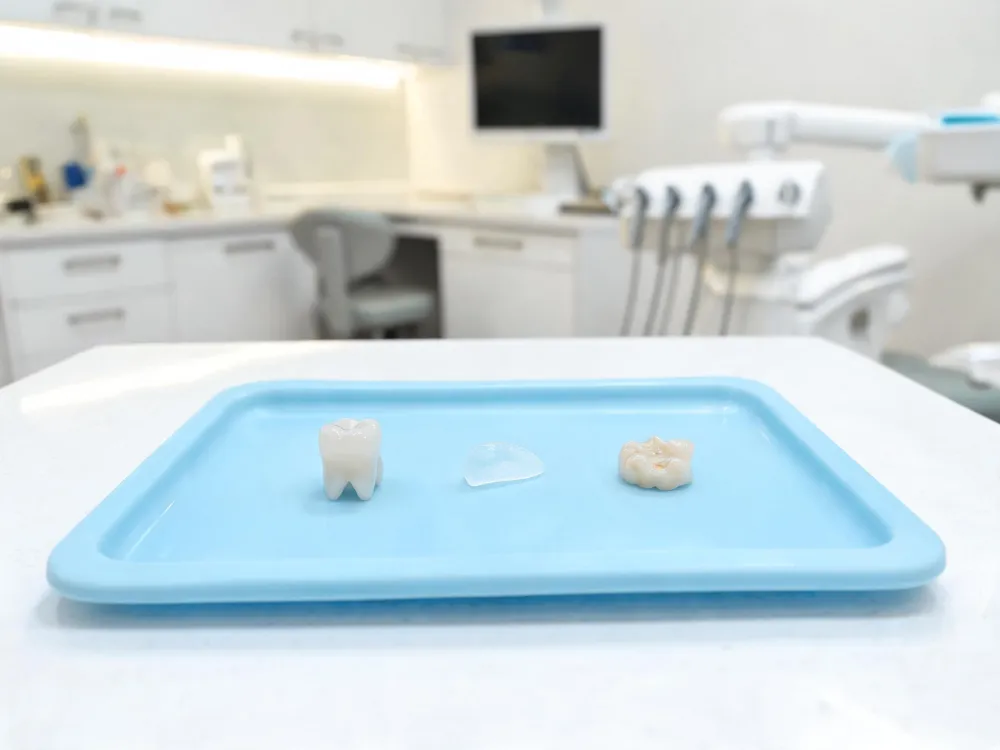 When a cracked tooth is identified, a full‑coverage crown is not the only option. For minor cracks, dental bonding or porcelain veneers can restore shape and color while preserving most of the natural enamel. Inlays and onlays—often called partial crowns—are custom‑made restorations that fit within the tooth’s cusps, offering stronger support than a filling but requiring less tooth reduction than a traditional crown. Biomimetic dentistry goes a step further by reinforcing the critical bottom 2‑3 mm of tooth structure (the BioRim) with bonded materials, stabilizing cracks without encircling the entire tooth. If the tooth cannot be salvaged, an implant‑supported crown provides a permanent, lifelike replacement. Because recommendations can vary, many practices, such as Sage Dental, offer free second‑opinion consultations to confirm whether a crown is truly needed. Pain is not always present; hidden damage like deep decay, large old fillings, or micro‑cracks may warrant a crown to protect the tooth before symptoms appear.
Crown Materials, Costs, and Insurance Options
 Dental crowns come in several material types. Metal or gold‑alloy crowns are the most durable and are ideal for back teeth, but their metallic color limits aesthetic use. Porcelain‑fused‑to‑metal (PFM) crowns blend metal strength with a tooth‑colored porcelain overlay, offering a balance of durability and appearance. All‑ceramic options—such as zirconia or lithium disilicate—provide the best aesthetics and are often chosen for front teeth; zirconia is especially high‑strength and slightly more expensive. In the United States, crown prices typically range from $800‑$1,200 for basic metal‑ceramic crowns to $1,500‑$3,000 for premium all‑ceramic or zirconia crowns. In Paterson, NJ, all‑ceramic or zirconia crowns usually cost $1,200‑$2,500, while PFM crowns fall between $800‑$1,200. Most insurance plans cover about 50% of medically necessary crowns, with caps and waiting periods; many practices also offer discount plans for uninsured patients. Same‑day CEREC crowns are fabricated in‑office using CAD/CAM technology, eliminating the two‑week lab turnaround and temporary crown, while lab‑fabricated crowns still require a temporary restoration and a second visit.
Keeping Your Crown Healthy: Maintenance and Prevention
 Your crown needs daily care to last. Use the same routine as for natural teeth: brush twice daily with fluoride toothpaste, floss once a day (gently around the crown’s gumline), and use an ADA‑approved antiseptic mouthwash. This routine helps prevent plaque buildup and decay at the crown’s edge.
Protect your crown by avoiding hard, sticky foods like ice, hard candy, popcorn kernels, and chewy candies. These can chip or dislodge the restoration.
If you grind your teeth at night (bruxism), a custom night guard is essential. It absorbs the force, preventing crown fractures and tooth wear.
Schedule routine dental cleanings and check‑ups every six months. Your dentist will monitor for early signs of trouble, such as decay under the crown margin, and catch small problems before they become serious.
Watch for persistent sensitivity, pain when biting, bleeding gums around the crown, or a bad taste or odor. These can signal decay or cement failure and require a professional evaluation.
Take the Next Step with Confidence
Start by scheduling a personalized evaluation with a dentist who uses modern diagnostic tools such as digital scanners and operating microscopes. During the visit, ask the dentist key questions: What specific condition of my tooth warrants a crown? Are there conservative alternatives like advanced fillings? What material will best match my bite and aesthetics? How many visits will the treatment require? Finally, commit to preventive oral‑hygiene habits—brush at least twice daily with fluoride toothpaste, floss daily, use an ADA‑approved rinse, and attend professional cleanings twice a year. These steps not only protect existing restorations but also reduce the likelihood of future crowns, ensuring long‑term dental health and confidence in your smile.