Why a Self‑Check Matters
Spot Problems Before They Worsen
A quick self‑check can help you catch signs that a tooth may need a crown. Look for visible cracks, chips, or large fillings that cover more than half the tooth. Persistent sensitivity to hot, cold, or sweet foods can indicate weakened enamel. If floss frays when passing between teeth, the tooth may be compromised.
How Crowns Protect and Restore
A dental crown is a cap that covers the entire visible portion of a damaged tooth. It restores strength, shape, and function, preventing further cracking or decay. Crowns are often needed after a root canal, for severe decay, or when a tooth has a large failing filling. They seal the tooth from bacteria and distribute chewing forces evenly.
Preventive Habits to Reduce Crown Need
Good oral hygiene—brushing twice daily with fluoride toothpaste, flossing, and using an antibacterial rinse—helps keep teeth strong. Avoid sticky or hard foods like ice, popcorn kernels, and hard candy. Wear a night guard if you grind your teeth. Regular dental check‑ups allow early detection of problems, often making a filling sufficient instead of a crown.
Quick Self‑Check: Signs You Might Need a Crown
When do I need a crown instead of a filling?
A crown is necessary when a tooth has extensive decay or damage that compromises its structural integrity—such as a cavity too large for a filling, a deep crack, or after a root canal. Fillings work well for small, shallow cavities with minimal tooth loss. Our practice uses digital diagnostics to evaluate each case, preserving natural tooth whenever a filling suffices. If you’re unsure, we’ll explain the options with compassionate guidance.
Do I need a crown for a cracked tooth?
Not every cracked tooth requires a crown. Superficial craze lines in enamel are often harmless and may only need bonding or whitening. However, if the crack extends into dentin, causes pain when biting, or reaches the gumline, a full‑coverage crown is typically recommended to hold the tooth together and prevent further damage. We evaluate each crack carefully to recommend the most conservative yet effective treatment.
Do I really need a crown after a root canal?
Yes, a crown is generally necessary after a root canal because the treated tooth becomes more brittle without its nerve supply. Research shows that root‑canaled teeth without crowns are six times more likely to be lost over time. A crown protects against fracture, restores strength, and seals the tooth from reinfection. While front teeth with minimal damage may sometimes be restored with a filling alone, back teeth nearly always require a crown to handle chewing forces.
My dentist says I need a crown but I have no pain. Is that normal?
Yes, it is normal to need a crown even without pain. Hidden damage such as cracks, deep decay, or large old fillings can silently weaken a tooth. A crown acts as a protective cap, preventing fractures or infection before symptoms arise. Delaying treatment could lead to a split tooth or the need for a root canal. Getting a crown now is a proactive step to preserve your natural tooth. Rely on your dentist's evaluation for long‑term oral health.
Emergency Crown Situations and Immediate Actions
A crown can fall out or feel loose for several reasons
The cement holding a crown can deteriorate over time. Decay can develop under the crown, weakening its hold. Biting on hard or sticky foods, or grinding your teeth, can also dislodge a crown. If this happens, retrieve the crown and rinse it gently with warm water. Clean the exposed tooth carefully with a soft brush. You can use over‑the‑counter dental cement, like Dentemp, as a temporary fix to reattach the crown or to cover the tooth.
When should you call an emergency dentist for a crown?
Call an emergency dentist if a crown feels loose, falls off, or if you notice sharp edges that irritate your mouth. A lost crown can expose the underlying tooth, leading to sensitivity and potential decay. You should also call if you have pain, swelling, or signs of infection near the crowned tooth. Prompt dental care within 24‑48 hours can often allow the dentist to re‑cement an intact crown.
An emergency dentist can fix a crown
If the crown is intact and the tooth is healthy, the dentist can often re‑cement it the same day. If the crown is cracked or the tooth has decay, a replacement may be needed. Prompt attention prevents further damage, infection, or more complex procedures.
What to do if your temporary crown falls off
If your temporary crown falls off and the office is closed, stay calm. Gently rinse the crown and your tooth with warm water. If the crown is intact, you can try temporary dental cement from a pharmacy to reattach it. If it won‘t stay, store the crown safely in a clean container. Avoid chewing on that side and stick to soft foods until you can see your dentist.
For pain and infection, follow the 3‑3‑3 rule
The 3-3-3 rule is a temporary measure: take 600 mg of ibuprofen (three 200 mg tablets) three times daily for up to three days. This reduces swelling and pain, but does not treat the underlying infection. See a dentist promptly for professional treatment.
The 2-2-2 rule for long‑term oral health
The 2-2-2 rule is a simple guideline: brush your teeth twice a day for two full minutes each time, and visit your dentist twice a year for checkups. This helps prevent decay and gum disease, protecting natural teeth and existing crowns.
Swallowing a temporary crown is rarely dangerous
If you swallow a temporary crown, it will most likely pass through your digestive system without causing harm. It is made of acrylic, a non‑toxic material. This is not a medical emergency, but you should still contact your dentist to arrange a replacement as soon as possible. The exposed tooth could become sensitive or vulnerable.
Alternatives to Crowns and When a Second Opinion Helps
What are alternatives to a crown for a cracked tooth?
For minor cracks, dental bonding or porcelain veneers can restore appearance while removing minimal tooth structure. Inlays and onlays — often called partial crowns — are custom-made restorations that preserve more healthy enamel than a full crown, making them ideal for molars with moderate damage.
Biomimetic dentistry offers advanced techniques that focus on saving the critical BioRim (the bottom 2–3 mm of tooth structure). Using specialized bonded materials, dentists can stabilize cracks without full-coverage crowns. In cases where a tooth cannot be saved, extraction followed by a dental implant provides a durable, long-term replacement. However, for deeper or extensive cracks, a crown remains the most reliable solution to prevent further fracture.
My dentist says I need a crown but I have no pain. Is that normal?
Yes, it is completely normal to need a crown even without pain. Pain is not always a reliable indicator of tooth health; hidden damage like cracks, deep decay, or large old fillings can weaken a tooth silently. A crown acts as a protective cap, preventing fractures or further damage before pain or infection develops.
Delaying treatment could lead to more serious issues, such as a split tooth or the need for a root canal. Getting a crown now is a proactive step to preserve your natural tooth and avoid more complex procedures later.
Do I really need a crown?
A crown is recommended when a tooth has extensive decay, a large filling, a crack, or after a root canal to restore strength and function. If the tooth is intact and only has a minor filling, a crown may not be necessary. Some patients may also benefit from a free second-opinion consultation, which many dental practices offer to confirm the treatment plan and explore less invasive alternatives before committing to a crown.
| Restoration | Best For | Key Advantage |
|---|---|---|
| Dental Bonding | Small chips or cracks | Quick, minimal enamel removal |
| Porcelain Veneer | Front tooth with cosmetic or minor damage | Preserves tooth structure |
| Inlay/Onlay (Partial Crown) | Moderate decay in molars | More conservative than a full crown |
| Biomimetic Restoration | Cracked or weakened teeth | Saves the critical BioRim structure |
| Dental Implant | Unsaveable tooth | Permanent replacement |
| Full Crown | Deep cracks, large fillings, post‑root canal | Maximum strength and protection |
Crown Materials, Costs, and Insurance Options
What types of dental crowns are available and how much do they cost?
Dental crowns are made from metal (gold or other alloys), porcelain‑fused‑to‑metal (PFM), all‑ceramic materials such as zirconia, or lithium disilicate. All‑ceramic crowns offer the best aesthetics and are often used for front teeth, while metal crowns are highly durable and ideal for back molars. Prices range from $800–$1,200 for PFM crowns to $1,500–$3,000 for premium all‑ceramic or zirconia crowns.
How much does a dental crown cost?
In Paterson, NJ, all‑ceramic crowns typically cost $1,200–$2,500, while PFM crowns range from $800–$1,200. Most dental insurance covers about 50% of medically necessary crowns, though annual caps and waiting periods apply. Additional costs such as exams, X‑rays, or root canals can add $200–$2,100. Transparent pricing and pre‑treatment estimates help patients understand out‑of‑pocket expenses.
Is $2,000 a reasonable price for a dental crown?
Yes, $2,000 is a mid‑range price for a high‑quality all‑ceramic or zirconia crown, which typically costs $1,500–$3,000 per tooth. This represents a fair investment for a restoration designed to last 15–20 years with proper care.
Why does it take about two weeks to make a crown?
Traditional crowns are custom‑fabricated in a dental laboratory. After taking an impression or digital scan, the lab designs, mills, and shades the crown to match natural teeth, a process that generally requires 10–14 days. Same‑day CEREC crowns bypass this wait by milling the crown chairside in about 15–30 minutes, eliminating the need for a temporary crown while providing comparable strength and aesthetics.
Keeping Your Crown Healthy: Maintenance and Prevention
Maintaining Your Crown
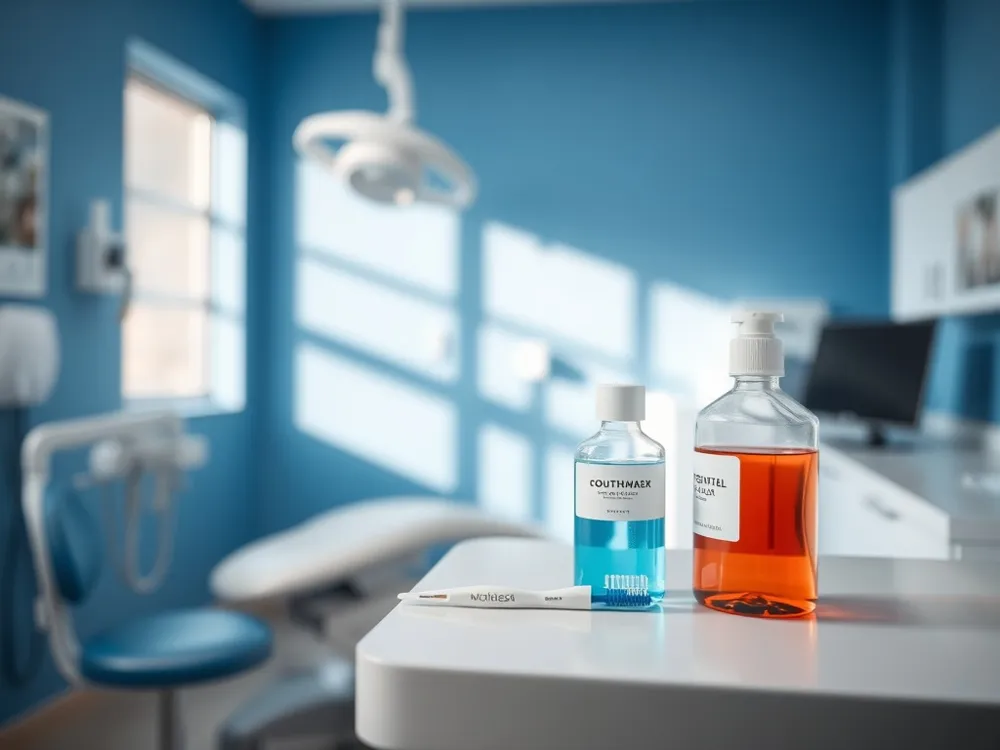
Brush twice daily with fluoride toothpaste, floss around the crown, and use an ADA‑approved mouthwash to prevent decay. Avoid sticky or hard foods (caramel, ice) that can dislodge or crack the crown. If you grind your teeth, wear a night guard. Schedule professional cleanings twice a year. Monitor for sensitivity, bad taste, or swelling—early signs of decay under the crown that prompt timely dental care.
Take the Next Step with Confidence
Schedule a personalized evaluation
The first step toward preserving your smile is a thorough examination. A dentist can assess the condition of your teeth, discuss your concerns, and recommend the most appropriate treatment—whether a crown or a conservative alternative.
Ask your dentist the key questions
Before proceeding, clarify your options. Inquire about the necessity of a crown, available materials, expected longevity, and any less invasive alternatives. Understanding the rationale behind a recommendation helps you make an informed, confident choice.
Commit to preventive oral‑hygiene habits
Protect your natural teeth—and any restorations—with consistent care. Brush twice daily with fluoride toothpaste, floss around the gumline, and schedule regular check-ups. Avoiding sticky or hard foods further reduces the risk of damage.