Understanding Your Denture Options
Dentures serve as essential removable appliances designed to replace missing teeth and restore both function and appearance.
There are two primary types: full and partial dentures. Full dentures replace all teeth in either the upper or lower jaw, supporting facial muscles and improving speech, chewing, and confidence. Partial dentures fill gaps when some natural teeth remain, anchoring to healthy teeth with metal clasps to maintain alignment and prevent shifting.
Choosing the right denture depends on your oral health, number of missing teeth, bone structure, lifestyle, and budget. Consulting a dental professional ensures a tailored approach, helping you regain comfort, oral function, and a natural smile.
Key Facts About Dentures and Modern Dental Care
- Full dentures are removable replacements for an entire arch of teeth, crafted from acrylic resin.
- They provide facial support, help improve speech, and restore bite function beyond just tooth replacement.
- Adjustment to full dentures involves an initial learning curve with challenges in speaking and eating, requiring regular maintenance.
- Partial dentures fill gaps in the mouth, supported by remaining natural teeth, and prevent teeth from shifting.
- Modern technology like digital impressions and 3D imaging results in more precise, better-fitting dentures, enhancing comfort and appearance.
- Advanced materials, such as acrylic resin and porcelain, improve the durability, aesthetic, and natural look of dentures.
- State-of-the-art tools reduce treatment times, minimize discomfort, and cut adjustments needed, making the process more comfortable.
- Dental practices can improve accessibility by offering flexible appointment schedules, calming environments, and sedation options.
- Patients should look for experienced staff, modern technology, and a broad range of services, including preventive, restorative, and cosmetic care.
- A multilingual and patient-centered approach in clinics ensures effective communication, making necessary treatments more accessible.
1. Full Dentures: Comprehensive Tooth Replacement with Facial Support
What Are Full Dentures and How Are They Made?
Full dentures, also known as complete dentures, serve as removable replacements for all teeth in either the upper or lower jaw, or both. They are crafted to restore an entire arch of teeth when natural teeth are lost. Typically made from acrylic resin, these dentures are custom-fit to the unique contours of the mouth, ensuring comfort and functionality. The fitting process involves detailed oral impressions to capture the exact shape of the gums and jawbone, often requiring multiple visits for adjustments and refinements to achieve an optimal fit.
Benefits of Full Dentures Beyond Tooth Replacement
Benefits of full dentures offer more than just tooth replacement. They play a critical role in restoring bite function, enabling enhanced chewing ability so that patients can enjoy a wider variety of foods. Additionally, they help improve speech clarity by supporting proper tongue and lip positioning. One of the most significant benefits is the support they provide to facial muscles and structure, preventing the sunken appearance common in tooth loss. This support maintains a more youthful and natural facial contour, which can greatly boost self-confidence and improve overall quality of life.
Adjustment Challenges and Maintenance Needs
Adapting to full dentures can present challenges. New wearers may experience difficulty speaking clearly or eating certain foods initially, as muscle control differs from natural teeth. It is common for patients to require a period of adjustment, during which practicing speech and starting with soft foods can be helpful. Maintenance is crucial; full dentures require daily cleaning with soft brushes and specialized denture cleansers, avoiding abrasive toothpaste. They should be soaked overnight in a denture solution to preserve their shape and hygiene. Regular dental visits for check-ups and adjustments help ensure continued comfort and function.
Suitability and Lifestyle Considerations
Full dentures are ideal for individuals who have lost all or nearly all teeth in an arch. They provide a non-invasive and affordable solution for restoring oral function compared to dental implants or fixed bridges. The suitability depends on oral health status, lifestyle preferences, and budget. While full dentures may not restore the chewing efficiency of natural teeth fully, they significantly improve everyday functions including eating and speaking. Patients should consider the adjustment period and ongoing care as part of their lifestyle adaptation to full denture wear.
What Types of Dental Services Are Typically Offered by a Full-Service Dental Practice?
A full-service dental practice provides comprehensive care that supports patients before, during, and after denture fitting. Services include preventive care like routine exams and professional cleanings, restorative treatments such as crowns, bridges, and implants, emergency dental care, pediatric services, and cosmetic dentistry options like teeth whitening. Such a practice ensures patients have access to specialized expertise and personalized treatment plans, including denture manufacture, fitting, repairs, and maintenance guidance—all essential for a successful denture experience.
2. Partial Dentures: Targeted Solutions That Preserve Natural Teeth
What Are Partial Dentures and How Are They Structured?
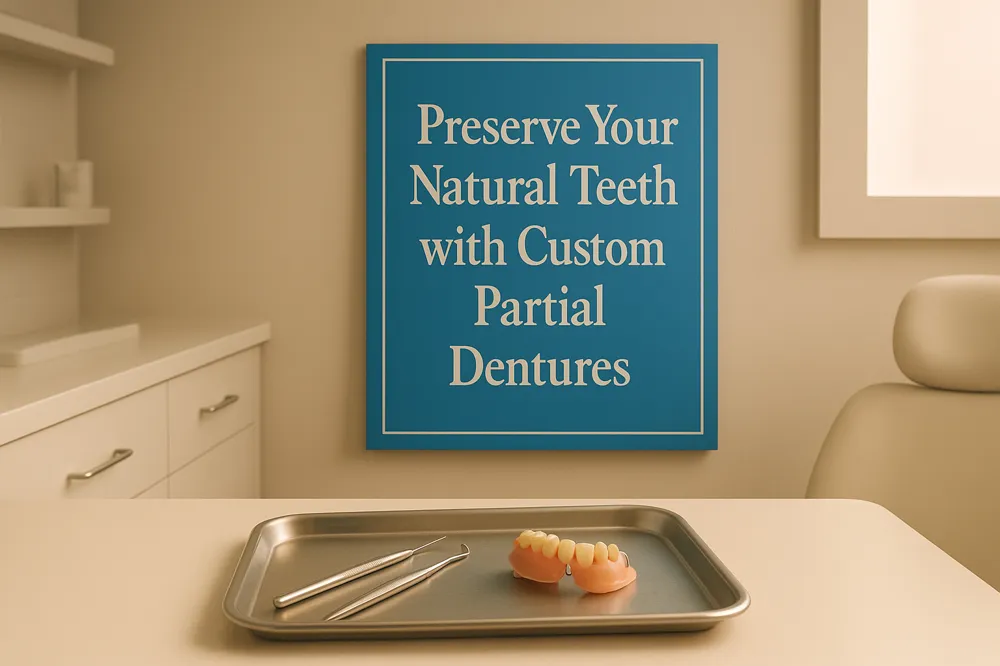
Partial dentures are removable dental appliances designed to replace one or several missing teeth within an arch while being supported by the remaining natural teeth. They typically consist of replacement teeth set on a gum-colored acrylic base, which is anchored securely by metal clasps or flexible materials that clip onto adjacent healthy teeth. This design helps fill gaps, stabilize the bite, and maintain the integrity of surrounding teeth.
Advantages of Partial Dentures
One of the main benefits of partial dentures is their ability to preserve healthy remaining teeth. By filling in spaces, they prevent natural teeth from shifting out of alignment, which can lead to bite problems and further tooth loss. Partial dentures tend to be smaller and lighter than full dentures, often providing better comfort and easier adaptation for wearers.
Additionally, partial dentures can improve chewing ability over having gaps from missing teeth, allowing a more natural and balanced eating experience. They also support facial muscles and contribute to improved speech clarity by filling gaps that affect pronunciation.
Partial dentures are generally a cost-effective alternative to more invasive options like implants or bridges, making them accessible for many patients. Their removable nature allows for easy cleaning and maintenance, enhancing oral hygiene.
Limitations to Consider
Despite their benefits, partial dentures have some limitations. Metal clasps used for attachment may be visible, potentially affecting the aesthetics of a patient’s smile. Their reliance on the health and stability of remaining teeth means they are not suitable if natural teeth are weakened or at risk of damage.
In terms of function, partial dentures may not fully restore biting force, especially for harder foods, which could require diet modifications. They can sometimes put stress on the supporting teeth, which may lead to complications if not monitored regularly.
Care Requirements and Lifespan
Proper care is essential to maximize the lifespan of partial dentures, which typically ranges from 5 to 10 years depending on material quality and maintenance. Daily cleaning with a soft toothbrush and specialized denture cleaners helps prevent bacterial buildup. It is also recommended to remove dentures overnight and soak them in a cleansing solution to maintain their shape and hygiene.
Regular dental checkups are important for adjustments, ensuring proper fit as changes occur in the mouth over time. This prevents discomfort, sores, or damage to remaining teeth and gums.
Who Is an Ideal Candidate?
Partial dentures are ideal for individuals who still have some healthy, stable natural teeth capable of supporting the appliance. Patients seeking a less invasive and cost-conscious solution to replacing multiple missing teeth often find partial dentures a practical choice.
Lifestyle factors such as maintaining good oral hygiene, attending regular dental visits, and being comfortable with a removable device are important considerations. Consultation with a dental professional is recommended to evaluate individual oral health, bone density, and personal preferences to determine the suitability of partial dentures.
Importance of Comprehensive Dental Care
In a dental practice, having a multilingual team is essential in effectively communicating the care instructions, treatment options, and maintenance guidance for dentures like partials. This approach ensures patients from diverse backgrounds fully understand their prosthetic options, which enhances adherence to care routines, reducing complications and improving overall satisfaction with the treatment.
How Does State-of-the-Art Technology Enhance Denture Care?
Use of digital impressions and 3D imaging for precise dentures
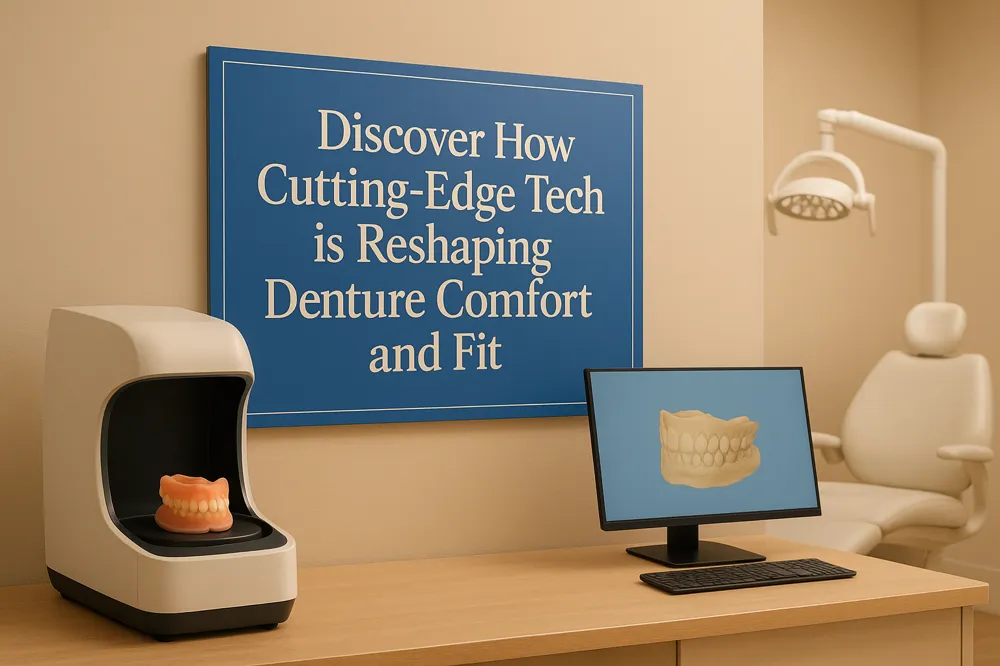
Modern denture care benefits greatly from digital impressions and 3D imaging in denture fabrication technologies. These methods replace traditional molds with accurate digital scans of the mouth, creating detailed 3D models. This results in dentures that fit more precisely, improving comfort and reducing the need for multiple adjustment visits. For more information, see 3D printed dentures technology.
Benefits of modern materials like acrylic resin and porcelain
Advancements in denture materials have introduced durable, lightweight acrylic resin and porcelain options. Acrylic resin offers natural aesthetics while being adaptable and comfortable, and porcelain adds strength and a realistic appearance. These materials provide a more natural look and feel, and they contribute to the overall durability and longevity of dentures. Learn about Materials Used in Dentures and Denture Types Overview.
Impact on comfort, fit, and appearance
The combination of digital fabrication techniques and advanced materials enhances the fit of dentures, minimizing issues such as slipping or sore spots. Improved accuracy supports better bite function and speech clarity. Additionally, modern dentures are tailored to facial features, boosting confidence through a natural smile and supporting facial muscles to maintain a youthful appearance. For further insights, see Full dentures benefits and Confidence boost from complete dentures.
Role in reducing dental anxiety and treatment times
State-of-the-art technology streamlines the denture fabrication process, shortening treatment times and lowering patient discomfort. Digital impressions are less invasive than traditional methods, making the experience more comfortable and less anxiety-provoking. Early and accurate diagnosis along with precise manufacturing reduces the number of adjustments needed, enhancing patient satisfaction and overall treatment efficiency. Explore Getting dentures process and Adjusting to full dentures for more details.
How does state-of-the-art technology improve dental care?
State-of-the-art technology enhances dental care by increasing diagnostic precision and enabling less invasive treatments. Tools such as CBCT scanners and digital X-rays provide detailed images with less radiation, while dental lasers reduce discomfort and recovery time. Advanced scanners like iTero facilitate the creation of better-fitting dental prosthetics. These innovations make treatment more efficient, safer, and comfortable, resulting in better outcomes and higher patient satisfaction. Additional resources on What Are Dentures and Denture Care Tips provide useful information.
Making Dental Care Accessible and Comfortable
What measures can dental practices take to make dental care more accessible and comfortable for patients?
Dental practices can greatly improve patient experience by adopting a holistic, patient-centered approach. Flexible scheduling options and accepting a wide variety of insurance plans help increase accessibility, accommodating patients’ busy lives and financial situations.
Creating a calming office environment is essential. Incorporating soothing lighting, gentle background music, and distraction tools like TVs or headphones can ease the anxiety many patients feel—estimated to affect about 30% of the population. Such measures make visits less intimidating and more welcoming.
Comfort during procedures is also critical. Dental offices that offer sedation options, from nitrous oxide to oral and IV sedation, provide relief to anxious or sensitive patients. Advanced technology such as digital x-rays and digital impressions and 3D imaging in denture fabrication reduces discomfort and shortens treatment times, enhancing overall comfort.
Comprehensive patient education and clear, personalized treatment plans help build trust and reduce fear through understanding. Teledentistry services offer convenient consultations, improving access for those with mobility or scheduling challenges.
Finally, training staff in empathetic communication and emotional intelligence fosters a compassionate atmosphere. When patients feel respected and heard, they are more likely to maintain regular dental care, supporting better long-term oral health outcomes.
Selecting the Right Dental Practice for Your Needs
What qualifications and experience should patients look for in choosing a dental practice?
Selecting the right dental practice starts with evaluating the qualifications and experience of its professionals. Patients should seek out clinics staffed by experienced dentists and specialists who hold recognized certifications and demonstrate a record of delivering safe, effective dental care. This ensures that the treatments provided meet high standards for quality and patient safety.
The importance of modern technology
Modern dental practices incorporate advanced technologies such as digital X-rays, 3D imaging, and laser treatments. These innovations improve diagnostic accuracy, enable minimally invasive procedures, and enhance patient comfort throughout treatment. Practices using the latest equipment demonstrate a commitment to providing up-to-date care and more predictable outcomes.
Friendly and multilingual staff
A welcoming environment with friendly staff can make dental visits less stressful. Multilingual teams are particularly valuable in diverse communities, helping to ensure clear communication and personalized care for all patients. Effective communication builds trust and encourages patients to maintain consistent dental appointments.
Comprehensive services and patient-centered care
Top dental clinics offer a broad range of services including preventive care, restorative treatments like dentures and implants, cosmetic dentistry, and emergency care. Patient-centered approaches focus on understanding individual needs, preferences, and financial considerations. This holistic support helps patients make informed decisions tailored to their oral health goals.
Accessibility and convenient location
Choosing a practice with a convenient location and flexible hours is vital for maintaining regular dental care. Accessibility includes ease of scheduling, availability of emergency services, and accommodating different insurance plans. A clinic that prioritizes patient convenience fosters long-term engagement and healthier outcomes.
By considering these factors—professional expertise, modern technology, patient-friendly staff, comprehensive offerings, and accessibility—patients can confidently select a dental practice aligned with their needs and lifestyle, ensuring optimal oral health and well-being.
Finding the Denture Fit for Your Lifestyle
Understanding Your Options: Full vs. Partial Dentures
Full dentures replace all teeth in an arch and support facial muscles for a natural look, while partial dentures fill gaps left by some missing teeth and are secured to remaining teeth with clasps. Full dentures are typically used when most or all teeth are missing, whereas partial dentures are preferred if some healthy natural teeth remain.
Personalized Dental Consultation
Selecting the right denture depends on your oral health, number of missing teeth, lifestyle, and budget. A thorough examination by a dental professional ensures a tailored fit and optimal function.
Caring for Your Dentures
Daily cleaning with soft brushes, using denture cleansers, and soaking dentures overnight help maintain hygiene and durability. Regular dental visits enable adjustments to improve comfort and prevent oral issues.
Professional Guidance for Best Results
Consulting your dentist is essential to navigate options like implant-supported dentures and to create a treatment plan that fits your lifestyle, promoting long-term oral health and confidence in your smile.