The Urgency of Quick Extractions
Immediate removal of a severely decayed, fractured or infected tooth is essential because the infection can spread to adjacent teeth, the jawbone and even the bloodstream, leading to abscesses, periodontal disease or systemic illness. In Paterson, common emergencies include deep caries that reach the pulp, broken teeth, impacted wisdom teeth and dental trauma. Prompt, same‑day extraction—often performed after a quick clinical exam and digital X‑ray—eliminates the bacterial source, reduces swelling, relieves pain and protects the surrounding bone and gum tissue. Early intervention also prevents tooth shifting, preserves bite alignment and simplifies future restorative work such as implants or bridges, ultimately saving time, cost and the patient’s overall oral health. Patients who receive such urgent care report quicker relief and fewer complications.
Immediate Benefits: Stopping Infection and Preserving Bone
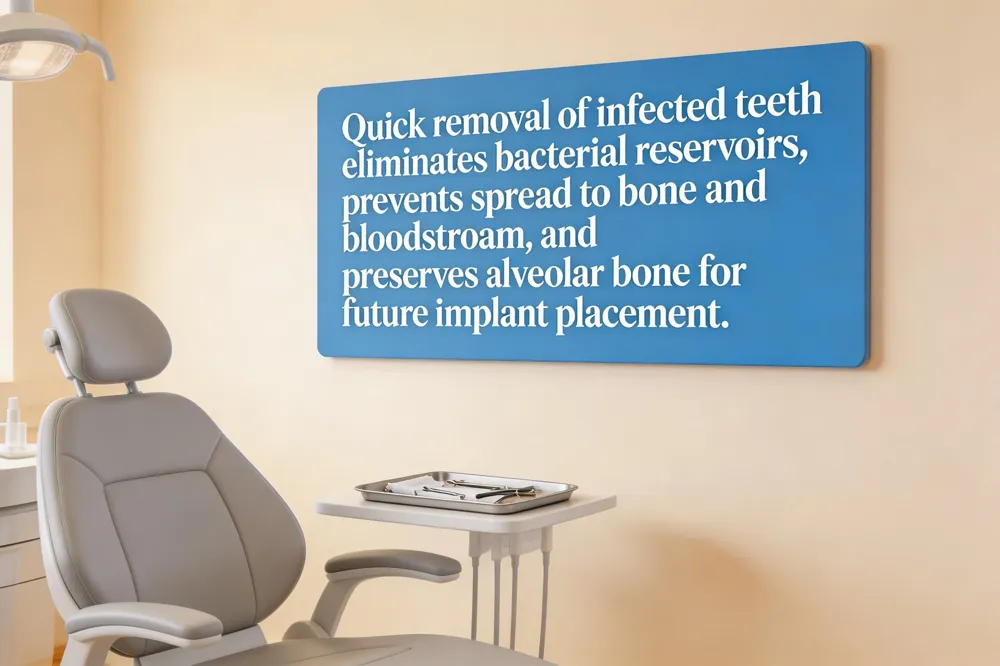 Quick tooth removal eliminates a bacterial reservoir that fuels infection, preventing the spread of harmful microbes to the jawbone, bloodstream, and neighboring teeth. By extracting the compromised tooth promptly, the alveolar ridge is preserved, maintaining bone volume essential for future implant placement.
Emergency dentist Paterson, NJ – If you need urgent dental care in Paterson, NJ, the team at David Mayer MD Dental is ready to help you same‑day. Our multilingual staff (English, Spanish, and Arabic) can assess and treat a wide range of emergencies—from severe toothaches and broken or knocked‑out teeth to infections, denture repairs, and urgent extractions. Call our office at (973) 555‑1234 or use the online scheduling tool to secure an immediate appointment, and walk‑in patients are welcomed for urgent cases. With over 40 years of experience and state‑of‑the‑art technology, we prioritize pain relief, quick diagnosis, and compassionate care to get you back to comfort as fast as possible.
Blood clot came out after tooth extraction – A clot that falls out of the socket is a warning sign that the protective “biological bandage” has been lost, which can lead to a dry socket (alveolar osteitis). Without the clot, the underlying bone and nerves are exposed, causing intensified pain, a foul taste or odor, and possible swelling 2‑3 days after the procedure. Contact your dentist immediately—treatment may involve cleaning the socket, placing a medicated dressing, and pain‑control medication. To protect the clot, bite gently on gauze for the prescribed time, avoid vigorous rinsing, hard foods, smoking, or using a straw for the first 48 hours.
Can I go to sleep if my tooth extraction is still bleeding – Yes, but first ensure bleeding is under control. Bite gently on a damp gauze for 30‑45 minutes, replace it if bleeding continues, and remove the gauze before you lie down. Keep your head elevated with an extra pillow or wedge to reduce blood flow to the socket and help the clot stay in place. Avoid smoking, drinking through a straw, or vigorous rinsing, as these can dislodge the clot and increase bleeding. If bleeding does not slow after a few gauze changes or you notice a large amount of blood, call your dentist before heading to bed.
Things to avoid after tooth extraction – Avoid hot foods and beverages for the first 24–48 hours, crunchy or hard items (chips, nuts, popcorn), sticky or chewy foods (caramel, gum), spicy and acidic foods, carbonated drinks, and any use of straws or alcohol during the initial recovery period. These actions can dislodge the clot, irritate the wound, and increase the risk of dry socket.
Does a dental bone graft hurt – The graft is performed under local anesthesia (or sedation), so you feel no pain during the surgery. After the anesthetic wears off, you may experience mild swelling, bruising, and a low‑grade ache similar to a tooth extraction. These sensations are usually short‑term and can be managed with OTC analgesics or prescribed medication, resolving within a few days to a week.
Long‑Term Oral Stability After Extraction
 Preventing crowding and bite misalignment
Early removal of a damaged or infected tooth creates necessary space, allowing adjacent teeth to maintain their natural positions. Prompt extraction eliminates the forces that cause neighboring teeth to drift, reducing the risk of bite misalignment and future orthodontic complications.
Preserving jawbone for implants
When a tooth is extracted quickly, the socket can be treated with bone‑preservation techniques such as collagen plugs or grafts. Maintaining ridge height protects the alveolar bone, making later implant placement more predictable and reducing the need for extensive grafting procedures.
Impact on overall oral health
A timely extraction stops bacterial spread, preventing abscess formation, periodontal disease, and systemic inflammation linked to heart disease and diabetes. Patients experience immediate pain relief and a lower long‑term risk of cavities and gum disease.
Long‑term side effects of tooth extraction
The most common issue is gradual bone loss in the jaw, which can lead to ridge thinning and facial sagging. Adjacent teeth may shift into the empty space, causing malocclusion. Persistent nerve irritation is rare but possible.
How does a quick tooth extraction help oral health
By removing the infection source promptly, it reduces pain, prevents bone loss, and creates a healthier environment for future restorative options such as implants, bridges, or dentures.
Dentist Broadway Paterson, NJ
West Broadway Dental in Paterson, NJ offers same‑day emergency extractions with state‑of‑the‑art imaging and a multilingual team, ensuring rapid, compassionate care.
Comfort Dental Care Paterson
Comfort Dental Care, led by Dr. Jorge Bastidas, provides comprehensive dental services—including emergency extractions—using modern digital tools and a multilingual staff.
Canine tooth growing sideways in gum
A sideways‑growing canine is an impacted tooth that may require orthodontic traction, surgical exposure, or extraction. Early evaluation with CBCT imaging helps determine the best treatment and prevents gum disease or root resorption.
Managing Post‑Extraction Recovery
 Pain control and swelling reduction: Use ice packs on the cheek for 10‑minute intervals during the first 24‑48 hours, then switch to a warm compress after the initial swelling subsides. Take prescribed analgesics or ibuprofen as directed before the numbness fades, and keep the head elevated with pillows while resting.
Clot protection and dry‑socket prevention: Apply firm pressure with gauze (or a damp tea bag) for the first 30–45 minutes, then avoid spitting, straw use, smoking, and vigorous rinsing for the first 24 hours. Begin gentle warm‑salt‑water rinses on Day 2, ½ tsp salt per cup of warm water, 2–3 times daily.
Nutrition and activity guidelines: Stick to soft, cool foods (yogurt, applesauce, mashed potatoes) for the first couple of days; stay well‑hydrated and avoid hot, crunchy, or acidic items. Limit strenuous activity for 48 hours and keep the head elevated while sleeping.
First night after tooth extraction – Elevate the head, rest quietly, bite gauze/tea bag, ice the cheek, take pain meds, eat soft cool foods, and avoid smoking, straws, or alcohol.
When can I start rinsing with salt water? – Begin gentle warm‑salt‑water rinses on Day 2.
I accidentally rinsed my mouth after tooth extraction – Bite clean gauze for 30 minutes, keep head elevated, and avoid further rinsing for 24 hours.
Can I make my tooth extraction heal faster naturally? – Use salt‑water rinses, ice packs, soft nutrient‑rich foods, adequate hydration, rest, and avoid smoking/alcohol; natural soothing agents should be approved by your dentist.
Swelling 2 weeks after dental bone graft – Mild swelling can be normal up to 14 days; increasing warmth, redness, pus, fever, or worsening pain warrants prompt evaluation.
Special Cases: Impacted Teeth, Full‑Mouth Extractions, and Bone Grafts
 A partially‑bony impacted tooth has broken through the gum but remains trapped in bone; using digital X‑ray or panoramic scan, our Paterson oral surgeon raises a small flap, removes covering bone, sections the tooth if needed, sutures the site, and provides post‑operative instructions to limit swelling and dry‑socket risk. A full‑mouth extraction can be completed in one day only when the patient’s health, bone condition, and tooth complexity allow it; otherwise we stage the work over several visits, using sedation or general anesthesia for comfort and safety. Swelling two weeks after a bone graft may be part of the normal inflammatory response as new vessels and bone cells form, but increasing warmth, redness, pus, fever, or worsening pain signal infection and require prompt evaluation. Paterson Family Dental (1010 Main St, Suite 6, Paterson, NJ 07503, (973) 225‑9975) offers comprehensive adult and family services with a multilingual team. West Broadway Dental a 35‑year‑old multi‑specialty clinic in Paterson, provides same‑day emergency extractions , implants, bridges, and modern imaging in a patient‑focused environment.
Choosing the Right Emergency Dentist in Paterson
 When a dental crisis strikes in Paterson, NJ, quick access to a skilled emergency dentist can prevent infection, relieve pain, and protect long‑term oral health. Local practices such as David Mayer MD Dental offer same‑day appointments, walk‑in options, and a multilingual staff (English, Spanish, Arabic) to ensure clear communication during urgent care. Downtown clinics, including Dr. David Mayer’s office, combine over 40 years of experience with state‑of‑the‑art technology, providing everything from emergency extractions to full‑arch restorations while accepting most major insurances.
For patients on Medicaid, West Broadway Dental explicitly lists Medicaid coverage and offers a diverse language team (English, Spanish, Arabic, Hindi, Mandarin). Other Medicaid‑accepting offices in the area include Jerald S Friedman DDS, New Smile Dentistry, Hello Dental – Haledon, and Union Dental – Donald Pasquariello DMD.
Comfort Dental Care (599 Broadway Suite 1A) and Abra Dental (370 Broadway, 2nd Floor) also provide same‑day emergency services, digital imaging, and multilingual support, making them reliable choices for Paterson residents seeking prompt, compassionate dental relief.
Take Action Today
If you are experiencing severe tooth pain, swelling or a cracked tooth, call your dental office immediately to schedule a same‑day extraction. Prompt treatment stops the spread of infection, eases discomfort, and preserves the surrounding bone for future work. After the procedure, follow the dentist’s post‑operative instructions carefully: bite on gauze until bleeding stops, apply ice packs for the first 24 hours, eat soft foods, avoid straws, smoking and vigorous rinsing, and take any prescribed antibiotics or pain relievers as directed. While the socket heals, discuss long‑term restoration options such as dental implants, bridges or partial dentures, and arrange any necessary bone‑preservation or grafting procedures. Early planning ensures a smooth transition from extraction to a functional, aesthetic smile.