Introduction to Dentures and Their Role in Oral Health
Overview of Full and Partial Dentures
Full dentures are removable appliances that replace all teeth in either the upper or lower jaw. They typically consist of acrylic resin and rely on suction or adhesives for retention. Partial dentures, conversely, replace some missing teeth while anchoring onto remaining natural teeth using metal clasps. With various types such as cast metal, acrylic, and flexible options, partial dentures offer differing benefits and aesthetic considerations.
Purpose of Dentures in Restoring Oral Function and Aesthetics
Dentures play a crucial role in restoring normal oral functions, including chewing and speaking, which are often compromised by tooth loss. They support facial structure by filling in gaps caused by missing teeth, preventing sagging or a sunken appearance. Additionally, dentures contribute to improved speech clarity by helping with proper tongue and lip positioning. Beyond function, dentures restore confidence by enhancing smile aesthetics and maintaining proper bite alignment, thereby improving overall quality of life.
The Impact of Dentures on Speech: Challenges and Adaptation

Can dentures affect speech?
Yes, dentures can temporarily affect speech. When first fitted, dentures often cause slurred speech, lisping, and difficulty pronouncing sounds such as 's', 'f', 'th', and 'sh'. This occurs because dentures change the positioning of the tongue, lips, and palate in the mouth, requiring the muscles to adapt.
Speech differences between upper and lower dentures
Upper dentures cover the palate and stay in place by suction, which can alter how the tongue interacts with the roof of the mouth, sometimes causing slight changes in pronunciation. Lower dentures rest on a smaller area and tend to move more, leading to greater speech challenges like clicking noises or slurred words. This makes adapting to lower dentures generally more difficult. For further detail, see Differences in speech with upper and lower dentures.
Common pronunciation difficulties with dentures
Patients frequently notice issues with sibilant sounds, particularly 's', 'sh', 'f', 'th', and sometimes 't' and 'd'. Whistling and lisping may occur initially. These challenges stem from the tongue needing to learn new resting and moving positions after tooth loss and denture placement. See Common speech problems with dentures for more.
Techniques to improve speech clarity with dentures
Speech adaption involves:
- Practicing reading aloud and repeating troublesome words slowly.
- Using a mirror to observe mouth movements.
- Biting down gently before speaking to stabilize dentures.
- Employing dentures adhesives to reduce movement.
- Staying relaxed and hydrated. Engaging in speech exercises like tongue twisters and lip movements can also accelerate muscle memory development and clarity. For additional tips, check Speech therapy for denture users.
Importance of proper denture fit and professional adjustments
A well-fitted denture is essential for minimizing speech difficulties and discomfort. Poorly fitting dentures often cause slippage, clicking, and long-term speech problems. Regular dental check-ups allow dentists to adjust the dentures ensuring stability, comfort, and better articulation. If speech problems persist beyond several weeks, consulting a dentist is advised to evaluate denture fit and possible adjustments. For more information, see Consulting a dentist for denture speech issues.
Eating with Full and Partial Dentures: Adjustments and Dietary Considerations

Initial challenges in chewing and tasting with dentures
Wearing full or partial dentures can significantly change a person's eating experience. Initially, chewing may feel awkward or slow due to reduced bite force and altered muscle coordination. Some wearers also notice slight changes in taste and temperature perception, which usually diminish as the mouth adjusts. The tongue and gums may feel pressure points, and increased saliva production can affect swallowing and comfort. For more on the How dentures affect eating, see related impacts on oral function.
Foods to avoid and strategies for easier eating
During the adjustment phase, it's recommended to avoid sticky candies, hard foods, chewy bread, tough meats, and raw vegetables, as these can dislodge dentures or cause discomfort. Starting with soft foods such as smoothies, mashed potatoes, yogurt, and cooked fruits helps ease adaptation. Cutting food into small pieces, chewing slowly and evenly on both sides, and drinking water during meals facilitate easier eating. Learn more about Eating with a partial denture for helpful tips.
Differences in denture types affecting eating habits
Full dentures cover a larger surface area and rely on suction or adhesives for stability, sometimes requiring a longer adaptation period. Partial dentures, which anchor to remaining natural teeth, usually provide better chewing support and may allow a wider food variety earlier. implant-supported dentures offer the most stability and biting strength, enabling consumption of a broader and more nutrient-rich diet resembling natural teeth. See detailed comparisons at Full dentures overview.
Dietary adjustments to maintain nutrition
Denture wearers often experience reduced chewing efficiency—sometimes up to 75% less than natural teeth—which can lead to avoiding nutritious foods such as fresh fruits, vegetables, and whole grains. To maintain good nutrition, focusing on softer, nutrient-dense options like eggs, broiled fish, cottage cheese, oatmeal, and steamed vegetables is beneficial. Adjusting food texture and preparation methods helps ensure sufficient nutrient intake and overall health. For more insight, see Impact of denture usage on dietary quality.
Role of dental professional guidance in eating adaptation
Regular dental visits are vital to ensure dentures fit well and remain comfortable. Poorly fitting dentures can cause pain, instability, and food avoidance. Dentists can make timely adjustments, advise on proper cleaning, and provide personalized tips for improving eating experiences. Following professional guidance accelerates adaptation, enhances eating comfort, and supports maintaining balanced nutrition. Learn about Dentures and eating habits for further professional advice.
How do dentures affect eating habits?
Dentures reduce chewing efficiency, making it harder to eat tough, sticky, or hard foods initially. This often leads to dietary changes favoring softer, nutrient-rich foods. Through gradual adaptation, careful food choices, and professional support, most denture wearers regain comfortable eating habits while maintaining good nutrition. Explore more on How dentures affect eating and eating strategies with dentures.
Differences Between Full and Partial Dentures: Speech and Nutrition Implications
Structural Differences of Full vs. Partial Dentures
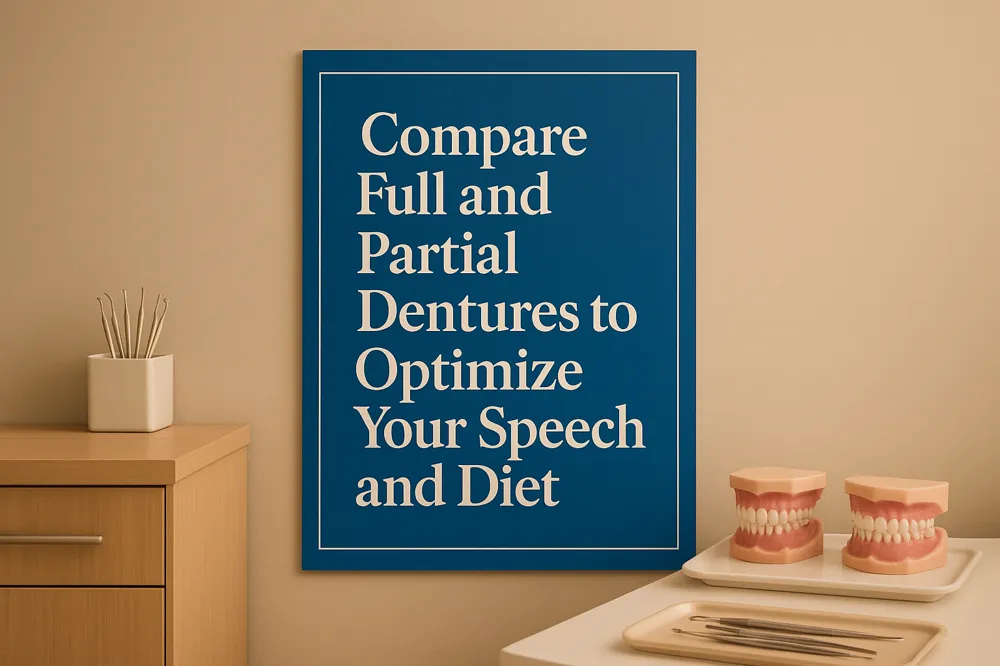
Full dentures replace all the teeth in either the upper or lower jaw and typically cover a larger area, such as the entire palate for upper sets. They rely on suction, adhesives, and the shape of the gums for stability. Partial dentures only replace some missing teeth, anchoring to remaining natural teeth with metal clasps or flexible materials, and cover less surface area.
Impact on Speech Clarity and Tongue Movement
Full upper dentures cover the palate, altering how the tongue interacts with the roof of the mouth, which can cause temporary speech difficulties with dentures, especially with sounds like 's', 'f', 'th,' 't', and 'd'. Partial dentures allow more tongue room, but their clasps and lack of full coverage can still affect speech. Lower dentures, whether full or partial, are more mobile due to less surface area and often cause greater speech challenges.
Effect on Chewing Force and Dietary Variety
Full dentures reduce bite force significantly—by up to 75% compared to natural teeth—often limiting the ability to chew tougher, nutrient-rich foods, impacting nutrition and dietary variety. Partial dentures improve chewing ability more than full dentures by preserving natural teeth and bite function but may still cause some limitations. Poorly fitting dentures, regardless of type, often lead to avoidance of hard, sticky, or chewy foods. This is well-documented in studies on denture use and nutrition.
Advantages of Implant-Supported Dentures
Implant-supported dentures, available for both full and partial types, provide greater stability and bite strength closer to natural teeth (up to 90%). This improvement supports clearer speech and allows a wider range of foods to be eaten, enhancing nutrition and overall quality of life.
Challenges Unique to Each Denture Type
Full dentures require significant adaptation due to their size and coverage, often causing more extensive changes in speech and eating habits initially. Partial dentures, while less invasive, demand care for remaining natural teeth and might have aesthetic concerns due to metal clasps. Both types benefit greatly from proper fitting, regular adjustments, and patient practice to regain speech clarity and comfortable eating.
Maintaining Optimal Oral Health with Dentures: Care and Professional Support

Daily Cleaning Routines for Dentures
Proper denture hygiene is essential for comfort and oral health. Patients should brush their dentures daily using a soft brush and non-abrasive, denture-specific cleaners to prevent plaque buildup and staining. Soaking dentures overnight in a dental cleaning solution helps maintain cleanliness and prevents bacterial growth (Partial dentures overview).
Importance of Removing Partial Dentures at Night
Removing partial dentures each night allows the gums and oral tissues to rest, reducing the risk of irritation, sores, and plaque accumulation. Continuous wear may cause discomfort and promote bacterial growth, which can lead to bad breath and oral health issues (Wearing partial dentures at night.
Regular Dental Visits for Adjustments and Monitoring
Routine check-ups with dental professionals are crucial for assessing denture fit and function. Adjustments can prevent soreness, improve comfort, and address any speech or chewing difficulties. Dental visits also ensure early detection of oral health changes and help maintain the longevity of dentures (Regular dental check-ups for dentures, Dentist visits for denture fit).
Role of a Compassionate Dental Care Team
Having a compassionate and multilingual dental team supports patients by easing anxiety and enhancing communication. This empathy and clear communication foster trust and ensure that patients fully understand care instructions, leading to better adherence and outcomes (Dentures and speech impact.
Use of State-of-the-Art Technology for Denture Fitting and Repair
Modern dental practices employ advanced technology such as digital impressions and precision fitting tools to create well-fitting, comfortable dentures. This technology facilitates efficient repairs and adjustments, improving patient satisfaction and oral function (Partial dentures overview.
| Aspect | Explanation | Benefit |
|---|---|---|
| Daily Cleaning | Use soft brushes and denture cleaners; soak overnight | Prevents plaque, reduces odor and staining |
| Night Removal | Denture removal every night for tissue rest | Reduces irritation and bacterial growth |
| Regular Dental Visits | Scheduled check-ups for fit and function | Enhances comfort and detects issues early |
| Compassionate, Multilingual Team | Provides emotional support and clear communication | Improves treatment understanding and trust |
| Advanced Technology | Utilizes digital fitting and precision repair methods | Ensures comfortable fit and efficient care |
Nutrition and Quality of Life: The Broader Impact of Wearing Dentures

Nutritional Challenges Linked to Denture Use
Wearing dentures can lead to significant nutritional challenges due to reduced chewing efficiency. Traditional dentures restore bite force to only about 20–25% of natural teeth, which limits the ability to chew tougher foods such as raw vegetables, fruits, and meats. This reduction often causes wearers to avoid nutrient-rich foods, leading to poorer dietary quality and a decline in nutritional markers over time (Impact of denture usage on dietary quality, Impact of dentures on nutrition, Impact of Dentures on Nutrition).
Impact of Denture Fit and Usage on Dietary Quality
The fit and usage patterns of dentures play a critical role in dietary intake. Poorly fitting or unstable dentures can cause discomfort, gum irritation, and slippage during meals, which increase dietary restrictions and food avoidance. Many denture users frequently remove their dentures while eating, which is associated with lower nutrition levels and avoidance of key food groups like fruits and whole grains. Regular dental check-ups and adjustments help improve fit, comfort, and eating ability (Partial dentures overview, Impact of denture usage on dietary quality, Dentures and eating habits).
Benefits of Implant-Supported Dentures for Nutrition
Implant-supported dentures improve biting force to approximately 90% of natural teeth, allowing users to chew a broader range of foods comfortably. This increased stability enhances nutrient intake, especially of hard-to-chew nutritious foods, positively influencing overall health and quality of life. Implant dentures also reduce the likelihood of denture slippage, improving both eating efficiency and speech clarity (How dentures impact nutrition, Benefits of implant dentures on nutrition, Dentures improve speech clarity).
Strategies to Maintain Balanced Diet and Nutrient Intake
To maintain balanced nutrition while wearing dentures, patients are encouraged to:
- Choose soft, nutrient-dense foods such as eggs, broiled fish, soft fruits, and cooked vegetables.
- Prepare foods by cutting into small pieces, steaming, or pureeing to ease chewing.
- Sit down while eating and chew slowly and evenly on both sides.
- Stay well-hydrated during meals to aid swallowing and denture comfort.
- Avoid sticky, tough, or hard foods that may dislodge dentures (Eating with a partial denture, Partial dentures and bite maintenance, Nutrition and denture wearers).
Influence of Dentures on Facial Appearance and Confidence
Beyond nutrition, dentures support facial muscles and contours, preventing the sunken look that occurs after tooth loss. They help restore a natural appearance and improve smile confidence. Properly fitted dentures provide structural support for speech and facial expressions, contributing to social comfort and overall well-being. Maintaining good denture hygiene and fit is essential to preserve these benefits and enhance patients' quality of life (Impact of dentures on facial appearance, Dentures improve speech clarity, Partial dentures overview).