

Introducing Tech‑Driven Invisible Braces for Professionals
SureSmile® blends 3‑D digital imaging, computer‑aided design and robotic precision to create custom clear aligners that are virtually invisible and fit the teeth effortlessly. A digital scan generates a virtual treatment plan that maps every tooth movement, allowing clinicians to predict the final smile and adjust in real time. For busy professionals, the removable, smooth trays mean no dietary restrictions, easy oral‑hygiene routines, and the ability to take the aligners out for meetings, travel or presentations—maintaining a polished appearance throughout treatment. David M.ayer, DMD’s Paterson practice builds on over 40 years of dental expertise, offering a multilingual team (English, Spanish, Arabic) and state‑of‑the‑art technology such as intra‑oral scanners and 3‑D printing. This combination of advanced SureSmile® technology and seasoned, patient‑focused care makes discreet orthodontics both convenient and reliable for the modern professional.
The Digital Backbone: How SureSmile Works
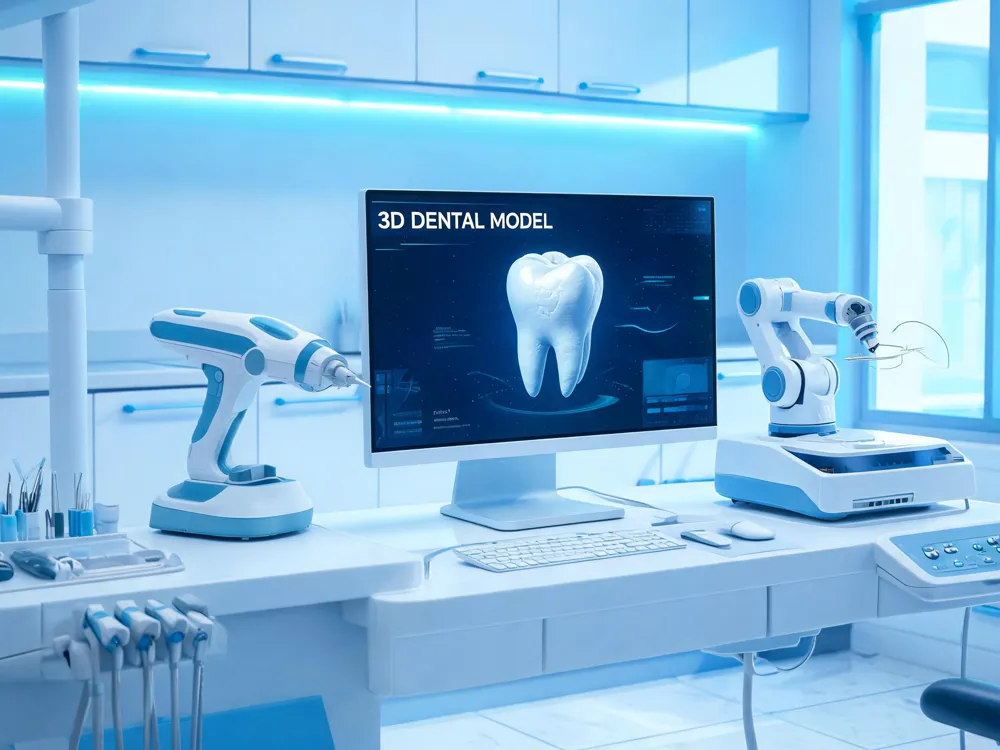 SureSmile’s digital workflow begins with 3‑D imaging and digital scanning. An intra‑oral scanner creates a precise 3‑D model of the patient’s teeth, which feeds into the custom treatment planning software. This software maps each tooth’s movement and generates a virtual smile projection that patients can view before any appliance is made.
For cases that need extra control, SureSmile adds robotic wire‑bending and SmartForce technology—a robot bends a memory‑alloy archwire to exact specifications, delivering lighter, more predictable forces. The system’s integration with Dentsply Sirona ensures that the same platform supports both clear aligners and robotically bent braces, providing a seamless experience for the clinician and patient.
FAQ
- SureSmile Dentsply: Developed by Dentsply Sirona, the world’s largest dental‑product manufacturer, SureSmile combines 3‑D imaging, CAD planning, and robotic wire‑bending. Over 100 000 cases show 75 % require one or no refinements, reflecting high predictability.
- SureSmile vs Invisalign: Both are clear‑aligner systems. Invisalign uses SmartTrack® material and has a broader network; SureSmile uses Essix Ace plastic, can incorporate robotically bent wires for complex moves, often shortens treatment to 6‑18 months, and may be more affordable.
- Which is faster?: SureSmile can show visible changes in 3‑6 months for mild‑to‑moderate cases, thanks to its robotic wire‑bending, whereas Invisalign typically needs at least six months.
- Is SureSmile cheaper than braces?: It costs more upfront ($3,500‑$6,000) than metal braces but often finishes sooner and requires fewer office visits, offsetting overall expense. Insurance and financing help.
- Do you get a retainer after SureSmile?: Yes—custom retainers are provided to stabilize the new tooth positions and prevent relapse.
- SureSmile bad reviews: Common complaints include mild initial discomfort, temporary speech changes, and occasional refinements for complex cases; overall satisfaction remains high.
- Suresmiles invisible braces price: Typically $3,500‑$6,000; insurance may cover part, and flexible payment plans are offered.
Patient Experience: Comfort, Aesthetics, and Lifestyle
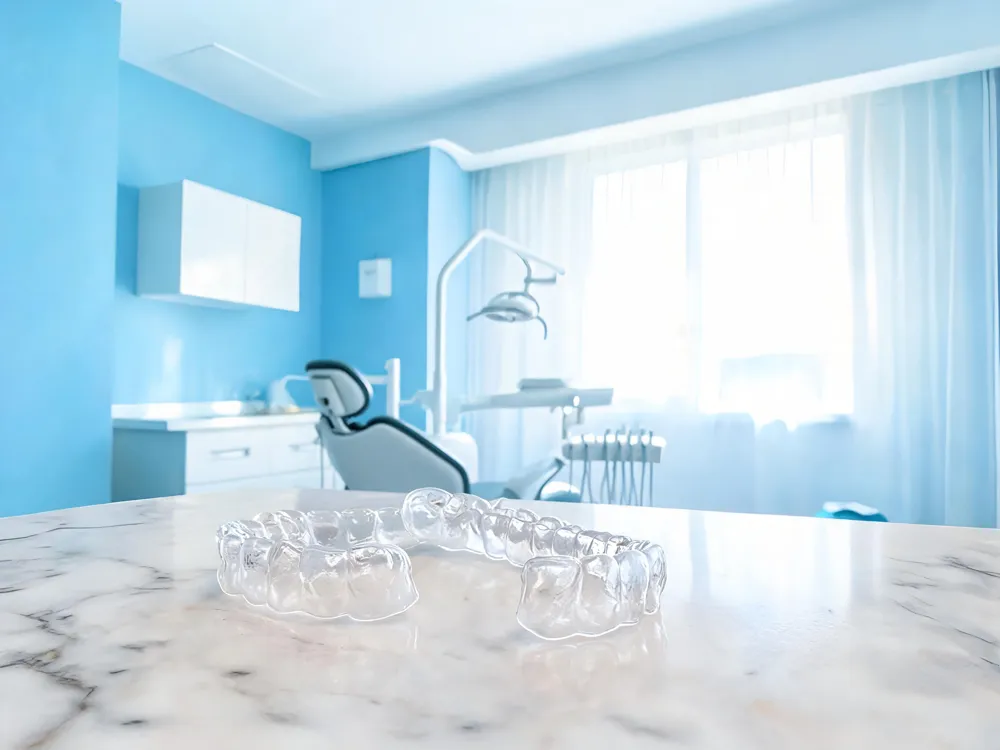 Clear aligners such as SureSmile® and Invisalign give busy adults a discreet, virtually invisible orthodontic option. The smooth, BPA‑free plastic trays blend with natural tooth color, preserving a professional appearance in meetings and presentations. Because they are removable, patients enjoy unrestricted eating, easy brushing and flossing, and can pause treatment for intimate moments—yes, you can kiss your partner while wearing aligners, and you may even remove them for added comfort. Speech changes are usually mild and fade within days. The lifestyle benefits are clear: fewer office visits, customizable treatment timelines (typically 6‑18 months for mild to moderate cases), and the ability to travel with a compact case. However, aligners rely on patient compliance (20‑22 hours wear daily) and may be less effective for severe malocclusions, large tooth rotations, or complex overbites. Costs are higher than traditional braces, with prices often ranging from $3,500 to $7,500, but many practices offer financing, insurance, and HSA/FSA options. Overall, clear aligners combine comfort, aesthetics, and convenience—making them an attractive solution for professionals seeking a seamless orthodontic experience.
Treatment Timelines, Compliance, and Retention
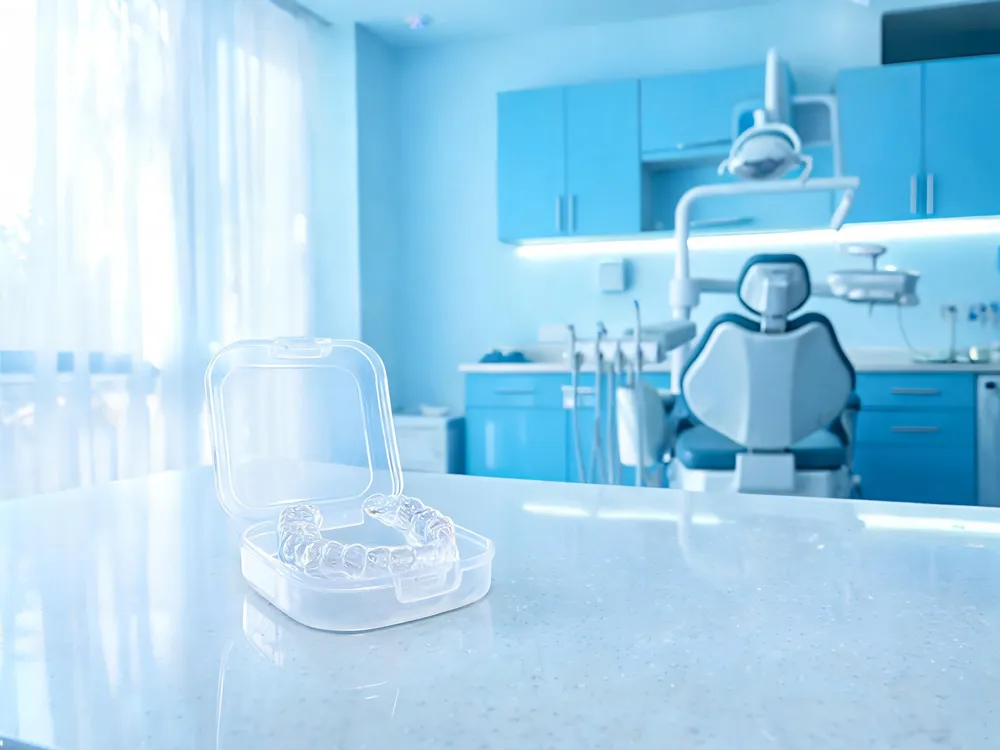 Clear aligner therapy—whether SureSmile® or Invisalign—generally finishes in 12‑18 months for mild‑to‑moderate cases, while traditional metal braces often require 18‑24 months. The difference is that braces work continuously without patient effort, whereas aligners depend on the wearer keeping them on 20‑22 hours daily. For many patients, SureSmile’s robotic wire‑bending and SmartForce technology can accelerate results, showing noticeable movement in as little as three to six months, whereas Invisalign typically needs at least six months before changes become evident.
After the active phase, a custom retainer is supplied to stabilize the new tooth positions; most dentists recommend full‑time wear for the first few weeks, then nighttime only. Retention is essential because the supporting bone and ligaments need time to remodel.
Clear aligners also reduce the number of in‑office visits: a series of trays is often delivered at once, and check‑ins occur only every 4‑8 weeks, compared with monthly adjustments for braces. If a patient’s teeth do not shift as planned, a refinement—usually a new set of trays—can be added; studies show that 75 % of SureSmile cases require no more than one refinement.
Cost‑wise, SureSmile invisible braces range from $3,500‑$6,000, slightly higher than metal braces but offset by fewer appointments and shorter treatment times. Most practices accept insurance and offer flexible financing, making the investment manageable for busy professionals.
Professional Pathways: Dental Technology and Careers
 Dental technology offers a distinct career track from clinical dentistry. While dentists diagnose and treat patients, dental technicians work behind the scenes, designing and fabricating appliances such as crowns, bridges, dentures, and clear‑aligner trays.
Education routes include full‑time associate‑degree programs (typically two to three years) and foundation diplomas that can be completed in about two years; part‑time options or BTEC Level 3 qualifications may take longer. Bachelor’s degrees are available for those seeking deeper specialization. After graduation, technicians usually sit for the National Board for Certification in Dental Laboratory Technology exam to earn professional certification.
Career opportunities span hospital labs, commercial laboratories, private dental offices, and specialty areas like orthodontics (e.g., SureSmile® and Invisalign aligners), prosthodontics, and implant conservation. Technicians can also advance into laboratory management, education, or research roles.
Key differences between dentistry and dental technology: dentists perform chair‑side procedures, while technicians operate in a lab setting without direct patient interaction.
Disadvantages of clear aligners include limited effectiveness for severe malocclusions, strict compliance (20‑22 hours daily wear), higher cost compared with metal braces, and the risk of losing or damaging trays, which can affect treatment outcomes.
Financial Considerations, Insurance, and Value
 Clear‑aligner therapy can be more expensive upfront than traditional metal braces, but the reduced treatment time (often 6‑18 months and fewer office visits can lower overall costs. SureSmile™ invisible braces typically range from $3,500‑$6,000, Invisalign averages $4,500‑$6,000, while conventional braces usually cost $2,500‑$5,000 but may require 2‑3 years of care. Most dental insurance plans cover a portion of orthodontic treatment, including SureSmile; many reimburse $1,500‑$2,500, and HSA/FSA funds are eligible for all three options. Practices often offer flexible financing—interest‑free monthly plans, CareCredit, and low‑interest loans—to spread payments. In the long term, clear aligners improve oral‑hygiene access, reduce plaque buildup, and decrease the risk of gum disease, delivering lasting health benefits that outweigh the initial expense.
Is SureSmile cheaper than braces? No; it generally costs more upfront ($3,500‑$6,000) but may be cheaper overall due to a shorter, less invasive course. SureSmile invisible braces price? $3,500‑$6,000, including digital scanning, custom trays, and retainers. Is $6,000 normal for Invisalign? Yes; adult cases often fall in the $4,500‑$6,000 range. Dental insurance coverage for SureSmile? Many plans cover part of the cost; we can verify benefits and maximize reimbursement. Financing options for orthodontic care? We provide monthly payment plans, interest‑free financing, CareCredit, and accept HSA/FSA accounts.
Putting Technology and Style Together for Your Smile
SureSmile® clear aligners combine 3‑D digital scanning, AI‑driven treatment simulation, and BPA‑free thermoplastic trays to move teeth predictably, comfortably, and virtually invisibly. Patients enjoy shorter treatment cycles (6‑18 months for most mild‑to‑moderate cases), fewer office visits, and the freedom to eat, brush and floss without restrictions—key advantages for professionals with tight schedules. Our Paterson practice leverages state‑of‑the‑art intra‑oral scanners, virtual check‑ins, and a multilingual team (English, Spanish, Arabic) to keep appointments brief, communication clear, and care personalized. We provide flexible financing, insurance coordination, and after‑hours availability so treatment fits seamlessly into a busy lifestyle. Ready to experience discreet, technology‑driven orthodontics? Contact us to schedule a consultation, receive a digital smile preview, and start a treatment plan that blends cutting‑edge precision with the aesthetic confidence you deserve.