Understanding Dental Emergencies and Their Urgency
Definition of Dental Emergency
A dental emergency is an urgent medical condition related to the teeth, gums, or mouth that requires immediate attention to prevent serious harm. This includes severe pain, uncontrolled bleeding, infection, or trauma such as broken facial bones. The American Dental Association describes dental emergencies as potentially life-threatening situations that demand prompt professional intervention.
Common Dental Emergencies
Common emergencies include knocked-out teeth, severe toothaches, abscesses, broken or cracked teeth, lost fillings or crowns, soft tissue injuries with bleeding, and dislodged or partially dislodged teeth. These conditions not only cause significant discomfort but can also lead to further complications if not treated quickly.
When Dental Conditions Require Immediate Care
Immediate care is essential when there is:
- Severe tooth pain that doesn’t improve with medication
- Bleeding that will not stop despite pressure
- A knocked-out tooth requiring reimplantation ideally within an hour
- Signs of infection such as swelling, pus, or fever
- Trauma involving facial bones or soft tissue injuries with extensive bleeding
In such cases, contacting a dentist immediately or visiting an emergency room is critical. Quick response can save teeth, prevent infection, and avoid more invasive treatments.
| Emergency Situation | Immediate Action | Reason for Urgency |
|---|---|---|
| Knocked-out tooth | Handle by crown, keep moist, seek dental care within 1 hour | Increases chances of tooth reimplantation |
| Severe uncontrolled bleeding | Apply firm pressure, visit ER if persists | Risk of significant blood loss |
| Dental abscess | Saltwater rinse, urgent dental visit | Prevents spread of infection |
| Broken or cracked tooth | Rinse and cold compress, seek prompt care | Avoids further damage and infection |
Recognizing these situations and acting promptly ensures the best possible outcome and helps maintain oral health and patient well-being.
Recognizing Life-Threatening Dental Emergencies
What constitutes a life-threatening dental emergency?
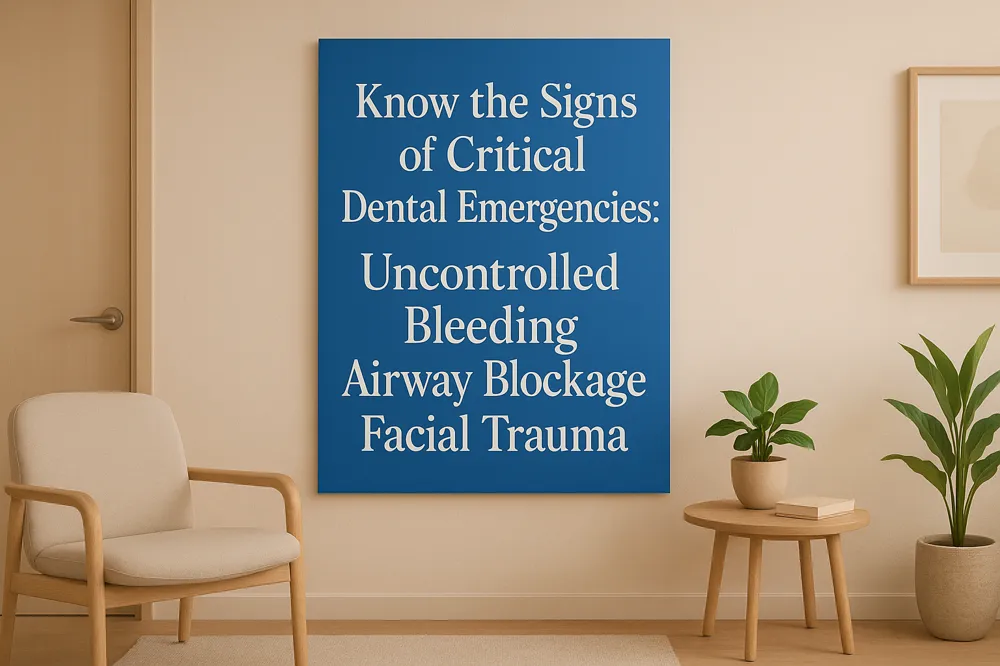
Life-threatening dental emergencies encompass situations that demand immediate medical attention to prevent serious health risks or death. They include:
- Uncontrolled bleeding: Bleeding in or around the mouth that cannot be stopped with gentle pressure is a critical emergency.
- Airway-compromising infections: Infections causing swelling that may block the airway, such as severe abscesses or soft-tissue infections of the mouth and throat.
- Facial bone trauma: Trauma involving broken facial bones, such as a fractured jaw or shattered facial structures, which can disrupt breathing or cause other severe complications.
Examples of life-threatening emergencies
Common examples of these include:
- Severe oral or facial bleeding following trauma.
- Soft tissue infections progressing with marked swelling affecting breathing.
- Fractures of the jaw or cheekbones following accidents or severe injury.
When to go directly to an emergency room
Patients experiencing any of these signs should seek immediate care in an emergency room rather than a dental office. Emergency rooms are equipped to manage severe bleeding, secure airways, and stabilize facial injuries before dental treatment can proceed.
Recognizing these critical symptoms enables prompt action that can save lives and reduce the risk of permanent injury. Always contact emergency services or present to an emergency room if a dental emergency involves uncontrolled bleeding, airway compromise, or facial bone trauma.
Urgent but Non-Life-Threatening Dental Emergencies: When to Contact an Emergency Dentist
What types of dental emergencies require prompt care but are not life-threatening?
Urgent dental issues that require immediate attention, though not life-threatening, include severe toothache that may be accompanied by swelling or fever, which often signals infection or advanced decay. Another such emergency is a knocked-out tooth, which demands fast action—ideally reimplantation of knocked-out teeth within 30 to 60 minutes—to increase the chance of saving the tooth.
Dental abscess also fall under this category, requiring swift professional care to treat infections and prevent spread. Broken or chipped teeth necessitate prompt dental examination and treatment to prevent further damage or complications. Lost fillings or crowns expose the tooth to potential decay and sensitivity and should be addressed quickly to restore protection and function.
Manageable soft tissue injury in mouth, such as cuts or lacerations within the mouth where bleeding can be controlled with gauze or pressure, also require urgent but non-emergency care.
Importance of quick dental intervention
Quick intervention is essential for these conditions to prevent worsening pain, infection spread, or permanent tooth loss. Emergency dentists provide treatments such as pain management, reattachment of teeth, fillings, crowns, or antibiotics. Delaying care can result in more invasive procedures or complications.
Choosing to contact an emergency dentist over an emergency room for these non-life-threatening issues is typically more effective, providing specialized dental treatment that emergency rooms cannot offer.
| Dental Emergency Type | Urgency Level | Immediate Action Required |
|---|---|---|
| Severe Tooth Pain | Urgent, non-life-threatening | Contact emergency dentist promptly; assess for infection |
| Knocked-Out Tooth | Urgent, non-life-threatening | Preserve tooth in milk; seek care within 1 hour |
| Dental Abscess | Urgent, non-life-threatening | Rinse with salt water; seek urgent dental treatment |
| Broken or Chipped Teeth | Urgent, non-life-threatening | Rinse mouth; save fragments; see dentist promptly |
| Lost Fillings or Crowns | Urgent, non-life-threatening | Protect exposed tooth; see dentist |
| Soft Tissue Injuries (manageable bleeding) | Urgent, non-life-threatening | Apply pressure; seek dental care if bleeding persists |
Immediate First Aid and Home Management for Common Dental Emergencies
How to Manage Knocked-Out Teeth
In cases of a knocked-out tooth, handle the tooth carefully by the crown, avoiding touching the root to prevent damage. Rinse the tooth gently with water if dirty but avoid scrubbing to preserve delicate tissue. If possible, reinsert the tooth into the socket within 30 to 60 minutes for the best chance of saving it.
Proper Storage and Transportation of Teeth
If reinsertion is not feasible, place the tooth in a safe storage medium. Milk is commonly recommended due to its protective properties. Alternatively, use specialized tooth preservation mediums such as Save-a-Tooth. Keeping the tooth moist is essential to maintain viability until professional dental care is available.
Controlling Bleeding
For bleeding from soft tissue injuries, apply firm pressure using clean gauze or a moistened tea bag to help clot formation. Continue pressure for at least 10 to 15 minutes or until bleeding lessens. This step is critical to prevent excessive blood loss and to stabilize the injury before seeking dental care.
Benefits of Rinsing and Cold Compresses
Rinse the mouth gently with warm salt water to clean wounds and aid in reducing infection risks, especially in cases of dental abscess or soft tissue injury. Applying a cold compress externally to the affected area can help reduce swelling and numb pain, providing temporary relief. These are recommended first aid steps for dental emergencies.
Temporary Measures for Lost Crowns or Fillings
If a crown or filling falls out, the restoration should be saved and brought to the dentist. Temporarily, the area can be protected using dental wax or sugarless chewing gum, which helps prevent sensitivity and discomfort until definitive treatment is possible. These are common practices noted in emergency dental care.
Managing Toothaches and Soft Tissue Injuries
For toothaches, rinse the mouth thoroughly, remove any food debris with dental floss, and take over-the-counter pain relievers as needed. Avoid placing aspirin directly on the tooth as it can cause irritation. For mild soft tissue injuries, maintain cleanliness through rinsing and apply pressure for bleeding; if bleeding persists, seek emergency care.
Immediate and appropriate home management of dental emergencies can significantly improve outcomes and prevent further complications before professional treatment is obtained.
Dental Emergency Care Options in the U.S.: Choosing Between Emergency Dentist and Emergency Room
When should a patient go to an emergency room versus an emergency dental clinic?
Patients experiencing severe dental emergencies requiring immediate attention involving broken facial bones, uncontrollable bleeding, or airway obstruction should immediately visit an emergency room for dental issues. These situations require urgent medical intervention beyond dental care capabilities. For most other dental emergencies such as knocked-out teeth, abscesses, severe tooth pain, or broken dental restorations without major trauma, contacting an emergency dentist is the recommended course of action.
Differences in care provided at ER vs dental office
Emergency dental clinics specialize in restorative treatments like reimplantation of knocked-out teeth, root canals, extractions, and repairing crowns or fillings. Meanwhile, emergency rooms primarily focus on controlling pain, managing infections with antibiotics, and addressing critical medical conditions. ERs cannot perform definitive dental procedures, so patients often need follow-up dental visits after ER treatment.
When to call emergency dental service
Emergency dental services should be contacted promptly for issues like displaced or broken teeth, severe toothaches, abscesses, or soft tissue injuries that are bleeding but not life-threatening. Emergency dentists commonly accept walk-in patients 24/7, allowing rapid access to specialized care.
After-hours dental care availability
Many dental practices in the U.S. offer after-hours emergency phone lines or dedicated emergency services to support patients outside regular business hours. This availability is crucial for timely intervention and preventing complications.
Insurance coverage considerations
Dental insurance typically covers emergency dental visits, while emergency room visits for dental problems fall under medical insurance. ER visits often result in higher out-of-pocket expenses for dental issues, making emergency dentists a more cost-effective option for dental crises.
Risks of visiting the ER for dental emergencies
Relying on ERs for dental emergencies can delay appropriate restorative treatment and increase patient costs. Additionally, ER providers may only provide temporary relief through pain management or antibiotics without addressing the underlying dental problem.
Choosing an emergency dentist for dental emergencies ensures specialized, immediate care that preserves oral health, reduces costs, and offers comprehensive treatment options beyond symptom management.
Preventing Dental Emergencies: Practical Tips and Protective Measures
What steps can individuals take to prevent dental emergencies?
Preventing dental emergencies largely depends on adopting everyday protective and preventive practices. One of the most effective measures is wearing mouthguards or face shields during sports and recreational activities. These protective devices significantly reduce the risk of dental trauma from impacts and falls.
Avoiding hard foods such as ice, hard candies, or un-popped popcorn kernels is another crucial step. Likewise, never use teeth as tools to open bottles, packages, or other objects to avoid chips, cracks, or breaks.
Regular dental hygiene plays a fundamental role as well. Maintaining good oral health with daily brushing, flossing, and regular dental check-ups helps detect and treat issues like cavities and gum problems early, preventing sudden emergencies like severe toothaches or dental abscesses.
Childproofing homes by securing furniture edges, removing trip hazards, and supervising young children prevents common accidents that can lead to dental injuries.
Finally, promptly addressing even minor dental issues early on prevents them from escalating into severe emergencies, ensuring better outcomes and less invasive treatments.
These combined practices can substantially decrease the likelihood of facing urgent dental problems and improve overall oral health.
What to Expect During an Emergency Dental Visit
Initial assessment and diagnostic procedures
When you arrive for an Emergency Dental Visit, the dentist begins with an initial assessment to understand the severity and specifics of your issue. This often includes diagnostic tools such as X-rays to identify fractures, infections, or other underlying problems.
Pain management and treatment options
Pain relief is a primary focus. The dentist may administer medications or local anesthesia to manage discomfort. Treatments vary depending on the emergency, including draining dental abscesses, controlling bleeding, or alleviating infection.
Possible procedures like fillings, extractions, root canals
Based on diagnosis, procedures may range from simple fillings and re-cementing crowns to more involved treatments like root canal therapy or tooth extraction. Immediate repair of damaged teeth helps prevent further complications.
Importance of follow-up care
After addressing the emergency, the dentist schedules follow-up visits to monitor healing, complete necessary restorative work, and prevent future issues. Timely care ensures optimal recovery and oral health.
Preparation and sharing information with dentist
Before your emergency visit, gather details about symptoms, medical history, and insurance. Communicating all relevant information helps the dentist tailor treatment effectively and ensures you receive appropriate care promptly.
Navigating Dental Emergencies in Paterson, New Jersey: Local Resources and Accessibility
What emergency dental care services are accessible in Paterson, NJ, and what should patients expect?
In Paterson, New Jersey, residents have access to comprehensive Emergency Dental Care Overview available 24/7, designed to address urgent oral health issues promptly and effectively. Dental practices in the area boast compassionate, multilingual teams proficient in English, Spanish, and Arabic, ensuring clear communication and empathetic support for a diverse patient population.
State-of-the-art technology plays a crucial role in these facilities, enabling swift diagnosis and efficient treatment plans. Patients can expect care for various dental emergencies, such as severe tooth pain, knocked-out teeth, broken or chipped teeth, lost fillings or crowns, dental abscess, and even pediatric dental emergencies.
The emergency services offered include tooth extractions, root canal therapy, filling repairs, denture adjustments, and management of infections to prevent complications. Emphasis is placed on contacting your dental provider immediately when a dental emergency arises, which ensures timely interventions that increase the chances of saving natural teeth and alleviate intense pain.
By seeking prompt professional dental care in Paterson, patients benefit from advanced treatments delivered with cultural sensitivity and dedicated support, fostering trust and improved oral health outcomes.
Key Takeaways for Handling Dental Emergencies Effectively
Recognizing Signs of Dental Emergencies
Immediate attention is needed for severe tooth pain, uncontrolled bleeding, knocked-out or fractured teeth, abscesses, and significant swelling or facial trauma.
Prompt Contact with Dental Professionals
Contact your dentist first in most cases. If unavailable, urgent care or emergency rooms are appropriate for severe infection or facial injuries.
Proper Home First Aid
Handle knocked-out teeth by the crown, rinse gently, and store them in milk or specialized solutions. Control bleeding with gauze and reduce swelling using cold compresses.
Appropriate Care Setting Selection
Emergency rooms manage pain and infections but cannot restore dental structures; emergency dentists provide definitive treatments.
Preventive Strategies
Use mouthguards during sports, avoid hard foods, maintain good oral hygiene, and attend regular dental check-ups to reduce emergency risks.