Why Managing Pain Quickly Matters
Pain after a tooth extraction can quickly turn a normal workday into a period of distraction and reduced productivity. Throbbing discomfort, facial swelling, or lingering ache may make concentration difficult, cause frequent breaks, and increase the likelihood of errors, especially in jobs that require speaking, hand‑eye coordination, or heavy lifting. The primary goals of post‑extraction care are to control inflammation, protect the blood clot, and prevent infection so that the socket can heal while the patient remains functional. A balanced plan combines safe analgesics—ideally ibuprofen together with acetaminophen—to reduce inflammation and pain without the side‑effects of opioids, with non‑pharmacologic measures such as intermittent ice packs, head elevation, and a soft‑food diet. By following these steps, patients can minimize discomfort, avoid complications like dry socket, and return to work promptly and safely. This approach also supports healing, allowing a smoother transition back to responsibilities.
First Night Care: Controlling Swelling and Bleeding
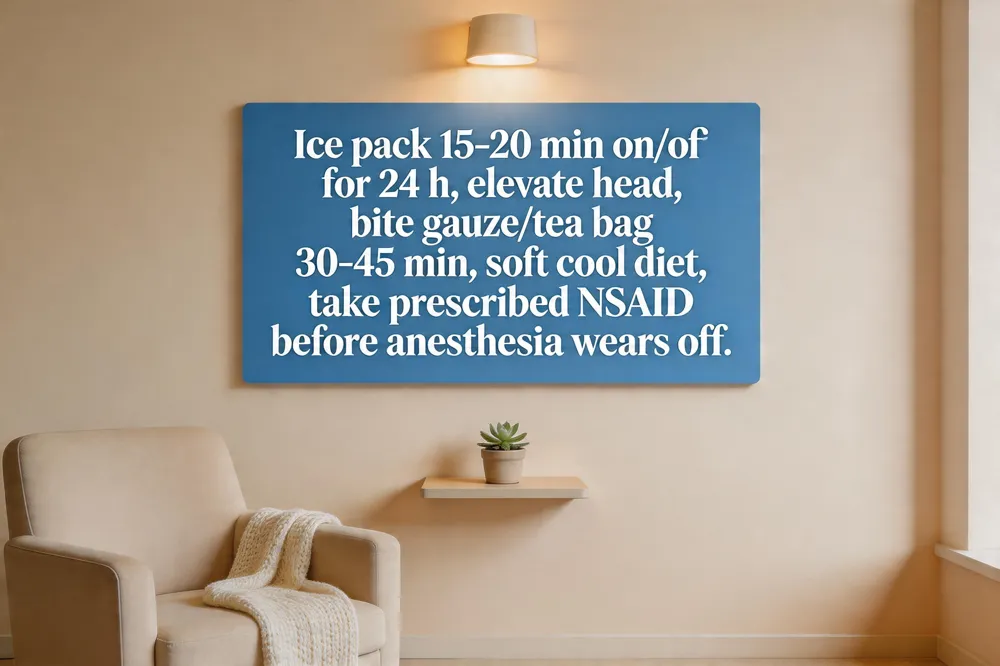 The first night after tooth extraction is often the most uncomfortable, with mild bleeding, swelling, and a throbbing sensation as the blood clot forms. To keep swelling in check, apply a cold pack wrapped in a thin cloth to the cheek for 15‑20 minutes, then remove it for 15‑20 minutes, repeating for the first 24 hours. Elevate your head on one or two pillows while resting or sleeping to lessen blood flow to the socket and reduce throbbing pain. For bleeding control, bite gently on fresh gauze or a damp tea bag for 30‑45 minutes; replace the gauze as needed until the flow subsides, then continue with light pressure if occasional oozing occurs. Stick to a soft, cool diet—applesauce, yogurt, mashed potatoes, smoothies and avoid straws, hot or crunchy foods for at least 24‑48 hours. Take the dentist‑prescribed pain medication or an over‑the‑counter NSAID such as ibuprofen before the anesthetic wears off, and rest quietly, avoiding heavy activity to protect the clot and lower the risk of dry socket.
Medication Management: How Long and What to Take
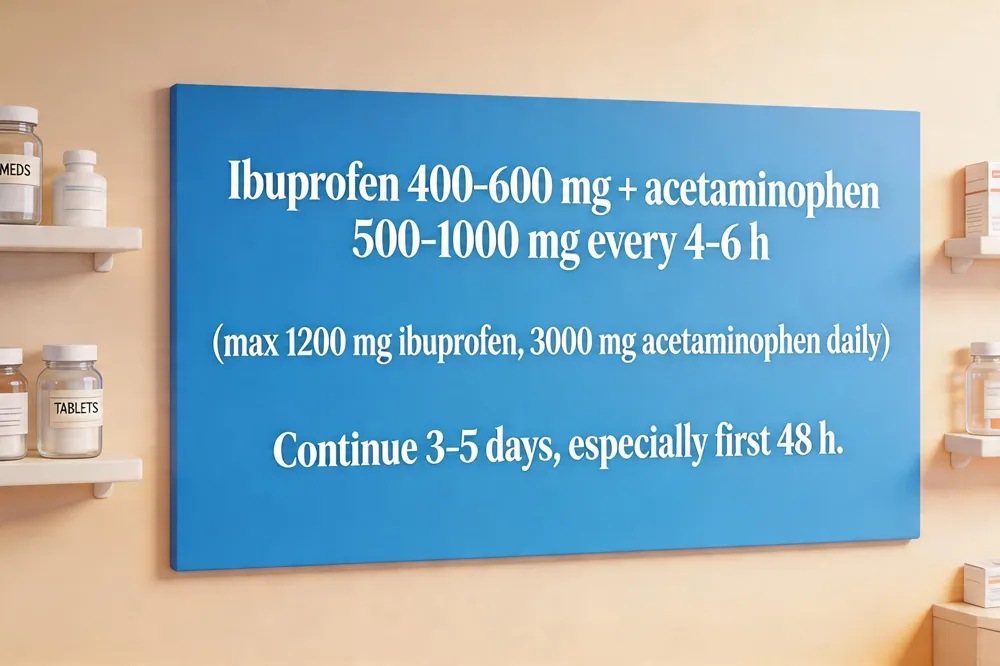 Effective pain control after a tooth extraction hinges on a structured medication plan. most ibuprofen‑acetaminophen combination is the most evidence‑based choice; ibuprofen (400‑600 mg) reduces inflammation while acetaminophen (500‑1000 mg) blocks pain signals centrally, giving superior relief to either drug alone and to most opioids. Begin dosing as soon as the local anesthetic fades, typically within the first hour, and repeat every 6‑8 hours. The combined regimen can be taken every 4‑6 hours, not exceeding 1,200 mg of ibuprofen and 3,000 mg of acetaminophen daily for OTC use (higher limits apply with prescription guidance). Most patients need analgesics for about 3‑5 days, with the greatest need during the first 24‑48 hours; continue ibuprofen for the full four‑day period even if pain eases, as it controls swelling and promotes healing. Dentists usually prescribe this OTC combo or a short course of a stronger analgesic for breakthrough pain, reserving opioids for severe cases. If ibuprofen is contraindicated (e.g., ulcer disease or kidney issues), acetaminophen alone can be used, but the anti‑inflammatory benefit will be lost. Always follow the dentist’s specific dosage instructions and stop the medication once pain resolves or side effects appear.
Avoiding Complications: Dry Socket and Infections
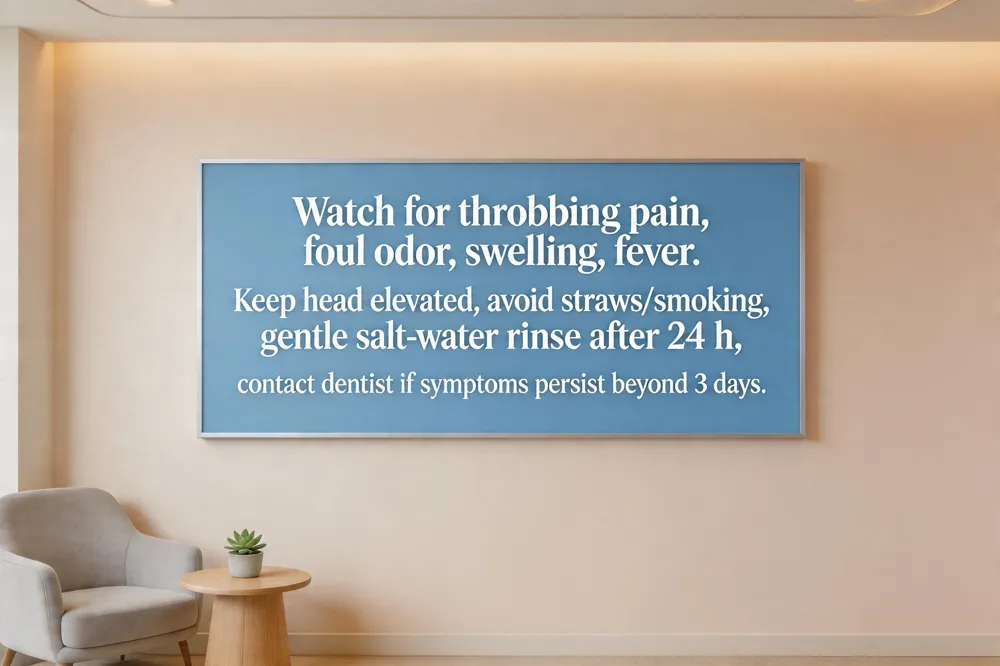 Dry socket and infection are the most common post‑extraction complications.
Signs of dry socket – severe throbbing that peaks around day 3, radiating to the ear or eye, foul taste or odor, exposed bone, and sometimes low‑grade fever.
Infection warning signs – increasing swelling after 48 h, pus or drainage, persistent bad breath, fever ≥ 100.4 °F, or pain that worsens despite NSAIDs.
Clot‑protective behaviors – keep the head elevated, avoid straws, smoking, alcohol, and vigorous rinsing for at least 24‑48 h; soft, cool foods; apply ice packs for 15‑20 min on/off during the first day, then switch to a warm compress after 48 h; gently rinse with warm salt water (½ tsp salt in 8 oz water) after the first 24 h.
When to contact the dentist – any throbbing pain that persists beyond three days, sudden pain spikes, swelling that does not subside, foul taste/odor, or fever. Prompt evaluation can prevent a dry socket or infection from worsening.
Answering common concerns –
- Throbbing pain 3 days after extraction: often normal inflammation, but if it is intense, radiating, or accompanied by foul odor, it may indicate dry socket or infection; seek dental care.
- Pain after 5 days: should be decreasing; persistent sharp pain suggests complications and warrants a dentist visit.
- Things to avoid: Avoid smoking, straws, alcohol, hot/spicy/acidic foods, crunchy or sticky foods, vigorous rinsing, and heavy physical exertion for the first 48‑72 h.
Following these guidelines, pain control pain swelling and helps you return to work safely.
Work‑Related Considerations: Lifting, Speaking, and Time Off
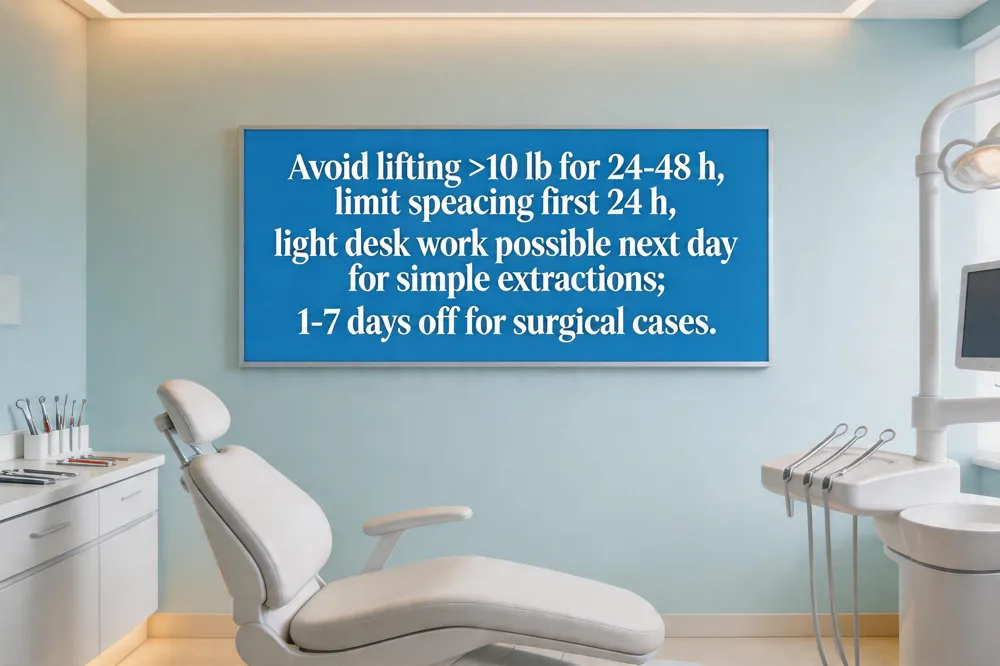 After a tooth extraction, managing physical and oral activities is crucial to protect the blood clot and promote healing.
Impact of heavy lifting on clot stability – Vigorous exertion raises blood flow to the head and can dislodge the clot, increasing the risk of dry socket or excessive bleeding. For the first 24‑48 hours avoid lifting anything heavier than about 10 lb. Simple extractions often allow a return to light duties after two days, while surgical or wisdom‑tooth extractions may require five to seven days before resuming heavy lifting.
Speech restrictions in the early days – Local anesthesia wears off within 2‑3 hours, but speech should be limited during the first 24 hours to prevent disturbance of the clot. Speak slowly, use short phrases, or write notes if needed. By day 2‑3 normal conversation can resume, but avoid long, vigorous talks until swelling subsides.
Guidelines for taking sick leave – Most patients can return to light desk work the next day after a simple extraction. If the procedure was surgical, involved multiple teeth, required sedation, or if you experience significant swelling, dizziness, or drowsy pain medication, take at least one full day off. Follow cold‑compress, soft‑food, and head‑elevation recommendations to speed recovery.
Special cases: bone grafts and wisdom teeth – After an extraction with a bone graft, light desk work is usually acceptable after 1‑2 days, but avoid heavy activity for the first week to allow graft integration. Wisdom‑tooth removals may need three days off, especially for impacted or multiple teeth, with strict avoidance of straws, smoking, and vigorous rinsing. Monitor for pain, swelling, or signs of infection, and contact your dentist promptly if they occur.
Home Remedies and Supportive Measures
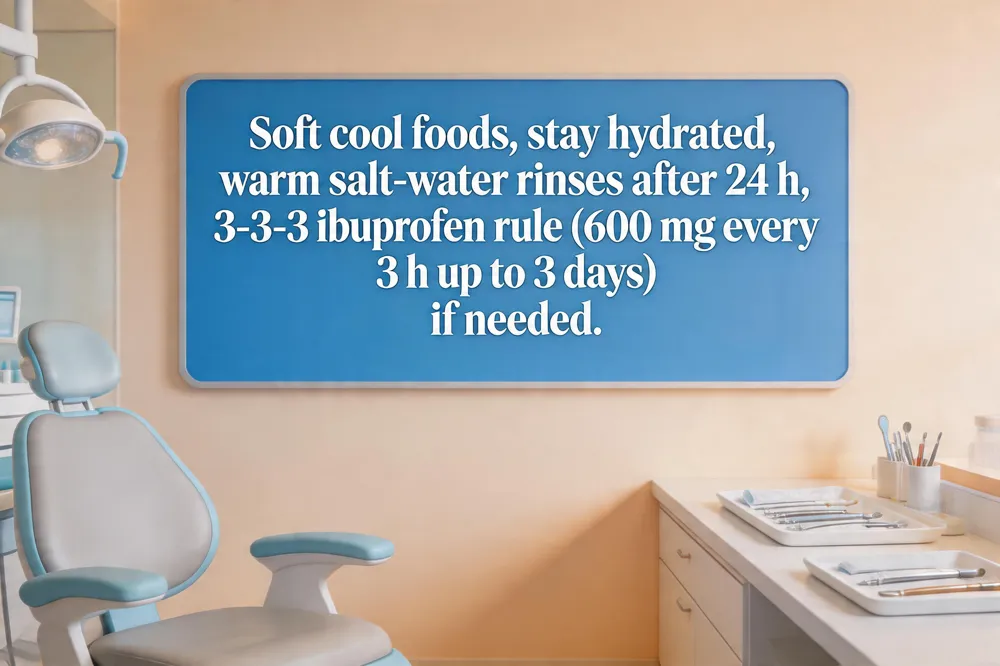 Tooth extraction pain relief home remedies – Follow the steps above, keep foods soft and cool, and seek dental care if pain worsens or infection signs appear.
Why no ibuprofen after tooth extraction – Ibuprofen can thin the blood, impede clot formation, and suppress necessary inflammation, raising the risk of prolonged bleeding, dry socket, or delayed healing; acetaminophen or prescribed analgesics are safer alternatives in the first 24‑48 hours.
What is the 3‑3‑3 rule for toothache? – Take three 200 mg ibuprofen tablets (600 mg total) every three hours for up to three days; if pain persists beyond this period, consult a dentist promptly.
Summary and Quick Checklist for a Smooth Return to Work
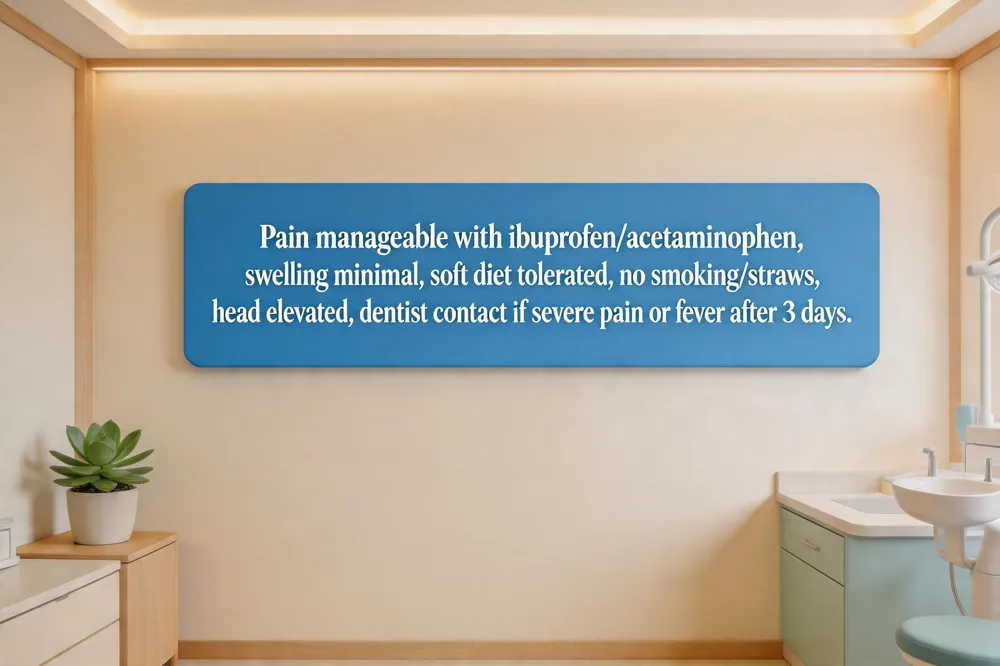 Key pain‑control steps: Begin with ibuprofen (400‑600 mg) every 6‑8 hours, adding acetaminophen (500‑1000 mg) on a staggered schedule for synergistic relief; switch ice packs to a wrapped towel for 15‑20 minutes on/off during the first 24‑48 hours (helps reduce swelling and pain), then warm compresses after 48 hours. Do’s and don’ts in the first week: Keep the head elevated, eat soft cool foods (yogurt, mashed potatoes, smoothies), stay hydrated, and gently rinse with a warm salt‑water solution after 24 hours. Avoid smoking, straws, vigorous rinsing, and heavy lifting for at least 48‑72 hours; refrain from hot, spicy or crunchy foods avoid hard, crunchy, and spicy foods. When to call the dentist: Persistent severe pain beyond 3‑4 days, fever, swelling, foul odor, or any sign of dry socket. Final reminders for work‑day readiness: Ensure pain is manageable with medication, swelling is minimal, and you can eat soft foods without discomfort before resuming duties Employing a structured pain‑management plan—combining medication, ice/heat therapy, head elevation, and proper oral hygiene—can shorten recovery time and enable a faster return to work.
Putting It All Together
Rapid pain control after a tooth extraction hinges on a multimodal approach. Ice the 15‑20 minutes on, 15‑20 minutes off for the first 24‑48 hours curtails swelling, while a scheduled regimen of ibuprofen (400‑600 mg every 6‑8 hours) combined with acetaminophen (500‑1000 mg every 6 hours) offers superior analgesia to either drug alone and reduces reliance on opioids. Protecting the blood clot is equally critical: avoid sucking motions (straws, smoking, vigorous spitting) for at least 72 hours, keep the head elevated with pillows, and begin gentle warm salt‑water rinses (½ tsp salt in 8 oz warm water) only after the first 24 hours to clean the socket without dislodging the clot. With pain managed and the clot stable, most patients can resume light, non‑strenuous work within 24‑48 hours; those with physically demanding jobs should limit heavy lifting and vigorous activity for 2‑3 days, returning fully when swelling subsides and comfort is maintained.