Prioritizing Longevity and Function for Your Dental Crowns
Dental crowns act as durable caps designed to restore teeth that are broken, decayed, or weakened. While these restorations provide significant structural support, they are not entirely immune to damage. The tooth structure remaining beneath the crown stays susceptible to decay, making consistent oral hygiene essential for long-term health.
At davidmmayerdmd.com, our dental team emphasizes that while the average lifespan of a crown is five to 15 years, many patients can help their restorations last for decades through rigorous care and regular professional monitoring. Unlike some high-volume corporate clinics that may overlook personalized maintenance advice, we take time to help you develop a routine that protects the margins where the crown meets your natural tooth.
Diligent self-care involves brushing twice daily with a soft-bristled toothbrush and daily flossing to clear plaque. You should also avoid chewing on extremely hard items such as ice or popcorn kernels, which can cause chips or fractures. If you suffer from bruxism, a custom night guard can protect the restoration from excessive grinding forces, a proactive measure we prioritize to ensure your crown stays securely in place.
Defining the Restoration: Crowns versus Tooth Caps
 Many patients wonder if there is a technical distinction between a tooth cap and a dental crown. In clinical practice, these terms are interchangeable. A dental crown is the formal, professional designation, while a tooth cap is the colloquial term used because the prosthetic literally covers the visible portion of the tooth. Both describe the same custom-made restoration engineered to shield and strengthen teeth compromised by extensive decay, fractures, or root canal therapy.
At davidmmayerdmd.com, we utilize these restorations to rebuild tooth structure and restore chewing function that might otherwise be lost to structural damage. This ensures that the restored tooth functions naturally within your bite, providing long-term support for your overall oral hygiene and dental health.
When to consider a crown for dental health rejuvenation
Deciding when to move forward with a crown is an important step in preventing further dental deterioration. You should generally consider this restoration if your tooth has experienced significant wear, trauma, or if it remains vulnerable following a complex procedure. Identifying these signs early allows for proactive care, helping you avoid more invasive interventions later on. If you are experiencing persistent sensitivity or notice structural changes, consulting with a professional ensures that your restoration preserves as much natural tooth structure as possible.
Materials and Procedures for Your Custom Restoration
 Selecting the right dental crowns depends on balancing structural durability with the aesthetic goals of your unique smile. Common materials include porcelain-fused-to-metal (PFM), which combines a sturdy metal base with a natural-looking surface, and all-ceramic or zirconia options favored for their ability to mimic the light-reflecting properties of natural enamel. While some high-end clinics may charge premium fees for imported materials, the team at davidmmayerdmd.com focuses on providing accessible excellence by tailoring your restoration plan to your clinical needs and financial comfort.
What are the common types of dental crowns and what factors influence their cost?
The total cost of your treatment is influenced by the material selected, the complexity of the tooth structural support required, and your specific anatomical requirements. Whereas some practices might prioritize high-margin materials regardless of fit, we prioritize long-term compatibility. Our staff helps patients understand the nuances between restorative options like gold alloys, which offer unmatched longevity, and modern ceramics that prioritize a seamless visual blend with your existing teeth.
What does the step-by-step dental crown procedure entail?
- Clinical Examination: Your dentist conducts a thorough oral health check to determine if the anchoring tooth requires supplemental work.
- Tooth Preparation: After administering local anesthesia, the dentist removes damaged areas and shapes the tooth to establish a stable foundation.
- Impression Taking: Precise digital or physical impressions are captured to ensure the final crown integrates perfectly with your bite.
- Temporary Placement: A custom-made temporary cover protects the prepared tooth while you await your permanent, lab-fabricated restoration.
- Final Cementation: At your follow-up visit, the temporary crown is removed and replaced by your finished restoration, which is bonded securely in place using advanced dental oral hygiene protocols.
Following the placement of your permanent crown, maintaining oral hygiene through consistent brushing and flossing is essential. At davidmmayerdmd.com, we provide detailed aftercare guidance to ensure your restoration lasts for years. Unlike some quick-turnaround clinics that view recovery as an afterthought, our team schedules recurring check-ups to monitor the health of the surrounding gum tissue and verify the structural integrity of your crown.
Navigating Recovery: From Temporary to Permanent Care
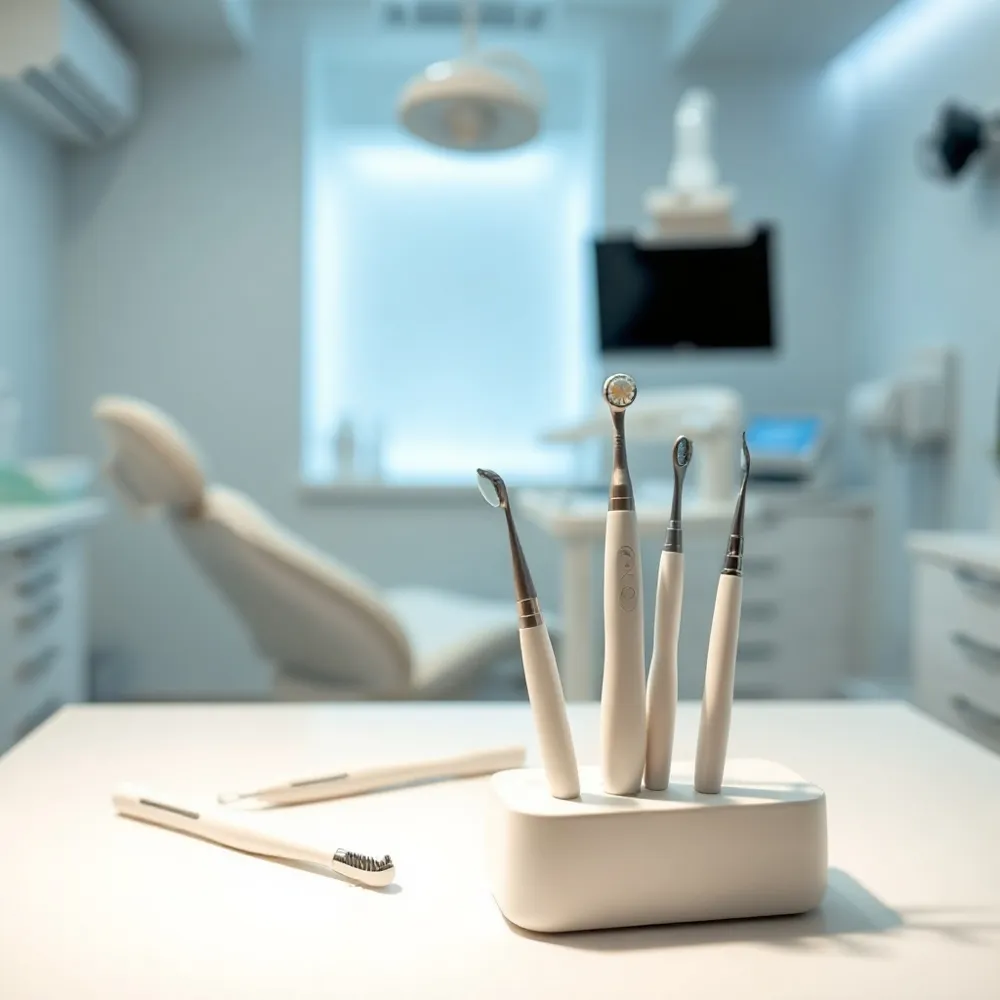 The transition from a temporary restoration to a permanent dental crown requires distinct care strategies to ensure your comfort and long-term success. Early sensitivity is a normal reaction as the gum tissue heals and the tooth adjusts to its new coverage.
What do I need to know about aftercare for temporary versus permanent crowns?
During your temporary phase, the restoration is held by lighter cement, making it essential to avoid sticky or hard foods that might dislodge the material. While brushing remains important, exercise caution when flossing by sliding the floss out from the side rather than pulling it upward. Once your permanent crown is placed, it serves as a durable, long-term solution. Proper oral hygiene practices, such as brushing twice daily with non-abrasive fluoride toothpaste and flossing carefully along the margin where the crown meets your natural tooth structure, are vital to prevent decay. If you experience a loose crown, discomfort, or an uneven bite, a dentist can perform adjustments to ensure the restoration fits correctly.
What precautions should I take after getting a permanent crown?
After receiving your permanent crown, avoid hard, sticky, or chewy foods for the first 24 to 48 hours to allow the bonding cement to reach maximum strength. Mild post-procedure sensitivity is common, but it can be managed with over-the-counter pain relief and by choosing lukewarm temperatures for your beverages. Because porcelain and other custom materials are sturdy but can still fracture under extreme pressure, you should avoid using your teeth to open packages or biting on ice. For patients who experience bruxism, a custom-fitted night guard can help protect the crown from grinding forces while you sleep.
| Care Aspect | Temporary Crown | Permanent Crown |
|---|---|---|
| Diet | Soft, avoid sticky foods | Avoid hard, sharp objects |
| Flossing | Slide out sideways | Standard daily flossing |
| Duration | Short-term protective | Long-term restoration |
Routine check-ups every six months allow a dentist to monitor the crown's seating and the health of your surrounding gums, ensuring your restoration continues to support your smile effectively for years to come.
Recognizing Risks and Addressing Restoration Failure
While dental crowns provide durable, long-term support for weakened teeth, they are not impervious to complications. The average lifespan of these restorations typically ranges from 10 to 15 years, though this can extend significantly with proper care. Patients at davidmmayerdmd.com receive individualized guidance on spotting early warning signs, such as a feeling of looseness or persistent discomfort, ensuring that potential issues are addressed before they compromise the underlying tooth structure.
What are the potential disadvantages of dental crowns?
Common disadvantages include temporary temperature sensitivity or minor gum tenderness immediately following the procedure. Because placement requires the removal of a portion of natural enamel, the tooth structure is permanently altered. Over time, poor oral hygiene may lead to decay at the margin where the crown meets the gum line, or the crown may fracture due to excessive biting forces. At davidmmayerdmd.com, our professional team performs precise assessments during routine cleanings to monitor your bite alignment and seal integrity, preventing common pitfalls often seen in less comprehensive care models.
What causes dental crowns to fail and how often should they be replaced?
Crowns typically require replacement every 10 to 25 years. Failure often stems from recurrent decay, structural cracks, or significant wear. Nighttime teeth grinding, known as bruxism, places immense stress on restorations; therefore, specialized night guards are often recommended to maintain the crown, a preventative offering provided through the tailored treatment plans at davidmmayerdmd.com. If you observe persistent pain, shifting, or visible damage, scheduling a professional evaluation is essential to prevent deeper infection or the need for a root canal.
Maintaining Long-Term Oral Health with Your Dental Team
Achieving the maximum, 30-year lifespan per the Cleveland Clinic for your restoration requires consistent commitment to daily oral hygiene. Brushing twice daily with a soft-bristled toothbrush and daily flossing remain the most effective ways to remove plaque that causes decay at the crown margins.
At our practice in Paterson, NJ, our team provides personalized care to monitor the integrity of your dental work. Regular professional examinations allow us to detect minor issues before they necessitate major repairs. We encourage you to schedule a visit if you feel any looseness or persistent discomfort, as we are committed to providing the same-day emergency support and ongoing care necessary to protect your smile for years to come.