Introduction to Dental Emergencies and the Need for Prompt Care
Understanding Dental Emergencies
A dental emergency is an acute condition involving the teeth, gums, or oral structures that demands immediate professional attention. These situations often include severe pain, trauma, uncontrolled bleeding, or infection that threaten oral health and overall well-being.
Why Immediate Care Matters
Prompt treatment is crucial to alleviate intense pain, prevent infection spread, and preserve natural teeth. Delaying care can lead to worsening conditions such as abscess formation, permanent tooth loss, or systemic infections, increasing the complexity and cost of treatment.
Common Types and Their Impact
Typical dental emergencies encompass severe toothaches, knocked-out or broken teeth, lost fillings or crowns, dental abscesses, and injuries to the soft tissues. These issues can significantly impair eating, speaking, and quality of life, underscoring the need for timely intervention to maintain oral function and health.
Key Signs and Symptoms That Warrant Same-Day Dental Care
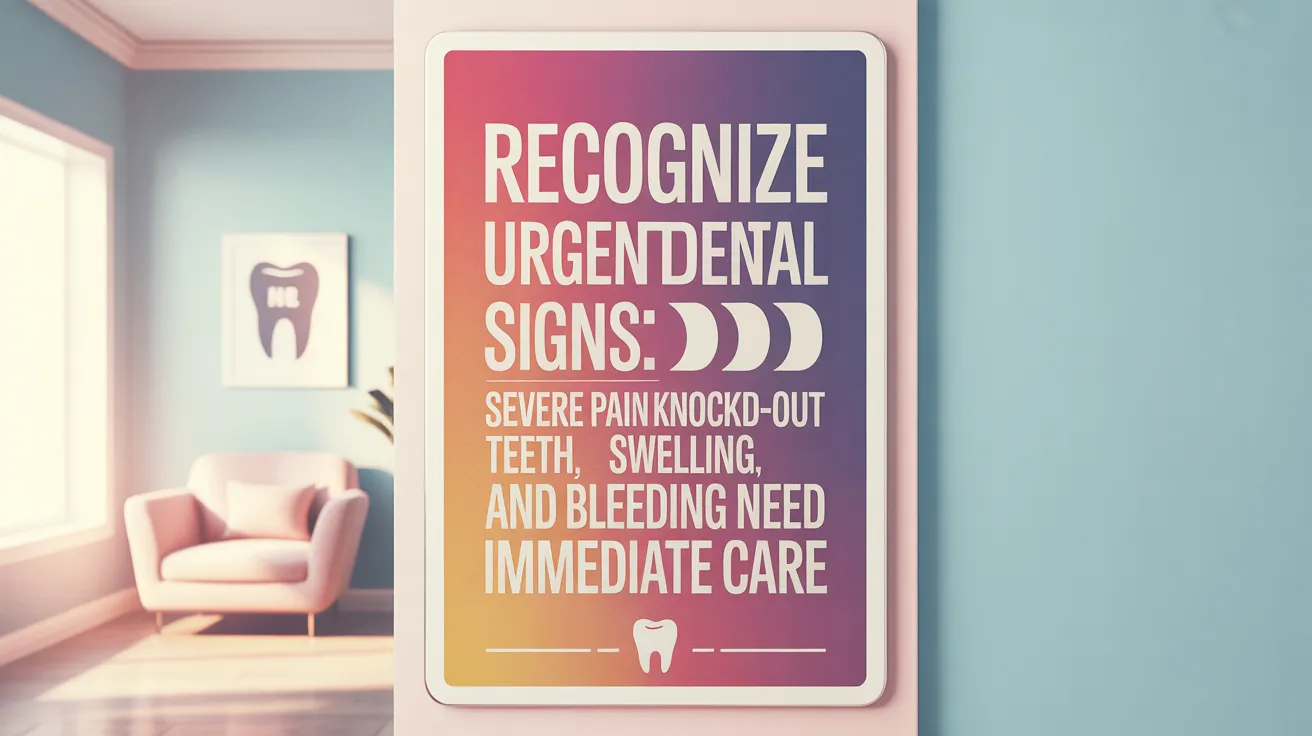
What are the signs that indicate I should seek dental care the same day?
If you experience severe or persistent tooth pain that does not improve with over-the-counter medication, it is important to seek Same-Day Emergency Dental Services. This kind of pain can signal an infection, abscess, or deep decay requiring urgent dental care.
Knocked-Out Tooth Care are a Dental Emergency. Handling the tooth by the crown, rinsing it gently, and either reinserting it into the socket promptly or keeping it moist in milk can improve the chance of saving the tooth. Immediate Dental Care Steps within 30 to 60 minutes is critical.
Broken or Cracked Teeth Repair, especially those with sharp edges or exposed nerves, should be treated urgently to relieve pain and prevent infection. Save any broken fragments and protect exposed areas temporarily until you see a dentist.
Signs of infection include swelling of the gums, face, or jaw, often accompanied by fever or pus discharge. Dental abscess are serious infections that require prompt treatment to avoid complications.
Controlling bleeding in dental emergencies from mouth injuries or dental procedures lasting more than 10 minutes necessitates immediate care. Soft Tissue Injury Care involving cuts or tears should be managed with pressure and cold compresses but also need professional evaluation if bleeding persists.
Recognizing these warning signs and seeking Same-Day Emergency Dental Care can prevent further complications, alleviate pain, and increase the likelihood of saving affected teeth.
Immediate First-Aid and Home Management for Dental Emergencies

What immediate steps can I take at home before seeing a dentist?
When facing a dental emergency, quick and correct first aid can make a significant difference. For a knocked-out tooth, handle the tooth carefully by the crown to avoid damaging the root. Rinse the tooth gently with water—avoid scrubbing or using soap—and attempt to reinsert it into the socket if possible. If reinsertion is not feasible, store the tooth in a suitable medium such as milk, saliva, or saline solution. It is critical to seek professional dental care within 30 to 60 minutes to improve the likelihood of saving the tooth.
Warm salt water rinses serve as a gentle cleaning method for the mouth, helping to reduce bacteria and soothe tissue. Meanwhile, cold compresses applied externally to the face reduce swelling and alleviate pain effectively.
For broken teeth, save any fragments and rinse them to prevent contamination. Protect any sharp or rough edges using dental wax or sugarless gum to avoid injury to the tongue or cheeks until professional care is available.
Controlling bleeding from soft tissue injuries or oral wounds is essential. Apply gentle pressure using a clean gauze pad or cloth directly on the bleeding site to help stop bleeding. If bleeding persists beyond 10 minutes, seek emergency dental or medical attention immediately.
These home management techniques provide crucial relief and preserve dental health until a dentist can provide definitive treatment.
The Role and Benefits of Same-Day Emergency Dental Services
Availability and accessibility of same-day emergency dental care
Same-Day Emergency Dental Services ensure patients receive prompt care without a prior appointment, offering critical support during unexpected dental crises. Many clinics provide Extended Hours Emergency Dentist, including weekends and holidays, with dedicated hotlines for urgent assistance. This accessibility allows patients to obtain immediate professional evaluation and treatment, significantly reducing the risk of complications.
Procedures and technology used during emergency visits
Upon arrival, emergency dental clinics perform comprehensive assessments using Digital X-Ray Diagnostics and intraoral cameras. These tools enable precise identification of issues like fractures, infections, or dental abscess. Treatment procedures may include Root Canal for Emergencies, Emergency Dentist Specialist in Paterson NJ - Emergency tooth reimplantation, extractions of severely damaged teeth, abscess drainage, and restoration of lost fillings or crowns using both temporary and permanent materials.
Pain management and treatment of urgent dental issues
Pain control is a top priority in emergency dentistry. Techniques include administration of local anesthetics, prescription of appropriate medications, and application of Using cold compresses for dental swelling. Immediate treatments focus on stabilizing dental trauma, alleviating severe toothaches, and controlling infections to prevent further damage, often facilitating tooth preservation and improving patient comfort.
Insurance and financial considerations for urgent dental care
Most emergency dental providers accept a range of Dental Insurance for Emergency Care plans to ease the financial burden of urgent care. Additionally, many offices offer flexible financing options or payment plans for uninsured patients to ensure access to necessary treatment without delay. Prior communication with the dental office can clarify coverage details and treatment costs.
| Aspect | Details | Benefits |
|---|---|---|
| Availability | Extended Hours Emergency Dentist, same-day appointments | Reduces wait times, immediate relief |
| Diagnostic tools | Digital X-Ray Diagnostics | Accurate, fast diagnoses |
| Treatments | Root Canal for Emergencies, tooth re-implantation, restorations | Preserves teeth, resolves pain and infection |
| Pain management | Anesthetics, medications, Using cold compresses for dental swelling | Increases patient comfort, controls symptoms |
| Insurance support | Accepts multiple plans, offers financing | Improves access, eases financial strain |
Emergency Preparedness and Prevention to Minimize Dental Crises
How can I prevent dental emergencies and prepare for them?
Preventing dental emergencies begins with consistent and comprehensive oral hygiene to prevent emergencies. Maintaining good oral hygiene by brushing and flossing regularly helps reduce the risk of decay and gum disease, both common causes of emergencies. Attending regular dental checkups allows early detection and treatment of minor issues before they escalate.
Using mouthguards for sports during sports and high-risk activities significantly lowers the chance of trauma-related emergencies like knocked-out or fractured teeth. Avoiding the habit of chewing hard foods or objects, such as ice or pen caps, also helps protect teeth from breaks and cracks.
Early attention to small dental problems, such as sensitive spots or minor chips, can prevent more severe complications requiring emergency care.
Dental Office Readiness
Dental practices prepare for emergencies through several vital measures:
- Staff Training: Routine training in Emergency Response Training for Dental Staff ensures efficient assessment and management of urgent cases.
- Emergency Scheduling: Reserving appointment slots for urgent visits allows prompt treatment of unexpected issues as part of emergency scheduling in dental offices.
- Emergency Equipment: Having emergency drugs, tools, and diagnostic devices like digital X-ray diagnostics ready supports swift and effective care, along with emergency equipment for dental care.
- Contingency Plans: Strategies for handling practitioner incapacitation and after-hours emergencies, including providing patients with after-hours emergency contact numbers, guarantee continuous support, as well as having contingency plans for dental emergencies.
Patient Guidance for Emergencies
Patients should keep their dentist's emergency contact information easily accessible. In a suspected dental emergency — marked by severe tooth pain, uncontrollable bleeding, knocked-out teeth, swelling, or signs of infection — immediate contact with a dental professional is crucial.
Initial self-care, such as rinsing with warm water, applying cold compresses for dental swelling, and carefully preserving knocked-out teeth in milk or saline, can improve outcomes. However, professional evaluation and treatment remain essential to prevent complications and preserve oral health.
Summary Table of Preventative and Preparedness Measures:
| Area | Measures | Purpose |
|---|---|---|
| Patient Prevention | Oral hygiene tips, mouthguards, regular check-ups | Reduce emergency risk |
| Dental Practices | Staff training in emergency response, emergency slots, emergency equipment | Ensure immediate and effective care |
| Patient Preparation | Emergency contacts, first-aid knowledge | Facilitate timely self-care and contact |
By combining preventive habits with knowledgeable, prepared dental care providers, the risks and impacts of dental emergencies can be minimized effectively.
Navigating Urgent Dental Care: When to Visit a Dentist or Hospital
Distinguishing Dental Emergencies from Non-Urgent Issues
[Dental emergencies] demand immediate professional attention to prevent worsening conditions and include [Severe toothache treatment], [Knocked-Out Tooth Care], uncontrolled bleeding, [dental abscess], and traumatic injuries to the face or mouth. Non-urgent issues, such as mild toothaches, small chips, or minor sensitivity, can typically wait for routine dental visits.
When to Call an Emergency Dentist Versus Going to an ER
For most [Dental emergencies] like severe tooth pain, dental abscesses, lost fillings or crowns, and soft tissue injuries, contacting an [Emergency Dentist in Phoenix] for same-day care is the best course. Emergency dentists provide tailored treatment, often using [Advanced Dental Technology] and [Pain Management in Dental Emergencies] to preserve oral health promptly.
Handling Life-Threatening Dental Conditions
Situations involving [uncontrolled oral bleeding], severe swelling threatening airway obstruction, broken facial bones, or serious jaw injuries require immediate [Emergency Room vs Dentist for Dental Emergencies] intervention. Hospital care is necessary to manage potential life risks safely and stabilize the patient before dental treatment.
Advice on Seeking Care During After-Hours and Holidays
Many dental practices have [Contingency plan for dental emergencies], including after-hours contact numbers for patients. If a dental office is unreachable during nights, weekends, or holidays, urgent care centers or hospital emergency rooms may provide provisional care until a dentist becomes available. It is important to prioritize dental clinics for non-life-threatening emergencies due to their specialized treatments.
When should I go to an emergency room instead of a dental office?
Life-threatening dental conditions like [uncontrolled oral bleeding], severe swelling that may obstruct breathing, broken facial bones, or severe injuries involving jaw or mouth that threaten airway require immediate hospital emergency room care. For most [dental emergencies] such as severe toothache, knocked-out or broken teeth, abscesses, or soft tissue injuries, contacting a dental office for same-day care is appropriate. If the dental office is unavailable during after-hours, urgent care centers or ERs may provide temporary relief, but definitive treatment should follow with a dental professional.
Conclusion: The Importance of Timely Emergency Dental Care
Recognizing Critical Moments for Same-Day Dental Treatment
Dental emergencies such as severe toothaches, knocked-out or broken teeth, uncontrolled bleeding, and infections require immediate professional attention. Acting swiftly in these situations can save natural teeth, alleviate pain, and prevent complications.
The Impact of Immediate Professional Care
Prompt emergency dental care often involves quick assessments using advanced diagnostic tools, pain management, infection control, and restorative procedures. This timely intervention improves treatment outcomes, reduces the risk of permanent damage, and avoids more invasive future treatments.
Encouragement for Regular Dental Visits and Preparedness
Maintaining excellent oral hygiene and scheduling routine dental check-ups significantly decrease emergency risks. Being prepared with your dentist's contact details, knowing basic first-aid steps, and using protective gear like mouthguards further enhance readiness for unexpected dental issues. Always seek urgent care promptly when emergencies arise to protect your oral health effectively.