Setting the Stage: Why Same‑Day Partial Dentures Matter
Patients often expect a perfect fit from a same‑day partial denture, but the clinical reality is that the prosthesis is made before the extraction site heals. Swelling and tissue remodeling in the first weeks commonly require follow‑up adjustments or a reline to achieve long‑term comfort.
The rise of digital dentistry—intra‑oral scanners and CAD/CAM milling—has made same‑day fabrication possible. This technology eliminates traditional messy impressions, reduces distortion, and lets the dentist preview the design before milling.
A typical same‑day workflow includes a digital scan, in‑office or rapid‑lab milling from a biocompatible resin, chairside fitting, and minor occlusal tweaks. The denture acts as a transitional prosthesis, protecting the surgical site while gums heal.
What Patients Expect and What Happens Behind the Scenes
Emergency dental care for adults without insurance in Paterson, NJ
For uninsured adults in Paterson, NJ, a dental emergency can feel overwhelming. At David Mayer DDS, we provide same-day emergency care for issues like broken teeth, severe toothaches, or abscesses. Our practice offers flexible payment plans to make urgent care affordable even without insurance. With over 40 years of experience and a multilingual team (English, Spanish, Arabic), we ensure you feel comfortable and informed during your visit. For emergencies, call us immediately so we can see you the same day and prevent the problem from worsening. We are committed to accessible, efficient care that addresses your dental emergency without financial stress.
Priority emergency dental care
At Priority Emergency Dental Care in Paterson, NJ, we deliver same-day appointments and rapid treatment for severe pain, infections, or traumatic injuries. Our experienced emergency dentists handle urgent needs like toothaches, broken or knocked-out teeth, lost fillings or crowns, and dental abscesses. We use state-of-the-art facilities for quick diagnosis and effective care, including emergency extractions and infection management. Our compassionate, multilingual team (English, Spanish, Arabic) ensures a comfortable experience during stressful situations. With over 40 years of experience, we prioritize your oral health and offer flexible financing to make emergency care accessible.
Same day dentures that accept Medicaid
We offer same-day denture placement for eligible Medicaid patients, using immediate denture techniques after extractions so you leave with a functional smile the same day. Our practice, with over 40 years of experience, accepts Medicaid and works with you to verify coverage before treatment. The process includes a thorough exam, any necessary extractions, and fitting of temporary dentures—all in one visit. Our multilingual team (English, Spanish, Arabic) ensures clear communication and compassionate care throughout. Call us to schedule a consultation and learn how we can restore your smile affordably.
24 hour emergency dental walk-in
Our office accepts walk-in patients 24 hours a day for dental emergencies, and we also offer a dedicated after-hours line for immediate assistance. Dental emergencies like severe pain, broken teeth, or abscesses can happen at any time, so our team provides prompt, compassionate care to relieve discomfort and prevent complications. With over 40 years of experience and state-of-the-art technology, we ensure efficient treatment during your visit. Our multilingual staff—fluent in English, Spanish, and Arabic—is ready to help you regardless of the hour. For any urgent dental need, simply walk into our Paterson office or call our after-hours number to speak with a team member right away.
24 hour emergency dental care near me
Our Paterson office provides 24-hour emergency dental care for sudden issues like broken teeth, severe toothaches, or knocked-out teeth. If you need immediate attention, call our after-hours number and our team will guide you or arrange a same-day appointment. We also offer walk-in urgent care during business hours for added convenience. Common emergencies we handle include trauma from sports injuries, falls, or advanced decay. With over 40 years of experience and a multilingual staff, we are here to relieve your pain quickly and compassionately.
Emergency dentist near me
David Mayer DDS is your trusted emergency dentist in Paterson, NJ, providing same-day appointments for urgent dental issues like severe toothaches, broken or knocked-out teeth, and oral infections. With over 40 years of experience and state-of-the-art technology, our compassionate team delivers prompt pain relief and effective treatment to protect your smile. We offer a full range of emergency care, from extractions and root canals to denture repairs and crowns, all in a comfortable, multilingual setting (English, Spanish & Arabic). If you have a dental emergency, call us right away for fast, professional care—we’re here to help you when you need it most.
The Full Journey: From First Visit to Final Fit
Getting a partial denture involves a clear sequence of steps, from your initial exam to the moment you leave with a functional, natural‑looking smile. Each stage is designed to ensure comfort, fit, and long‑term satisfaction.
Partial denture process from start to finish
The process begins with a thorough exam and digital or traditional impressions. Your dentist evaluates your oral health and discusses tooth shade and design. Impressions are sent to a lab, where a custom partial is fabricated (typically 3–6 weeks). A try‑in appointment allows fit and cosmetic adjustments before final placement. Minor tweaks are often needed at follow‑up visits as you adapt.
How long does a partial denture fitting take?
The actual placement appointment takes 30–45 minutes. However, the full timeline from consultation to final fit generally spans 3–6 weeks. If extractions are required, healing may add several weeks. Same‑day options (using CAD/CAM technology) can shorten the process to a single visit, though follow‑ups are still recommended.
Average cost of a full denture
In Paterson, NJ, full dentures cost $1,200–$3,500 per arch, depending on materials and customization. Nationally, traditional full dentures average around $1,800 (without insurance). Acrylic partials are the most budget‑friendly. Our in‑house lab helps keep costs competitive, and we offer payment plans and accept Medicaid for eligible patients.
Cost of full extractions and dentures
Complete extractions with full dentures typically range from $2,500 to $4,500 per arch. For partial dentures alone, expect $800–$1,500. Insurance often covers 50% after deductible; our team verifies benefits to minimize surprises. Call us for a personalized estimate.
Same‑Day Denture Technology: Speed, Materials, and Limitations
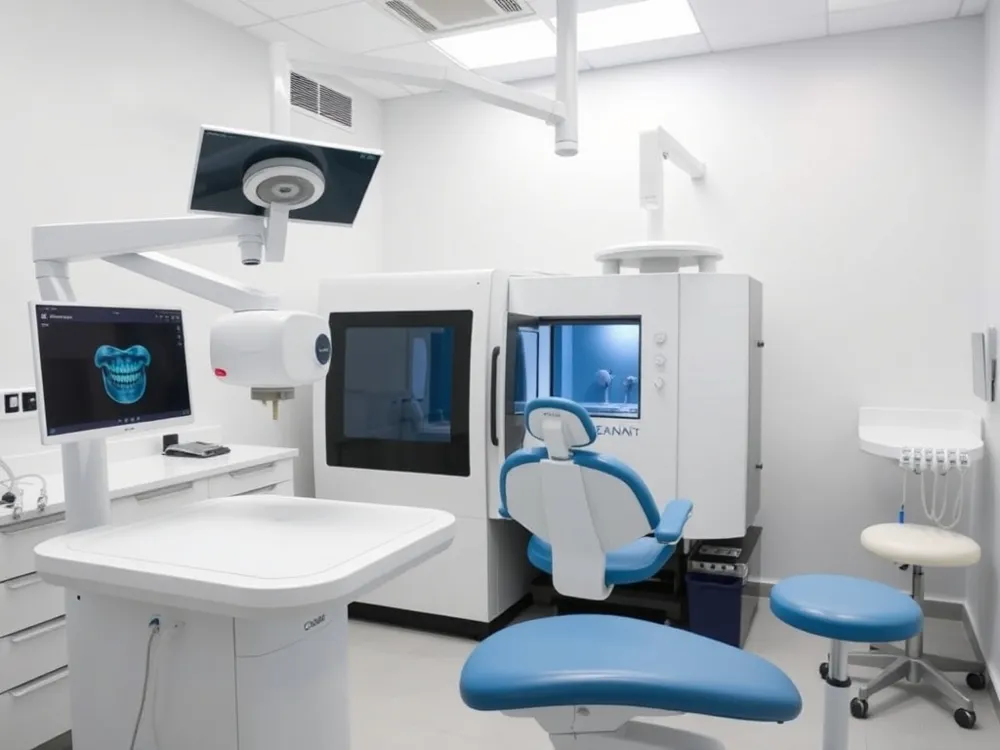
CAD/CAM and digital scanning
Same‑day partial dentures are made possible by intraoral scanners and computer‑aided design/computer‑aided manufacturing (CAD/CAM) technology. The dentist captures a high‑resolution 3‑D image of your mouth, eliminating messy traditional impressions. This digital model is sent to an in‑office milling machine that fabricates the partial denture in a single visit. Immediate partial dentures (also called same‑day dentures) are custom‑made in advance and placed right after your extractions, so you leave with a functional smile the same day. Because the denture is made before healing, it serves as a temporary replacement while your gums and bone remodel.
Material choices and durability
Materials for same‑day partials typically include high‑impact polymethyl methacrylate (PMMA) or milled acrylic resin. These materials are strong enough for immediate use but are less durable and aesthetic than traditional lab‑crafted acrylic or metal‑framework dentures. Flexible nylon resins offer better comfort and a more natural look but cannot be repaired if broken. Costs for same‑day partials range from $1,300 to $4,000 depending on material and complexity. Beware of misleading $99 denture specials, which often hide fees for adjustments or relines and use lower‑quality materials.
Hidden trade‑offs of rapid fabrication
The fast turnaround means the denture’s fit is less precise than a conventional prosthesis. As healing progresses, the fit will change, requiring multiple adjustments and a future reline or replacement. Same‑day partials also have limited customization—shade matching and tooth anatomy are approximated, and the material may be more porous or prone to staining. These dentures are transitional; they protect the extraction site and maintain aesthetics, but a final, more durable denture is usually needed after 4–6 months of healing. Many practices, including those in Paterson, accept Medicaid for same‑day partials and offer multilingual support to ensure clear care instructions.
Care, Maintenance, and Common Pitfalls of Partial Dentures
How to clean partial dentures at home
Start by rinsing your partial denture under running water after every meal to remove loose food particles. Always handle the denture over a soft towel or a sink filled with water to prevent breakage if you drop it. Brush the denture at least once daily using a soft-bristled denture brush and a non-abrasive denture cleanser. Regular toothpaste is too harsh and can scratch the surface, creating grooves where bacteria can hide. Pay special attention to clasps and any grooves where adhesive may accumulate. Soak the denture overnight in water or a mild denture-soaking solution to keep it moist and maintain its shape. Avoid hot water and bleach-based products, as these can warp or damage the material. Before reinserting, rinse the denture thoroughly to remove any soaking solution. Also, clean your natural teeth, tongue, and gums with a soft toothbrush or gauze to maintain overall oral health.
How to clean partial dentures naturally
For a natural cleaning approach, brush your partial denture daily with a soft brush and a paste made from baking soda and water. This helps remove plaque and odors without harsh chemicals. You can also soak the denture for 30–40 minutes in a mixture of equal parts white vinegar and warm water to dissolve tartar buildup. However, avoid daily vinegar soaks, as the acidity can weaken the denture material over time. A diluted hydrogen peroxide rinse or a warm saltwater soak overnight are other gentle options that disinfect and refresh the appliance. Always rinse thoroughly with cold water before reinserting. Never use bleach, abrasive toothpaste, or hot water, as these can damage the denture. For stubborn stains, a brief soak in lemon juice and lukewarm water can help, but limit exposure to prevent material degradation.
How to store partial dentures overnight
Remove your partial denture before sleeping and clean it thoroughly with a soft-bristled brush and denture-safe cleanser. Place the denture in a secure container filled with clean water or a denture-soaking solution to keep it moist and prevent warping. If your partial denture has metal components, check with your dentist, as dry storage may be recommended to avoid corrosion. Always use a container with a lid to protect against dust and accidental breakage, and store it in a safe place out of reach of pets. Avoid hot water, which can warp the denture, and never use abrasive toothpaste or bleach. In the morning, rinse the denture well before putting it back in your mouth to remove any solution residue.
What not to do with a partial denture
Avoid hard or sticky foods like nuts, steak, hard candy, and popcorn, as they can break or damage the partial denture. Never use regular toothpaste for cleaning—opt for a partial denture cleanser instead, since regular toothpaste is too abrasive. Do not soak your partial in hot water, as it can warp the material and ruin the fit. Always store the denture in water or a denture-soaking solution when not worn to prevent it from drying out and losing its shape. Finally, avoid biting with your front teeth or attempting any at-home adjustments, as these actions can damage the prosthesis and require professional repair.
Partial denture care instructions
Clean your partial denture daily with a soft-bristled brush and mild hand soap or denture cleaner—never use toothpaste, as it is too abrasive. Remove your partial for at least six hours every day (usually overnight) and store it in water or a denture-soaking solution to prevent warping. Handle your partial carefully over a folded towel or basin of water to avoid breakage if dropped. Start with soft foods, cut them into small bites, and chew on both sides of your mouth; avoid hard or sticky foods like nuts or apples. Expect an adjustment period with possible sore spots, and schedule follow-up visits with your dentist for any necessary adjustments.
How to put in partial upper dentures
Place the partial upper denture in your mouth and gently press it into position over your gums, making sure the clasps fit securely around your remaining natural teeth. Start by aligning the denture with your gum line and applying even pressure to seat it fully, avoiding any forceful biting that could damage the clasps. If the denture feels loose, use a small amount of denture adhesive on the inner surface to improve stability, but avoid excessive adhesive which may cause gagging. Always remove the denture before sleeping to give your gums time to rest, and clean it daily with a soft brush and non-abrasive cleanser. Schedule a follow-up appointment with your dentist for any necessary adjustments to ensure a comfortable, snug fit.
Can not wearing dentures cause TMJ?
Yes, not wearing dentures when you have missing teeth can contribute to TMJ problems. Missing teeth often cause remaining teeth to shift out of position, leading to bite misalignment and uneven pressure on the jaw joint. This imbalance forces the temporomandibular joint to work harder, which can strain the muscles and joint, potentially resulting in TMD. Properly fitted dentures help restore a balanced bite and prevent this added stress on your jaw. If you have missing teeth and are not using dentures, it is wise to consult a dentist to avoid long-term TMJ issues.
New dentures don’t fit properly
New dentures often require one or more adjustments to achieve a comfortable fit, as your mouth needs time to adapt to the appliance. If your new dentures feel loose, pinch, or cause sore spots, contact your dentist promptly for an evaluation. In-office adjustments can relieve pressure points and improve stability, often on the same day. A dentist with experience can fine-tune dentures for a precise fit, ensuring you can speak, eat, and smile with confidence.
How to fix ill-fitting dentures
Ill-fitting dentures are a common issue, often caused by natural changes in your jawbone and gums over time or normal wear of the denture material. The first step is to visit your dentist for a professional evaluation—they can often make minor adjustments or add a relining material to improve the fit and comfort. For more moderate looseness, a reline or rebase procedure can refit the denture base to your current gum contours, extending its life. However, if the denture is very old or the bone loss is significant, a completely new denture may be necessary for a proper and stable fit. In some cases, your dentist may also recommend implant-supported dentures to prevent future loosening by anchoring them securely.
How to adjust partial dentures at home
For minor adjustments, you can use a denture adjustment kit to carefully file down pressure points, but avoid sharp tools or household glues which can damage the appliance. To tighten a loose partial, try a DIY reline product like DenSureFit or apply a denture adhesive for a temporary secure fit. Flexible partials can be soaked in warm (not hot) water for 10–15 minutes to restore pliability and improve comfort. Never boil your dentures or force them into place, as this can cause breakage or injury. For significant changes, persistent discomfort, or issues with clasps, always schedule a professional visit to ensure proper fit and avoid further damage.
Is Colgate toothpaste good for dentures?
No, Colgate toothpaste is not recommended for cleaning dentures. Regular toothpaste, including Colgate, is too abrasive and can scratch the denture material, creating microscopic grooves where bacteria can accumulate. Over time, these scratches can also cause the dentures to lose their shine and become more prone to staining. Instead, dentists advise using a non-abrasive denture cleanser—such as soaking tablets or a mild soap—and a soft-bristled brush specifically designed for denture care. For the best long-term results, follow your dentist’s guidance to keep your dentures clean, well-fitting, and comfortable.
| Care Aspect | Do | Don't |
|---|---|---|
| Cleaning | Use soft brush and non-abrasive denture cleanser | Use regular toothpaste or abrasive powders |
| Storage | Keep in water or soaking solution overnight | Store dry or in hot water |
| Handling | Work over a soft towel or water-filled sink | Drop or force into place |
| Eating | Start with soft foods, cut into small pieces | Bite into hard or sticky foods |
| Adjustments | Visit dentist for professional relining | Attempt DIY repairs with glue or sharp tools |
| Oral hygiene | Clean remaining teeth, tongue, and gums daily | Neglect natural teeth or gum care |
Financial Options, Insurance, and Patient Support
Same day dentures that accept Medicaid
We offer same‑day denture placement for eligible Medicaid patients, using immediate denture techniques after extractions so you leave with a functional smile the same day. Our practice, with over 40 years of experience, accepts Medicaid and works with you to verify coverage before treatment. The process includes a thorough exam, any necessary extractions, and fitting of temporary dentures—all in one visit. Our multilingual team (English, Spanish, Arabic) ensures clear communication and compassionate care throughout.
Emergency dental care for adults without insurance in Paterson, NJ
At David Mayer DDS, we provide same‑day emergency dental care for uninsured adults in Paterson, NJ, including prompt assessments, pain relief, and treatment for issues like broken teeth, severe toothaches, or abscesses. Our practice offers flexible payment plans to make urgent care affordable even without insurance. With over 40 years of experience and a multilingual team (English, Spanish, Arabic), we ensure you feel comfortable and informed during your visit.
Priority emergency dental care
At Priority Emergency Dental Care in Paterson, NJ, we deliver same‑day appointments and rapid treatment for severe pain, infections, or traumatic injuries. Our experienced emergency dentists handle urgent needs like toothaches, broken or knocked‑out teeth, lost fillings or crowns, and dental abscesses. We use state‑of‑the‑art facilities for quick diagnosis and effective care, including emergency extractions and infection management. Our compassionate, multilingual team (English, Spanish, Arabic) ensures a comfortable experience during stressful situations.
How much do emergency dentures cost?
Emergency (immediate) dentures typically cost between $1,500 and $2,200, though the total can vary based on materials and case complexity. In some practices, prices may range from $700 to $3,000, especially when same‑day or next‑day delivery is available. Factors such as the number of teeth replaced, the type of denture (partial vs. full), and whether extractions or relines are needed will affect the final cost. Many dental offices accept insurance and offer flexible financing options like CareCredit to make treatment more affordable.
Cost of full extractions and dentures
Complete extractions with full dentures typically cost between $2,500 and $4,500 per arch, with partial dentures ranging from $800 to $1,500. These prices cover both the surgical removal of teeth and the custom fabrication of your dentures. The final cost depends on factors like the number of teeth extracted, the type of denture material chosen, and whether any pre‑extraction treatments are needed. Our practice features an in‑house dental lab, which can reduce waiting times and help keep costs competitive for Paterson patients.
Average cost of a full denture
The average cost of a full denture in Paterson, NJ, typically ranges from $1,200 to $3,500 per arch, depending on the materials and customization chosen. Nationally, traditional full dentures average around $1,800 without insurance, while implant‑supported options can cost $10,500 to $21,500 per arch. Factors such as geographic location, dentist experience, and material type (e.g., acrylic vs. metal) influence the final price. Dental insurance can significantly reduce out‑of‑pocket costs, and many practices offer payment plans to make treatment more accessible.
Cheapest way to get permanent dentures
For the most affordable permanent dentures, acrylic full or partial dentures are the most budget‑friendly option. Our practice uses durable, custom‑crafted acrylic resin that restores both function and appearance. Because we maintain an in‑house dental lab, we can reduce fabrication time and often offer same‑day denture services, which helps lower overall costs. To further make treatment accessible, we provide flexible payment plans, sliding‑scale fees, and accept CareCredit.
$99 dentures in a day near me
While $99 denture specials may sound appealing, they often involve hidden fees, lower‑quality materials, or extra charges for adjustments and relines. At our Paterson practice, we provide high‑quality same‑day dentures with clear, upfront pricing so you know exactly what to expect. Our in‑house lab allows us to craft custom dentures efficiently, often delivering them in a single visit. With over 40 years of experience and a focus on patient comfort, we ensure your dentures restore both function and confidence.
Can not wearing dentures cause TMJ?
Yes, not wearing dentures when you have missing teeth can contribute to TMJ problems. Missing teeth often cause remaining teeth to shift out of position, leading to bite misalignment and uneven pressure on the jaw joint. This imbalance forces the temporomandibular joint to work harder, which can strain the muscles and joint, potentially resulting in TMD. Properly fitted dentures help restore a balanced bite and prevent this added stress on your jaw. If you have missing teeth and are not using dentures, it is wise to consult a dentist to avoid long‑term TMJ issues.
| Financial Option | Coverage / Cost Range | Key Details |
|---|---|---|
| Medicaid | Varies by plan | Accepted at our practice; verify coverage before treatment |
| Emergency dentures (uninsured) | $700 – $3,000 | Flexible payment plans available; same‑day care |
| Full extractions + dentures | $2,500 – $4,500 per arch | Includes surgery and custom denture fabrication |
| Full denture (per arch) | $1,200 – $3,500 | Acrylic is most affordable; implant options cost more |
| Payment plans & financing | CareCredit, sliding‑scale fees | In‑house lab reduces costs; no hidden fees |
| Multilingual support | English, Spanish, Arabic | Clear communication for all patients |
Putting It All Together: Informed Choices for Same‑Day Partial Dentures
Balancing speed, cost, and quality
Same‑day partial dentures offer undeniable convenience, but patients should weigh this against material and longevity trade-offs. The rapid fabrication process—often using milled PMMA or high‑impact acrylic—produces a functional prosthesis quickly, yet these materials may be less durable and less aesthetic than lab‑crafted alternatives. Costs typically range from $1,300 to $4,000 depending on the material, with rush fees adding $100–$500. While insurance often covers about 50% of the cost as a major restorative service, upgraded materials and expedited services may not be fully covered. Patients should view the same‑day denture as a transitional solution, expecting a permanent reline or replacement after the gums fully heal, usually within six months.
The role of the dental technician
The technician’s expertise directly influences the fit and comfort of a same‑day partial denture. Using digital intraoral scans and CAD/CAM software, the technician designs the prosthesis and mills it from a pre‑polymerized resin block. However, the rapid workflow limits hand‑finishing and customization. The technician may not disclose that the initial fit is often intentionally tight, requiring minor adjustments at a follow‑up visit. Shade matching is performed on a small sample, and the final color can shift slightly after polymerization. The technician also rarely mentions that the provisional resin may have higher porosity, affecting long‑term stain resistance. Clear communication between the dentist and technician—specifying tooth shade, clasp design, and occlusal scheme—is essential to reduce remakes and improve patient satisfaction.
Why communication and follow‑up matter
Setting realistic expectations is critical for patient satisfaction. The immediate denture is a transitional prosthesis; fit will change as gums heal and bone remodels. Patients should expect a follow‑up appointment within 7–10 days for adjustments, and a permanent reline or new denture after six months. Multilingual staff can explain these steps in the patient’s preferred language, improving understanding and compliance. Proper home care—daily brushing with a soft brush, overnight soaking, and avoiding hard foods—extends the denture’s lifespan. Regular dental check‑ups allow the dentist to monitor tissue response, adjust retention, and plan for long‑term options such as implant‑supported stabilization. Informed patients who understand the temporary nature of same‑day dentures and the need for follow‑up care report higher satisfaction and better oral health outcomes.