

Why Cleanliness Matters for SureSmile Aligners
Why Cleanliness Matters for SureSmile Aligners
SureSmile aligners are made from a specialized thermoplastic material that delivers a comfortable, discreet orthodontic experience. However, this same material is sensitive to heat, harsh chemicals, and bacteria. If exposed to hot water, the aligners can warp—distorting their fit and potentially derailing treatment. Abrasive toothpaste, colored or scented soaps, and alcohol-based mouthwashes can scratch, cloud, or stain the clear trays, making them noticeable and compromising their function. Bacteria that accumulate from improper cleaning lead to odors and discoloration. Because each set of aligners is designed to be worn for one to two weeks before switching to the next in a carefully planned sequence, even minor damage to a single tray can disrupt progress. Rinsing with lukewarm water, brushing with a soft-bristled toothbrush and clear, unscented antibacterial soap, and avoiding hot water and harsh cleaners preserves the material’s integrity and helps treatment stay on track.
Plaque and Debris: Hidden Threats to Treatment
When aligners are not cleaned regularly, plaque and food particles accumulate on their surfaces. This buildup does more than create a cloudy, unappealing look—it can directly jeopardize oral health. Trapped debris becomes a breeding ground for bacteria, raising the risk of cavities, gum inflammation, and persistent bad breath. Perhaps more important, residue can alter how the aligner sits on the teeth, affecting the gentle, targeted pressure that guides teeth into their correct positions. This can slow progress, extend treatment time, or compromise the final outcome. Brushing and flossing before reinserting aligners—especially after meals—prevents debris from being sealed against the teeth for hours at a time. A nightly soak in denture cleaner or SureSmile-approved cleaning crystals provides a deeper clean, removing stubborn buildup and keeping both trays and teeth healthy throughout the 6‑to‑18‑month treatment period.
Building a Consistent Cleaning Routine
A consistent cleaning routine keeps aligners clear, odor-free, and fitting precisely day after day. Start with a simple habit: each time you remove your aligners, rinse them under lukewarm water to wash away saliva and bacteria. Twice a day—morning and night—gently brush the trays with a separate soft-bristled toothbrush and clear, unscented antibacterial soap. Avoid toothpaste, as its abrasives can scratch the plastic and create a cloudy appearance. For a deeper clean, soak the aligners in a solution designed for retainers or dentures for 15–20 minutes several times a week. This helps eliminate bacteria that brushing alone may miss. Always store aligners in their protective case when not in the mouth to prevent loss, damage, and contamination. Keep a backup case in your bag or car for emergencies. Check trays daily for cracks or warping, and if damage occurs, use your previous set temporarily and contact your dentist immediately. These straightforward steps, performed consistently, ensure each set of aligners works as designed and supports steady, predictable progress.
The Connection Between Aligner Care and Oral Hygiene
Caring for SureSmile aligners goes hand in hand with maintaining good oral hygiene. Because aligners cover the teeth for 20–22 hours each day, any food particles or plaque left on the teeth become trapped against the enamel, accelerating decay and gum problems. Brush twice daily with fluoride toothpaste, floss at least once a day, and use an antimicrobial mouthwash to keep teeth and gums healthy during treatment. Before reinserting aligners after eating, always brush and floss to remove any residue. This simple step prevents bacteria from multiplying in the warm, moist environment between the aligner and the teeth. Regular dental checkups allow the dentist to monitor both tooth movement and oral health, catching any issues before they affect treatment. Patients who follow these habits not only protect their smile but also maximize their chances of completing treatment on schedule with a healthy, straight result.
Practical Strategies for Daily Success
Building a simple routine makes aligner care easy to maintain. Prepare a small travel kit with a toothbrush, travel-sized toothpaste, floss, and an aligner case so you can clean your aligners when away from home. Set a phone reminder to change your aligners according to the schedule provided by your dentist—typically every one to two weeks. When reinserting aligners, press them into place gently with your fingers rather than biting down, which can tear or weaken the plastic. If you are eating out or attending an event, keep the aligner case in plain sight or set an alarm to remind yourself to reinsert them after cleaning. Save your previous set of aligners in a labeled case as an emergency backup in case the current set is lost or damaged. By treating each set of aligners with the same care as the first, you can enjoy a smooth, predictable treatment experience and a confident, healthy smile at the end of your journey.
Key Facts: Clear Aligner Care and Treatment
- Rinse each tray under lukewarm water immediately after removal to prevent film buildup.
- Use a soft-bristled toothbrush with clear, unscented antibacterial soap—never toothpaste, which scratches.
- Deep-clean weekly by soaking aligners in effervescent crystals or denture tablets for 15–30 minutes.
- Baking soda or white vinegar soaks twice a week lift residue and odors, but avoid hot water to prevent warping.
- Store aligners in their hard case immediately when removed; inspect daily for cracks or cloudiness.
- Do not eat or drink anything other than water while wearing aligners to avoid staining or warping.
- Invisalign can relieve TMJ symptoms if caused by bite misalignment, but isn't a cure for all TMJ disorders.
- SureSmile uses robotic precision for shorter treatment (6–18 months); Invisalign uses SmartTrack material with 5-year coverage vs SureSmile's 3-year coverage.
- $7,000 is within the national average for comprehensive orthodontic care, especially for ceramic braces or clear aligners.
- Smile confidently by viewing braces as a commitment to health, practicing a relaxed smile, and considering clear options if self-conscious.
1️⃣ Rinse & Brush Daily with a Gentle Antibacterial Soap
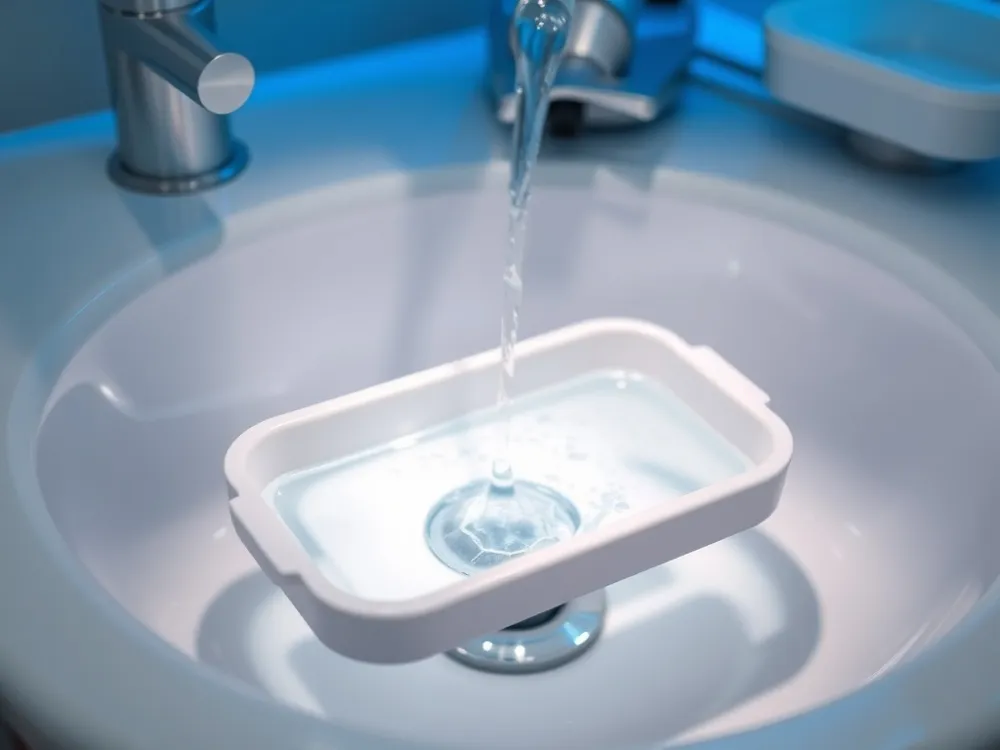
Rinse Immediately After Removal
Rinse each tray under lukewarm water the moment you take it out. This simple step washes away saliva and loose debris before it has a chance to dry and form a visible film. Never use hot water—heat can warp the thermoplastic, ruining the fit and delaying treatment progress.
Scrub with the Right Tools
Use a soft‑bristled toothbrush that is separate from your regular toothbrush. Apply a small amount of clear, unscented antibacterial soap—such as plain Dawn dish soap—and gently scrub the inside and outside of each aligner. This removes plaque and residue that can cause cloudiness and odors.
Skip the toothpaste. It is abrasive and will scratch the smooth plastic, leaving it hazy. Colored or scented soaps can stain the trays or leave an unpleasant aftertaste. Avoid any abrasive cleaners.
Rinse Thoroughly Before Reinserting
After scrubbing, rinse each aligner thoroughly under lukewarm water to eliminate any soap residue. Leftover soap can irritate your gums or alter the taste in your mouth. Once rinsed clean, the aligners are ready to be placed back in—ideally over freshly brushed teeth for maximum hygiene.
2️⃣ Deep‑Clean Weekly with Align‑Specific Crystals or Denture Cleaner
 Your daily rinse with soap and water keeps surface buildup at bay, but a deeper weekly soak is equally important. Effervescent cleaning crystals or denture tablets dissolve stubborn plaque, bacteria, and set-in stains that brushing alone can miss.
What is the best way to clean SureSmile aligners with cleaning crystals?
Start by rinsing your trays under lukewarm water. Then, dissolve one packet of SureSmile‑approved cleaning crystals or one denture‑cleaner tablet in a small cup of warm—never hot—water. Submerge both aligners completely and let them soak for 15‑30 minutes. During this time, the fizzing action works into every crevice to lift debris and prevent cloudiness.
After soaking, remove the aligners and gently brush them with a separate soft‑bristled toothbrush and a dab of clear, mild soap. Finish with a thorough rinse under lukewarm water to wash away any remaining residue. Finally, store your clean, dry aligners in their protective case immediately—this keeps them safe from contaminants, warping, or accidental loss. A consistent weekly deep‑cleaning routine preserves the clarity and fit of your aligners, helping your treatment stay on track and your smile look its best throughout the process.
3️⃣ DIY Power‑Boost: Baking Soda or Vinegar Soaks
Can I use baking soda or vinegar to clean my Invisalign?
Yes, these household staples can serve as a safe, occasional deep‑clean boost for your clear aligners when used correctly.
- Baking soda soak: Mix one tablespoon of baking soda with half a cup of lukewarm water. Submerge your aligners for 15–30 minutes, then gently brush with a soft toothbrush and rinse thoroughly. This helps lift stubborn residue and neutralize odors.
- Vinegar soak: Combine equal parts white distilled vinegar and lukewarm water. Soak the trays for 15–30 minutes to loosen mineral deposits and eliminate any lingering smell. Always follow with a thorough water rinse and a quick brush with clear antibacterial soap to remove any aftertaste.
Both solutions are safe for your aligners’ thermoplastic material, but they should be reserved for deep cleaning only—use them about twice a week. Your daily routine should stick to a gentle soap, a soft brush, and a lukewarm water rinse to avoid exposing the plastic to acids too frequently. Remember, never use hot water for any soak, as heat can warp the aligners and compromise their fit and treatment progress.
4️⃣ Store Smart & Inspect Daily – The ‘Case‑And‑Check’ Routine
4️⃣ Store Smart & Inspect Daily – The ‘Case‑And‑Check’ Routine
Whenever you remove your aligners, immediately place them in the provided hard‑plastic case. This simple habit prevents loss, accidental bending, and bacterial contamination. For added safety, keep a spare case in your bag or car for emergencies—especially helpful on the go. Before reinserting, take a moment to inspect each tray for cracks, warping, or cloudy spots that could signal damage.
Assemble a travel kit with a toothbrush, clear unscented antibacterial soap, floss, and the case to maintain your routine during work trips or lunch breaks. The best soap for cleaning aligners is a clear, unscented antibacterial soap or a drop of Dawn dish soap; avoid colored or scented soaps that can stain the plastic.
Always avoid coffee, tea, soda, red wine, and hot beverages while wearing aligners—they can discolor or warp the trays. Sugary and acidic drinks also promote decay; stick to water while aligners are in. For effective daily cleaning, use a soft‑bristled toothbrush with clear soap. For a deeper clean, soak aligners in a hydrogen‑peroxide‑and‑water solution (1:1 for 15–30 minutes) or a product like Retainer Brite. Never use toothpaste—it is abrasive and scratches the aligners.
💬 Can Invisalign fix TMJ issues?
Invisalign can help relieve TMJ‑related symptoms—such as jaw pain, clicking, or headaches—when the root cause is bite misalignment. By correcting overbites, underbites, and crossbites, the aligners gradually reposition teeth into a healthier relationship, which may reduce strain on the temporomandibular joint.
However, Invisalign is not a cure‑all. TMJ disorders often stem from other factors like arthritis, bruxism (teeth grinding), or anatomical joint problems. In those cases, additional appliances—such as a night guard or physical therapy—may be necessary for lasting relief.
A comprehensive examination by your dentist or orthodontist is essential. They can evaluate your bite, joint function, and overall oral health to determine if Invisalign is appropriate for your specific TMJ condition. For many patients, clear aligners offer a non‑invasive way to address both alignment and jaw discomfort, but a correct diagnosis is the first step.
💬 What’s the difference between SureSmile and Invisalign?
Both SureSmile and Invisalign are popular clear‑aligner systems that effectively straighten teeth without traditional metal braces. However, they differ in their underlying technology, coverage periods, and typical treatment time frames and costs.
What is the difference in technology between SureSmile and Invisalign?
SureSmile uses advanced 3D imaging and robotic precision to design tooth movements, which can reduce total treatment time. Invisalign relies on its proprietary SmartTrack material and a large digital platform to plan and execute predictable tooth movement. Both systems create custom, virtually invisible aligners.
How do coverage periods compare?
Invisalign typically offers up to five years of aligner replacement coverage as part of its treatment package, providing added security if aligners are lost or need refinements. SureSmile generally covers three years of aligner replacement. Some SureSmile plans may involve an initial phase with traditional brackets for more complex bite issues before transitioning to clear aligners.
What are the typical treatment length and cost ranges?
Invisalign treatment usually ranges from 12 to 18 months, while SureSmile treatment often spans 6 to 18 months. Costs are similar: Invisalign typically costs $3,000–$8,000, and SureSmile averages $3,000–$6,000. Your dentist will recommend the system best suited to your specific alignment needs and lifestyle. Both offer effective, discreet orthodontic solutions.
💬 Why do some people quit Invisalign early?
Why do some people quit Invisalign treatment early?
Several factors can lead patients to stop treatment prematurely, often before achieving their final, desired results. A common reason is early satisfaction, where a patient is pleased with initial tooth movement and feels no further need to continue. Other individuals may find the process does not meet their expectations, experience persistent discomfort or pain, or feel their progress is too slow. The required discipline of maintaining 20–22 hours of daily wear can also feel restrictive, leading to inconsistent use and, eventually, discontinuation.
What happens if you stop Invisalign treatment early?
Quitting before completion carries significant drawbacks. Without the full series of aligners, teeth can relapse and shift back toward their original positions. This relapse can prolong the overall treatment timeline if resumed or require a new plan, resulting in additional costs. Since treatment fees are typically paid in full upfront, stopping early often means absorbing a financial loss with little to no refund.
How can patients stay on track?
It is crucial to communicate any concerns with your orthodontist before stopping. They can adjust the fit, address discomfort, provide motivation, and ensure you stay committed for lasting, healthy results.
💬 How much do braces typically cost—is $7,000 a lot?
Average Price Ranges by Type
Orthodontic treatment costs vary widely by type and provider. Metal braces typically range from $3,000 to $7,000. Ceramic braces, which are less visible, usually fall between $4,000 and $8,500. Clear aligner systems like Invisalign or SureSmile often cost $3,500 to $8,000.
What Influences Your Final Cost?
Several factors affect the total price, including:
- Case complexity: More severe alignment issues require longer treatment, raising costs.
- Treatment length: Longer plans mean more appointments and materials.
- Location: Orthodontic fees vary by region and practice.
- Included services: Some quotes include retainers, all visits, and emergencies; others charge separately.
Where $7,000 Stands
A $7,000 price tag falls within the typical national average for comprehensive orthodontic care. It aligns with costs for moderate-to-complex cases, especially for ceramic braces or premium clear aligner systems. While slightly above the lower end for metal braces, it is not unusually high. Many practices include post-treatment retainers and final adjustments in this price, making it a standard investment for a lasting, healthy smile. Always confirm exactly what your quoted amount covers before committing. Please consult your provider for a personalized treatment plan and cost breakdown. We encourage you to request a consultation to discuss your specific needs and financial options.
💬 How to smile confidently with braces?
Embrace the journey as a sign of commitment
Viewing your braces as a sign of dedication to your health helps shift your mindset. Each day you wear them, you're actively investing in a healthier, more aligned smile. This commitment itself is something to be proud of, as it reflects a focus on long-term well-being.
Practice a relaxed, natural smile
Practicing in front of a mirror can build confidence. Let a few teeth show naturally and work on relaxing your lips rather than pinching them closed. Smiling triggers the release of feel-good neurotransmitters like endorphins and dopamine, which can immediately lift your mood and reduce self-consciousness during treatment.
Consider clear or low-profile options
If you are still self-conscious, ask your orthodontist about clear ceramic brackets or white wires. These options blend in more with your teeth, offering a lower-profile appearance than traditional metal braces. A genuine, relaxed smile—regardless of the appliance—reflects the confidence of someone actively working toward a beautiful result. Orthodontists see that confident patients often progress more smoothly through their treatment.
Your Path to a Clear, Healthy Smile
Consistent care is the foundation of a successful SureSmile journey. To keep your clear trays effective and invisible, begin by rinsing them with lukewarm water every time you remove them. Gently brush the aligners with a soft toothbrush and clear, unscented antibacterial soap twice daily. Avoid toothpaste and hot water, as these can scratch or warp the plastic. For a deeper clean, soak the trays in denture cleaner or SureSmile cleaning crystals a few times per week. Always store your aligners in their protective case when not in use to prevent loss, damage, or bacterial buildup. Change each set according to your dentist's schedule—typically every one to two weeks—and aim to wear them for 20 to 22 hours each day. This dedicated routine preserves clarity, prevents odors, and keeps your treatment on track.
Your Partner in Care
Our practice in Paterson, NJ, brings over 40 years of experience to every smile we create. We combine state-of-the-art technology with a multilingual team fluent in English, Spanish, and Arabic to offer accessible, comfortable care. From your complimentary consultation through each routine check-up, we monitor your progress and adjust your treatment plan as needed. We also provide same-day emergency care, so you are supported even if an issue arises. Our goal is to make your orthodontic journey as smooth and confident as your future smile.
Take the Next Step
Ready to start your SureSmile journey? Call us at (973) XXX-XXXX or book your consultation online today. Let our experienced team help you achieve the clear, healthy smile you deserve.