Introduction
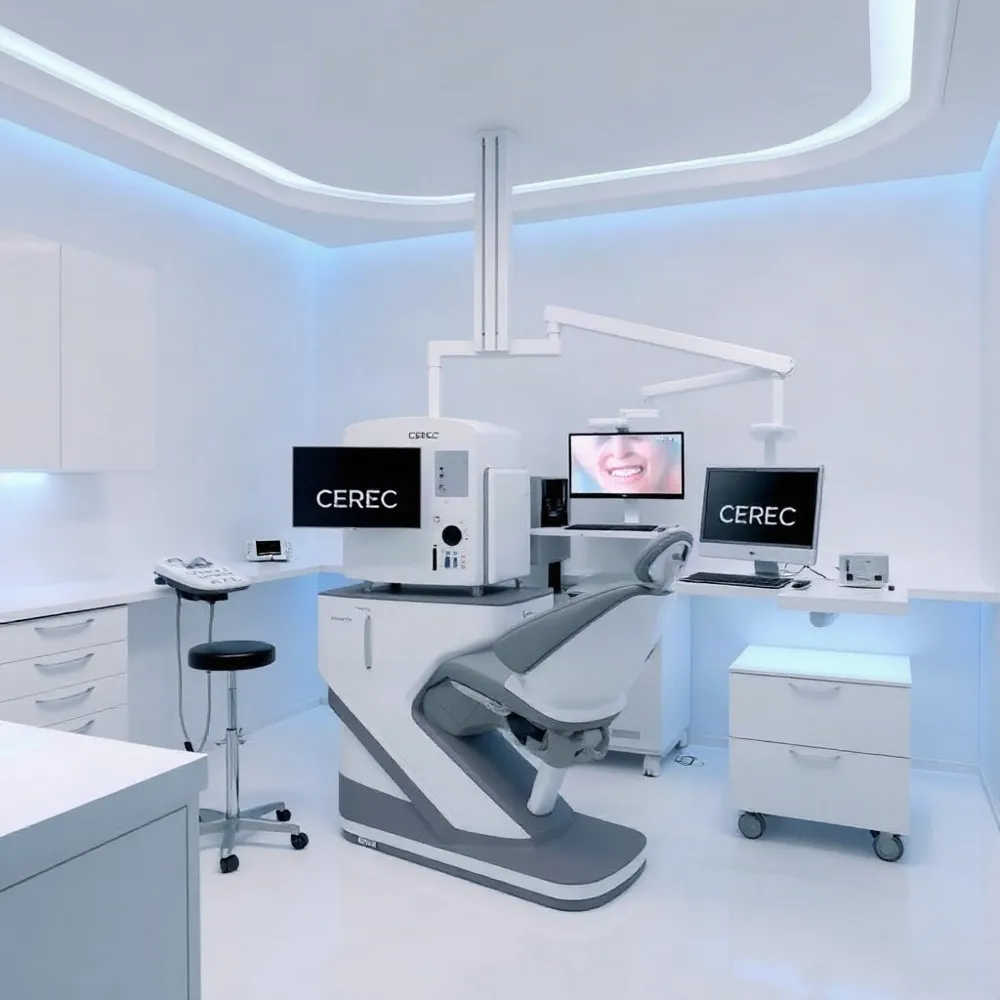
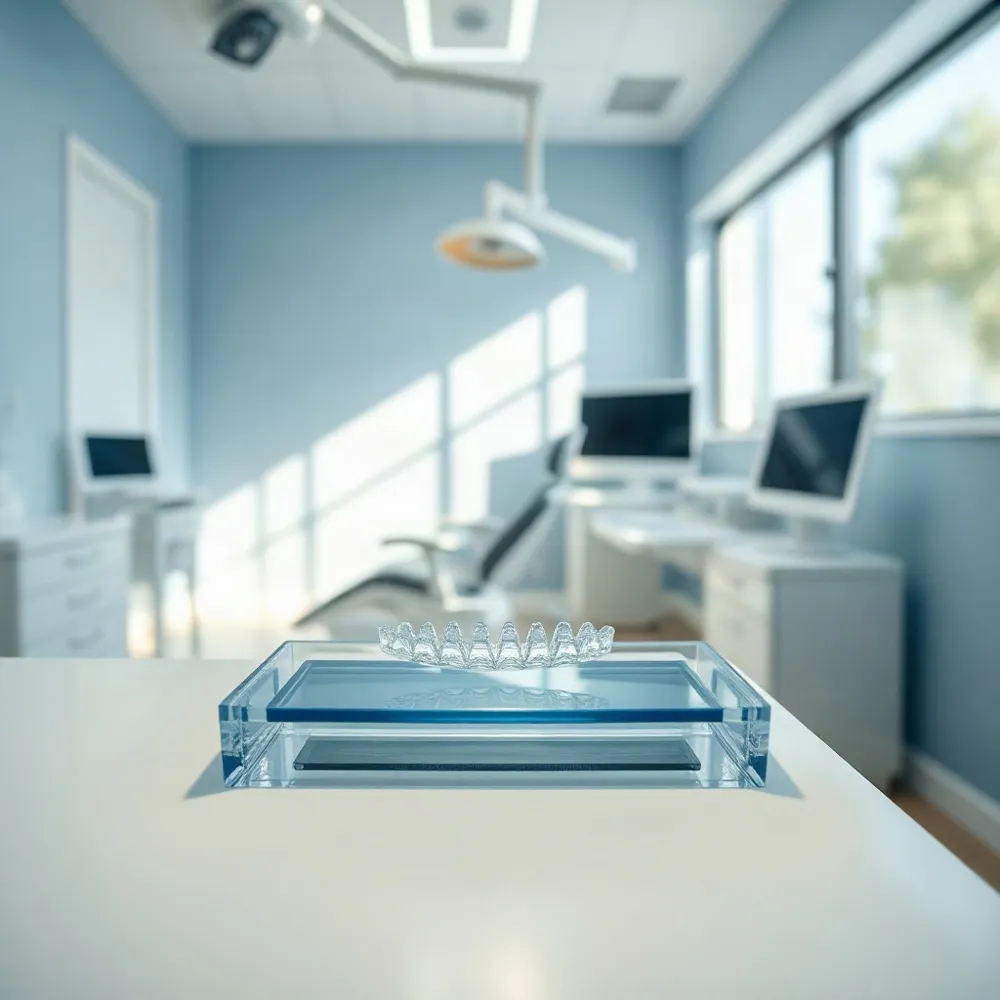
Clear aligner technology, such as SureSmile®, uses custom‑designed, virtually invisible trays that gently shift teeth while remaining removable. This removability lets patients brush, floss and use interdental cleaners after every meal, dramatically reducing plaque buildup compared with fixed brackets. Maintaining rigorous oral hygiene is essential because any food or bacteria trapped between the tooth and the aligner can cause cavities, gum inflammation, or white‑spot lesions. SureSmile integrates high‑resolution 3D imaging, AI‑driven treatment planning and BPA‑free, medical‑grade plastic to deliver precise, comfortable tooth movement while supporting optimal daily oral‑care habits.
What is Invisalign and How It Works – The Basics of Clear Aligner Orthodontics
 Benefits compared with traditional braces include discreet appearance, ability to eat any foods, and unrestricted brushing and flossing, which greatly improves oral hygiene and reduces plaque buildup. The smooth plastic eliminates brackets and wires that cause gum irritation and cheek chafing. Fewer in‑office adjustments are needed because the digital plan predicts movements precisely, often shortening overall treatment time.
Clear‑aligner orthodontics, as a whole, relies on CAD and 3‑D printing to create transparent trays that move teeth gradually while keeping the appliance removable for optimal cleaning and comfort. Patient compliance with the 20‑22‑hour wear schedule and diligent cleaning of both teeth and trays is essential to prevent cavities, gum inflammation, and white‑spot lesions.
Preparing for Invisalign: Health Checklist and Patient Expectations
 Before beginning Invisalign, patients must have a healthy oral foundation. Any cavities, gum disease, or extensive dental work should be completed first, and the dentist will verify that teeth and gums are stable enough for the forces applied by aligners. A pre‑treatment oral‑health check often includes a digital scan, X‑rays, and a periodontal assessment.
Compliance is critical: aligners should be worn 20–22 hours each day and removed only for meals, water‑only drinks, brushing, and flossing. Patients are expected to brush and floss after every meal before reinserting the trays, and to clean the aligners twice daily with a soft brush and a non‑abrasive cleanser. Regular follow‑up visits every 6–8 weeks allow the orthodontist to monitor progress and provide new trays.
Not all patients are ideal candidates. Severe crowding, large gaps, complex bite issues, active gum disease, or untreated decay can limit the effectiveness of clear aligners. Additionally, individuals who struggle with daily wear compliance may not achieve the desired results, and a dentist may recommend traditional braces or hybrid appliances for those cases.
Keeping Your Smile Clean: Oral‑Hygiene Strategies for Aligners
 Maintaining excellent oral hygiene while wearing clear aligners such as SureSmile or Invisalign is essential for both treatment success and long‑term dental health.
Daily brushing and flossing routine – After every meal, brush all tooth surfaces with a soft‑bristled toothbrush and fluoride toothpaste, then floss (or use interdental brushes/water flossers) before reinserting the tray. This removes food debris and plaque that could otherwise be trapped between the teeth and the aligner, reducing the risk of cavities and gum inflammation.
Aligner cleaning methods and products – Rinse trays in lukewarm water, then gently brush the inner and outer surfaces with a soft brush and a non‑abrasive cleanser. Specialized cleaning crystals, denture‑tablet soaks, or a mild antibacterial soap are effective for deep cleaning; avoid hot water and abrasive toothpaste to prevent warping or scratching. Store the aligners in a ventilated case when not in use.
Impact on the oral microbiome and long‑term health – When cleaned properly, clear aligners do not significantly alter the overall oral microbiome and are associated with lower rates of white‑spot lesions and gingivitis compared with fixed braces. Neglecting hygiene, however, can foster bacterial growth on the tray’s inner surface, leading to bad breath, gum irritation, or enamel demineralization.
Answers to common questions –
- How can I maintain oral hygiene while using Invisalign? Brush and floss after each bite, rinse and gently brush the aligners, stay hydrated, and keep regular dental check‑ups.
- Are clear aligners bad for teeth? No, they are safe when worn as directed and kept clean; problems arise only from poor compliance or neglect of oral care.
- What are the long‑term side effects of Invisalign? Rare issues include mild root resorption, gum inflammation from inadequate cleaning, or relapse if retainers are not worn.
- How do clear aligners affect oral health and the oral microbiome? Proper use and routine cleaning maintain a stable microbiome; neglect can increase bacterial colonization under the trays.
Consistent oral‑hygiene habits, appropriate cleaning products, and regular professional monitoring ensure that clear‑aligner therapy improves smile aesthetics without compromising oral health.
Professional Care: Cleaning Braces, Aligners, and Maintaining Gum Health
 Adult patients with traditional braces should brush after every meal using a soft‑bristle toothbrush and fluoride toothpaste, angling the brush to clean around each bracket and under the wires. A floss threader or interdental brush is essential for daily removal of food particles that a regular brush misses, and a fluoride‑free antimicrobial mouthwash helps reduce plaque and freshen breath. If a wire loosens or a bracket breaks, a small amount of orthodontic wax or dental silicone can protect soft tissues until a professional visit.
Yes, professional cleanings can be performed while braces are in place. Hygienists employ ultrasonic scalers and specially‑designed brushes that navigate around brackets and wires without damage, and they often use floss‑threaders or water‑flossing to reach hard‑to‑access areas. A cleaning at least every six months is recommended to prevent gum inflammation and decay during orthodontic treatment.
Dental appointments should be scheduled every 6–8 weeks for orthodontic check‑ups, with additional cleanings each six months or as advised by the treating dentist. This routine ensures that both the appliances and the oral tissues remain healthy throughout the treatment.
Speed and Efficiency: Aligners vs. Braces and Future Outlook
 When comparing treatment timelines, mild to moderate crowding or gaps can often be resolved with clear aligners—such as SureSmile—in 6 to 12 months, which is comparable to or faster than traditional metal braces. Complex cases that involve severe rotations, large gaps, or significant bite discrepancies may still require the precision of fixed appliances or a hybrid approach, extending therapy to 18–24 months. Several factors influence the speed of tooth movement: the accuracy of digital treatment planning, the material’s elasticity (e.g., SureSmile’s BPA‑free Essix® ACE vs. Invisalign’s SmartTrack™), patient compliance (20‑22 hours of daily wear), and the use of adjunctive technologies like robotically bent wires or high‑frequency vibration devices that improve aligner fit. Emerging research highlights that aligners can lower the incidence of white‑spot lesions and maintain stable periodontal indices, suggesting that faster, cleaner treatment is possible when hygiene protocols are followed. Overall, aligners may be faster for simpler orthodontic problems, while the most complex movements still benefit from the controlled forces of traditional braces.
Conclusion
SureSmile clear aligners give patients a clear oral‑hygiene advantage because they are removable, allowing normal brushing, flossing and fluoride use after every meal, which dramatically reduces plaque buildup, cavities and gum inflammation compared with fixed braces. Consistent 20‑22‑hour wear and diligent cleaning are essential; patients must follow the prescribed schedule and use soft‑bristled brushes, non‑abrasive cleaners and daily soaking. Regular dental check‑ups every 6‑8 weeks let the dentist monitor health and adjust treatment. Call David M Mayer DMD today to schedule your personalized consultation.