What to Expect When Starting SureSmile Treatment
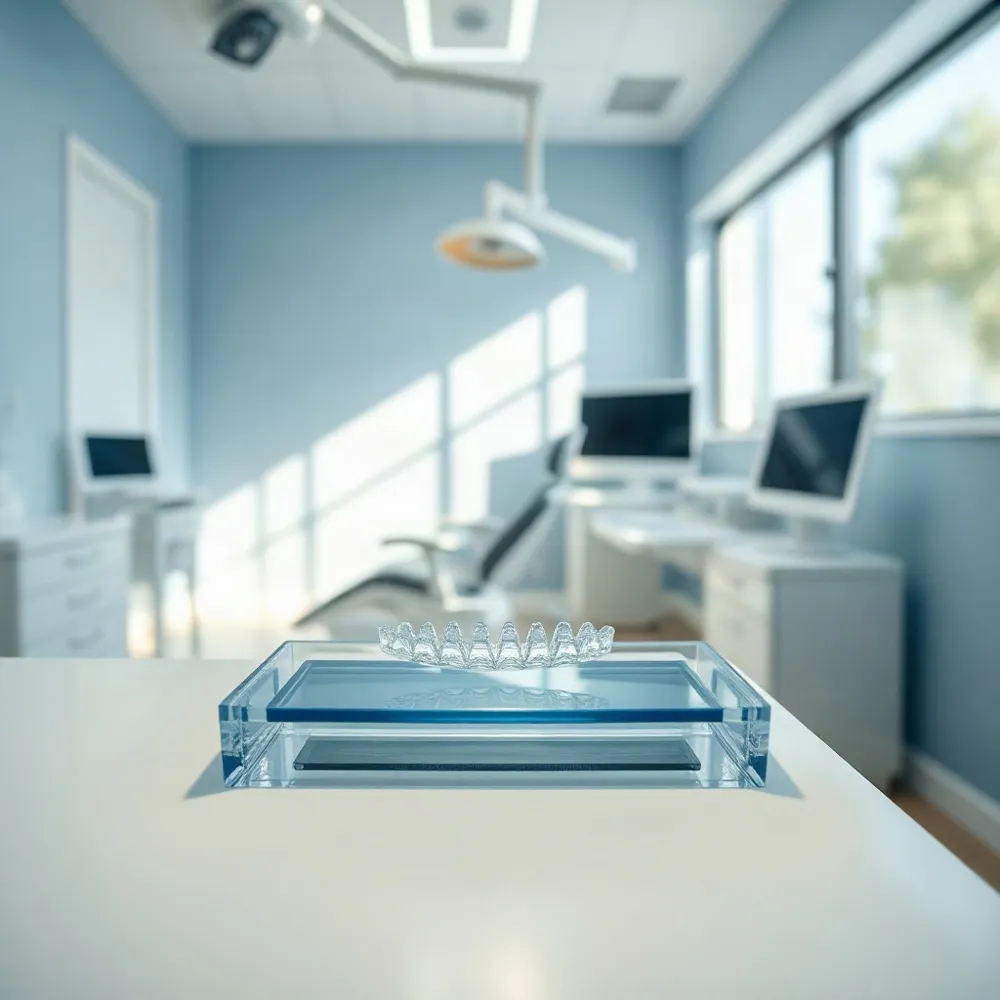
When you begin SureSmile clear‑aligner therapy, the first thing most patients notice is a subtle change in speech. Because the thin plastic trays sit over the teeth, the tongue may briefly hit the material, producing a mild lisp or altering “s,” “z,” and “th” sounds. This effect is usually limited to the initial days of wearing a new set of aligners and resolves as the mouth adapts.
The orthodontist will instruct you to wear the aligners for 20 to 22 hours each day, removing them only for eating, drinking, brushing, and flossing. Consistent wear not only drives the planned tooth movement but also speeds the speech‑adjustment process.
Most users report that the temporary lisp disappears within one to two weeks, with many feeling back to normal speech after just a few days of continuous wear. If difficulties persist beyond three weeks, a follow‑up appointment can confirm fit and provide additional guidance and ensure optimal results.
Understanding the Speech Impact of SureSmile Aligners
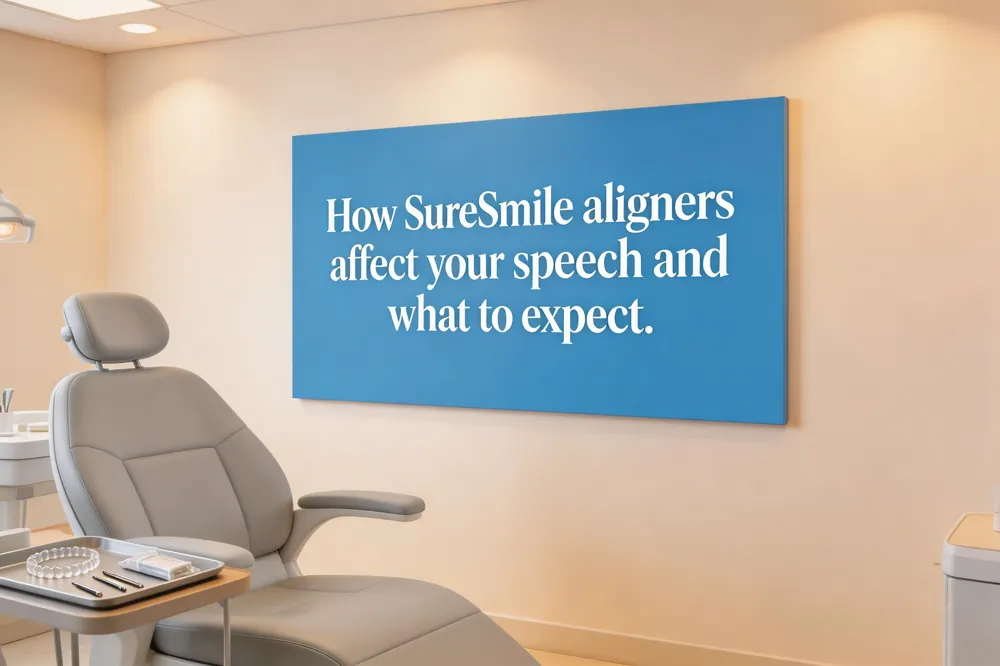 SureSmile clear aligners sit directly over the teeth, adding a thin layer that changes the normal tongue‑tooth‑ and airflow path. This new surface can cause the tongue to bump against the aligner, producing a mild, temporary lisp. The sounds most often affected are the sibilants and fricatives that require precise airflow at the front of the mouth – chiefly “s,” “z,” “sh,” and “th.”
Most patients notice the alteration within the first 1‑3 days of a new tray, and the majority adapt fully within a few weeks; many report resolution by the end of the first week of consistent 20‑22‑hour daily wear.
Compared with traditional metal or ceramic braces, SureSmile aligners are thinner, smoother, and removable, so they generally cause less pronounced speech changes. Brackets and wires occupy more space and can produce a louder lisp that lasts a few weeks, whereas the aligner’s minimal bulk usually results in a quicker, less noticeable adjustment.
Can Invisalign cause speech problems? Yes. Invisalign, like SureSmile, can produce a brief, mild lisp or altered sibilant sounds when first placed. The plastic tray changes tongue‑tooth contact, but most patients see the change disappear within a few days to two weeks as the tongue adapts. Persistent issues beyond a month should be evaluated by the orthodontist.
Proven Strategies to Fix Speech While Wearing Aligners
 When you first start a clear‑aligner system such as SureSmile or Invisalign, the extra thickness of the tray can change tongue‑to‑tooth contact and cause a mild lisp, especially on sibilant sounds (/s/, /z/, /sh/, /th/). The good news is that the alteration is temporary and can be resolved quickly with purposeful practice and good oral habits.
Daily reading‑aloud drills – Spend 10‑15 minutes each day reading a passage that contains many s‑, z‑, sh‑ and th‑words. This repetitive exposure trains the tongue to find the new tongue surface and restores normal airflow.
Targeted tongue‑placement exercises – Practice saying “sassy,” “sheep,” “shush,” and “think” while gently touching the roof of the mouth with the tongue tip for /s/ and /sh/. Repeating these drills 2–3 times daily builds muscle memory.
Record‑and‑listen technique – Use a smartphone or recorder to capture a short reading, then listen for any lingering lisp. Identify the trouble sounds, repeat them, and compare recordings until the pronunciation sounds clear.
Hydration and mouth moisture – Keep the mouth well‑lubricated by drinking water regularly. Moisture reduces tongue fatigue and helps the tongue move smoothly over the aligner surface.
Consistent wear for faster adaptation – Wear the aligners 20‑22 hours per day. Removing them frequently prolongs the adjustment period and can delay both speech normalization and tooth movement.
Answering common questions
- How to fix speech with Invisalign? Follow the five steps above: read aloud daily, practice tongue placement, record and review, stay hydrated, and keep the aligners in for the majority of the day.
- Invisalign speech exercises – The “S” drill (slow “sss” → faster), the “Sh” drill (tongue behind teeth while saying “shhh”), and the “Th” drill (focus on tongue tip placement for “think/ and “that”). Pair these with tongue‑twisters like “She sells seashells by the seashore.”
When a Lisp Persists: Temporary vs. Permanent Concerns
 Most patients who begin SureSmile or Invisalign treatment notice a mild lisp during the first few days of wear. The normal timeline for resolution is 1–2 weeks, with many users feeling normal speech within 24–48 hours and almost all adapting by the end of the second week. A lisp that lasts longer than four weeks, or that is accompanied by persistent irritation, difficulty swallowing, or a noticeable change in oral comfort, should prompt a professional review.
Signs that a lisp may need orthodontic attention include: (1) the inability to clear the lisp after consistent 20‑22 hour daily wear, (2) pain or ulceration on the tongue or cheeks, and (3) a sudden change in bite or alignment that could be affecting tongue placement.
Possible interventions for a lingering lisp are: (a) a follow‑up appointment to verify that the aligner fits correctly and to smooth any rough edges, (b) targeted speech‑language exercises such as reading aloud, tongue‑twisters, and recording playback, and (c), instances, a brief program of speech‑language therapy or a minor aligner adjustment.
Permanent lisp after Invisalign – Rare; usually temporary. If it persists beyond four weeks, consult your orthodontist.
Does Invisalign lisp ever go away? – Yes. Most patients recover within a few days to a couple of weeks, especially with consistent wear and practice.
Speech Effects of Other Orthodontic Appliances
 How much do lingual braces affect speech?
Lingual braces sit on the tongue side of the teeth, initially occupying space the tongue uses for certain sounds. Most patients notice a slight lisp or altered pronunciation of “s,” “t,” and “d” during the first few days to weeks. Because the brackets are custom‑made and low‑profile, the disruption is usually mild and short‑lived. Regular speaking practice—reading aloud, slowing down, and repeating tricky words—helps most people adapt within a few weeks and return to normal speech.
How much do lingual braces affect speech?
Lingual braces sit on the tongue side of the teeth, initially occupying space the tongue uses for certain sounds. Most patients notice a slight lisp or altered pronunciation of “s,” “t,” and “d” during the first few days to weeks. Because the brackets are custom‑made and low‑profile, the disruption is usually mild and short‑lived. Regular speaking practice—reading aloud, slowing down, and repeating tricky words—helps most people adapt within a few weeks and return to normal speech.
Does brace adjustment affect speech? Yes. When wires are tightened or new components are added, the tongue may have to navigate a slightly different space, often causing a temporary lisp or difficulty with sounds such as “s,” “sh,” or “th.” This adjustment period typically lasts a few days to a couple of weeks as the mouth gets used to the new pressure. Practicing aloud, speaking in front of a mirror, or engaging in conversation accelerates muscle relearning and speeds recovery.
Invisalign vs. braces speech impact Both Invisalign clearers and traditional metal braces can cause brief speech changes when you first start treatment. Invisalign’s thin plastic trays add a small bulk to the front of the mouth, often producing a short‑term lisp, while brackets and wires may interfere with tongue placement and cause slight mumbling. The most noticeable adjustment occurs in the first few days to a week; with consistent practice—reading aloud, chewing soft foods, and speaking slowly—the temporary lisp usually resolves within a couple of weeks. In the long term, neither appliance has a lasting impact on speech once the orthodontic device is fully adjusted or removed.
Professional Guidance and When to Seek Help
 Regular orthodontic check‑ups are essential during SureSmile treatment because they allow the orthodontist to monitor tooth movement, verify aligner fit, and address any emerging speech issues promptly. Patients should schedule a visit if they notice persistent lisping or altered pronunciation of sibilant sounds (e.g., "s," "z," "sh") that lasts longer than two weeks, experience excessive tongue irritation, or feel that the aligner is causing discomfort that interferes with clear speech. In such cases, the orthodontist may adjust the aligner thickness, smooth edges, or modify the treatment plan. While most speech adjustments resolve within days to a few weeks, rare cases may benefit from a referral to a speech‑language pathologist. These specialists can provide targeted articulation exercises and monitor progress, ensuring that any temporary speech changes do not become long‑term concerns while the orthodontic correction proceeds.
Final Thoughts on Speech and SureSmile
The majority of patients who start SureSmile treatment notice only a brief, mild alteration in speech—often a slight lisp or a change in the way "s" and "z" sounds are produced. Because the aligners are thin, smooth, and removable, these changes are usually temporary and resolve within a few weeks as the tongue adapts to the new oral geometry. The fastest recovery occurs when the aligners are worn consistently for the recommended 20‑22 hours per day and the patient practices speaking aloud—reading passages, recording and reviewing, or engaging in conversation with a trusted friend. These habits reinforce the neuromuscular patterns needed for clear articulation. If speech difficulties persist beyond the typical adaptation period, it is important to contact the orthodontist. An adjustment to the fit or a brief therapeutic intervention can address lingering issues and keep the treatment on track while ensuring patient comfort and confidence.