Why Bioactive Crowns Matter
Patient Demand for Durable, Preventive Restorations
Patients today seek crowns that do more than replace damaged enamel—they want restorations that actively protect oral health. Bioactive crowns release calcium, phosphate, and fluoride ions, promoting remineralization at the tooth-crown margin. Clinical studies show they can reduce secondary caries incidence by up to 30% compared with traditional ceramics, meeting the growing demand for long-lasting, preventive care.
Integration of Bioactive Science with Digital Workflows
Modern CAD/CAM technology allows clinicians to mill bioactive ceramic blocks—such as calcium silicate or glass-ionomer-based materials—during a single visit. Digital impressions and AI-assisted design ensure precise fit, while the material’s therapeutic ion release begins immediately. This combination of speed and bioactivity delivers a restoration that both restores function and supports ongoing tooth health.
Impact on Oral Health in the Paterson, NJ Community
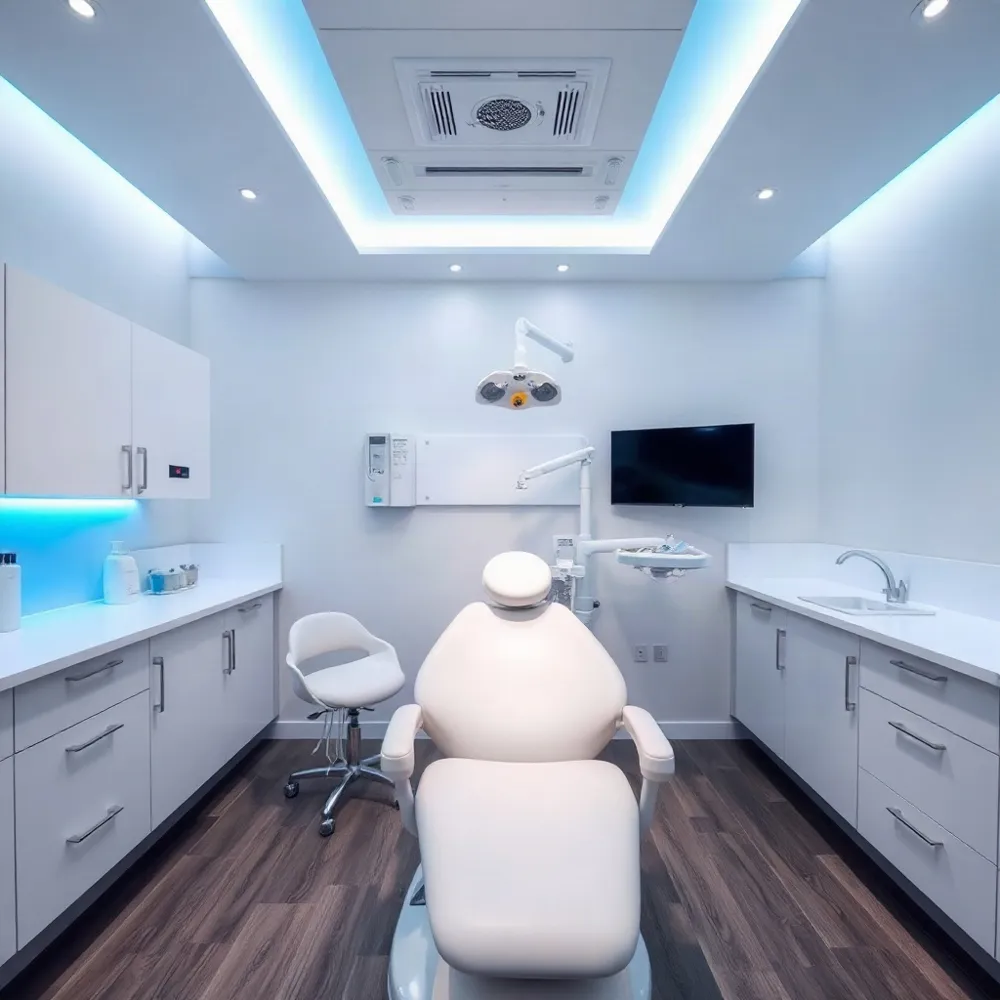
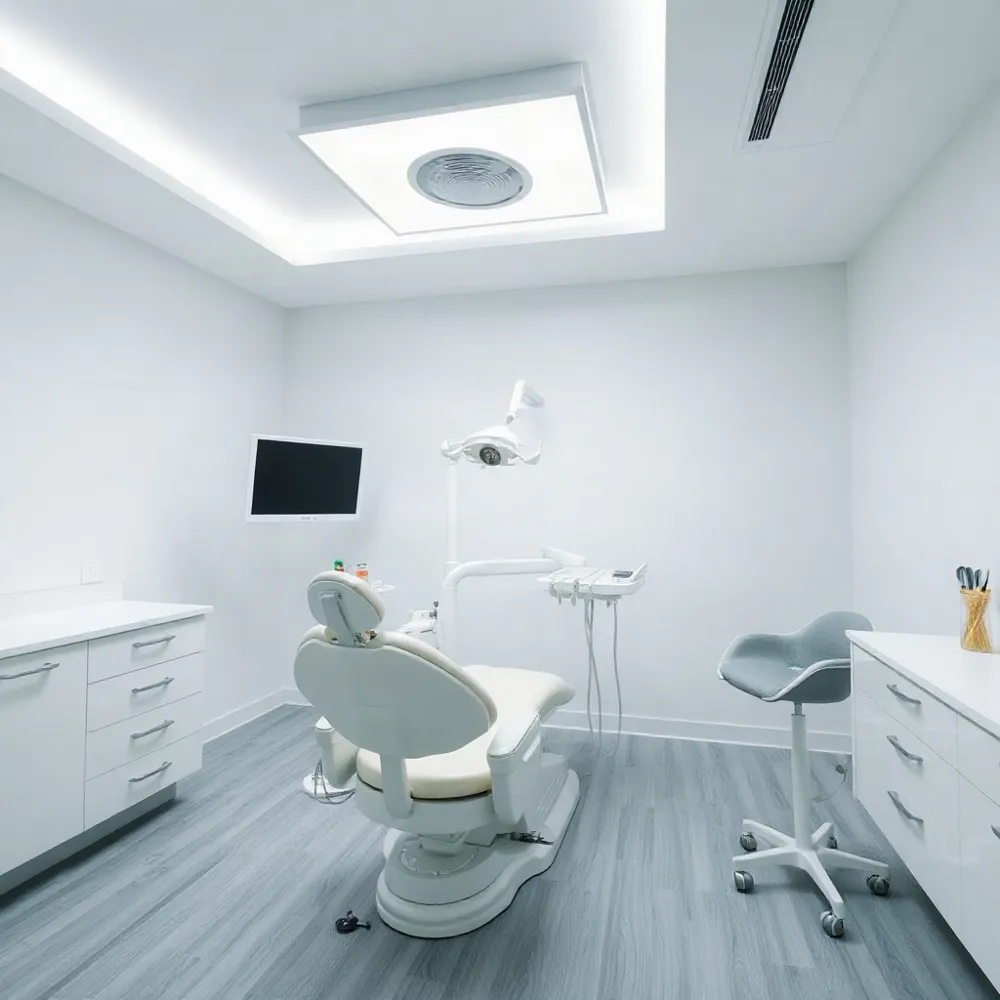
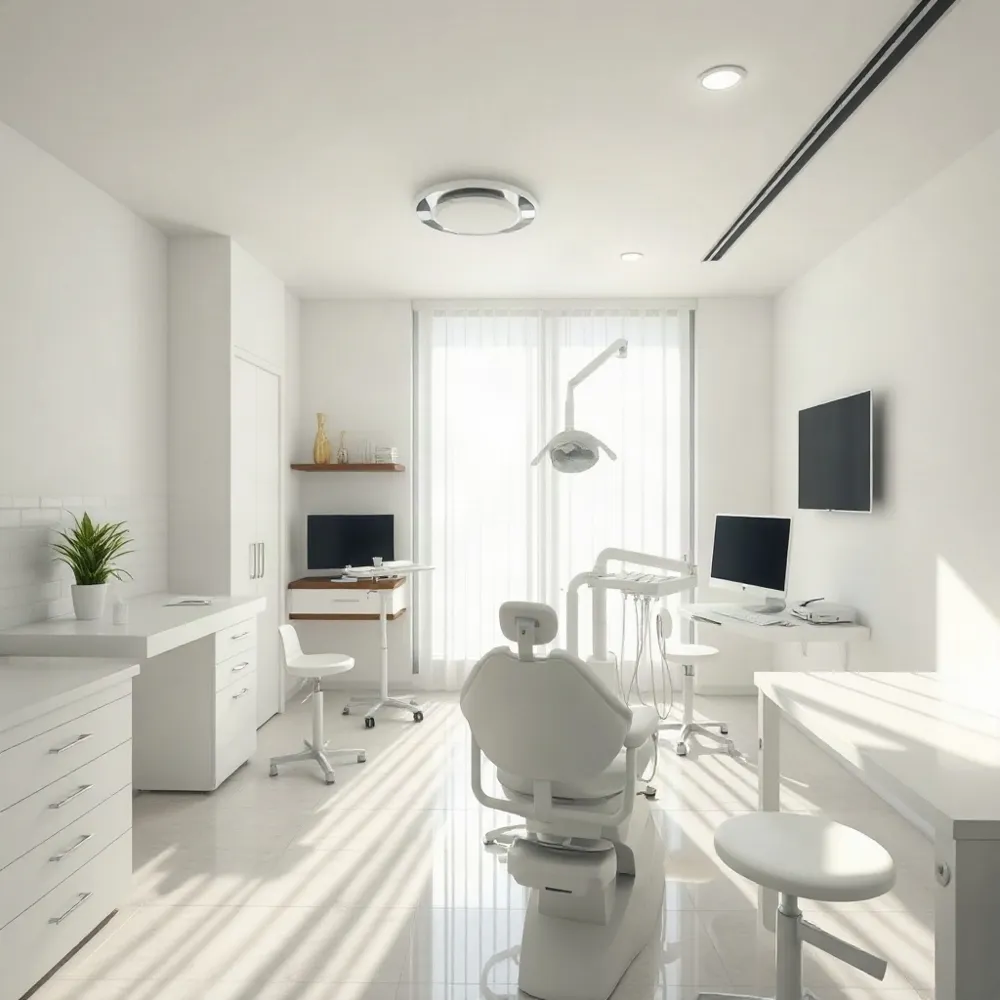
Paterson’s diverse population, many of whom face barriers to regular dental care, benefit greatly from durable, low-maintenance restorations. Bioactive crowns offer a cost-effective solution by reducing the need for future repairs. Local practices provide same-day placement with multilingual support, making advanced, preventive care accessible to families across the community.
Understanding Bioactivity in Dental Materials
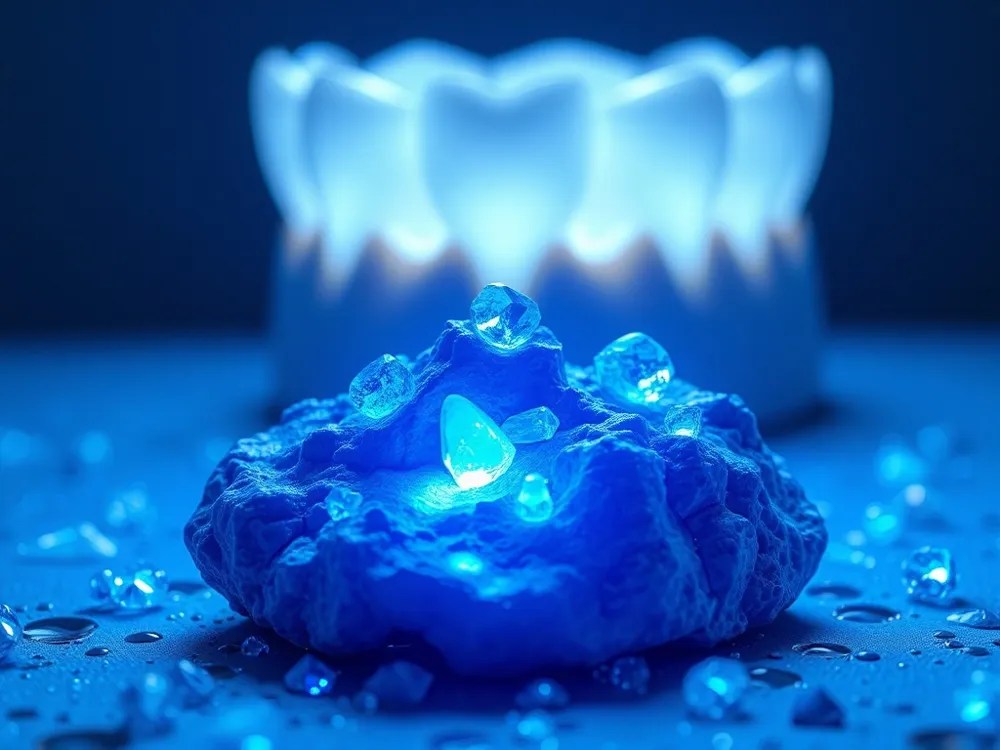 What defines a dental material as bioactive? Unlike inert materials—such as traditional amalgams or standard composites that passively fill a space—bioactive materials actively interact with living tissues. They release therapeutic ions like calcium, phosphate, and fluoride directly into the surrounding tooth structure. This ion release triggers a biological response: the formation of a hydroxyapatite layer on the material’s surface, which chemically bonds with natural enamel and dentin. This process mimics the body’s own repair mechanisms, promoting remineralization of weakened tooth structure and creating a seal that resists microleakage. Clinically, this means bioactive crowns can reduce secondary caries incidence by actively repelling bacteria and strengthening the tooth–restoration interface. By continuously replenishing minerals and neutralizing acidic attacks, these materials support long-term oral health rather than simply restoring function.
Materials That Go Beyond Filling
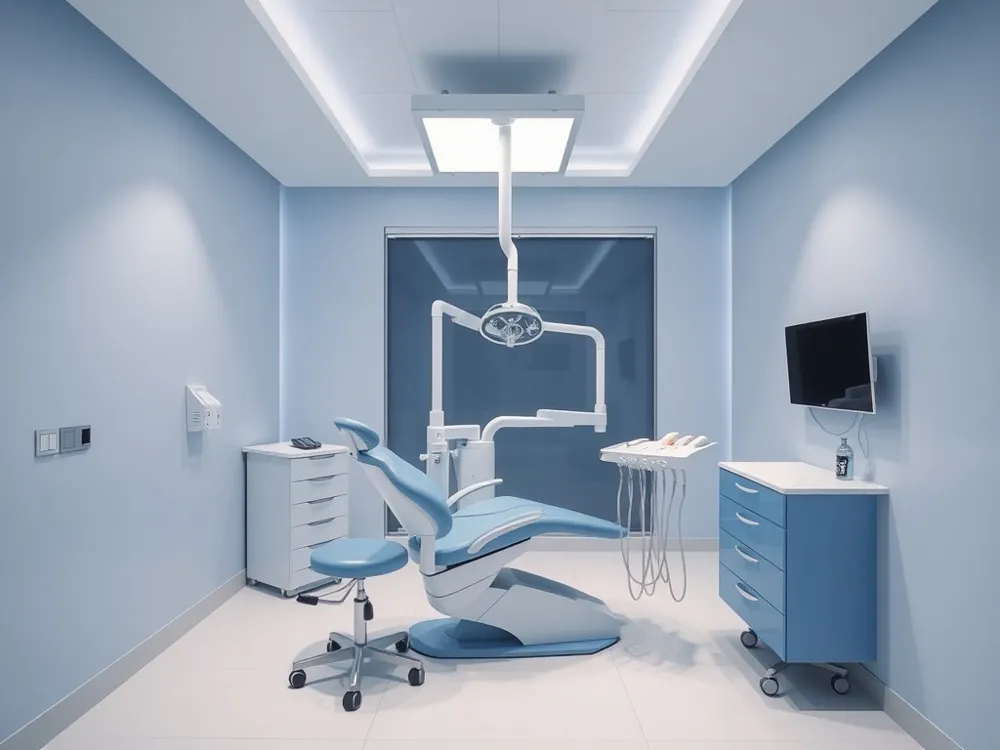
What are examples of bioactive materials in dentistry?
[Bioactive dental materials interact with tooth tissue to repair and protect rather than just fill. Glass Ionomer Cements (GICs) release fluoride and form acid‑resistant fluorohydroxyapatite, promoting remineralization and reducing secondary caries. Bioactive glasses, such as 45S5, release calcium and phosphate ions that precipitate hydroxyapatite, bonding chemically to dentin and neutralizing oral acids. Calcium silicate‑based cements like MTA and Biodentine create an alkaline environment, stimulate reparative dentin formation, and are widely used for pulp capping and root repair.
Resin‑based bioactive luting cements and composite fillers incorporate bioactive glass or calcium phosphate particles. These materials release therapeutic ions—calcium, phosphate, fluoride—continuously over time, helping to remineralize enamel and dentin at the restoration margin and reducing bacterial activity. Composite fillers like Cention N have shown promising ion release, though mechanical properties may limit use in high‑stress areas. By going beyond simple filling, these materials actively preserve tooth structure and support long‑term oral health.
The Crown of the Future: Zirconia and Smart Materials
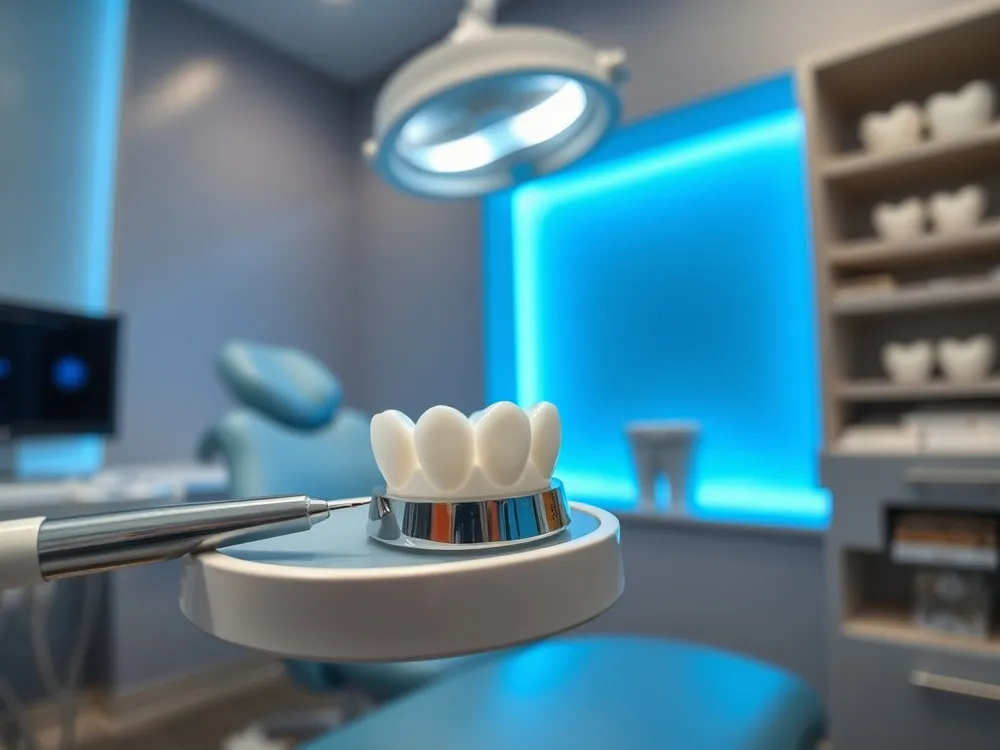
What is the new material for dental crowns?
Zirconia has become the leading new material for dental crowns, surpassing traditional porcelain‑fused‑to‑metal (PFM) options. Modern translucent and multilayered zirconia creates a natural color gradient that mimics real teeth, making it ideal for both posterior and anterior restorations. Same‑day CAD/CAM milling of bioactive ceramic blocks allows precise, single‑visit fabrication while preserving the material’s ability to release therapeutic ions.
Smart composites incorporating amorphous calcium phosphate release calcium and phosphate ions when oral pH drops, neutralizing acid and helping form a hydroxyapatite layer for tooth repair. Self‑healing microcapsule technology enables composites to seal microcracks autonomously, extending restoration life. For endodontic and orthodontic procedures, shape‑memory nickel‑titanium alloys offer superelasticity and flexibility, reducing procedural errors.
These innovations combine strength, aesthetics, and active therapeutic benefits, aligning with minimally invasive and preventive dentistry.
Balancing Risks: Complex Procedures and How Bioactive Materials Help
What is the riskiest dental procedure?
Root canals, dental implants, and wisdom tooth extractions carry significant risks. Root canals require complete removal of infected tissue and a tight seal to prevent reinfection. Implants involve surgical placement with risks of infection, nerve damage, or failure. Wisdom tooth removal can lead to nerve injury or dry socket.
Bioactive materials help mitigate these risks. Smartpaste Bio, a bioceramic root‑canal sealer, releases calcium hydroxide and hydroxyapatite to neutralize acid, kill bacteria, and provide dimensional stability. Bioactive coatings on implants release calcium and phosphate ions to enhance osseointegration and may incorporate silver nanoparticles for antimicrobial protection. Antimicrobial peptides like STAMPs target Streptococcus mutans specifically, reducing caries‑causing biofilm. Smart adhesives containing MDPB reduce bacterial adhesion and improve marginal integrity. These advances lower complication rates and support healing in complex procedures.
Beyond Crowns: The Broad Role of Biomaterials in Modern Dentistry
What are biomaterials used for in dentistry?
Dental biomaterials protect and restore damaged teeth using metal alloys, ceramics, polymers, and cements. Beyond fillings and crowns, modern biomaterials offer active therapeutic benefits.
Bioactive Coatings for Osseointegration
Bioactive coatings on dental implants release calcium and phosphate ions, enhancing bone bonding. Silver nanoparticles can be incorporated for antimicrobial protection, improving implant success rates.
Smart Impression and Shape-Memory Materials
Smart impression materials with shape-memory properties reduce distortion and improve accuracy, shortening working and setting times by up to 33%. These materials enhance patient comfort.
3D-Printed Bioactive Crowns and Temporaries
3D printing enables precise, patient-specific crowns with embedded therapeutic agents. Same-day fabrication using CAD/CAM and bioactive materials reduces visits and supports remineralization.
AI-Assisted Design and Virtual Mock-Ups
AI-powered crown design optimizes shape, fit, and function based on patient data. Virtual mock-ups allow patients to preview results, improving satisfaction and reducing adjustments.
Nanoparticle-Enhanced Ceramics for Wear Resistance
Nanoparticle-sized hydroxyapatite fillers increase elastic modulus and surface hardness of composites. However, excessive loading can cause clustering. These advances improve crown durability.
Embracing a Health‑Focused Future
Choosing a Bioactive Crown for Lasting Wellness
Bioactive crowns do more than restore a tooth; they actively release minerals to strengthen and protect the surrounding structure, reducing the risk of future decay. This approach aligns with modern, preventive dentistry that prioritizes long-term oral health.
At Fortune Smiles Dental in Paterson, we combine these advanced materials with state-of-the-art digital technology. Our multilingual team ensures every patient feels understood and cared for, making it easier to access same-day, bioactive crown restorations.
If you are ready to experience a restoration that actively supports your smile's health, we invite you to schedule a consultation. Let us help you discover how a same-day, bioactive crown can offer both convenience and lasting protection.