Understanding the Vital Role of Dental Crowns in Aging
As the global population aged 65 and older is projected to reach 1.5 billion by 2050, the demand for geriatric dental services continues to climb, per NIH data. This demographic shift underlines a frequent need for restorative solutions to address age-related issues like tooth wear, root caries, and structural damage.
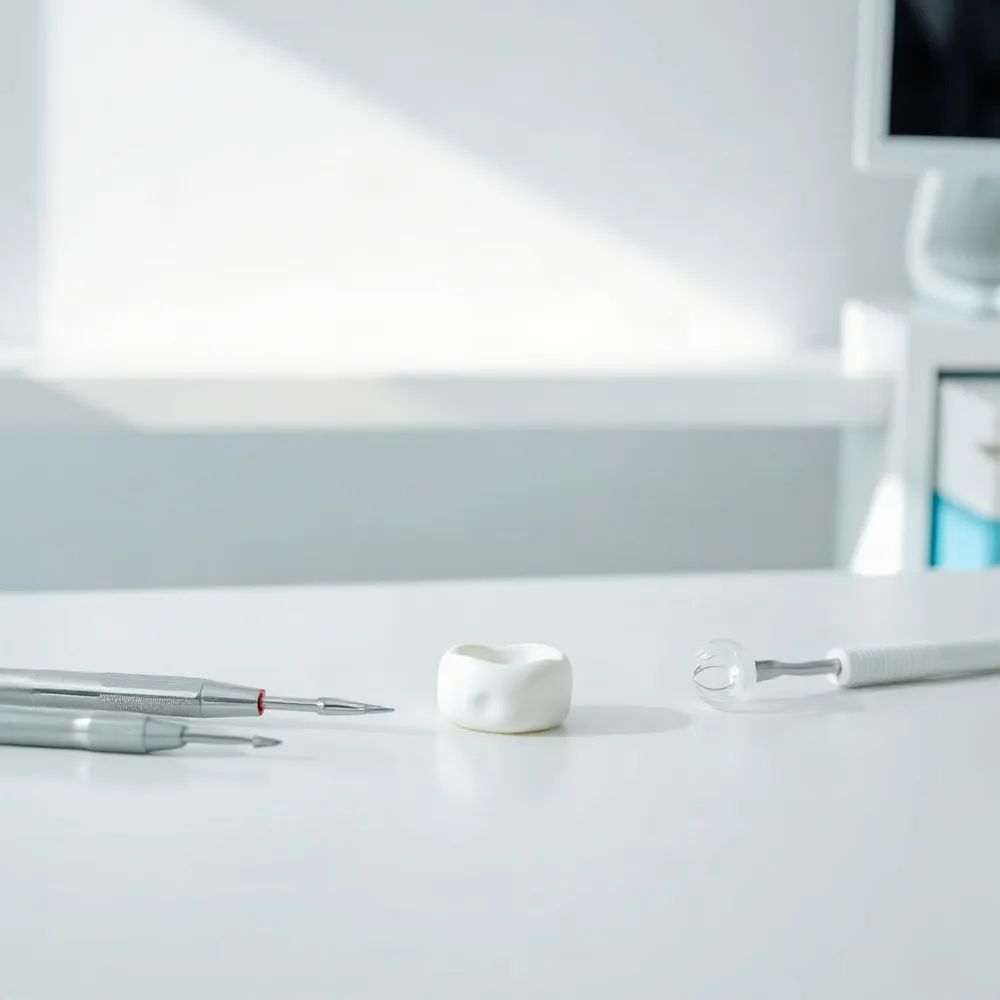
A dental crown serves as a custom-fitted, tooth-shaped cap used to restore damaged or weakened teeth. At David M. Mayer, DMD, we prioritize this restorative approach to reinforce teeth against further decay or fracture while ensuring patients regain their natural bite functionality.
Maintaining oral health is essential for more than just comfort, as tooth loss is linked to a 21% higher risk of malnutrition and other systemic health concerns, according to the American Dental Association. By utilizing durable restorations, we help seniors preserve their natural teeth, improve their nutrition, and maintain overall wellness during their most vibrant years.
Common Oral Health Challenges for Older Adults
 As the global population aged 65 and older continues to rise toward an estimated 1.5 billion by 2050, the importance of addressing specific geriatric dental risks has never been more urgent, per NIH data. Older adults frequently encounter physiological changes that compromise oral defenses, including enamel thinning and widespread gum recession. These structural changes often lead to exposed root surfaces, which are highly susceptible to root caries and sensitivity.
The challenge is further compounded by a phenomenon known as polypharmacy. Medications commonly prescribed for hypertension, Parkinson's disease, and depression frequently cause xerostomia, or dry mouth. This condition affects up to 40% of patients over age 80, according to the American Dental Association. With reduced saliva flow, the natural buffering capacity of the mouth diminishes, and the risk for dental caries increases by 60%.
At David M. Mayer, DMD, we recognize that these biological factors require a more vigilant approach than standard preventive care. While many practices may overlook the unique needs of seniors, our Paterson, NJ office utilizes a compassionate, multilingual team familiar with the systemic links between chronic conditions like diabetes and the severity of periodontal disease. Managing these risks involves more than just routine cleanings. It requires a tailored plan that accounts for medication side effects and physical dexterity changes to help patients maintain their quality of life.
Impact of Chronic Conditions on Oral Wellness
Systemic health and oral health share a bidirectional relationship. Conditions such as rheumatoid arthritis are linked to increased severity of periodontitis, which in turn can exacerbate systemic inflammation throughout the body. Because untreated oral infections can be a precursor to broader health complications, timely intervention is essential. Proactive maintenance at David M. Mayer, DMD ensures that common age-related issues are addressed before they result in tooth loss or significant discomfort, providing a foundation for long-term health.
Restoring Functionality Through Advanced Crown Technology
 When a tooth sustains significant structural damage or requires an invasive procedure like a root canal, dental crowns serve as a primary defense. A root canal is typically necessary when deep decay, trauma, or cracks affect the tooth's innermost pulp, leading to infection or inflammation that requires professional intervention to save the natural tooth. At davidmmayerdmd.com, we prioritize preserving your natural tooth structure by reinforcing treated areas with custom-fitted crowns that withstand daily biting and chewing forces.
Selecting the Right Material
Modern dentistry offers a range of materials tailored to specific functional and aesthetic needs. Zirconia-based all-ceramic crowns are increasingly preferred for their high durability and natural appearance, which is gentle on opposing teeth. Other options include traditional metal alloys, which provide superior longevity for molars, or porcelain-fused-to-metal (PFM) for patients seeking a balance of structural strength and cosmetic appeal.
Evolution of Procedure Efficiency
The traditional restoration method typically spans two clinical visits. The first session involves preparing the tooth and taking impressions for off-site fabrication, while the second visit focuses on final bonding. To better accommodate the busy schedules of our patients, davidmmayerdmd.com utilizes advanced CAD/CAM technology that enables the design and milling of custom crowns on-site. This efficiency eliminates the need for temporary restorations and allows many individuals to receive their permanent crown in a single visit.
| Material Type | Primary Benefit | Common Use |
|---|---|---|
| Zirconia/Ceramic | Aesthetics | Visible teeth |
| Porcelain-Fused-to-Metal | Strength | Versatile use |
| Metal/Gold | Durability | Back molars |
Patient Considerations and Long-Term Care
 While dental crowns are an effective restorative treatment for aging teeth, the process requires the permanent removal of a portion of natural enamel to ensure a precise, secure fit. At davidmmayerdmd.com, our team approaches this step with precision to minimize reduction, unlike practices that may lack such focused attention, helping to preserve as much of your healthy tooth structure as possible.
Following the procedure, it is common to experience mild gum soreness or temporary sensitivity to temperature for a few weeks as the tissue heals. Maintaining the health of your restoration requires a consistent routine, including brushing twice daily with fluoride toothpaste and flossing regularly. This habit is vital because secondary decay often develops at the gum line, a common issue for seniors that necessitates professional monitoring to avoid the need for replacement.
- Avoid chewing on extremely hard or sticky foods like ice, popcorn kernels, or taffy to protect the crown from chipping.
- Consider using a custom-fitted mouthguard if you suffer from bruxism, as nighttime clenching or grinding can significantly shorten the lifespan of dental work.
- Schedule regular dental check-ups at davidmmayerdmd.com to allow our team to catch signs of wear, loose margins, or gum recession before they become complex issues.
With diligent care, modern dental crowns can often last between 10 to 15 years, and sometimes longer. If you ever notice persistent sensitivity, a bad taste, or a feel of looseness, contact us for an evaluation. Early intervention at davidmmayerdmd.com ensures your smile stays protected, avoiding the complications that can arise when a crown is ignored.
Integrating Implants and Insurance Coverage
While dental crowns act as caps for existing teeth, dental implants offer a distinct, permanent solution by replacing an entire missing tooth from root to crown. Patients should weigh these options with their dental provider based on their unique oral structure and long-term health goals.
Does Original Medicare cover dental crowns for seniors?
Original Medicare, which includes Part A and Part B, generally does not provide coverage for routine dental services such as dental crowns, bridges, or cleanings. Because these procedures are typically considered elective or basic dental care, they fall outside the scope of hospital insurance and medical insurance benefits. Many seniors instead utilize Medicare Advantage plans (Part C), which are offered by private insurance companies and often include supplemental dental benefits. Reviewing individual plan details or consulting with a licensed insurance agent can help clarify what your specific coverage allows for dental care.
What are the benefits of dental implants, and is there a minimum age requirement?
Dental implants provide a durable, stable solution for replacing missing teeth, significantly improving chewing function, facial structure, and overall quality of life. Regarding age, the main requirement is that a patient's jawbone must be fully developed, which typically occurs by the mid-20s. There is no maximum age for the procedure, and seniors frequently benefit from successful implant treatment. Eligibility for patients of any age is determined by a comprehensive evaluation of oral health, systemic medical conditions, and available bone density as outlined by NIH research on geriatric dental health. Consulting with a qualified dental provider is the best way to determine if implants are the right choice for your specific needs.
How long should a patient expect for the recovery and completion of a dental implant procedure?
The complete dental implant process spans several months as it requires surgical healing and osseointegration, where the implant fuses with the jawbone. Most patients find that the initial recovery from the surgery takes about two weeks, during which swelling and discomfort subside. After this early phase, there is a waiting period of three to six months to allow the bone to solidify around the post. Once integration is confirmed, a final restoration is attached to complete the treatment. Throughout this journey, your commitment to post-operative care and oral hygiene remains an important factor in ensuring a successful, lasting result.
A Proactive Path to Senior Dental Wellness
Prioritizing restorative care is an essential investment in maintaining independence and quality of life as you age. Since systemic wellness is deeply tied to oral health, as noted by the American Dental Association, proactive treatment prevents complications like malnutrition and systemic inflammation.
At David M. Mayer, DMD, we provide personalized assessments to determine if crowns or other restorative options best serve your goals. Unlike high-volume offices that may push standardized solutions, our team tailors care to your unique dental history. We invite you to schedule a consultation to discuss how we can protect your smile and support your long-term health.