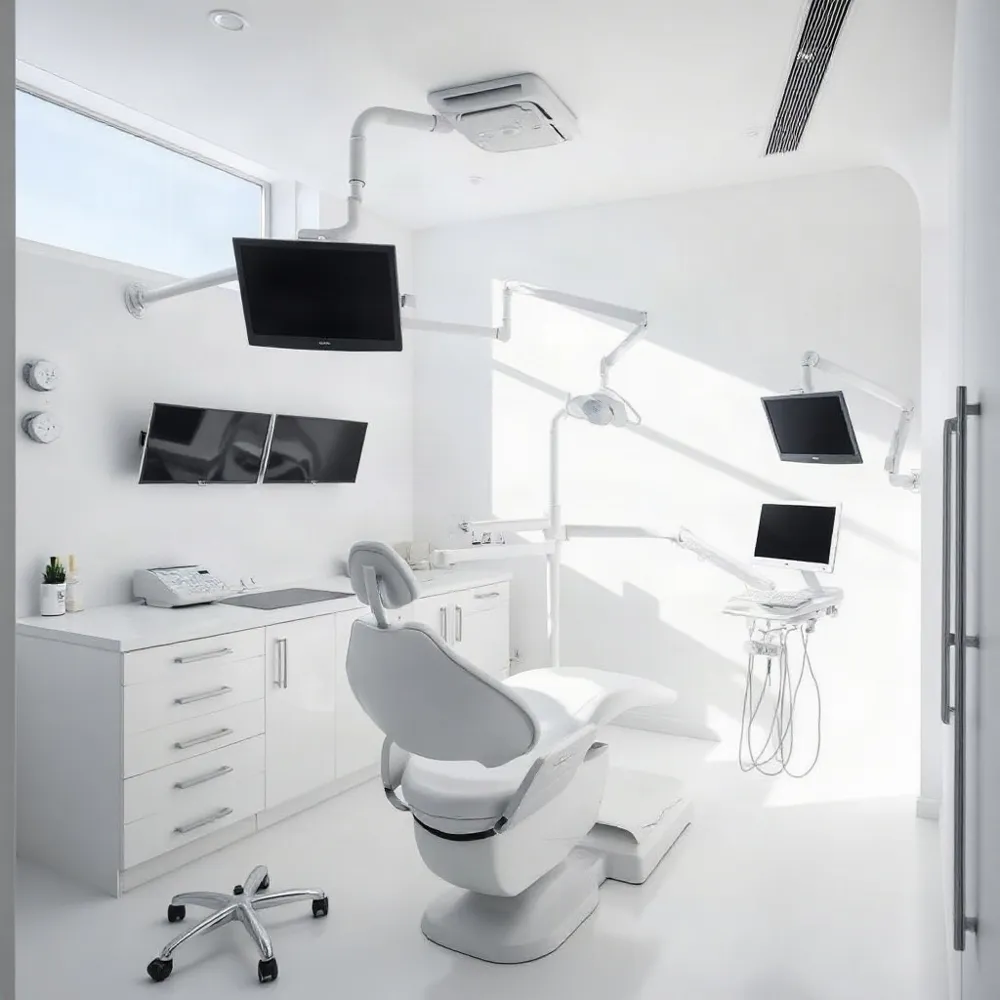
Why Light‑Cure Matters in Modern Crown Work
Chair‑side CAD/CAM dentistry has evolved dramatically since the 1980s. Modern systems use intraoral scanners to capture micron‑precise digital impressions, then mill a permanent crown from a solid ceramic block in minutes. The entire process—from scanning to final bonding—is completed in a single appointment lasting one to two hours, eliminating the need for temporary crowns and return visits.
Patients today expect both speed and natural esthetics from dental restorations. Same‑day crowns meet these expectations by offering a strong, tooth‑colored ceramic restoration in a single visit. The procedure is ideal for busy professionals, those with dental anxiety, or anyone needing immediate care for a fractured or decayed tooth.
The link between curing lights and same‑day crown success is central to the entire workflow. After the crown is milled, a light‑cured adhesive cement permanently bonds it to the prepared tooth. Without adequate light exposure at the proper wavelength (typically 455–481 nm for camphorquinone initiators), the cement may not achieve complete polymerization. This can lead to bond failure, marginal gaps, and premature crown loss. Modern LED curing lights deliver high irradiance (1000 mW/cm² or more) for a controlled exposure time, ensuring a durable, long‑lasting restoration that resists wear and staining.
Key Points at a Glance
| Aspect | Role of Light‑Cure | Clinical Impact |
|---|---|---|
| Bonding cement | Polymerization via visible light | Secure crown adhesion |
| Material compatibility | Wavelength matches photoinitiator | Prevents under‑curing |
| Energy delivery | Irradiance × time (J/cm²) | Ensures full hardness |
| Patient safety | Blue‑blocking eye protection & air cooling | Minimizes pulp & retinal injury |
| Workflow efficiency | Single‑visit technique | No temporaries, faster recovery |
The Digital Backbone of Same‑Day Crowns
How does an intraoral scanner create a perfect digital model?
Same-day crowns begin with a digital scan. Instead of messy putty, an intraoral scanner uses optical triangulation. Structured light is projected onto the tooth, and the sensor calculates precise spatial coordinates from the reflected light. This creates a microns-precise 3D virtual model of your mouth, eliminating errors from air bubbles or material distortion common with traditional impressions.
How does CAD software design the crown?
The CAD software analyzes the shape of nearby teeth and your bite. It proposes a crown that fits into your natural chewing pattern. The dentist then reviews this design chairside, making precise adjustments to margins, contact points, and occlusion at a microscopic level before final approval.
What materials are used for in-office milling?
Once the design is approved, the data is sent to an in-office milling machine. Diamond-coated burs carve the crown from a solid ceramic block in about 10 to 15 minutes. Common materials include:
| Material | Flexural Strength | Best Use |
|---|---|---|
| Lithium disilicate | 360–400 MPa | Visible teeth, excellent aesthetics |
| Zirconia | 800–1,200 MPa | Molars, patients who grind |
| Hybrid ceramics | Variable | Balanced strength and shock absorption |
Why are monolithic crowns beneficial, and what is sintering?
Because the crown is carved from a single block, it is a monolithic restoration. This greatly reduces the risk of chipping compared to layered crowns. After milling, ceramic crowns are often in a pre-crystallized state. They undergo sintering in a high-temperature furnace (over 800°C) for 10–15 minutes to develop final hardness and shade. A final glaze seals the surface, reduces plaque adhesion, and improves long-term color stability.
Understanding Dental Curing Lights
What is a dental curing light and what is it used for?
A dental curing light is a handheld device that emits a specific wavelength of blue visible light. Its primary purpose is to polymerize, or harden, photoactivated materials such as composite fillings, sealants, and resin-based cements. This process is essential for ensuring the strength, longevity, and proper function of tooth-colored restorations, including same‑day crowns.
Blue‑light wavelength (455‑481 nm) and photoinitiator activation
The light activates a photoinitiator, commonly camphorquinone, within the restorative material. The photoinitiator absorbs blue light at specific wavelengths (455‑481 nm), triggering a chemical reaction that converts monomers into a solid, durable polymer network. For same‑day crowns, this rapid, on-demand curing is critical to complete the restoration in a single appointment.
LED versus halogen and plasma‑arc technologies
Modern curing lights predominantly use LED (light‑emitting diode) technology, which is energy‑efficient, has a long lifespan, and runs cooler than older models. Earlier technologies included quartz‑tungsten‑halogen (QTH) lights, which produced broad‑spectrum light but generated more heat and required more maintenance. Plasma arc curing (PAC) lights offered very fast curing times but also produced significant heat and required careful cooling. Today, high‑power LED units are the established standard, delivering the necessary intensity and wavelength for reliable polymerization.
Key performance parameters: irradiance, radiant exposure, tip distance
Key performance parameters are crucial for successful curing. Irradiance (mW/cm²) is the power of the light striking a given area. Radiant exposure (J/cm²) is the total energy delivered, calculated by multiplying irradiance by curing time. The curing tip distance from the material and the angle of incidence directly affect how much energy reaches the restoration. Proper technique—maintaining the tip close (within 6 mm) and at a right angle—is vital to ensure complete polymerization, which is fundamental to the strength and longevity of a same‑day crown. Inadequate curing can lead to restoration failure, while careful technique ensures a durable, long‑lasting result.
Why Light‑Cured Composites Shine in Same‑Day Restorations
What are the advantages of light‑curing composite fillings?
Light‑cured composites are a cornerstone of modern same‑day dentistry because of their ability to harden rapidly. When exposed to a dental curing light, these materials polymerize in under a minute, allowing the entire restoration—from preparation to final bonding—to be completed in a single appointment. This speed eliminates the need for temporary crowns and multiple visits.
Rapid polymerization under a curing light
The process is driven by photoinitiators, such as camphorquinone, which absorb specific wavelengths of blue light to trigger a chain reaction that solidifies the resin. This command set gives the clinician precise control over when and how the material sets, enabling efficient chairside workflows. Proper light exposure is critical; the curing tip must be held close and perpendicular to the tooth to ensure adequate polymerization.
Bonding directly to enamel and dentin
Unlike metal fillings that simply fill a cavity, light‑cured composites bond directly to the natural tooth structure. The tooth is first etched and a bonding agent is applied, creating a strong micromechanical link. This bond preserves more healthy enamel because less drilling is required for retention. The result is a stronger, more durable restoration that seals the tooth from bacteria and reduces the risk of secondary decay.
Reduced tooth sensitivity compared with metal restorations
Composite resins are poor conductors of heat and cold, so they act as insulators. Patients experience significantly less sensitivity to hot foods or cold beverages after placement compared to metal fillings. Additionally, because the material bonds directly to the tooth, there is less microleakage and gap formation, which further reduces post‑operative discomfort.
Color‑matching capabilities for natural aesthetics
Light‑cured composites are available in a wide range of shades, allowing the dentist to match the restoration exactly to the surrounding natural teeth. The material can be layered to mimic the translucency and depth of natural enamel, making the restoration virtually invisible. This aesthetic advantage is especially important for visible anterior teeth.
Ease of repair or replacement
If a composite restoration wears, chips, or becomes discolored over time, it can be repaired or replaced with minimal removal of healthy tooth structure. The dentist simply adds new composite material, bonds it to the existing restoration, and light‑cures it. This conservative approach preserves tooth tissue and extends the life of the overall restoration.
| Factor | Light‑Cured Composite | Metal Fillings | Clinical Benefit |
|---|---|---|---|
| Curing speed | 20‑40 seconds per increment | Sets by chemical reaction | Faster treatment, single visit possible |
| Bonding mechanism | Micromechanical bond to enamel/dentin | Mechanical retention | Preserves healthy tooth structure |
| Thermal conductivity | Low insulator | High conductor | Reduced sensitivity to hot/cold |
| Aesthetic customization | Multiple shades, translucent layers | Single metallic color | Natural, nearly invisible appearance |
| Repairability | Simple additive repair | Requires full replacement | Conservative, preserves tooth tissue |
| Material strength | Flexural strength up to 400 MPa | High compressive strength | Suitable for most posterior restorations |
Challenges and Limitations of Light‑Cure Materials
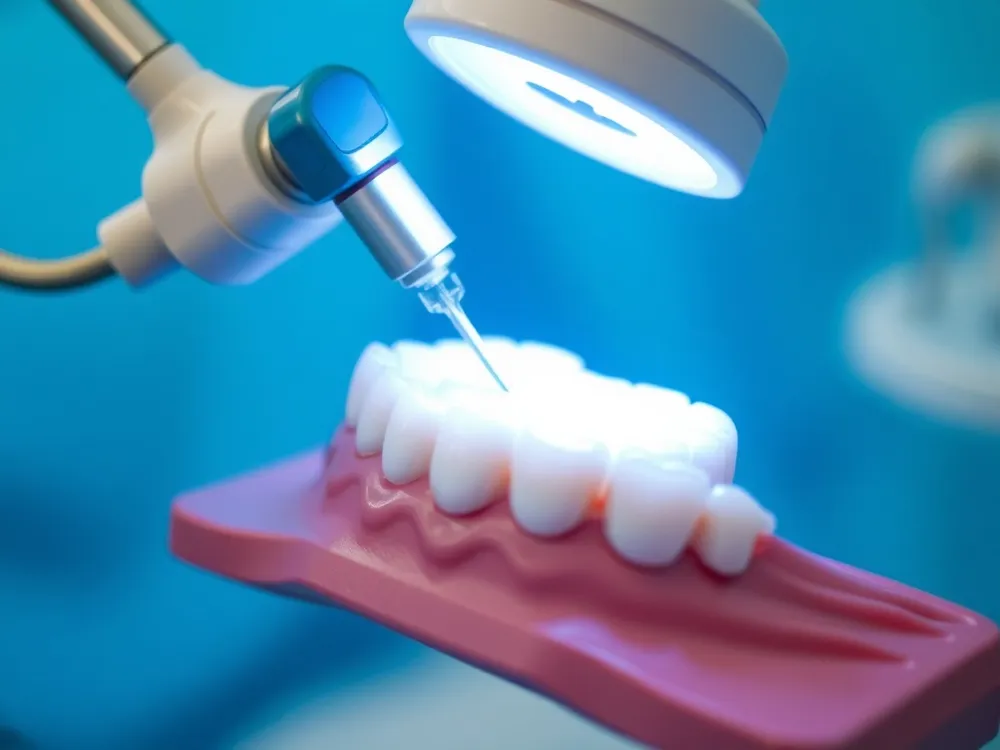
What are the disadvantages of light‑cure composites for same-day crowns?
Light‑cure materials have a restricted depth of cure, meaning the curing light attenuates significantly as it passes through the restoration. This makes them unsuitable for thick monolithic restorations without careful layering. For proper curing, clinicians must apply composite in increments, often no thicker than 2 mm, and extend curing times to ensure the deepest layers receive enough energy.
The effectiveness of polymerization depends heavily on proper light technique. Factors such as the curing tip size, guide angle, and beam profile all affect energy delivery. Improper positioning can lead to uneven or incomplete curing, compromising the crown's durability and bond strength. The output also diminishes significantly with distance from the surface—at a distance of 12 mm, adequate polymerization is difficult to achieve.
Mismatches between the light’s wavelength and the composite’s photoinitiators can cause undercuring. Most composites rely on camphorquinone, which absorbs blue light at ~468 nm, but some newer materials contain violet‑sensitive initiators requiring polywave lights. Using a standard blue‑wavelength LED on these materials risks incomplete polymerization.
Zirconia’s opacity can further impair light transmission. While modern translucent zirconia improves light penetration, darker shades may require adjusted curing protocols or dual‑cure cements to ensure proper bonding. Adhesive luting of opaque ceramics remains a challenge, and clinicians must follow manufacturer‑specific protocols for each material block to achieve optimal results.
Temperature rise during curing is another concern, especially in deep cavities with thin dentin. High‑power LED units can increase pulpal temperature by over 5°C, risking pulpal injury. Techniques such as air‑cooling the tooth or waiting between curing cycles help mitigate heat, but they add chair time and complexity to the procedure.
| Challenge | Impact on Crown | Solution |
|---|---|---|
| Depth of cure constraints | Incomplete polymerization in thick restorations | Apply material in increments ≤2 mm; extend curing time |
| Improper tip positioning | Uneven curing, weak margins | Maintain tip distance ≤6 mm; use perpendicular angle |
| Wavelength mismatch | Under‑curing with non‑CQ initiators | Use polywave lights; match light to material’s photoinitiator |
| Ceramic opacity | Reduced light transmission to cement | Select translucent zirconia; consider dual‑cure cements |
| Heat generation | Pulpal damage, sensitivity | Use air cooling; pause between curing cycles |
| Manufacturer‑specific protocols | Suboptimal bond strength | Follow block‑specific firing, polishing, and luting instructions |
In summary, while light‑cured composites enable efficient same‑day crowns, their limitations demand meticulous technique, appropriate equipment, and strict adherence to material guidelines. Failures often stem from inadequate energy delivery or thermal mismanagement rather than the materials themselves.
Timing the Cure: How Long Does It Take?
How long does it take to light‑cure composite? The answer depends heavily on the combination of equipment, material, and technique. Traditional quartz‑tungsten‑halogen units typically require 40–60 seconds per 2 mm increment to achieve adequate polymerization. High‑power LED lights can reduce this to 20 seconds or even 10 seconds for certain formulations. For bulk‑fill composites, manufacturer guidelines must be followed strictly; some allow curing of up to 4 mm or 5 mm in a single 20‑second exposure with an approved high‑intensity light.
The calculation is straightforward: radiant exposure (J/cm²) equals irradiance (mW/cm²) multiplied by curing time (seconds). A high‑intensity light delivering 1,000 mW/cm² for 20 seconds provides 20 J/cm², meeting the 21–24 J/cm² target for proper polymerization of a standard 2 mm increment. However, darker or more opaque shades may require longer times—sometimes up to 40 seconds—because they absorb more light and generate more heat, slowing polymerization. Thicker increments also demand extended exposure or altered protocols.
Emerging ultra‑fast systems claim cure times as low as 3 seconds. While appealing, dentists should validate such claims with independent testing, as many standard composites show insufficient depth of cure under these conditions. The key metric remains adequate degree of conversion (55–65% minimum) for wear resistance and biocompatibility. Ultimately, proper technique—such as maintaining the light tip within 6 mm of the composite and at a right angle—matters as much as the specified time.
Safety First: Are Curing Lights Dangerous?
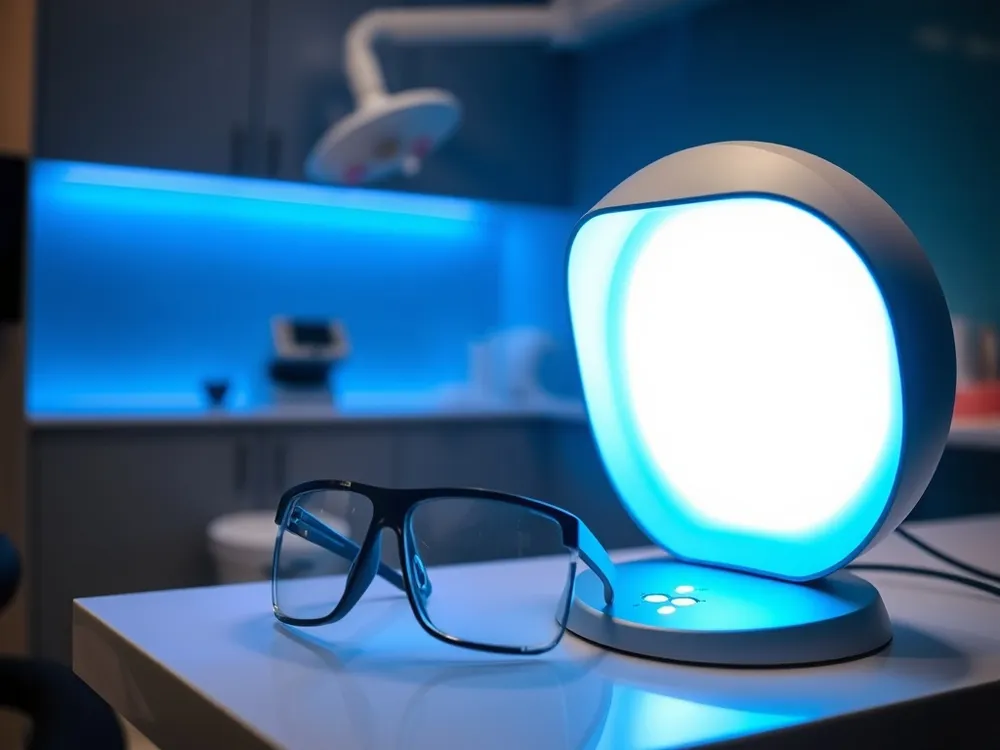
Are dental curing lights dangerous?
Dental curing lights are safe when used with proper precautions, but they do pose potential risks if misused. The intense blue light emitted can cause retinal damage if the eyes are directly exposed for prolonged periods, with some high‑power units potentially causing harm after as little as six seconds of cumulative viewing at close range. UV‑related hazards are minimal, as studies show safe exposure limits exceed eight hours for typical dental use. To ensure safety, both patients and dental staff should always wear appropriate protective eyewear during curing procedures. With these measures in place, curing lights remain an essential and low‑risk tool in modern dentistry.
What are the key risks and how are they managed?
The primary risks associated with curing lights are retinal injury from blue light and thermal damage to the pulp. The blue light (380‑550 nm range) can harm the retina, making proper eye protection—such as orange‑filter glasses, tip‑mounted shields, or paddles—essential during all procedures. Some commercially available filters transmit significant blue light (up to >15%), so testing efficacy is advised.
Temperature rise in the pulp chamber is a serious concern. In vitro tests show LED and QTH lights can raise composite temperature by 9.8–12.9 °C (49–55 °F) during a 20‑second cure. This heat can injure the pulp, especially in deep cavities with less than 1 mm of remaining dentin. The critical pulp damage threshold is a 5.5°C increase. To manage this risk, directing a stream of air over the tooth or waiting a few seconds between curing cycles helps prevent overheating.
| Risk | Cause | Preventive Measure | Clinical Consideration |
|---|---|---|---|
| Retinal injury | Direct exposure to blue light (380–550 nm) | Wear orange‑filter glasses or blue‑blocking shields | Filter efficacy may vary; test with a radiometer |
| Pulpal thermal damage | Heat from polymerization (up to 12.9°C rise) | Use air stream, wait between cycles, ensure adequate dentin thickness | At least 0.5–2 mm of dentin is protective |
| Incomplete curing | Poor technique (distance, angle, barriers) | Maintain tip distance ≤6 mm and angle perpendicular to surface | Barriers can reduce irradiance by up to 40%; adjust time |
| Infection control | Contamination of light guide | Use autoclavable light guides or disposable barriers | Barriers reduce light output; compensate with longer cure time |
How do distance and angle affect safety and effectiveness?
Clinical variables like curing tip distance, angle of incidence, and exposure time directly affect the light energy delivered to the restoration. The irradiance decreases significantly as the tip is moved farther away or angled. Curing depth is critically compromised when distance exceeds 6 mm; at 12 mm, adequate polymerization cannot be achieved. For a 2 mm layer of resin composite, a 20‑second cure with a high‑power LED unit is recommended when the tip is no more than 6 mm from the surface. Common mistakes include underestimating the required energy; studies using the MARC simulator show that actual light energy deposited on restorations is often much less than clinicians estimate, emphasizing the need for training.
What about infection control for light guides?
Proper infection control is essential. LED lights with autoclavable light guides are the gold standard. Disposable barriers can be used but may reduce irradiance by up to 40%, requiring adjustment of curing time. Using only manufacturer‑recommended disinfectants prevents damage to equipment. These measures ensure both patient safety and equipment longevity, supporting the practice's commitment to high-quality care.
Same‑Day vs. Traditional Crowns: Costs, Choices, and the 50‑40‑30 Rule
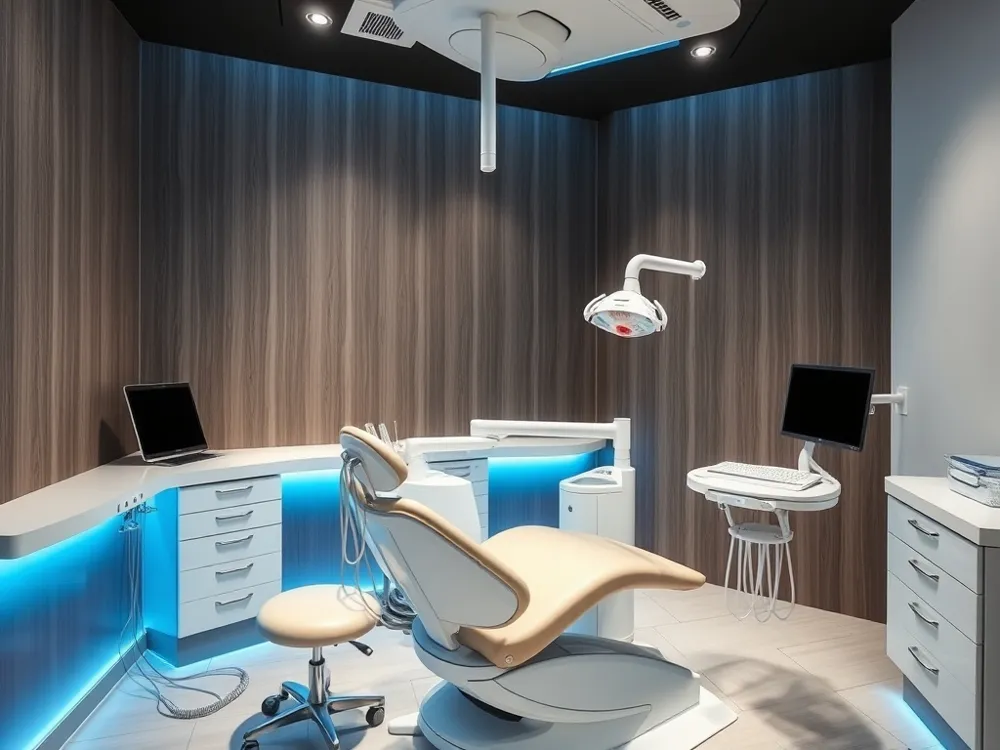
What is the difference between same‑day crowns and traditional crowns?
Same‑day crowns are designed, milled, and placed in a single visit using CAD/CAM technology. The process begins with a digital scan that replaces traditional putty impressions, eliminating air bubbles and distortion. The crown is then carved from a solid ceramic block in‑office, typically within 10–20 minutes. No temporary crown is needed, so patients avoid the discomfort and risk of a temporary falling off. The entire appointment usually takes 60–120 minutes.
Traditional crowns require two visits. During the first, the dentist prepares the tooth, takes a physical impression, and places a temporary crown. The impression is sent to a dental lab, where the permanent crown is fabricated over one to two weeks. At a second appointment, the temporary is removed and the permanent crown is cemented. Lab crowns can be made from a wider range of materials, including metal alloys and porcelain‑fused‑to‑metal (PFM), which may offer greater durability for teeth that endure heavy chewing forces.
Material options: all‑ceramic versus PFM or metal‑based
Same‑day crowns are typically made from high‑strength ceramic materials. Lithium disilicate (e.g., e.max) offers a flexural strength of 360–400 MPa, exceeding natural enamel’s 200 MPa, and mimics natural translucency well. Zirconia provides flexural strength from 800 to 1,200 MPa, ideal for molars or patients who grind their teeth. Hybrid ceramics combine ceramic strength with resin flexibility, absorbing chewing forces gently.
Traditional lab crowns can use ceramics, PFM, or full metal. PFM crowns combine a metal substructure with a porcelain layer, offering high durability and good aesthetics. Metal crowns (gold or base metal alloys) are extremely strong and wear‑resistant but lack natural appearance. Lab‑fabricated crowns may be preferred when a single front tooth requires advanced artistic characterization, when fractures extend deep below the gum line, or for severe bruxism cases.
Clinical indications and limitations for same‑day crowns
Same‑day crowns are best suited for teeth without complex bite or structural issues. They are appropriate for teeth with significant decay, cracks, fractures, after root canal therapy, or replacing older worn‑out crowns. They can also be used on front teeth in many cases.
Limitations include: not ideal when damage extends deep below the gum line, for patients with severe bruxism seeking extra durability, or when a single tooth requires complex shade layering. In these cases, a traditional lab crown is often recommended. Same‑day crowns also require at least 0.5–2 mm of remaining dentin to protect the pulp from heat during light‑curing.
Typical price range and insurance coverage
Same‑day crowns typically cost between $800 and $2,500 per tooth, similar to traditional crowns. At our Paterson practice, the final price depends on the crown material and any additional procedures. Dental insurance often covers same‑day crowns under the same procedure codes as traditional ceramic crowns, typically covering about 50% of the cost for medically necessary restorations, subject to the plan’s annual cap.
Explanation of the 50‑40‑30 rule for restorative decision‑making
The 50‑40‑30 rule in restorative dentistry helps guide whether a tooth needs a filling or a crown. A crown is often recommended if:
- Damage or an existing filling exceeds 50% of the width between the tooth’s cusps (buccal‑lingual width).
- It involves 40% of the front‑to‑back length (mesial‑distal).
- It affects 30% or more of the total tooth structure.
This guideline helps clinicians preserve tooth structure when possible while ensuring adequate protection for weakened teeth. Dentists use it flexibly, adjusting based on individual patient needs, occlusion, and overall oral health. It is a practical tool, not a strict rule.
| Characteristic | Same‑Day Crowns | Traditional Crowns |
|---|---|---|
| Appointments | Single visit (60–120 min) | Two visits, 1–2 weeks apart |
| Temporary crown | Not needed | Required between visits |
| Materials | All‑ceramic (lithium disilicate, zirconia, hybrid) | Ceramic, PFM, metal alloys |
| Strength | Lithium disilicate (360‑400 MPa), Zirconia (800‑1,200 MPa) | PFM (high), full metal (highest) |
| Aesthetics | Excellent, metal‑free | Good to excellent (PFM), metal‑free options available |
| Ideal for | Single‑visit convenience, teeth without complex issues | Complex cases, severe bruxism, deep sub‑gum fractures |
| Cost | $800–$2,500 | $800–$2,500 |
| Insurance coverage | Usually same codes as traditional ceramic crowns | Standard crown coverage |
| Tooth preservation | Minimally invasive, preserves more natural enamel | May require more aggressive preparation (up to 70% removal) |
| Digital workflow | Yes (intraoral scanning, CAD/CAM) | Physical impressions, lab fabrication |
| Longevity | 10–15+ years with proper care | 10–15+ years, sometimes longer with metal |
| 50‑40‑30 rule application | Often used when damage exceeds these thresholds | May be preferred when thresholds are met and more robust material is needed |
Putting Light‑Cure to Work for Faster, Safer Smiles
The journey to a restored smile now happens in one comfortable visit. After the CAD/CAM system designs and mills your crown from a solid ceramic block, the final step relies on advanced light‑cure technology. A specialized curing light activates the adhesive resin cement that bonds the crown permanently to your tooth. This process ensures a secure, durable fit and eliminates the need for temporary crowns.
Patient benefits of a single‑visit, metal‑free crown
You leave our office with a fully restored, 100% metal‑free ceramic crown in about two hours. There is no second appointment, no temporary crown, and no waiting weeks for a lab. Because the restoration is monolithic and milled from a single block, the risk of chipping is low. Digital scanning also preserves more of your natural enamel compared to traditional methods, while the tooth‑colored ceramic blends invisibly with your smile—even if your gums recede over time.
Commitment to safety, precision, and personalized care at our Paterson office
We combine the accuracy of digital impressions with carefully controlled light‑curing to protect your tooth’s pulp from excess heat. Our team adjusts curing‑tip distance, exposure time, and power output for each case. If a crown needs revision, the digital workflow allows us to re‑scan, re‑design, and re‑mill during the same visit—avoiding lab delays. This commitment to precision and safety reflects our goal of delivering personalized, same‑day dentistry that respects your time and well‑being.
How same‑day crowns integrate light‑curing and CAD/CAM
| Workflow Stage | Role of Light‑Cure | Purpose |
|---|---|---|
| Tooth preparation | / | Preserve healthy enamel |
| Digital impression (3‑D scan) | / | Micron‑accurate model |
| CAD design & milling | / | Custom crown from ceramic block (10–15 min) |
| Bonding | Curing light activates resin cement | Secure, durable bond (20–40 sec per increment) |
| Final adjustments & polish | / | Bite check and glaze |