Understanding the Power of a Dental Crown
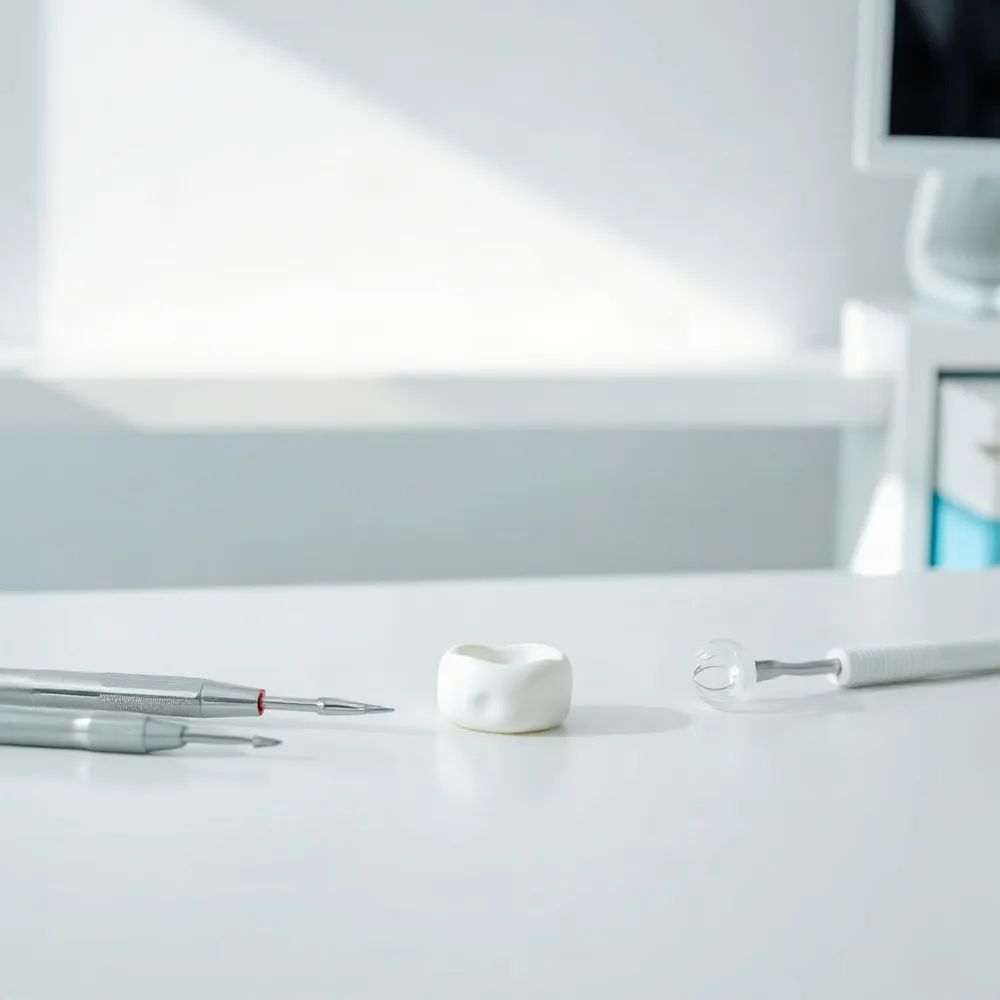
A dental crown acts as a custom-fitted, protective cap designed to restore the strength, function, and appearance of a weakened tooth. Whether addressing extensive decay, a fracture, or completing a root canal treatment, this restoration shields your natural tooth structure from further damage.
At davidmmayerdmd.com, we utilize advanced diagnostics to determine if a crown is the right solution for your oral health needs. Beyond typical restorative cases, these caps are also used to support dental bridges or secure a final restoration atop a dental implant. This guide explores the various materials, procedures, and long-term care habits necessary to keep your smile healthy and functional for years to come.
Dental Crown vs Tooth Cap
 In professional dentistry, the terms dental crown and tooth cap describe the identical restorative procedure. Both labels refer to a custom-made prosthetic that encases the entire visible portion of a damaged, decayed, or weakened tooth to reclaim its original shape, strength, and appearance.
While crown remains the formal, clinical term used by practitioners, cap is the common language many patients use to describe this protective dental intervention. It is important to note that while some individuals occasionally use the word cap to refer to partial restorations like onlays or inlays, in general practice, both terms apply to the same structural solution designed to reinforce compromised enamel.
Whether you are speaking with our team about a crown or a cap, our primary goal at davidmmayerdmd.com is to protect your natural tooth structure and restore your ability to eat and smile with confidence. Our practice prioritizes this clarity because establishing trust is vital, especially when comparing our comprehensive, long-term restorative options against quick-fix alternatives that may not provide the same structural support.
Comparing Crowns and Veneers
 While both dental crowns and veneers are used to enhance your smile, they serve different functional and aesthetic roles. A crown acts as a protective cap that encases the entire tooth, providing essential structural support for teeth that are severely decayed, fractured, or weakened following root canal treatment.
In contrast, a veneer is a thin porcelain shell designed to cover only the front surface of a tooth. Veneers serve primarily as a cosmetic solution for addressing minor chips, discoloration, or gaps between teeth, rather than restoring the tooth's underlying strength.
Preparation requirements also differ significantly. Because a crown provides full coverage, the procedure requires more extensive enamel removal before the restoration can be seated. Veneers are much less invasive, requiring only minimal reduction of the natural tooth surface.
At davidmmayerdmd.com, our team evaluates the structural integrity of your tooth before recommending a path forward. If a tooth is compromised by deep decay or structural stress, a crown is the standard for long-term stability. Conversely, if you are looking to improve your smile's appearance without a need for deep repair, veneers may be the ideal choice for your dental health.
Step-by-Step Dental Crown Procedure
What is the step-by-step procedure for getting a dental crown?
The dental crown procedure typically begins with an initial consultation and examination, which may include digital X-rays to assess the tooth's condition and develop a personalized treatment plan. At davidmmayerdmd.com, this visit is essential for identifying the precise restorative needs of your specific tooth structure.
During the preparation phase, your dentist will numb the area, remove any decay, and reshape the tooth to ensure a secure foundation for the restoration. Precise impressions, often captured using advanced digital scanning technology, are then taken to create a custom crown specifically matched to your bite and smile. While your permanent crown is being fabricated in a laboratory, a temporary crown is placed to protect the tooth and maintain your aesthetics.
Finally, in a follow-up visit, your dentist will remove the temporary restoration, verify the marginal fit and bite of the permanent crown, and cement it securely into place. At davidmmayerdmd.com, every custom fit is verified to support your long-term oral health and comfort.
How Long Does the Crown Process Take?
A standard dental crown procedure typically requires two office visits to ensure a precise, comfortable, and durable restoration. During your first appointment, the dentist will prepare the tooth by shaping it and taking impressions, which usually takes about one hour depending on the complexity of the case.
Between these visits, a custom crown is fabricated in a laboratory to match your tooth's anatomy and size. Once the permanent restoration is ready, you will return for your second visit to have it professionally fitted and securely bonded in place, a process that is generally faster than the initial preparation. While the total time span between visits usually lasts a few weeks, some dental teams provide same-day dental crowns using CAD/CAM technology, which may allow for digital impressions and the milling of your restoration in a single visit.
| Procedure Type | Estimated Visits | Timeline |
|---|---|---|
| Standard Crown | 2 Visits | 2 to 3 weeks |
| Same-Day Crown | 1 Visit | Approx. 1-2 hours |
Types of Crown Materials and Costs
Selecting the right material for your restorative dental crown depends on the tooth's location, your aesthetic goals, and your bite. At davidmmayerdmd.com, we weigh these factors to help you choose a solution that balances long-term durability with a natural appearance.
Porcelain and Ceramic. These materials are widely popular for front teeth because they can be color-matched to your natural enamel. While they offer a superior aesthetic, they are occasionally prone to chipping compared to metal options.
Porcelain-Fused-to-Metal. Often referred to as PFM, these crowns combine a metal core with a porcelain surface. This construction provides a reliable balance between internal strength and an acceptable natural-looking exterior.
Zirconia. Crafted from a robust ceramic, zirconia crowns are highly fracture-resistant. They successfully combine high strength with a natural look suitable for both front and back teeth.
Metal Alloys. Composed of gold, palladium, or base metals, these are the most durable option available. Because they are gentle on opposing teeth, they are primarily recommended for molars where biting forces are their highest.
Resin. Composite resin is generally used for temporary restorations. While budget-friendly, it lacks the fracture resistance and longevity of more permanent restorative materials.
Understanding the financial commitment is as important as the clinical choice. Generally, porcelain crowns range from $800 to $3,000, while PFM options typically fall between $500 and $1,500. Specific costs are influenced by the complexity of your dental needs, the chosen material, and individual insurance coverage. At davidmmayerdmd.com, our staff prioritizes transparent care planning, ensuring you know the exact investment required for your unique treatment plan before we begin.
Potential Disadvantages and Risks
While dental crowns are a highly effective and durable way to restore function to broken or decayed teeth, the procedure requires the permanent and irreversible removal of healthy tooth structure to ensure a proper fit. Patients should understand that this preparation is a necessary compromise to secure the tooth against further deterioration.
Sensitivity to temperature is common during the healing phase, but persistent discomfort may suggest that the dental crown is improperly fitted and creating bite pressure. At davidmmayerdmd.com, our team prioritizes precise adjustments to ensure the restoration sits perfectly.
Long-term complications can occur, ranging from crown loosening and material chipping to the development of decay at the crown margins. As noted by News-Medical.Net, failures are often linked to improper fit or hygiene issues that allow bacteria to reach the underlying tooth structure. While rare material allergies or aesthetic concerns may arise, diligent professional monitoring helps mitigate these factors.
- Irreversible reduction of natural tooth enamel.
- Post-procedure temperature sensitivity.
- Potential for chipping, fracture, or loosening.
- Risk of decay developing at the margins.
- Higher comparative costs than direct fillings.
Crown Options for Children
Pediatric dental care often requires specialized restorative solutions to protect primary teeth that have experienced significant decay, trauma, or structural weakness. Unlike adult restorations, these options prioritize durability and the preservation of space needed for permanent teeth to emerge correctly.
Are there specific dental crown options available for children?
Yes, there are several specialized dental crown options designed for children to protect primary teeth. Pediatric dentists commonly utilize stainless steel crowns for their durability, but several other aesthetic and functional solutions are available, including zirconia ceramic, composite strip, polycarbonate, and resin-veneered crowns. The choice of material often depends on the specific location of the tooth within the mouth, the child's individual needs, and aesthetic preferences.
These crowns serve as a vital, long-term space maintainer, ensuring that baby teeth remain in place to support proper chewing, speech, and the healthy development of permanent teeth. We invite you to discuss these options with our compassionate team to determine the most effective and comfortable restorative treatment for your child's dental health.
Caring for Your Crown
 Maintaining your dental crown effectively is the most predictable way to ensure its durability, which commonly extends between five and 15 years, though some restorations last up to 30 years with diligent care. While the crown material itself is immune to decay, the underlying tooth structure remains vulnerable, making a routine of personal hygiene and professional oversight essential.
- Brush twice daily using fluoride toothpaste to clear plaque from the surface.
- Floss once every day, paying particular attention to the margins where the crown meets your gum tissue.
- Include an antibacterial mouthwash in your routine to manage the health of surrounding oral tissues.
- Avoid chewing on extremely hard or sticky substances, such as ice, raw nuts, or taffy, which can cause chips or trigger premature loosening.
If you notice persistent sensitivity or suspect grinding or clenching during sleep, ask about wearing a custom night guard. These protective devices help shield the restoration from excessive biting forces. Regular dental crown checkups are equally important, as they allow your dentist to monitor the marginal integrity and ensure the bond remains secure over time.
Healing Time for Dental Implants
The overall healing and osseointegration process for a dental implant typically takes between 3 to 6 months. This timeline begins with initial gum tissue healing, which usually occurs within the first 1 to 2 weeks following your surgical procedure.
During the subsequent months, your jawbone undergoes osseointegration, a vital process where the bone cells fuse securely to the titanium implant. Please note that this duration can vary based on individual factors such as your general health, bone density, the specific location of the implant, and whether any supplemental procedures like bone grafting were necessary. Once this phase is complete and the implant is stable, it provides a solid foundation for the placement of your custom crown or bridge to restore your smile.
Restoring Your Smile With Confidence
A dental crown provides comprehensive protection for compromised teeth while restoring both chewing function and aesthetic appeal. Choosing this path preserves your long-term oral health by shielding weakened surfaces from further decay or structural failure.
Expert guidance is essential when determining the right restorative strategy for your unique needs. We encourage you to schedule a consultation to discuss your specific requirements, as modern dental materials and precise, professional care can lead to results that last for decades.