Navigating the Basics of Dentures
Definition and Purpose of Dentures
Dentures are removable dental appliances designed to replace missing teeth and restore essential oral functions like chewing, speaking, and smiling. They also help maintain facial structure, preventing the sunken appearance that can occur with tooth loss.
Overview of Denture Types
There are two main categories: full (complete) dentures and partial dentures. Full dentures replace all teeth in an arch and rest directly on the gums. Partial dentures are used when some natural teeth remain, attaching to these teeth with clasps or frameworks to fill gaps. Advanced options include implant-supported dentures, which offer improved stability by anchoring to dental implants.
Importance of Choosing the Right Denture
Selecting the appropriate denture depends on the number of missing teeth, the health of remaining teeth, jawbone condition, lifestyle, and budget. Proper choice ensures comfort, functionality, and oral health preservation. Consultation with a dental professional is essential to assess individual needs and recommend the most suitable denture type.
Key Facts About Dentures and Partial Dentures
- Full dentures are removable appliances made of a gum-colored acrylic base with artificial teeth.
- They restore chewing, speaking, and support facial muscles, maintaining a youthful appearance.
- Adapting to full dentures involves a weeks-to-months adjustment period with daily cleaning and regular dental visits.
- Long-term, full dentures may cause bone resorption, requiring relines or replacements every 5 to 7 years.
- Average cost ranges from $1,000 to $2,800, with a lifespan of 5 to 10 years with proper care.
- Partial dentures are removable appliances used when some natural teeth remain, supported by metal clasps or frameworks.
- Partial dentures support remaining teeth, prevent shifting, and help maintain jawbone density.
- Material options include metal frameworks, acrylic flippers, and flexible thermoplastics, affecting comfort and aesthetics.
- Choosing the best denture type depends on extent of tooth loss, bone health, lifestyle, and budget.
- Modern digital technology in denture fabrication improves precision, fit, comfort, and shortens turnaround time.
1. Full Dentures: Comprehensive Tooth Replacement

What are Full Dentures and What Are They Made Of?
Full dentures, also known as complete dentures overview, are removable oral appliances designed to replace all the natural teeth in either the upper or lower jaw. They typically consist of a gum-colored acrylic resin base that rests on the gums, with artificial teeth attached to this base. The acrylic is carefully crafted to resemble the natural appearance of gums, with teeth designed to mimic the shape and color of natural teeth for a realistic look.
How Do Full Dentures Function and What Are Their Aesthetic Benefits?
Benefits of full dentures restore critical oral functions such as chewing and speaking, enabling patients to enjoy a wider variety of foods and clearer speech. They also support facial muscles and structures, which prevent the sunken or sagging appearance that often accompanies tooth loss. This contributes to maintaining a youthful facial profile and a natural smile, significantly enhancing self-confidence and social interactions.
What is the Adaptation Process and Maintenance Routine for Full Dentures?
Adapting to full dentures requires patience as it involves an adjustment period where challenges such as speaking changes and chewing difficulties may occur. Patients typically spend weeks or months becoming accustomed to the feel and function of their new dentures. Daily maintenance is essential and includes removing dentures every night, cleaning them thoroughly with a denture brush and non-abrasive cleanser, and soaking overnight in a denture solution to keep them moist and hygienic. Regular dental visits are important to monitor fit and function and to make timely adjustments as needed.
What Are the Long-Term Considerations Regarding Bone Loss with Full Dentures?
Because bone loss with full dentures rest on the gums and do not have roots like natural teeth, they do not provide stimulation to the underlying jawbone. Over time, this can lead to bone resorption, causing changes in the shape of the jaw and resulting in a looser denture fit. Patients may require relining or even replacement of their dentures every 5 to 7 years to accommodate these changes. Implant-supported dentures are an alternative that can help reduce bone loss by anchoring dentures to dental implants anchored in the jawbone, although these come at a higher cost and may not be suitable for every patient.
How Do Cost and Lifespan Influence Full Denture Choices?
Cost comparison of dentures are generally less expensive than implant-supported alternatives, with costs averaging around $1,000 to $2,800 depending on materials and individual treatment plans. They represent an affordable choice for people missing all teeth in an arch. Properly cared for, full dentures typically last between 5 and 10 years before replacement or major adjustments are necessary due to wear or changes in oral anatomy. The denture lifespan and care depend greatly on diligent daily cleaning and regular dental evaluations.
Additional Information
It is important to note that full-service dental practices provide comprehensive care tailored to individual needs, including thorough evaluations, fabrications, fittings, and ongoing adjustments of full dentures. These practices also offer a range of other dental services, such as preventive care, restorative procedures, cosmetic treatments, and emergency interventions, often performed with the latest dental technologies, ensuring that patients receive holistic and personalized care.
| Aspect | Description | Additional Notes |
|---|---|---|
| Composition | Acrylic resin base with artificial teeth | Designed to mimic natural gums and teeth (Full dentures overview) |
| Function | Restores chewing, speech, facial structure | Supports a youthful facial profile (Full dentures benefits) |
| Adaptation | Adjustment period of weeks to months | Initial difficulty with speaking and eating (Adjusting to full dentures) |
| Maintenance | Daily cleaning, soaking, regular dental visits | Essential for longevity and fit (Denture care and maintenance) |
| Bone Loss Concerns | Bone resorption due to lack of roots | May require relining or switching to implants (Bone loss with full dentures) |
| Cost | $1,000 - $2,800 average | Cheaper than implant-supported dentures (Cost comparison of dentures |
| Lifespan | 5 to 10 years with proper care | Replacement needed due to wear and bone changes (Denture lifespan and care |
| Professional Services | Comprehensive dental care including denture fitting | Supports tailored treatment planning (Dentist consultation for dentures |
2. Partial Dentures: Targeted Solutions for Missing Teeth

What Are Partial Dentures and How Are They Designed?
Partial dentures overview are removable dental appliances used to replace one or several missing teeth when some natural teeth remain in the mouth. They consist of artificial teeth attached to a gum-colored plastic or acrylic base, supported by a framework, often including metal clasps in partial dentures that anchorage to the adjacent healthy teeth. This design enables the partial denture to fill gaps effectively while stabilizing the bite.
How Do Partial Dentures Support Remaining Teeth?
Partial dentures not only restore the appearance of a full smile but also play an important role in oral health by preventing the remaining natural teeth from shifting out of position. This helps maintain proper alignment, chewing function, and jawbone integrity, contributing to better overall dental health.
Types and Materials Used in Partial Dentures
There are several types of partial dentures tailored to individual needs:
- Cast Metal Removable Partial Dentures: Featuring a sturdy metal framework with acrylic teeth, these offer durability and good stability.
- Acrylic Partial Dentures (Flippers): Lightweight and inexpensive, typically used as temporary partial flipper solutions after extraction.
- Flexible Partial Dentures: Made from thermoplastic materials such as nylon; these are more comfortable, visually discreet, and suitable for patients seeking a natural look.
These materials affect comfort, durability, and aesthetics, with metal frameworks providing strength but sometimes causing visibility concerns due to clasps. For detailed information, see Partial Dentures Overview.
Advantages and Drawbacks of Partial Dentures
Advantages
- Help restore chewing, speaking, and smiling ability.
- Preserve the remaining natural teeth and help maintain jawbone density.
- Generally more affordable and less invasive compared to dental implants or fixed bridges.
- Removable for easy cleaning and maintenance.
Drawbacks
- Metal clasps can be visible, affecting aesthetics when smiling or speaking.
- Initial discomfort and adjustment period are common.
- Increased plaque accumulation around abutment teeth requires diligent oral hygiene to prevent decay and gum disease.
- Partial dentures do not provide the same stability as implants and need regular check-ups and occasional adjustments.
More information about Advantages of partial dentures and Disadvantages of partial dentures is available.
Cost Considerations and Suitability
Partial dentures tend to be a cost-effective option for those missing multiple but not all teeth. They are especially suitable for patients who:
- Have healthy remaining teeth that can support the appliance.
- Desire a non-surgical, removable solution.
- Need to fill gaps for aesthetic and functional reasons.
Cost varies based on materials and complexity, typically ranging from around $1,400 to $1,800, making them more affordable than implant-based alternatives. For cost details and comparison, refer to Cost considerations for partial dentures.
Role in Preserving Oral Health
By filling in gaps and supporting adjacent teeth, partial dentures help prevent teeth shifting and further oral complications. Maintaining partial dentures properly, including removing them nightly and cleaning both the appliance and natural teeth, is essential for preserving oral health. See more about Maintenance of partial dentures and Oral health and denture choice.
Why Is Having a Multilingual Dental Team Important?
A multilingual dental team enhances patient communication and comfort, especially when discussing partial dentures options and proper care instructions. This ensures that patients from diverse backgrounds fully understand their treatment choices and can maintain their dental health effectively.
Expert Guidance: Tailoring Denture Choices to Your Needs

Factors Influencing Denture Choice
Selecting between full dentures overview and partial dentures overview requires careful consideration of several important factors. The extent of tooth loss, condition of remaining teeth, jawbone health, patient lifestyle, and budget all play vital roles. Patients missing all teeth in an arch often benefit from full dentures overview, while those retaining healthy teeth may opt for partial dentures overview to preserve natural structures and maintain jawbone density.
Importance of Dental Evaluation
A comprehensive dental evaluation is essential to determine the most appropriate denture type. Dentists assess oral health, bone density, and gum condition through clinical examination and imaging. This evaluation helps tailor dentures for optimal fit, function, and aesthetics, reducing discomfort and improving long-term success. See Comprehensive dental examination for tooth replacement for details.
Role of Patient Preferences, Budget, and Oral Health
Patient preferences, including lifestyle needs and aesthetic goals, are integral in denture selection. Budget considerations also affect the choice, as Advantages of partial dentures tend to be more cost-effective, whereas implant-supported dentures offer superior stability but at higher costs. Oral health status, such as remaining teeth viability, guides whether a removable partial denture or full denture is suitable. See Choosing Between Partial and Full Dentures for more.
How Does State-of-the-Art Technology Improve Dental Care?
Advanced dental technology has revolutionized denture care. Digital imaging, computer-aided design and manufacturing (CAD/CAM), and 3D printing provide enhanced precision in denture fabrication. These methods lead to better-fitting dentures that improve comfort, chewing efficiency, and speech clarity. Additionally, technology enables quicker turnaround times and more accurate customization.
Adjustments and Long-Term Maintenance Advice
Wearing new dentures often involves an adjustment period with possible minor discomfort, speech changes, or eating challenges. Regular follow-ups with dental professionals are vital for denture relining or adjustments to ensure fit as oral tissues change over time. Daily cleaning, overnight soaking, and proper handling extend denture lifespan and maintain oral hygiene. Learn more about Denture care and maintenance and Maintenance of full dentures.
What Are the Benefits of Having Over 40 Years of Experience in Dental Care?
Veteran dental practitioners bring deep expertise, ensuring precision in denture design and fitting. They provide comprehensive patient education and anticipate common adaptation issues. Their skills facilitate tailored oral health management plans, enhancing patient confidence and denture success.
What Makes Dental Care Accessible, Comfortable, and Efficient in a Dental Practice?
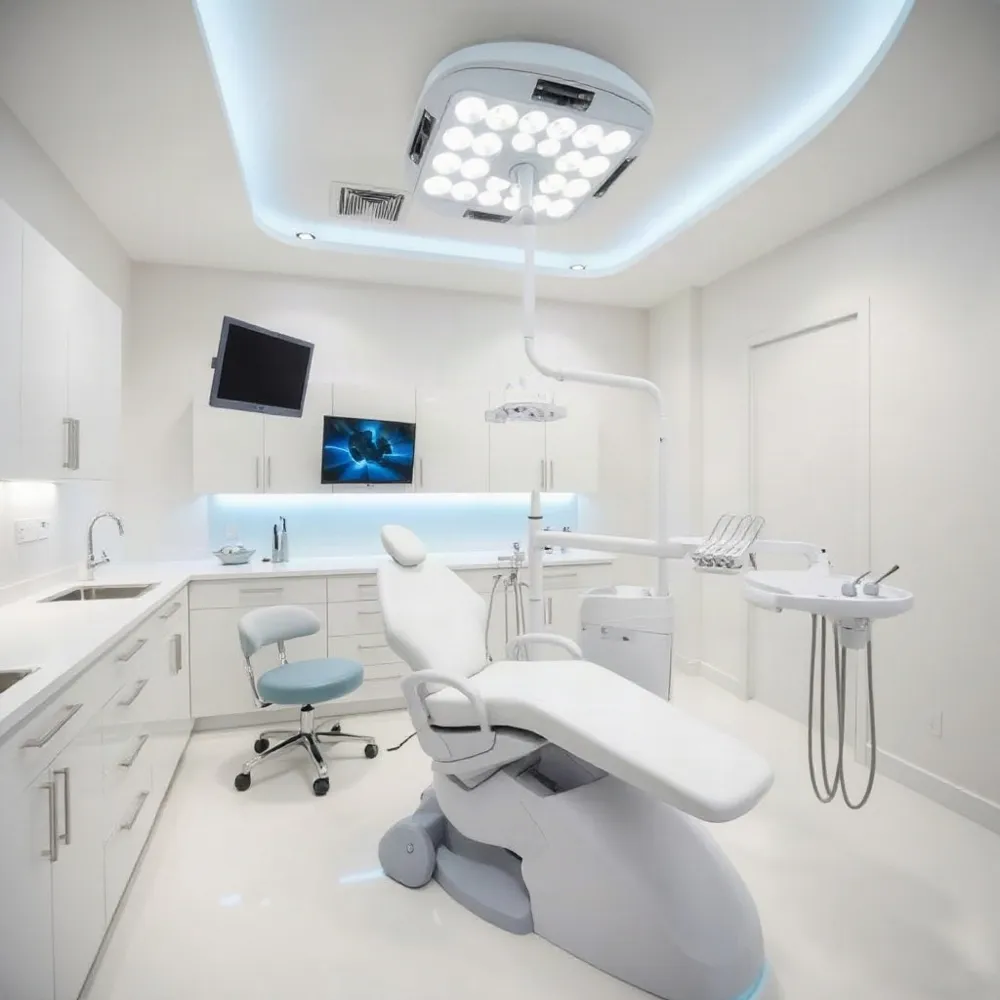
A dental practice optimized for denture care combines welcoming, accessible facilities with compassionate staff trained in patient-centered care. Incorporating digital technology streamlines processes and enhances treatment outcomes. Personalized treatment plans further ensure patient comfort and efficient use of appointment time. For more about Caring for Dentures.
Proper denture choice and care significantly contribute to restoring smiles and oral function. Collaborating with experienced dental professionals using advanced technology ensures dentures meet patients’ unique needs effectively and comfortably.
Making the Right Choice for Your Smile and Comfort
Understanding Full and Partial Dentures
Full dentures replace all teeth in an upper or lower arch and are ideal when natural teeth are lost due to decay, trauma, or gum disease. They rest on gums and may require adhesives for stability. Partial dentures fill in gaps when some natural teeth remain and are anchored by clasps to those teeth, preserving oral structure and preventing shifting.
The Role of Professional Guidance
Choosing the right denture requires a thorough dental evaluation. Dentists assess oral health, jawbone condition, remaining teeth, and personal preferences to recommend full or partial dentures suited to individual needs. This personalized approach ensures optimal function and comfort.
Commit to Ongoing Care
Both full and partial dentures demand regular maintenance including daily cleaning, soaking overnight, and routine dental check-ups. Proper care extends denture longevity and protects oral health by preventing discomfort, bone loss, or gum issues.
Lifestyle and Health Considerations
Your lifestyle, chewing habits, and budget play important roles in denture selection. Consulting with a dental professional helps align dentures with your activity level and health goals, encouraging confidence and improved quality of life.