Introduction to the Latest Innovations in Dental Crowns
The Integral Role of Dental Crowns in Dentistry
Dental crowns are essential restorations in both cosmetic and restorative dentistry. They protect damaged or weakened teeth, restore function, and improve aesthetics by covering discolorations, cracks, or misshapen teeth. With over 1.5 million crowns placed annually in the United States, crowns remain a widely trusted solution for enhancing oral health and smile appearance.
Importance of Technological Advancements
Recent technological advancements have transformed crown quality and the patient experience. Innovations such as computer-aided design and manufacturing (CAD/CAM), digital impressions, 3D printing, and biomimetic materials have improved crown precision, durability, and aesthetics. These technologies also reduce treatment times and discomfort, enabling faster and more accurate crown placement.
Transition from Traditional to Digital and Biomimetic Approaches
The conventional methods involving metal or porcelain-fused-to-metal crowns are being replaced by advanced ceramic materials like zirconia and lithium disilicate, which provide superior strength and natural translucency. Digital workflows and biomimicry-based materials help create crowns that closely resemble natural teeth in appearance and function while being less invasive and longer lasting. This paradigm shift improves both clinical outcomes and patient satisfaction.
Transforming Crown Fabrication with CAD/CAM and 3D Printing Technologies
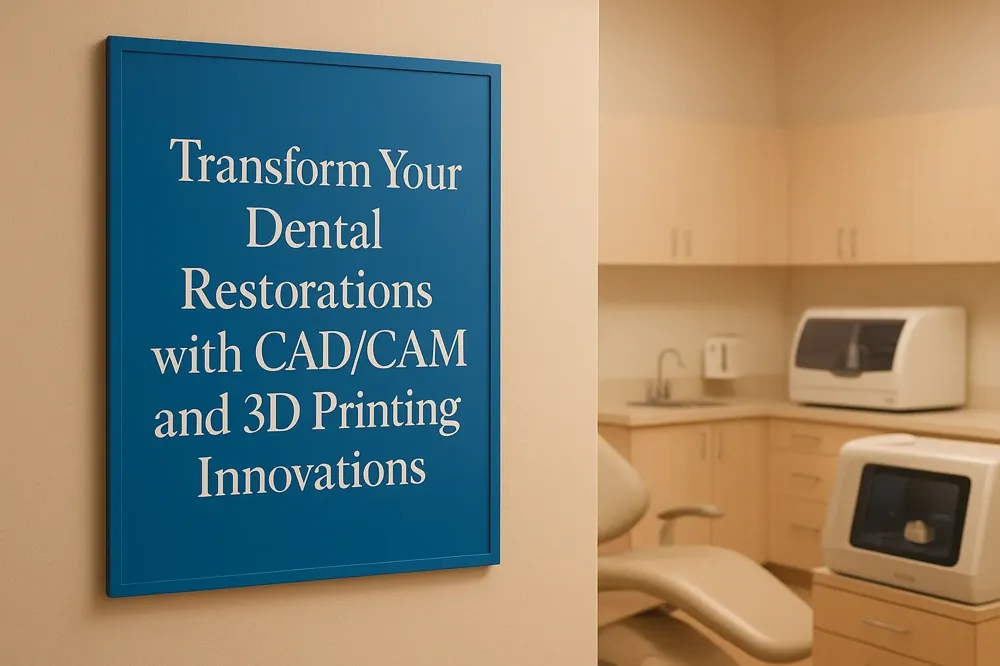
What is CAD/CAM technology in dental crowns and how does it improve crown fabrication?
CAD/CAM technology for crowns stands for computer-aided design and computer-aided manufacturing, an advanced digital method revolutionizing dental crown creation. It uses 3D imaging in digital dentistry and Digital impressions which are more comfortable for patients compared to traditional molds, capturing precise details of the tooth. The design phase is computerized, ensuring that each crown is tailor-made for a perfect fit and optimal function.
With CAD/CAM, crowns can be fabricated from high-quality materials such as Zirconia crowns and Lithium disilicate crowns. These materials offer excellent durability, biocompatibility, and a natural look. Importantly, chairside CAD/CAM crowns allow dentists to design, mill, and place crowns in the same appointment. This eliminates the need for temporary crowns and multiple visits, greatly enhancing patient convenience.
How does 3D printing impact dental crown fabrication?
The integration of 3D printing in dental crowns technology in dentistry further advances crown fabrication by enabling high precision and customization. Using digital scans, 3D printing in dental crown production produces detailed, custom-fit crowns that faithfully replicate the anatomy and aesthetics required.
Precision fitting of dental crowns reduces material waste by only using the exact amount of resources needed for each crown, supporting environmentally friendly practices. Additionally, the ability to quickly produce both Temporary and permanent 3D printed crowns shortens turnaround times, allowing patients to receive their restorations faster.
What are the benefits of same-day crown fabrication?
Same-day dental crowns, made possible by combined CAD/CAM and 3D printing technologies, provide significant advantages for patients:
- Convenience: Complete restorative care in a single visit eliminates the need for multiple appointments.
- Comfort: Digital impressions improve patient experience by avoiding unpleasant traditional molds.
- Reduced Treatment Time: Faster crown production and placement speed up the restoration process.
- Precision Fit: Customized crowns fit better, reducing the need for adjustments and improving long-term outcomes.
Overall, these state-of-the-art technologies make dental crown treatments more efficient, comfortable, and reliable for patients in the United States.
Zirconia Crowns: The Gold Standard for Durability and Aesthetics

What are the options and benefits of zirconia crowns?
Zirconia crowns are made from zirconium dioxide, a very strong ceramic material favored for its exceptional durability and aesthetic qualities. Unlike traditional metal or porcelain-fused-to-metal crowns, zirconia crowns offer a tooth-colored, natural appearance and are highly resistant to cracking, chipping, and daily wear.
Material properties and advantages
Zirconia stands out due to its high strength and toughness, making it ideal for restoring both front and back teeth. Its biocompatibility ensures it is hypoallergenic and safe for patients with metal sensitivities. The material can be milled using advanced CAD/CAM technology for crowns, allowing for precise, customized crowns often produced and placed in a single visit using in-office milling systems.
Customization and aesthetic enhancements
Modern zirconia crowns come in multilayered and translucent varieties. These innovations mimic the natural shading and light transmission of real teeth, producing a lifelike and seamless smile. The translucency options improve aesthetics particularly in visible anterior teeth, while maintaining strength for molars and other teeth subjected to heavier bite forces.
Longevity and suitability
With proper care, zirconia crowns can last 10 to 15 years or more. Their strength combined with excellent aesthetics make them a popular choice for dental restorations requiring both function and beauty. The adaptability for both esthetic and functional needs ensures zirconia crowns remain a top choice in modern restorative dentistry.
Digital Workflows, AI, and Imaging: Enhancing Precision and Patient Experience
How do digital impressions and intraoral scanners improve crown fit and patient comfort?
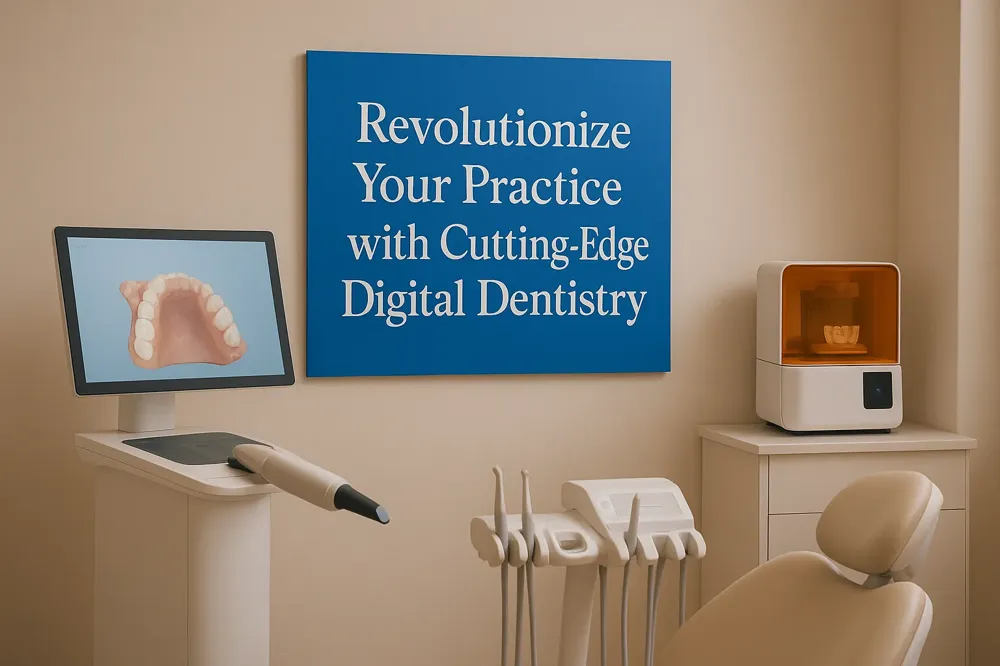
Digital impressions, captured via intraoral scanners, have revolutionized crown fitting by replacing traditional molds with 3D digital images. These techniques increase accuracy in capturing tooth and oral structure dimensions, leading to crowns that fit better and feel more natural. Patients benefit from a more comfortable, less invasive process without the discomfort of impression trays and materials. The precise scans facilitate faster fabrication and fewer adjustments, enhancing overall patient satisfaction.
How is AI-powered software integrated to optimize crown design and occlusion?
Artificial intelligence (AI)-powered crown design software is now utilized in dental crown design software to analyze patient data for predicting the optimal crown shape, size, and occlusion. This automation refines the customization process, ensuring crowns harmonize functionally with a patient’s bite and aesthetically with their smile. The AI-driven dental crown design reduces errors and chairside adjustments, streamlining treatment and improving the natural feel and function of the fabricated crowns.
What is the role of advanced imaging technologies like cone beam CT and facial scans in precise treatment planning?
Cone beam CT scans offer detailed 3D images of dental and facial structures, enabling dentists to meticulously plan crown placement, especially in complex cases involving implants or restorations near sensitive anatomy. Facial scans assist in facially driven treatment planning, helping align dental restorations with patients’ natural facial features and enhancing aesthetic outcomes. Together, these imaging tools promote precise, patient-specific treatment planning with improved comfort and functionality.
What are the latest advancements in dental technology for 2024 and 2025?
The most recent advancements include expanded use of 3D printing in dental crown fabrication for rapid, precise creation of crowns, bridges, veneers, and dentures in a single visit. AI-driven dental implant planning and enhanced laser dentistry procedures 2024 promote minimally invasive treatments, while robotic-assisted surgeries enhance surgical accuracy. Combined, these technologies improve treatment outcomes, reduce discomfort, and elevate patient care standards across the dental industry.
Minimally Invasive Crown Options and Biomimetic Materials
What are minimally invasive dental crowns and no-prep crowns?
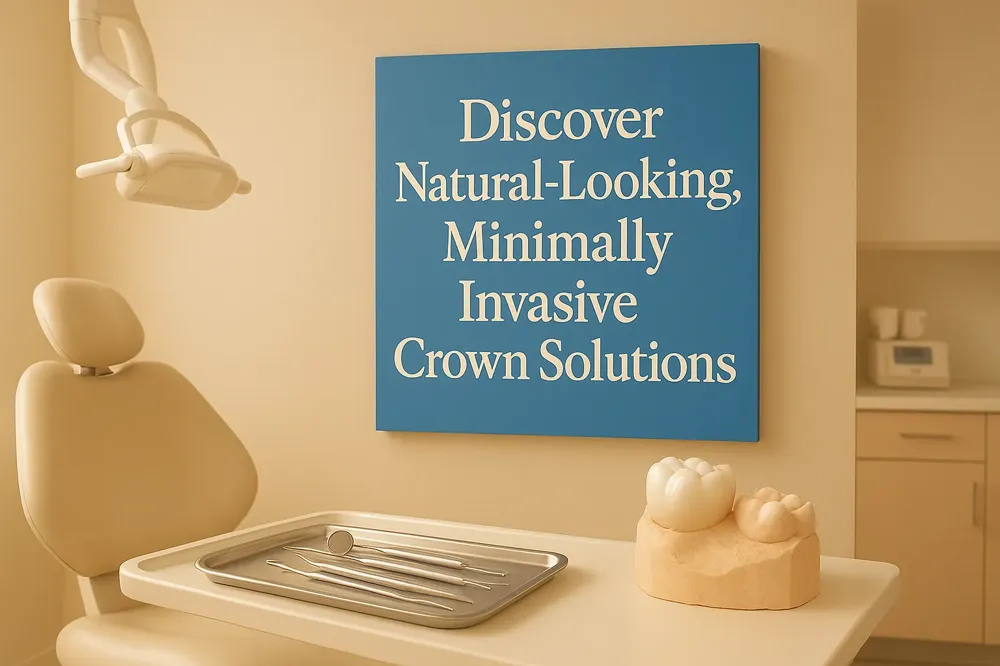
Minimally invasive dental crowns and no-prep crowns bonding to enamel represent a significant shift in restorative dentistry solutions that prioritizes preserving natural tooth structure. Unlike traditional crowns, which often require substantial tooth reshaping, these crowns can be placed with little to no reduction of healthy enamel. Thanks to advanced adhesive techniques and stronger modern materials, these crowns bond directly to the tooth's surface, reducing discomfort and risk during treatment.
How are biomimicry and nanotechnology transforming dental crowns?
Advancements in biomimicry in dental crown materials involve designing dental materials that closely replicate the natural properties of enamel and dentin. This results in crowns that are stronger, more resilient to wear, and distribute chewing forces evenly, which reduces fracture risks. Nanotechnology in dental crowns plays a vital role by incorporating nanomaterials that enhance the strength and aesthetic appeal of crowns. Emerging self-healing dental crown materials promise to extend the lifespan of restorations by repairing minor cracks and damages autonomously, further promoting long-term oral health.
What impact do these innovations have on patient comfort and oral health?
The combination of minimally invasive dental crowns techniques and biomimetic materials mimicking enamel and dentin significantly enhances patient experience by making procedures less invasive and reducing recovery times. Patients benefit from crowns that feel more natural and are visually indistinguishable from their original teeth. Additionally, preserving more of the natural tooth structure supports the overall long-term health of the oral environment, reducing the risk of future complications and ensuring greater durability of restorations.
| Aspect | Description | Benefit to Patients |
|---|---|---|
| No-Prep/Minimally Invasive | Minimal enamel removal required prior to crown placement | Less discomfort, faster recovery |
| Biomimetic Materials | Mimic natural tooth properties with enhanced strength | Natural appearance, greater durability |
| Nanotechnology Enhancements | Improve strength and introduce self-healing abilities | Longer-lasting crowns, reduced risk of damage |
| Patient Comfort | Less invasive procedures and natural feel of crowns | Improved satisfaction and reduced dental anxiety |
These innovations collectively signify a leap forward in dental crown technology, making treatments more patient-friendly and effective in the long term.
Addressing Common Challenges: Adjusting Poorly Fitted Crowns and Practice Efficiency

How can a poorly fitted dental crown be fixed or adjusted?
A poorly fitted dental crowns can cause discomfort, affect bite alignment, and increase wear or decay risk. To correct these issues, dentists typically perform an occlusal adjustment using articulating paper to identify and smooth high spots that interfere with proper bite.
If the crown has become loose due to cement washout, refitting or recementing the crown is necessary to restore stability and prevent bacterial invasion.
In some cases, gum contouring may be required to improve the crown's fit and aesthetics at the gum line.
When minor adjustments are insufficient, complete crown replacement becomes the best solution. Modern same-day dental crowns allow for adjustments even after cementation, ensuring a proper and comfortable fit for the patient.
Importance of patient aftercare and follow-up for crown longevity
After crown placement, patients should maintain good oral hygiene, avoid excessive forces on the crown, and attend regular dental check-ups. Timely follow-up appointments allow the dentist to monitor crown integrity, catch early signs of issues, and intervene promptly to prolong crown life and preserve oral health.
What is the 80/20 rule in dentistry and how can it benefit dental practices?
The 80/20 rule, or Pareto principle, indicates that roughly 80% of results come from 20% of efforts. Applied to dental practice management, this principle helps teams focus on core activities and patient cases that generate the most significant outcomes.
By prioritizing efficient workflows, targeted patient education, and streamlined treatment planning, dental practices can enhance quality of care while reducing time and resource waste. This approach ultimately improves patient satisfaction and practice success.
| Challenge | Correction Methods | Benefits of Approach |
|---|---|---|
| Poorly fitted crown | Occlusal adjustment, recementation, or replacement | Restores comfort and function |
| Loose crown | Recementing after cleaning | Prevents infection and crown loss |
| Gum line issues | Gum contouring | Enhances fit and aesthetics |
| Practice inefficiencies | Apply 80/20 rule to streamline workflows | Increases patient outcomes and satisfaction |
Looking Ahead: The Future of Dental Crown Innovation
The Future of Dental Crowns
Dental crown technology is rapidly advancing, focusing on improved materials, precision, and patient comfort. Innovations like same-day crowns created with CAD/CAM and 3D printing enable precise, efficient fabrication and placement within a single visit, reducing wait times and improving convenience.
Modern materials such as zirconia and lithium disilicate offer exceptional strength, biocompatibility, and natural aesthetics, closely mimicking real teeth. AI-powered design tools enhance crown customization, ensuring an optimal fit and function tailored to each patient.
These advancements prioritize minimally invasive procedures, preserving healthy tooth structure while providing durable, beautiful restorations. Patients are encouraged to consult with their dental professionals about these cutting-edge options to achieve lasting results with high satisfaction and comfort.