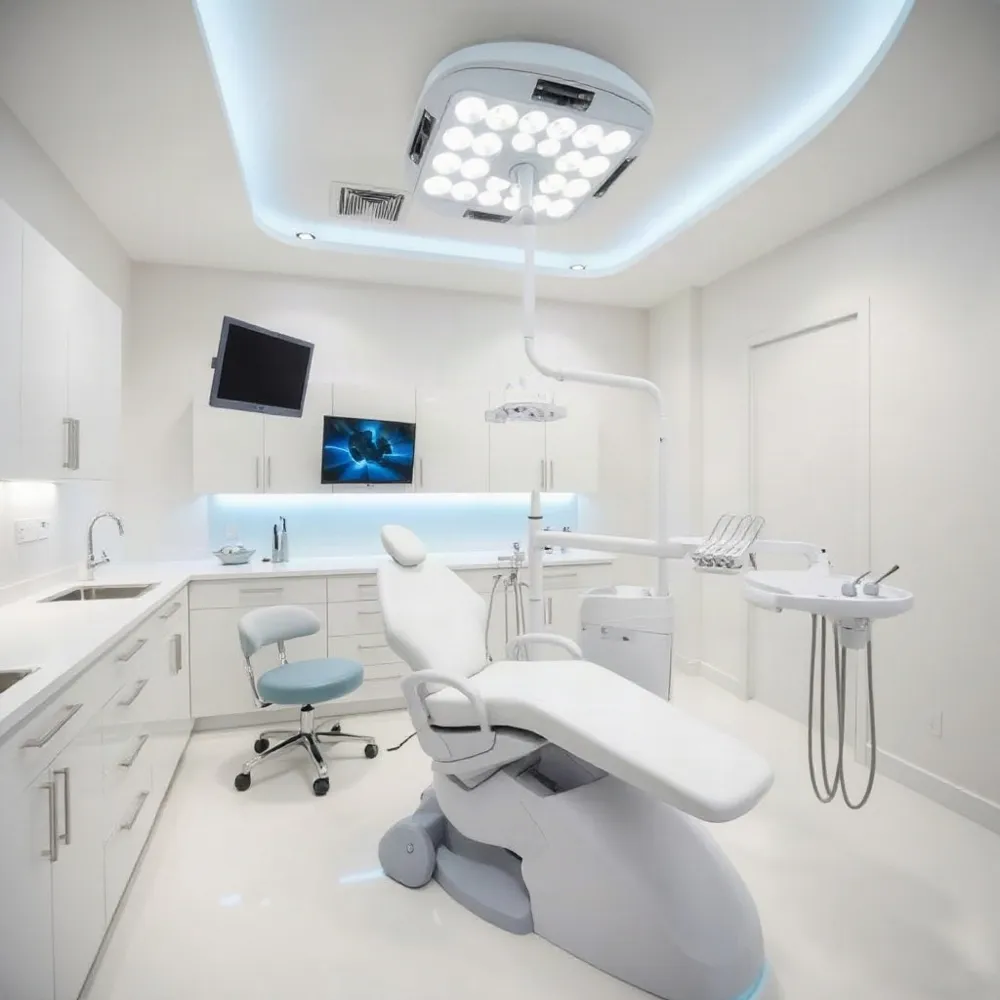
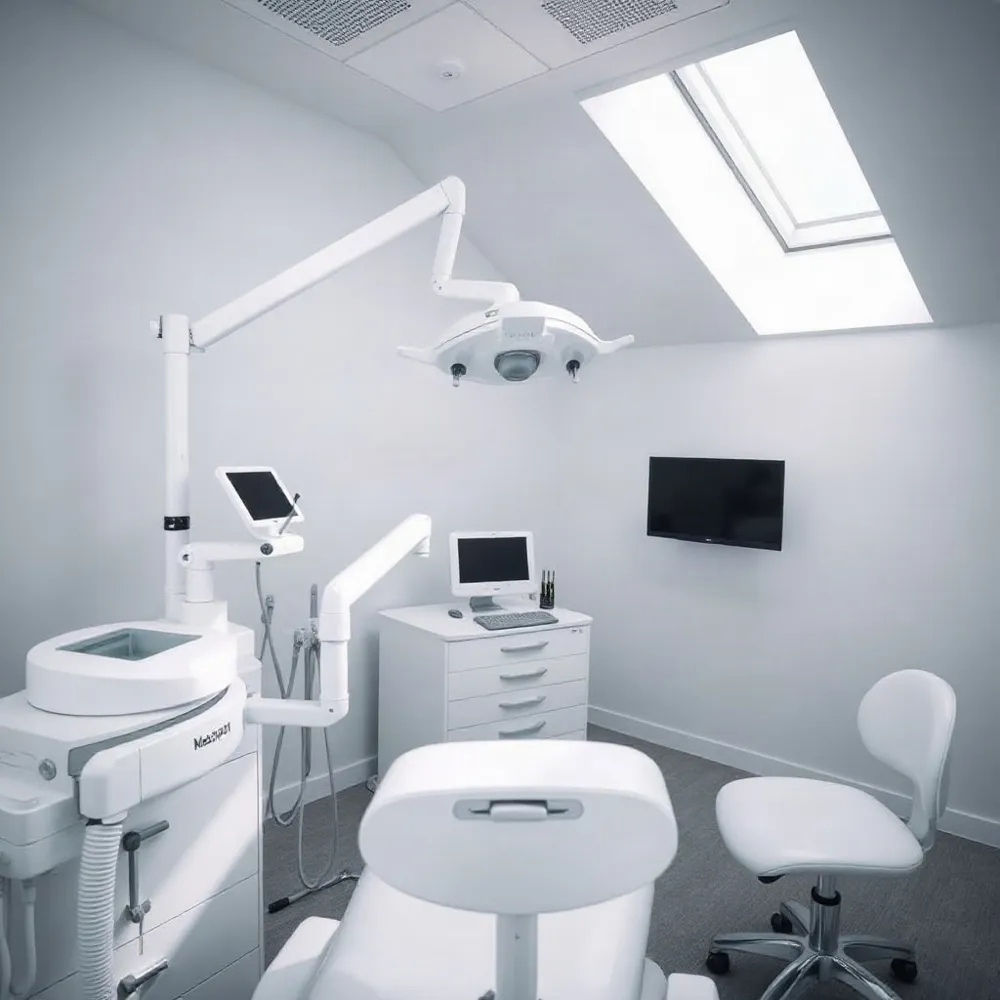
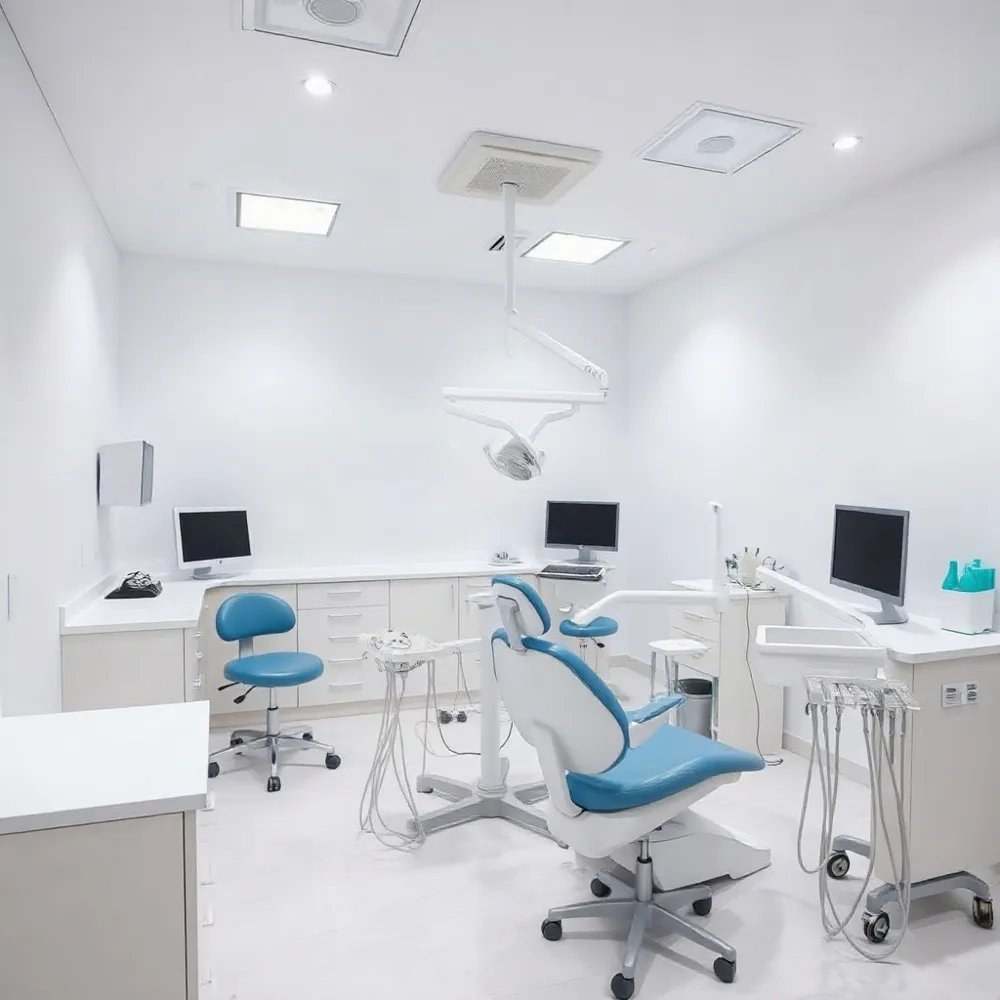
Introducing Same‑Day Crowns as a Modern Solution
Same‑day crowns are crafted in the dental office using CAD/CAM technology such as CEREC®. After the tooth is minimally prepared, an intra‑oral scanner captures a 3‑D digital impression, which is instantly designed on a computer and milled from a high‑strength ceramic block (lithium disilicate or zirconia). The permanent crown is bonded in the same appointment, eliminating temporary restorations and multiple visits. Many patients explore this option instead of a root canal when the pulp remains healthy but the tooth is cracked, heavily decayed, or structurally weakened. A same‑day crown can reinforce the tooth, restore aesthetics and function, and avoid the invasiveness, extra appointments, and higher cost associated with root canal therapy and subsequent restoration.
Cost Comparison and Clinical Outcomes
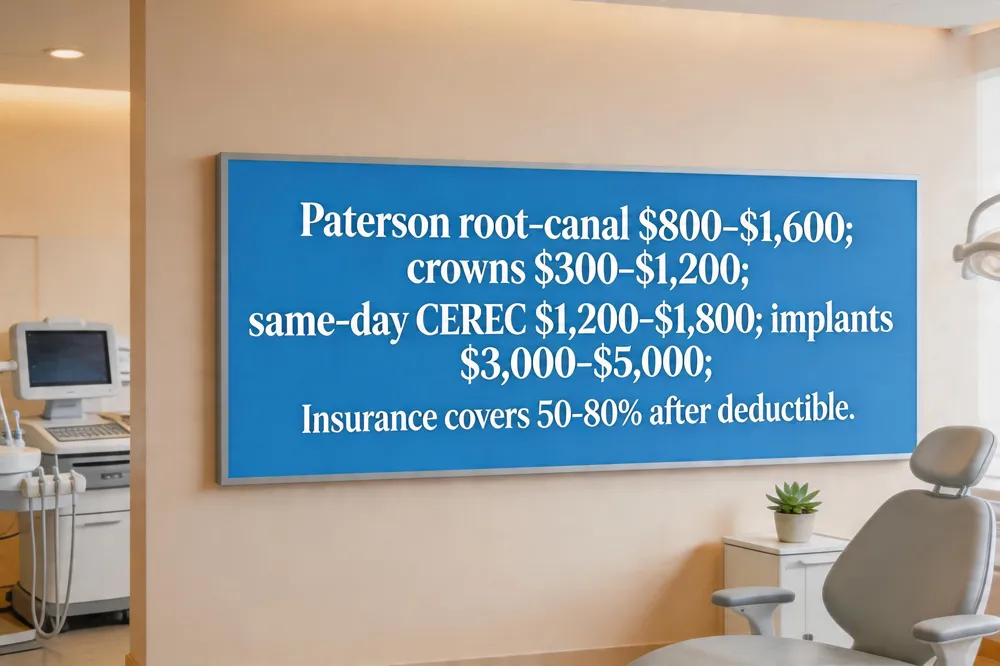 In Paterson, NJ, a root‑canal treatment typically runs $800 – $1,600, with insurance covering 50 %–80 % after deductible. After the canal, a permanent restoration—usually a crown—adds $300 – $1,200. A crown alone ranges $500 – $1,500, depending on material. When both procedures are needed, total out‑of‑pocket costs fall between $1,800 – $5,000, though many plans reimburse a significant portion.
CEREC same‑day crowns are priced similarly to traditional crowns, $1,200 – $1,800 per tooth, inclusive of digital scanning, in‑office milling, and placement in a single visit. Insurance coverage mirrors that of regular crowns, reducing the immediate financial burden.
Compared with a root‑canal‑and‑crown combo, a dental implant costs $3,000 – $5,000 per tooth and requires surgery and several months of healing, but offers a 97‑98 % success rate and potential lifelong durability. Root canals preserve the natural tooth and surrounding bone but may need replacement after 10‑15 years, with a success rate of 80‑95 %.
Choosing the optimal treatment depends on the tooth’s condition, budget, and long‑term goals. Our multilingual team can provide personalized estimates, verify insurance benefits, and offer flexible financing to make the best option accessible.
When a Crown Can Replace a Root Canal
 A crown can often protect a tooth without the need for root‑canal therapy when the pulp remains healthy. For a cracked tooth, the treatment depends on how deep the fracture extends. If the crack reaches the pulp or shows infection, a root canal is required to remove the damaged nerve tissue and stop pain; the crown is then placed to restore strength and function. When the crack is superficial and the pulp is intact, a crown alone may hold the tooth together and prevent further fracture, eliminating the need for a root canal.
A crown alone cannot treat infection inside the tooth. If decay, trauma, or a crack exposes the nerve, bacteria will cause pain, swelling, or an abscess, and only a root canal can eliminate the infection. After the pulp is cleaned, the tooth is usually weakened and needs a crown for protection.
Root canals, crowns, and fillings serve different purposes.
Fillings repair small cavities; crowns protect teeth that have lost significant structure, are cracked, or have undergone a root canal; and root canals treat infected pulp. In some cases, a tiny access opening after a root canal can be sealed with a filling, but a crown is typically recommended for molars and premolars to prevent fracture.
If the tooth’s pulp is healthy, a crown can be placed directly, preserving vitality and reducing treatment time. Alternatives for a cracked tooth with vital pulp include indirect or direct pulp‑capping, which aim to protect the pulp while avoiding a root canal. The dentist will evaluate crack depth, vitality tests, and X‑rays to decide whether a crown alone, a root canal, or a combination is best.
Alternative Treatments to Root Canals
 When a tooth is damaged but a root canal seems daunting, several alternatives exist.
Cheaper alternatives – Extraction is often the lowest‑cost option, typically a few hundred dollars, versus $1,000‑$2,500 for a root canal plus crown. In cases of shallow decay, direct or indirect pulp capping and partial pulpotomy can preserve the tooth for a fraction of the cost. An apicoectomy may be less expensive than repeating a failed root canal, though it still involves surgery.
Non‑surgical options – Vital pulp therapy (pulp capping, pulpotomy) can protect a healthy pulp when decay has not reached it. A same‑day all‑ceramic crown, fabricated with CAD/CAM technology, may reinforce a weakened tooth without endodontic work if the pulp remains vital.
Holistic approaches – Holistic dentists favor biocompatible, metal‑free crowns and may use ozone therapy to disinfect early‑stage infection, reducing the need for extensive drilling. Nutritional counseling, herbal anti‑inflammatories, and lifestyle changes support the body’s natural healing.
Regenerative and ozone therapy – Regenerative endodontics aim to restore pulp vitality, while ozone gas or ozonated water kills bacteria and promotes tissue recovery. These methods work best for shallow lesions; deep necrotic pulp still requires conventional cleaning and sealing.
Practical guidance – If you need a painless, cost‑effective solution, discuss extraction with bridge or implant options, pulpotomy, or same‑day crown placement with your dentist. Our multilingual team in Paterson, NJ (English, Spanish, Arabic) can evaluate your case and recommend the safest, most affordable treatment path.
Same‑Day Crown Workflow and Advantages
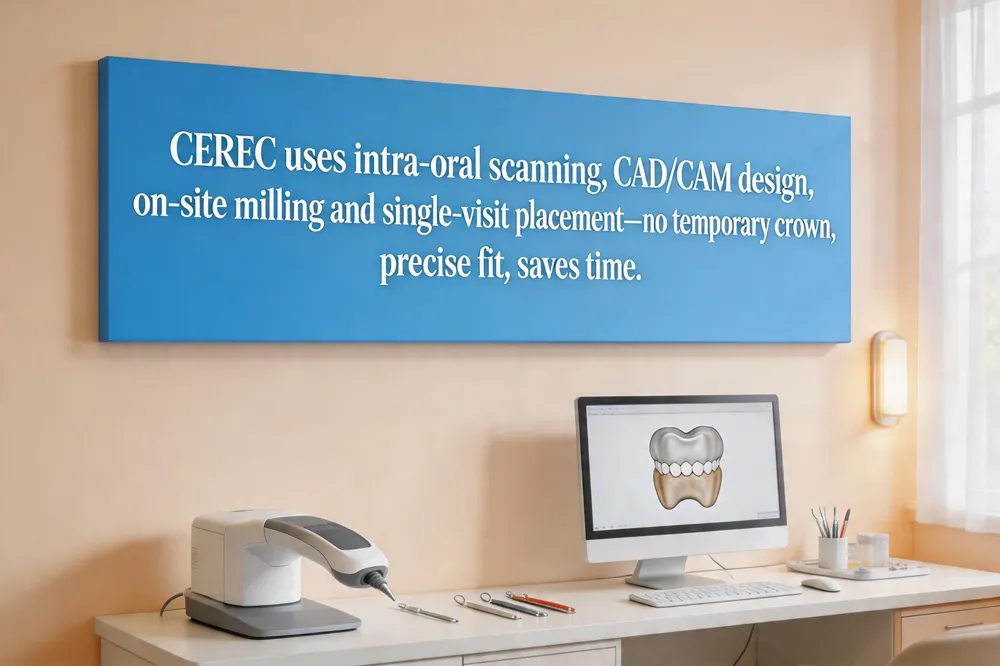 A “Dental Crown in an Hour” is made possible by modern CEREC (Chairside Economical Restoration of Esthetic Ceramics) CEREC technology. The dentist first prepares the tooth, then uses an intra‑oral scanner to capture a digital impression. In the same appointment—typically two hours—the CAD software designs a custom ceramic crown, which is milled on‑site from a high‑strength block of lithium disilicate or zirconia. The permanent, color‑matched crown is then bonded directly, eliminating the need for messy molds, a temporary crown, or a second visit.
Same‑day crowns versus traditional crowns: Traditional crowns require two or more appointments and an external lab, while same‑day crowns are fabricated in a single visit using CAD/CAM. Both can last 10–15 years with proper care, but lab‑fabricated metal‑ceramic crowns may offer greater strength for heavily loaded molars. CAD/CAM crowns provide a precise marginal fit, reduce adjustment time, and avoid the discomfort of temporary restorations.
Patient convenience is a major advantage. The single‑visit workflow saves time off work or school, reduces exposure to anesthesia, and offers immediate restoration of function and aesthetics. For patients with a healthy pulp and a tooth that is cracked or heavily decayed, a same‑day crown can often preserve the tooth without the need for a root canal, delivering quick relief and a durable, natural‑looking result.
Urgent Care and Patient Support in Paterson
 Emergency dental services in Paterson, NJ are readily available through Dr. David Mayer’s practice, which offers same‑day appointments for severe toothaches, knocked‑out teeth, broken crowns, and other urgent situations. With over 40 years of experience, the office can assess pain, take X‑rays, and provide immediate relief—often in just one visit.
Emergency dental near me – If you’re in Paterson and need urgent care, call (973) 555‑1234. The multilingual team, fluent in English, Spanish, and Arabic, will prioritize your emergency and fit you in as soon as possible.
What is the 3‑3‑3 rule for tooth infection? – The “3‑3‑3 rule” is a home‑care guideline: take 600 mg of an NSAID (three 200 mg tablets) three times a day for three days, and rinse with warm salt water three times daily. If pain, swelling, or fever persists after the third dose, schedule an urgent dental appointment within 24 hours.
Multilingual team – The practice’s staff can communicate in English, Spanish, and Arabic, ensuring clear explanations of diagnosis, treatment options, and after‑care instructions for a diverse patient base.
How to contact – Reach the office at (973) 555‑1234 or email info@davidhmayerdental.com. Emergency slots are filled on a first‑come, first‑served basis, so call promptly for fast, compassionate care.
Key Takeaways and Next Steps
Same‑day crowns created with CAD/CAM technology give patients a permanent, aesthetic restoration in one visit, eliminating temporary crowns, reducing appointments, and often delivering a marginal fit within 20 µm that lowers decay risk. High‑strength ceramics such as lithium disilicate or zirconia provide durability comparable to lab‑fabricated crowns, lasting 10‑15 years with proper care. For residents of Paterson, NJ, Dr. David Mayer DDS offers these efficient crowns alongside multilingual support (English, Spanish, Arabic). To schedule, call the office at (555) 123‑4567, email appointments@davidmayerdds.com, or use the online booking portal on the practice website. Verify insurance coverage and discuss material options during the initial consultation.