Introduction to Dental Crowns and Their Importance
Definition and Purpose of Dental Crowns
A dental crown is a custom-made, tooth-shaped cap designed to fit over a damaged or weakened tooth. It restores the tooth’s shape, size, strength, and appearance, acting as a protective barrier that prevents further deterioration. Crowns are typically used when a tooth is extensively decayed, fractured, worn down, or has undergone procedures like root canal therapy.
Role in Restorative Dentistry
Dental crowns play a critical role beyond cosmetic enhancement. They reinforce compromised teeth, helping to preserve natural tooth structure by shielding the tooth from further damage caused by decay, fractures, or trauma. Crowns support weakened teeth by distributing chewing forces evenly, thereby preventing breakage and extending tooth lifespan.
Significance for Long-Term Oral Health
By restoring functionality, dental crowns enable proper chewing and speech, which contribute to overall health and quality of life. They also maintain proper bite alignment, preventing adjacent teeth from shifting and avoiding malocclusion. Furthermore, crowns help reduce bacterial accumulation by covering vulnerable tooth surfaces, lowering the risk of decay and gum disease. As such, dental crowns are essential elements in promoting and maintaining long-term oral health.
The Dental Crown Procedure: Step-by-Step Preparation and Placement
How is a tooth prepared for a dental crown?
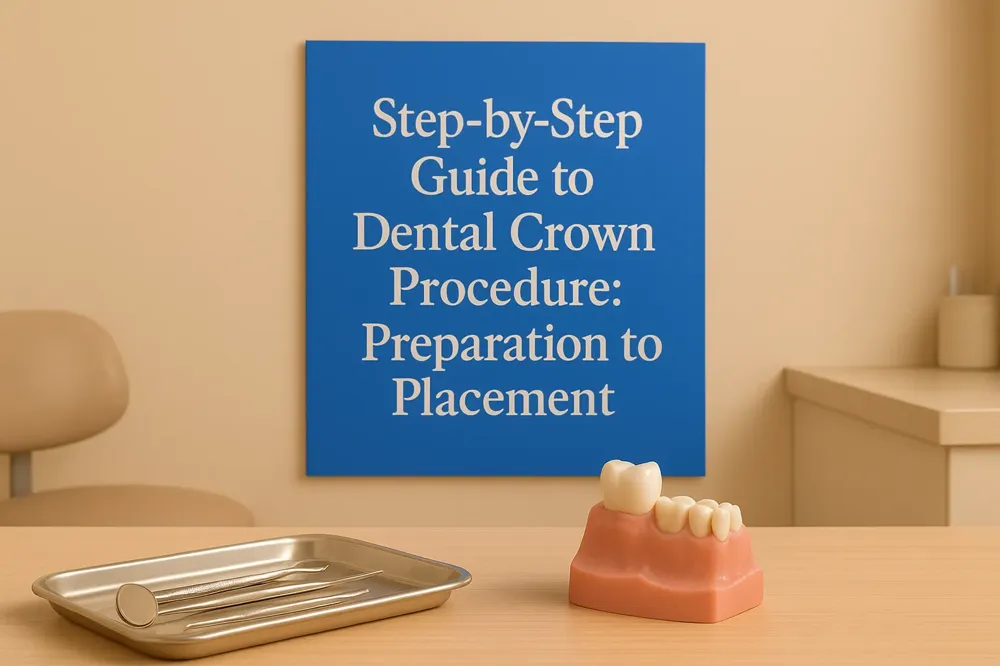
The preparation of a tooth for a dental crown procedure begins with administering a local anesthetic to numb the area and ensure patient comfort throughout the procedure. Any existing decay or damaged portions of the tooth are carefully removed using a dental drill. Afterward, the tooth is shaped by trimming down its size to create sufficient space for the crown to fit correctly and comfortably.
Once the tooth is properly shaped, an impression or digital scan is taken to capture the exact contours and dimensions. This model is essential for crafting a custom-fit crown that matches the patient's dental structure. To protect the prepared tooth in the interim, a temporary dental crown is placed, preventing sensitivity and safeguarding the tooth while the permanent crown is being fabricated.
What is the step-by-step procedure for getting a dental crown?
The dental crown procedure involves several key steps:
- Initial Examination and Decay Removal: The dentist evaluates the tooth and removes any decay or damage.
- Local Anesthetic and Tooth Reshaping: Local anesthesia is administered, and the tooth is carefully reshaped by removing a portion of enamel to allow room for the crown.
- Impression or Digital Scan: Either a traditional molding material or digital impressions in dental crown procedure technology is used to take a precise impression of the prepared tooth and surrounding teeth.
- Temporary Crown Placement: A temporary dental crown is fashioned and placed to protect the tooth during the period the permanent crown is made.
- Permanent Crown Fitting and Bonding: At the follow-up appointment, the temporary crown is removed, the fit and color of the permanent crown are checked, and then it is cemented securely onto the prepared tooth.
This procedure generally requires two visits to the dental office, though some practices offer same-day dental crowns solutions with advanced CAD/CAM technology in dentistry. Proper fitting and bonding are crucial to ensure comfort, function, and longevity of the crown, thereby supporting the health and stability of the treated tooth.
By following these steps, dental crowns provide durable protection and restore both appearance and function to damaged teeth.
Materials and Types of Dental Crowns: Selecting the Best for Your Needs
What materials are best for dental crowns?
Dental crowns are crafted from several common materials, including porcelain dental crowns, metal dental crowns, ceramic dental crowns, and resin dental crowns, each with unique benefits and drawbacks.
Porcelain dental crowns are renowned for their natural tooth-like appearance, making them highly suitable for front teeth where aesthetics are a priority. However, they can be less durable than metal options and are more prone to chipping.
Metal dental crowns, often made from gold or other metal alloys, offer exceptional strength and longevity. They require the least tooth enamel removal but have a metallic color, rendering them less ideal for visible teeth but excellent for molars that endure heavy chewing forces.
Ceramic dental crowns blend the aesthetic qualities of porcelain with increased durability. Zirconia, a form of ceramic, provides superior strength and is biocompatible, making it a popular choice for both front and back teeth.
Resin dental crowns are generally more affordable and aesthetically acceptable but tend to be less durable and are often used as temporary restorations.
Porcelain-fused-to-metal crowns combine a metal base with a porcelain exterior, offering a balance between strength and a natural look. Yet, the porcelain layer can chip, and they might cause wear on opposing teeth.
Material selection depends on tooth location, function, and patient preferences. For anterior teeth, porcelain dental crowns or all-ceramic dental crowns are favored for their appearance, whereas for posterior teeth, metal dental crowns or porcelain-fused-to-metal crowns are preferred for their durability.
At David M. Mayer, DMD in Paterson, NJ, dentists evaluate individual needs, considering factors like bite force, aesthetic concerns, and potential allergies, to recommend the most appropriate dental crown materials tailored to each patient’s oral health and cosmetic goals.
Benefits and Necessity of Dental Crowns in Oral Health
What are the benefits of dental crowns?
Dental Crowns provide comprehensive protection and reinforcement for teeth that are damaged, weakened, or structurally compromised. By covering the entire visible portion of a tooth, crowns shield it from further decay, cracks, and sensitivity, thereby preventing additional deterioration. They restore chewing function by strengthening teeth that would otherwise be too fragile to handle normal bite forces, allowing comfortable eating and clear speech.
Additionally, crowns significantly improve smile aesthetics by covering discoloration, misshapen teeth, or gaps, offering a natural look that closely mimics original tooth enamel. This dual role of function and form enhances patient confidence and comfort.
Crowns are designed for durability and with proper oral hygiene—such as brushing twice daily, flossing, and regular dental visits—they can last 10 to 15 years or longer. Their placement generally involves minimal invasiveness, requiring only the removal of some enamel and taking impressions to create a custom-fitted cap.
Is it necessary to get a dental crown?
A Role of dental crowns in restorative dentistry becomes necessary when a tooth is too damaged for more conservative treatments like fillings to suffice. Common indications include large cavities that weaken the tooth's integrity, cracked or chipped teeth prone to further fracture, and teeth that have undergone root canal therapy which often leaves them brittle.
By encapsulating the affected tooth, crowns restore structural strength, protect against bacterial infiltration, and maintain functional alignment in the bite. This prevents problems such as shifting of adjacent teeth, malocclusion, and uneven chewing pressures.
Alternatives such as inlays, onlays, or veneers might be considered depending on the extent of damage and aesthetic needs; however, crowns offer superior durability and comprehensive protection. Dentists typically recommend crowns to ensure the long-term preservation of the natural tooth and overall oral health.
Additional Benefits
- Prevent further tooth decay by sealing vulnerable areas.
- Support teeth with large fillings or structural erosion.
- Improve oral hygiene by covering rough or sensitive tooth surfaces.
- Provide critical reinforcement after root canal treatments.
- Maintain bite balance and prevent adjacent teeth from shifting.
Overall, Dental crowns and bite alignment, blending protection, function, and aesthetics to support lasting dental health.
Longevity, Care, and Maintenance of Dental Crowns for Sustained Health
Are dental crowns good for long-term use?
Yes, dental crowns are designed for long-term durability, typically lasting between 10 to 15 years, and sometimes even longer with proper care. They restore the function of damaged or weakened teeth, allowing for normal chewing and speaking, while maintaining bite alignment and comfort. Crowns provide a protective shield, preserving the natural tooth structure underneath. However, periodic maintenance may be necessary as crowns can chip or become loose over time, highlighting the importance of regular dental check-ups for dental crowns and good oral hygiene to ensure their longevity.
Expected lifespan of dental crowns by material
- Metal crowns (gold or alloys) generally last the longest, often exceeding 20 years due to their high strength and durability, suitable for molars.
- Porcelain-fused-to-metal (PFM) crowns have an average lifespan of 5 to 15 years, combining strength and natural aesthetics but may chip over time.
- All-ceramic or porcelain crowns typically last 5 to 10 years, offering the best natural appearance, especially for front teeth.
- Zirconia crowns are durable and resistant to fractures, lasting around 10 to 15 years.
- Resin crowns are less durable, often used as temporary solutions lasting 3 to 7 years.
Factors influencing crown durability
Several factors affect how long a crown lasts, including:
- Oral hygiene practices and plaque control.
- Bite force and habits such as teeth grinding (bruxism).
- Avoidance of chewing hard or sticky foods.
- Proper crown fit and cementation.
- Regular dental visits to detect early issues.
Proper hygiene practices: brushing, flossing, mouthwash
Maintaining excellent oral hygiene significantly prolongs crown life. Brush twice daily with a soft-bristled toothbrush and fluoride toothpaste. Floss gently, especially around crown margins, to avoid loosening the crown while preventing decay beneath it. Using an antibacterial or fluoride mouthwash can help reduce plaque buildup and strengthen teeth supporting the crown.
Avoiding damaging habits and foods
Avoid chewing on hard substances like ice, nuts, or hard candies to prevent chipping or cracking crowns. Sticky or chewy foods, like caramel or taffy, can loosen crowns or trap debris, increasing decay risk. Refrain from using teeth as tools (e.g., opening packaging) and avoid nail biting to reduce mechanical stress on crowned teeth.
Regular dental check-ups and addressing problems early
Schedule dental visits every six months to monitor crown condition and surrounding gums. Early detection of issues like loosening, decay at the crown margin, or sensitivity allows for timely intervention, potentially avoiding costly replacements or extensive procedures.
Use of night guards for bruxism protection
If teeth grinding or clenching is a concern, wearing a custom night guard protects crowns and natural teeth from excessive wear and fracture. This simple preventive device can significantly extend the lifespan of crowns and maintain oral comfort.
What should patients do after receiving a dental crown for proper aftercare?
Patients should avoid hard, sticky, or chewy foods for at least 24–48 hours after crown placement to allow cement to set fully. Maintain good oral hygiene with gentle brushing and careful flossing around the crown. Avoid harmful habits as noted above and use a night guard if grinding is present. Regular dental follow-ups are essential to ensure the crown remains secure and functional.
How long does it take to heal after a dental crown is placed?
Healing typically occurs over 2 to 4 weeks as gums and tissues adjust to the crown. Mild sensitivity or tenderness is common during this period but usually subsides. Consistent oral care and avoiding irritants aid smooth recovery. Persistent sharp pain warrants dental evaluation.
Adhering to these care guidelines ensures dental crowns remain a reliable, functional, and aesthetically pleasing solution that supports long-term oral health and quality of life.
Recognizing Problems with Dental Crowns and When to Seek Care
What symptoms indicate a bad dental crown?
Certain signs may point to Frequent dental crown problems, requiring professional attention. Persistent pain or discomfort, especially when chewing or at rest, can indicate underlying decay or nerve issues beneath the crown. Sensitivity to hot, cold, or sweet foods and drinks often signals Dental crown sensitivity issues.
A loose or wobbly crown is a clear warning, as it can break the seal that protects the natural tooth and invite Preventing bacterial infiltration with crowns. Visible chips, cracks, or rough edges on the crown's surface also suggest damage needing repair.
Other notable signs are swollen, red, or receding gums near the crown, a bad taste or odor, and any discoloration such as dark lines near the gumline. These symptoms may hint at Infection signs around crown or decay beneath the crown margin, which should be evaluated swiftly.
Differentiating normal sensitivity from crown issues
Mild sensitivity and tenderness in the days following crown placement are common and typically resolve within 1–2 weeks. However, ongoing or worsening pain, sharp sensations, or a change in bite alignment require Potential complications with dental crowns.
Importance of timely dental evaluation and repair
Timely examination can identify and manage early complications like decay, loosened crowns, or gum disease, preventing more extensive damage. Repairs such as re-cementing a loose crown or fixing small chips can often save the restoration and underlying tooth.
When a crown might need replacement
Crowns generally last 5 to 15 years but may need replacement if they become extensively worn, fractured, or if decay develops beneath. Regular Regular check-ups for dental crowns help monitor crown integrity and oral health.
Being attentive to these signs and maintaining routine dental care supports the Long-term benefits of dental crowns and protects your overall oral health.
Alternatives, Risks, and Misconceptions About Dental Crowns
What are the alternatives to dental crowns?
Dental crowns are a common solution for restoring damaged teeth, but there are several alternatives to dental crowns depending on the severity and location of the damage. Onlays are a conservative option that covers part or all of a tooth's surface, preserving more natural structure compared to crowns. Dental veneers are thin, custom-made shells designed mainly for cosmetic improvements, covering only the front surface of teeth. Dental fillings, including resin composites, address smaller cavities or minor damage but provide less protection than crowns. Inlays, similar to onlays, are another conservative restoration that fits within the tooth surface and can be suitable for moderate damage.
What are the disadvantages and risks associated with dental crowns?
While dental crowns are effective restorations, they do carry some potential risks and drawbacks. The procedure involves removing some natural tooth enamel, which is irreversible. Improper fit can lead to discomfort, bite misalignment, or trapping of bacteria that increases the risk of decay and gum disease around the crown margin. Patients may also experience temporary sensitivity after crown placement post-treatment. Allergic reactions to materials, although rare, can occur, especially with metal-based crowns. Additionally, crowns can chip or fracture, particularly ceramic or resin types, and they may loosen or detach over time, necessitating dental intervention.
Can dental crowns cause cancer?
Dental crowns do not cause cancer. Modern crowns are made from biocompatible materials rigorously tested for safety and free from carcinogenic substances. Concerns about cancer risk often arise from outdated misinformation, with no credible scientific evidence supporting any link between dental crowns and cancer development. Maintaining regular dental care and timely treatments is the best approach to oral health, including cancer prevention. For more on dental crowns and cancer risk, see expert resources.
Ethical considerations about crown replacement
Due to the permanent removal of enamel during crown preparation, a crown or similar restoration will always be necessary to protect the underlying tooth. Ethically, unnecessary replacement or overuse of crowns should be avoided. Replacement is warranted when there is damage, decay, discomfort, or functional impairment, not solely for cosmetic reasons. Patients should consult with experienced dentists who prioritize tooth preservation and provide personalized treatment plans. More about ethical dental crown decisions can be found in specialized dental care guides.
Choosing experienced dentists for best outcomes
Selecting a skilled dental professional is crucial for successful dental crown procedures. Experienced dentists use precise measurements, advanced materials, and technologies like digital impressions in dental crown procedure and CAD/CAM technology in dentistry to ensure optimal fit, comfort, and function. Proper crown placement minimizes risks such as sensitivity, loosening, or bite problems and supports long-term oral health by preventing complications.
| Topic | Alternatives | Risks and Downsides | Misconceptions and Ethics | Dentist Selection |
|---|---|---|---|---|
| Restoration Options | Onlays, veneers, fillings, inlays | Enamel removal, sensitivity, allergic reactions, improper fit | Crowns do not cause cancer | Expertise vital for proper fit and longevity |
| Patient Considerations | Based on damage extent and location | Risk of decay, loosening, chipping | Avoid unnecessary crown replacement | Personalized care and modern technology important |
| Material Factors | Resin, porcelain, metal, ceramic alternatives | Material allergies, fracture risk | Biocompatible and tested materials used | Digital tools enhance precision |