Introduction
Diabetes affects more than 34 million Americans and dramatically increases the risk of oral problems such as dry mouth, gingivitis, periodontitis, and delayed wound healing. Elevated blood glucose feeds harmful bacteria, weakens white‑blood‑cell function, and creates a two‑way relationship: poor gum health raises HbA1c levels, while uncontrolled diabetes accelerates gum disease. Because infections in the mouth can spread quickly, raise systemic inflammation, and destabilize blood‑sugar control, prompt dental evaluation and timely emergency treatment are essential. Early detection, regular cleanings, and rapid care of acute issues help protect teeth, reduce complications, and support overall diabetes management.
Understanding the Diabetes‑Oral Health Connection
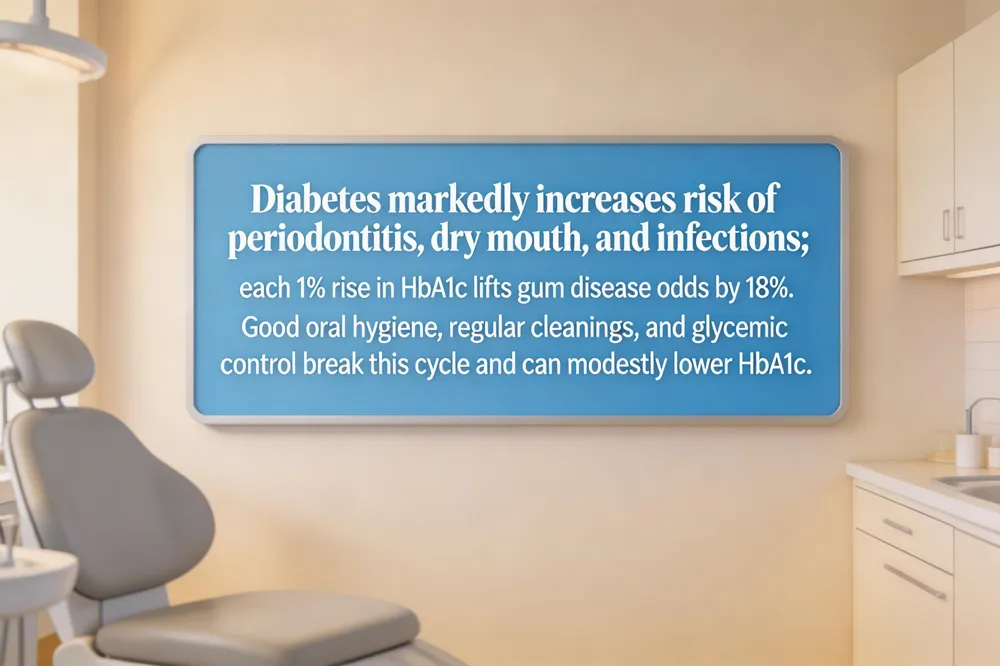 People with diabetes are far more likely to develop gum disease—46% of adults aged 45‑64 and 59% of those 65 and older have periodontitis and each 1% rise in HbA1c increases the odds of disease by 18%. High blood‑sugar also fuels dry mouth (xerostomia), reducing saliva’s protective effect and allowing plaque‑producing bacteria and Candida to thrive, which raises the risk of cavities, oral thrush, and other infections.
The relationship is bidirectional: untreated periodontitis raises systemic inflammation and insulin resistance, which can raise HbA1c levels, while poor glycemic control worsens gum inflammation. Regular dental cleanings, twice‑daily brushing with fluoride toothpaste, flossing, and professional check‑ups at least once a year break this cycle and can modestly lower HbA1c.
Dental management of diabetic patients starts with a thorough medical history, recent HbA1c values, and medication review.
Well‑controlled patients can receive routine care; poorly controlled or insulin‑dependent patients should schedule morning appointments (as cortisol levels are higher), schedule appointments away from peak insulin activity times and have glucose monitors and fast‑acting carbs available to prevent hypoglycemia.
Prophylactic antibiotics may be considered for invasive work, and communication with the patient’s physician is essential for medication adjustments.
Yes—diabetics should see a dentist regularly. Inform the dentist of diabetes status and glucose control, maintain diligent oral hygiene, and seek prompt care for any pain, swelling, or bleeding as emphasized by emergency dental care guidance. Early intervention prevents infection, supports better blood‑sugar management, and reduces the risk of serious complications such as sepsis or tooth loss.
Emergency Dental Situations in Diabetic Patients
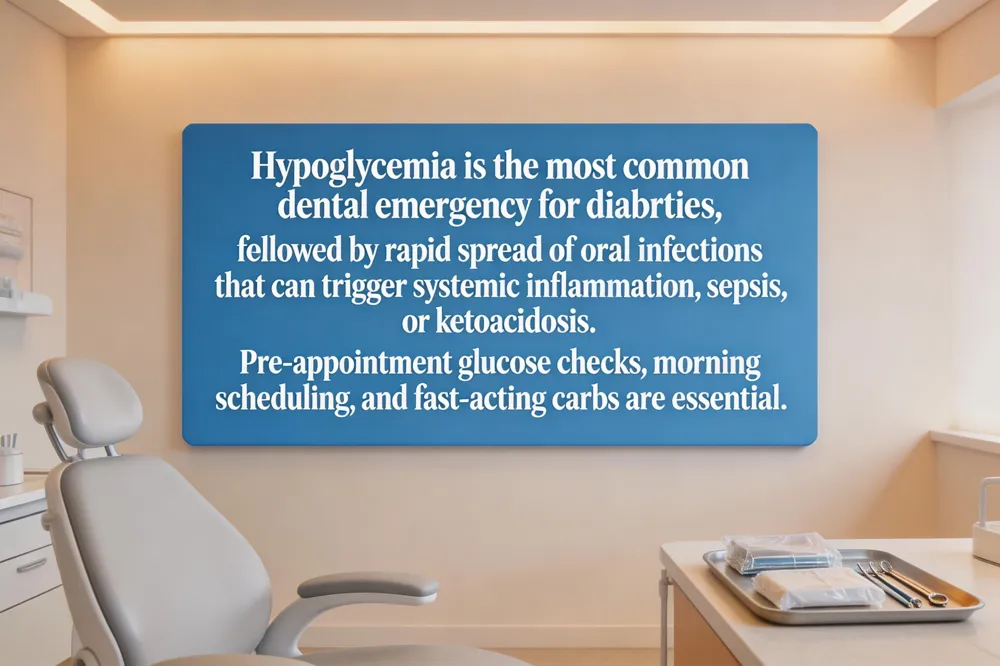 What is the most common medical emergency in dental practice related to diabetes?
In dental offices, hypoglycemia is the leading emergency for patients with diabetes. Rapid drops in blood glucose can occur because of fasting before appointments, anxiety, or altered medication timing. Early signs include sweating, tremors, dizziness, and confusion; without prompt treatment with fast‑acting carbohydrates—or glucagon for unconscious patients—patients risk loss of consciousness and further complications. Pre‑appointment screening and morning scheduling help reduce this risk.
Rapid spread of oral infections and systemic impact
High blood‑sugar levels weaken white‑blood‑cell function, allowing plaque‑forming bacteria and fungi to proliferate. Untreated gum disease or dental abscesses can quickly become systemic infections, raising inflammatory markers and worsening insulin resistance. This bidirectional relationship may elevate HbA1c, increase cardiovascular and kidney disease risk, and even trigger sepsis or diabetic ketoacidosis. Immediate emergency care—draining abscesses, prescribing appropriate antibiotics, and coordinating with medical providers—limits systemic inflammation and protects overall health.
Financial resources and insurance considerations
Many patients qualify for dental benefits through programs such as TRICARE’s Wellness Program, Medicaid, or private plans that include diabetes‑related oral‑health services. When coverage is lacking, practices often offer sliding‑scale fees, financing, or payment plans. Discuss your insurance status and any applicable assistance with our staff to create an affordable treatment plan that prioritizes regular check‑ups and timely emergency interventions.
Additional resources
For detailed guidance, download our "Diabetes and Oral Health" PDF, which outlines symptoms (dry mouth, gum bleeding, thrush) and preventive habits (twice‑daily brushing, flossing, hydration). Early detection and consistent oral‑care are essential to break the cycle between poor glycemic control and dental disease.
Clinical Guidelines and Safe Practices
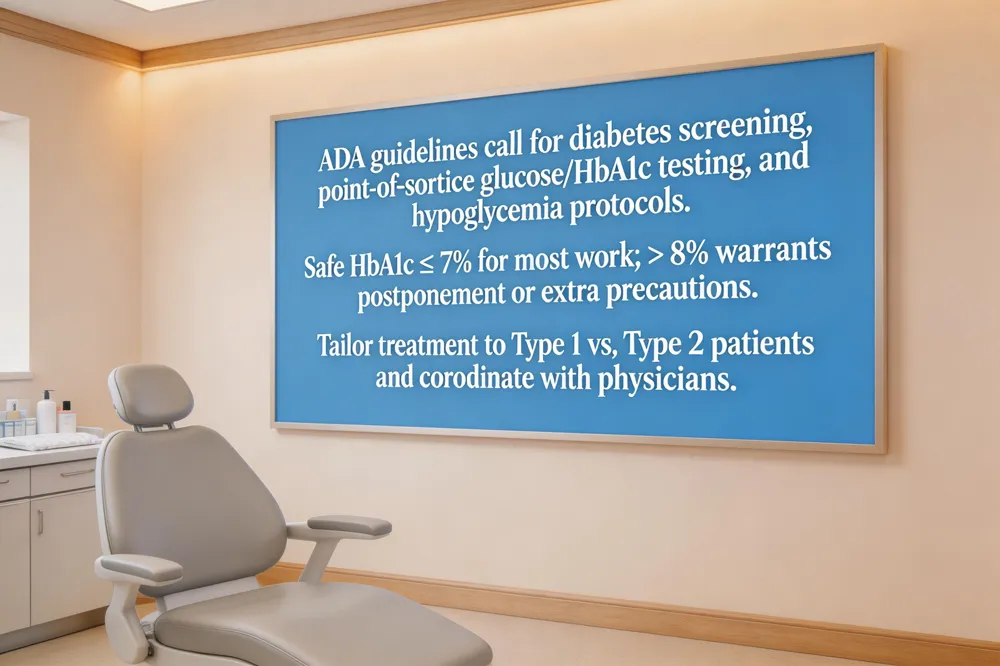 American Dental Association diabetes guidelines – The ADA recommends that every dental office screen for diabetes‑related oral risks, recognize xerostomia, gingivitis and delayed wound healing, and maintain a hypoglycemia protocol. In‑office glucose testing (CDT D0412) and point‑of‑service HbA1c (CDT D0411) should be used before lengthy or invasive procedures. Uncontrolled diabetes calls for individualized treatment plans, more frequent periodontal maintenance, and prompt referral for medical glycemic management. Staff must be trained to identify hypoglycemia, use a glucometer, and intervene for both conscious and unconscious patients.
Safe HbA1C levels for dental treatment – An HbA1C of ≤ 7 % is generally safe for most dental work. Values between 7 % and 8 % may allow treatment with physician coordination and scheduling when glucose is stable. HbA1C > 8 % increases risk of delayed healing, infection and bleeding; elective procedures are often postponed until better control is achieved. Even in emergencies, current glucose is assessed and extra precautions taken if HbA1C is high.
Type 2 diabetes dental considerations – Type 2 patients face higher rates of periodontitis, xerostomia and candidiasis. Poor control delays healing after extractions, periodontal therapy or denture repairs. Verify blood‑glucose before treatment, have fast‑acting carbs ready, and schedule appointments when glucose is stable. Regular cleanings, fluoride rinses and coordination with the medical provider improve outcomes.
Type 1 diabetes dental considerations – Type 1 patients should have HbA1C < 7 % before work. Keep glucose ≥ 70 mg/dL and a quick‑acting glucose source on hand. Xerostomia and aggressive periodontitis demand frequent cleanings and strict oral‑hygiene instruction. Use epinephrine‑containing anesthetics cautiously, consider prophylactic antibiotics for extractions, and coordinate insulin dosing with the physician.
Dental treatment modifications for diabetes – Before any invasive procedure, confirm stable glucose and have a hypoglycemia management plan. Schedule surgeries when glycemic control is good, prescribe antibiotics for high‑risk cases, and employ gentle techniques to minimize trauma. Educate patients on brushing twice daily, flossing, and smoking cessation. Ensure the dental team can recognize and treat both hypoglycemia and hyperglycemia, and maintain open communication with the patient’s physician for medication adjustments.
Practical Oral‑Hygiene Strategies for Diabetics
 People with diabetes face a higher risk of dry mouth, cavities, gum inflammation, and periodontitis because elevated blood‑sugar feeds plaque bacteria and weakens immune defenses. Maintaining rigorous oral hygiene helps break this cycle and can even improve glycemic control.
Daily brushing, flossing, and the 2‑2‑2 rule – Brush twice a day for two minutes each session, floss once daily, and see a dentist twice a year. This simple 2‑2‑2 routine removes plaque before it hardens into tartar and prevents gingivitis from progressing to periodontitis.
Adjunctive products – Use fluoride toothpaste to remineralize enamel and consider antimicrobial mouth rinses (chlorhexidine or essential‑oil formulations) after deep cleanings. These agents lower bacterial load, especially important for diabetics who experience slower wound healing.
Impact of smoking and diet – Smoking dramatically worsens gum disease and delays healing; quitting is essential. High‑sugar foods increase glucose in saliva, feeding harmful bacteria. Limit added sugars and stay hydrated to combat xerostomia.
Diabetes gum‑disease treatment – Begin with meticulous home care and professional scaling and root planing. Advanced cases may need localized antibiotics, laser decontamination, or surgical flap therapy. Coordination with the medical team keeps blood glucose stable, enhancing healing and reducing recurrence.
By integrating these strategies, diabetic patients can protect their teeth and gums while supporting overall diabetes management.
Finding the Right Dental Team in Paterson, NJ
 Paterson, NJ offers dental practices that blend cultural competence with cutting‑edge care for patients with diabetes. Multilingual staff speak English, Spanish, Arabic and other languages, ensuring clear instructions about blood‑glucose monitoring, oral‑hygiene routines, and medication adjustments. Same‑day emergency appointments are available for acute gum infections, abscesses or painful extractions—conditions that can quickly destabilize diabetes control if left untreated. The office coordinates closely with each patient’s primary physician and Diabetes Self‑Management Education and Support (DSMES) programs, sharing recent HbA1c values and medication schedules to schedule safe treatment and optimal healing.
Dentist for diabetics near me: Dr. David M. Ayer’s Paterson practice specializes in diabetes‑related oral health, offering routine cleanings, deep periodontal therapy, crowns, implants and prompt emergency care. The team monitors blood‑sugar levels, provides prophylactic antibiotics when needed, and tailors post‑procedure instructions to support wound healing.
Dental management of diabetic patients PDF: Effective management includes up‑to‑date medical histories, early‑morning appointments, stress‑reduction strategies, meticulous oral hygiene, and regular periodontal maintenance. Coordination with physicians ensures medication timing is adjusted for procedures, while postoperative guidance minimizes infection risk.
Can I get free dental care if I am diabetic? Diabetes alone does not guarantee free dental treatment. Coverage typically comes from private insurance, Medicaid (if eligible) or charitable programs offered by individual offices. Ask the practice about reduced‑fee options, payment plans or community assistance that may help offset costs.
Conclusion
Key takeaways for diabetic patients: Good glycemic control (HbA1c < 7 %) and diligent oral hygiene—brushing twice daily, flossing, and regular professional cleanings—significantly lower the risk of periodontitis, dry mouth, and infections. Prompt treatment of gum inflammation or dental abscesses can improve blood‑sugar stability, while untreated oral disease may raise HbA1c and increase cardiovascular or kidney complications. Emergency dental care is essential when pain, swelling, fever, or bleeding occur; delays can lead to systemic inflammation, sepsis, or worsening diabetes control.
How to access timely emergency dental care in Paterson: Choose a practice offering same‑day appointments, multilingual staff, and on‑site blood‑glucose monitoring (e.g., David Mayer, DMD or the Paterson dental clinic with 40 + years of experience). Call the office early in the morning, confirm your diabetes status, and request a rapid‑access slot; many offices keep emergency kits and coordinate with your physician to ensure safe, coordinated treatment.