Redefining Full Dentures in Contemporary Dentistry
For decades, full dentures carried the stigma of a last resort. They were often seen as the final chapter after tooth loss, a bulky and uncomfortable compromise associated with an older generation. This perception, however, is rapidly becoming outdated, as contemporary dentistry has fundamentally reimagined what a full denture can be.
Key Technological Breakthroughs
A wave of technological breakthroughs is driving this transformation. Digital scanning and intraoral cameras have replaced messy impressions, creating highly accurate 3D models. These models are then used by computer-aided design (CAD/CAM) technology and 3D printers to fabricate dentures with a precision that was previously unimaginable. Artificial intelligence (AI) now assists in planning implant placement and even in optimal denture design, identifying potential issues before fabrication begins.
Shift in Patient Expectations
This technology enables a dramatic shift in patient expectations. Today’s patients aren't just looking for a replacement; they want a restoration that feels natural, looks authentic, and functions reliably for an active lifestyle. The goal is a comfortable, customized fit that mimics the translucency and color of natural teeth and supports facial structure, restoring confidence and quality of life.
This article will explore the modern landscape of full dentures. We will examine how these technologies have turned a former last resort into a proactive, long-term treatment choice. The focus will be on material advancements, the rise of implant-supported options, the critical balance of form and function, and what this means for patient care in a modern dental practice like the one serving Paterson, NJ. We will provide a clear roadmap for understanding how full dentures have been redefined as a sophisticated, durable, and essential part of restorative dentistry.
| Aspect | Historical Dentures | Modern Dentures |
|---|---|---|
| Perception | Last resort, final solution | Proactive, viable first-line treatment |
| Fabrication | Manual impressions, lengthy lab work | Digital scanning, CAD/CAM, 3D printing |
| Materials | Bulky acrylic, visible metal clasps | Lightweight resins, flexible polymers, high-strength ceramics |
| Stability | Prone to slipping, requires adhesives | Implant-supported options eliminate movement |
| Patient Focus | Basic function | Aesthetics, comfort, bone preservation, custom fit |
Modern Denture Options: From Flexible Resins to Zirconia and 3D‑Printed Precision
What types of dentures are available today, including flexible, 3D‑printed, and zirconia options?
Modern dentistry offers a wide array of denture types, moving far beyond the one-size-fits-all approach. Today's options are tailored to individual needs for comfort, function, and aesthetics.
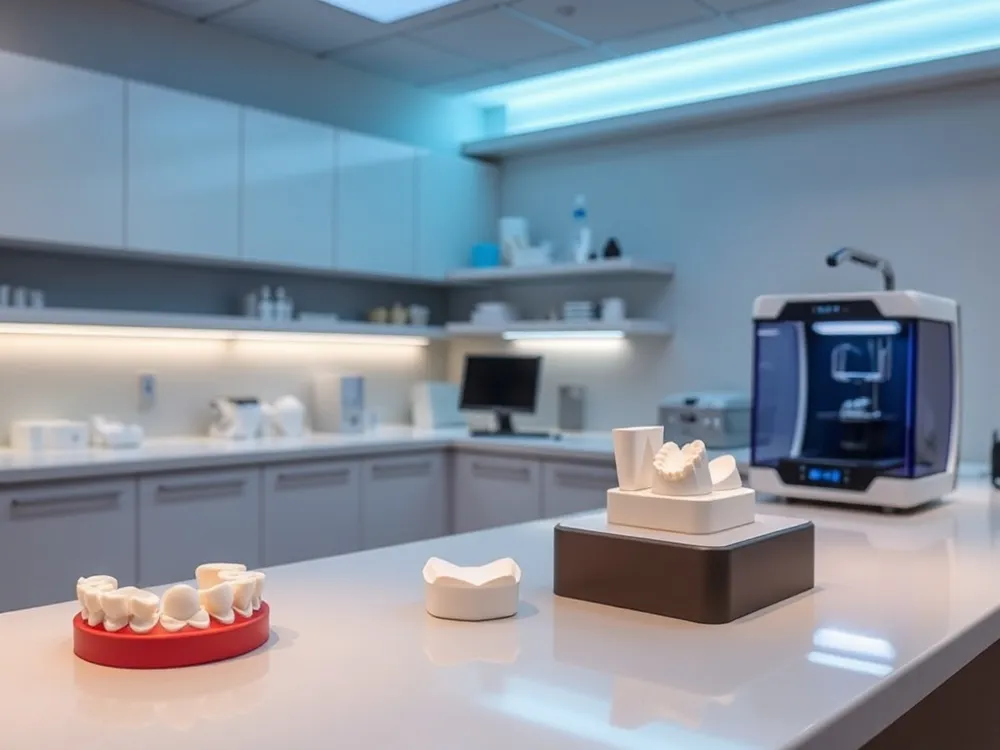
3D‑printed (digital) dentures are designed with CAD/CAM technology for an extraordinarily precise fit. This process reduces the trial-and-error phase, leading to fewer adjustments and a more predictable outcome. These dentures can be fabricated rapidly, often cutting production time from weeks to days.
Flexible dentures, made from thermoplastic resin like nylon, offer a softer, more comfortable fit. They can move slightly with natural gum tissue, which improves comfort and creates a more secure fit compared to rigid older models. This design also avoids visible metal clasps, providing a more aesthetic option for partial dentures.
Lightweight zirconia dentures are crafted from high-strength ceramic that mimics the translucency and shade of natural teeth. This material is exceptionally durable and stain-resistant, offering a long-lasting, natural-looking solution. Zirconia is often used for implant-supported restorations due to its strength.
| Denture Type | Key Material | Primary Benefit | Common Use Case |
|---|---|---|---|
| 3D‑Printed (Digital) | Acrylic resin (CAD/CAM milled) | Precise fit, fewer adjustments | Full and partial dentures |
| Flexible (Cold‑cure) | Thermoplastic resin (nylon) | Soft, comfortable, no metal clasps | Partial dentures |
| Lightweight Zirconia | High-strength ceramic | Natural look, durable, stain-resistant | Implant-supported frameworks |
How do digital impressions and AI planning improve denture comfort?
The use of intra-oral scanners replaces messy impression materials with high-resolution 3-D scans. This provides greater accuracy and comfort for the patient, creating a digital model that is far more precise than traditional molds. This precision directly reduces friction, pressure points, and gum irritation.
AI‑driven planning tools can analyze these digital scans and CBCT (3-D bone imaging) data to recommend optimal denture designs and identify potential issues. This allows clinicians to design suction-free denture bases that create a natural seal without adhesives. The result is a more stable, comfortable prosthesis that feels lighter in the mouth and requires less post-delivery adjustment. This technology-driven workflow helps ensure the denture fits securely from the start.
Budget‑Friendly Alternatives to Traditional Full Dentures
What are the most affordable alternatives to traditional dentures?
For patients seeking a lower-cost option, flexible cold-cure dentures offer a comfortable, gum-like material that adapts to the mouth and is less expensive than standard acrylic.
Snap-in (clip-on) denture implants use only a few small implants to retain a conventional denture base, providing improved stability at a fraction of the cost of full-arch implant-supported solutions.
Partial removable dentures are a practical choice, replacing only the missing teeth instead of an entire arch. This reduces material and lab fees while still restoring function and appearance.
While over-the-counter denture adhesives are not a replacement, they can upgrade the fit and comfort of existing dentures at a very low cost.
What are the typical costs of modern conventional dentures?
Standard acrylic full dentures typically range from $1,000 to $2,500 per arch. Partial dentures made with resin or flexible materials average between $1,500 and $1,700.
For comparison, implant-supported dentures are significantly more expensive (often $10,500 to $21,500), though they offer greater stability. Costs vary by material—acrylic is most affordable, while metal or flexible options are more—and geographic location, with urban areas generally costing more.
| Affordability Option | Approximate Cost Range | Key Benefit |
|---|---|---|
| Standard Acrylic Full Dentures | $1,000 - $2,500 per arch | Budget-friendly, widely available |
| Flexible Cold-Cure Dentures | Similar to acrylic, sometimes less | Softer, more comfortable fit |
| Partial Removable Dentures | $700 - $2,000 per arch | Replaces only missing teeth |
| Over-the-Counter Adhesives | $5 - $20 per pack | Low-cost fit improvement |
Implant‑Supported Dentures: Costs and How They Stack Up Against All‑on‑4
What Are the Typical Costs of Implant‑Supported Dentures and Snap‑in Denture Implants?
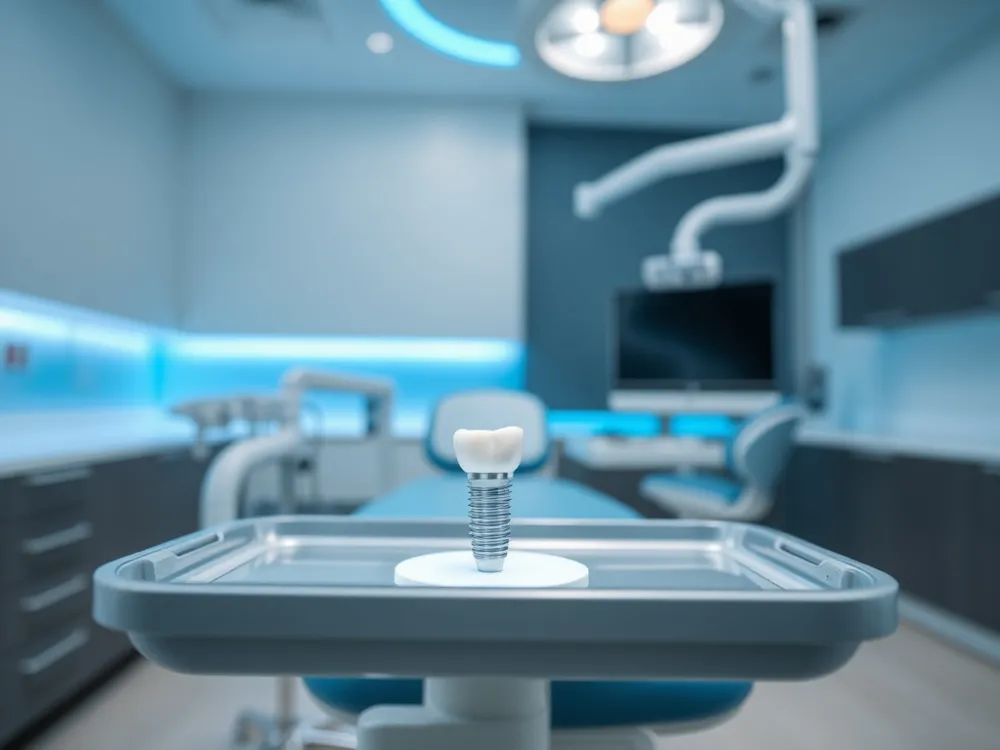
The cost of implant‑supported dentures varies by case complexity, materials, and number of implants. A full‑arch implant‑supported denture typically ranges from $15,000 to $30,000 per arch. This price usually includes implant placement, the prosthetic denture, and laboratory work.
Snap‑in (clip‑on) denture implants are often a more budget‑friendly entry into implant dentistry. Costs run about $2,000 to $3,500 per implant. Since a lower arch might need only two to four implants, the total for a snap‑in system can fall between $6,000 and $14,000 per arch, making them more accessible than a full fixed bridge.
Patients should note that dental insurance often covers a portion of the surgical phase (implant placement) but may provide limited benefits for the prosthetic (denture) component, leaving a substantial out‑of‑pocket expense for the final restoration.
How Do Implant‑Supported Dentures Compare to Traditional Dentures and All‑on‑4?
| Feature | Traditional Dentures | Implant‑Supported (Snap‑in) Dentures | All‑on‑4 Fixed Bridge |
|---|---|---|---|
| Retention | Suction or adhesive; can slip | Snaps onto 2–4 implants; stable | Permanently fixed to 4 implants |
| Surgery | None | Surgical placement (2–4 implants) | Surgical placement (4 implants) |
| Chewing Efficiency | About 25% of natural function | About 50% of natural function | Up to 90% of natural function |
| Bone Preservation | None; bone loss continues | Stimulates bone at implant sites | Full arch bone stimulation |
| Maintenance | Daily removal; frequent adjustments | Removable for cleaning; fewer adjustments | No removal; professional cleaning only |
Implant‑supported dentures are a major upgrade from conventional dentures, eliminating adhesives and the fear of slipping. They offer far better stability and chewing power while still being removable. The All‑on‑4 fixed bridge provides the highest stability and function, acting like permanent teeth, but its upfront cost is greater and requires a longer treatment timeline. For many patients, the snap‑in option represents a practical, long‑term value that avoids many drawbacks of traditional dentures without the full expense of a fixed hybrid.
When Teeth Can Be Saved: Managing Severe Bone Loss and Full‑Mouth Replacement Choices
Can a tooth with severe (≈50%) bone loss be saved, and when is extraction necessary?
Yes, modern periodontal techniques can often rescue a tooth with around 50% bone loss. Bone grafting and guided tissue regeneration are proven methods to rebuild lost bone and soft tissue, creating a stable foundation for the tooth. These procedures are most effective when the bone loss is localized and the patient maintains excellent oral hygiene and has no uncontrolled systemic conditions like diabetes.
However, extraction becomes the preferred, and often medically necessary, choice when:
- The remaining bone structure is too weak or thin for a predictable graft.
- The tooth itself is fractured, severely decayed, or has an untreatable infection below the gum line.
- The patient has health issues that significantly impair healing after a graft.
A thorough 3D imaging evaluation by a periodontist or oral surgeon is essential to determine the most predictable path for saving the tooth or recommending extraction.
What are full-mouth tooth-replacement options beyond traditional dentures and implants?
When multiple teeth are lost or need extraction, a spectrum of advanced solutions exists beyond standard removable dentures or single implants. These options restore function, aesthetics, and bone health.
Fixed Hybrid Prostheses: This is a full-arch bridge that is permanently screwed into multiple dental implants. It combines the stability of implants with the natural feel of fixed teeth. They are removable only by a dentist for cleaning and provide exceptional chewing power, mimicking natural teeth.
Precision Overlay Dentures: These are removable appliances that fit over a few remaining natural teeth or roots. They help preserve existing bone and reduce the need for extractions, offering a stable and comfortable alternative to traditional full dentures.
Implant-Supported Bridges: For replacing a few adjacent teeth, an implant-supported bridge uses two implants to support multiple crowns. This avoids altering healthy teeth, as with traditional bridges, and provides excellent stability.
Zirconia or Acrylic Full-Arch Bridges: These are custom-made, tooth-colored bridges supported by several implants. Zirconia offers superior strength and aesthetics, while acrylic is more affordable. Both are fixed in place and provide a natural-looking, functional result.
Each option has unique advantages depending on bone volume, budget, and lifestyle. A detailed consultation with a restorative dentist is the first step toward choosing the best personalized treatment plan. | Solution | Anchorage | Key Benefits | Typical Lifespan | | --- | --- | --- | --- | | Fixed Hybrid Prosthesis | Implants | Permanent, strong chewing, natural feel | 15+ years with care | | Precision Overlay Denture | Natural teeth/roots | Preserves bone, removable for hygiene | 5-10 years | | Implant-Supported Bridge | Implants | No alteration of healthy teeth, stable | 15+ years | | Zirconia/Acrylic Full-Arch Bridge | Implants | Excellent aesthetics, fixed | 15+ years |
Dentures in America: Prevalence, Patient Experience, and the Shift Away from ‘Last Resort’
How Many Americans Currently Wear Full or Partial Dentures?
Dentures are far from a rare solution. National surveys like NHANES III estimate that roughly 57% of Americans aged 65 to 74 and 51% of those aged 55 to 64 currently wear full or partial dentures. In total, about 41 million Americans rely on these prosthetics for everyday chewing and speaking. These figures show that dentures remain a common, practical, and often necessary choice, especially for older adults who have experienced significant tooth loss.
The prevalence also highlights the importance of accessible dental care. For many, dentures provide the most affordable and least invasive way to restore function and appearance. Whether full or partial, they help millions maintain a normal diet, speak clearly, and smile with confidence.
Impact of Modern Denture Technology on Confidence and Quality of Life
Today’s dentures are a far cry from the bulky, unnatural-looking versions of the past. Advances in materials—such as high-quality acrylics, flexible polymers, and lightweight metals—allow prosthetics that closely mimic the translucency of natural enamel. Digital scanning and 3D printing deliver a precise, custom fit, dramatically reducing slipping, pressure points, and gum irritation.
Patients frequently report a renewed sense of self-confidence after switching to modern dentures. They can eat a wider variety of foods, speak without fear of clicking or shifting, and enjoy social interactions without feeling self-conscious. The ability to restore facial fullness also helps prevent the “sunken” appearance associated with long-term tooth loss, contributing to a more youthful and vibrant look.
Why Dentures Remain a Viable First-Line Option
Despite the rise of implant-based solutions, full and partial dentures are still a first-line treatment for many. They are non-invasive, require no surgery, and can be fabricated in weeks rather than months. This makes them ideal for patients with medical conditions that complicate surgery or those who simply prefer a quicker, less expensive restoration.
Dentures also remain a practical choice when bone density is insufficient for implants without extensive grafting. For patients missing an entire arch, they offer a complete, functional smile at a fraction of the cost of fixed alternatives. The evidence supports their longevity: studies show that most complete dentures last at least five years, and many remain serviceable for a decade or more with proper care and regular professional adjustments.
Role of Digital Workflows and Tele-Dentistry in Expanding Access
Modern digital workflows are transforming how dentures are designed and delivered. Intraoral scanners replace messy impression materials, capturing precise 3D images of the mouth. CAD/CAM software then mills a custom-fitted prosthesis, often in a single visit. This reduces the number of appointments, shortens the adjustment period, and improves the final fit.
Tele-dentistry platforms further expand access, especially for patients in underserved areas. Remote consultations allow dentists to review digital scans, discuss treatment options, and provide follow-up guidance without requiring an in-office visit. For routine maintenance or early-stage planning, this convenience can make the difference between seeking care and postponing it.
Future Outlook for Denture Innovation
The future of dentures looks increasingly integrated with other restorative technologies. Researchers are exploring regenerative treatments that use stem cells and tissue engineering to rebuild bone and gum tissue, potentially creating a better foundation for implant-supported prosthetics. Meanwhile, materials science continues to develop stronger, more stain-resistant resins that better mimic natural tooth structure.
Artificial intelligence (AI) is beginning to assist in treatment planning, analyzing scans to recommend the most suitable denture design and identify potential issues like insufficient bone support. As these innovations mature, they will make full and partial dentures even more predictable, longer-lasting, and patient-friendly, further solidifying their role as a proactive, modern treatment rather than a last resort.
| Aspect | Traditional Dentures | Implant-Supported Dentures | Future Technologies |
|---|---|---|---|
| Prevalence | ~41 million Americans wear them | Growing rapidly, especially for full arches | Biomaterials, AI planning |
| Fit & Comfort | Digital impressions improve fit; still may need adhesive | Anchored to implants; no slipping or movement | 3D-printed bases, flexible polymers |
| Longevity | 5–10 years, with relines needed | Implants last decades; denture part may need reset | Regenerative techniques, stain-resistant materials |
| Maintenance | Nightly removal, soaking, brushing | Brushing, flossing around implants; similar to natural teeth | Self-cleaning surfaces, smart monitoring |
| Cost | Lower upfront, higher long-term due to relines | Higher initial, lower long-term maintenance | Potential for wider insurance coverage |
Embracing a Spectrum of Choices for Tooth Replacement
Modern dentistry has moved far beyond the days when a single “one-size-fits-all” appliance was the only option for missing teeth. Today, patients can choose from a spectrum of solutions that range from digitally designed full dentures and flexible partials to implant-supported bridges and fixed full-arch restorations. Each option is tailored to the patient’s specific oral health needs, aesthetic goals, and daily lifestyle, ensuring that the final result is both functional and natural-looking.
Empowering Patients to Select the Right Solution
With so many viable paths available, the choice no longer has to be a compromise between cost and quality. For example, implant-supported overdentures offer superior stability and bone preservation at a lower investment than multiple individual implants, while modern flexible partials provide a comfortable, metal-free alternative for those missing only a few teeth. The key is understanding how each option aligns with your personal priorities—whether that’s long-term durability, immediate affordability, or minimal invasiveness.
Invitation to Explore Your Options
If you have been living with loose, uncomfortable dentures or are simply exploring your tooth-replacement options, we encourage you to schedule a personalized evaluation at our Paterson practice. Our team uses advanced digital tools—including intraoral scanning, CBCT imaging, and computer-guided planning—to assess your unique anatomy and design a solution that restores both function and confidence.
Leveraging Technology for Lasting Confidence
Today’s materials and fabrication methods, such as CAD/CAM milling and 3D printing, produce prosthetics that fit better, feel lighter, and last longer than ever before. Whether you choose a refined traditional denture, an implant-anchored prosthesis, or a fixed bridge, you can expect a result that supports your overall health, revitalizes your smile, and helps you eat, speak, and laugh without hesitation.