

Introduction
Dental crowns are custom‑shaped caps that restore a damaged tooth’s strength, function, and appearance. Whether fabricated in a laboratory or chair‑side with CAD/CAM technology, a crown protects the tooth from further decay, allows normal chewing, and improves aesthetics. Patients today prioritize convenience, comfort, and predictable outcomes. Many seek fewer appointments and the elimination of uncomfortable temporary restorations, while others value the durability and material options that a traditional lab can offer. Understanding both the clinical benefits of crowns and the individual priorities—such as time constraints, aesthetic expectations, and long‑term durability—helps clinicians recommend the most suitable restoration for each patient.
Understanding CEREC Same‑Day Crowns
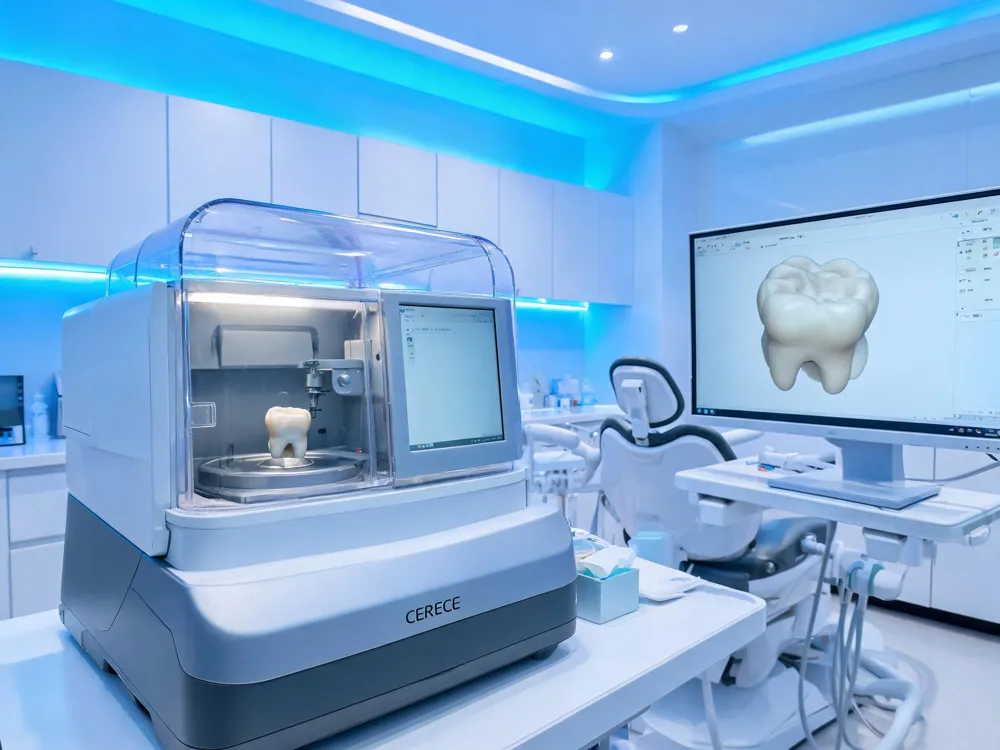 CEREC (Chair‑side Economical Restoration of Esthetic Ceramics) crowns are permanent, tooth‑shaped caps created in the dental office in a single appointment. The digital workflow begins with an intra‑oral scanner that captures a precise 3‑D image of the prepared tooth, eliminating traditional impression trays. Using CAD software the dentist designs the crown’s shape, occlusion, and shade to match adjacent teeth, then the design is sent to an on‑site milling unit. The crown is milled from a high‑strength ceramic block—often lithium disilicate or zirconia—within 15‑20 minutes, polished, and bonded directly to the tooth, so no temporary crown is needed. This process answers the question, “What are CEREC same‑day crowns and how do they work?” and confirms the feasibility of a single‑visit restoration: Yes, a crown can truly be completed in one visit when the case meets criteria such as adequate tooth structure, appropriate location, and no sub‑gingival fractures. The result is a durable, natural‑looking restoration with reduced chair time and enhanced patient comfort.
Longevity and Performance
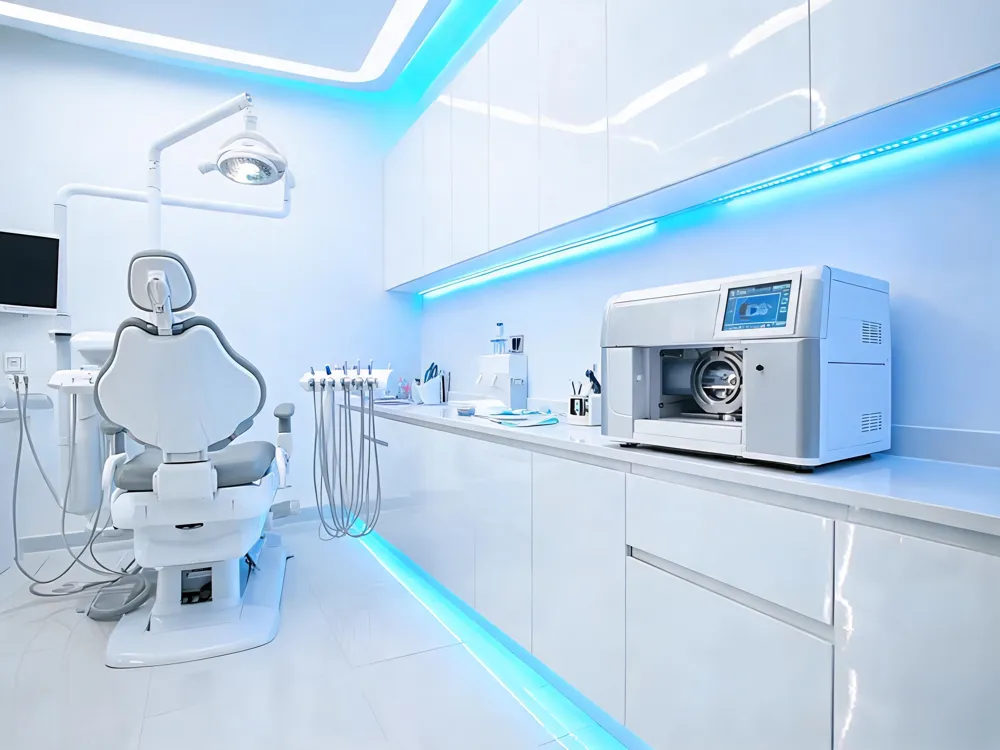
Clinical trials report 5‑year survival of 80‑98 % for high‑strength ceramics such as lithium disilicate or zirconia, and comparable results for well‑crafted lab crowns.
Durability hinges on material choice, precise digital fit, and patient habits.
Strong ceramics and accurate CAD/CAM milling preserve more tooth structure and reduce marginal gaps, while poor hygiene, bruxism, or chewing very hard foods increase fracture risk.
Regular check‑ups allow early detection of wear or decay.
In‑office crowns fabricated with CEREC meet the same strength and aesthetic standards as lab‑made restorations.
Advanced scanners and milling produce a marginal fit that rivals laboratory work, and the single‑visit workflow eliminates temporary‑crown complications.
Overall, same‑day crowns are a reliable, long‑lasting solution for most patients.
Comparing Same‑Day and Traditional Lab Crowns
 Fit and precision are critical for crown longevity. Clinical studies in the Journal of Prosthetic Dentistry report that conventional lab‑fabricated crowns often achieve a slightly more precise internal fit than chair‑side CAD/CAM milled crowns, especially when full‑mouth impressions are required. However, modern digital scanners and high‑resolution milling units now produce marginal gaps comparable to lab crowns, and the intra‑oral fit can be verified before placement.
Material options also differ. Same‑day crowns are typically monolithic ceramic (lithium disilicate or zirconia), offering excellent aesthetics and metal‑free restorations. Traditional crowns can be crafted from a broader palette, including porcelain‑fused‑to‑metal, full metal, gold, all‑ceramic, and stainless steel, allowing clinicians to match strength to bite forces and aesthetic demands.
When each is preferred depends on case complexity and patient priorities. Same‑day crowns are ideal for straightforward restorations, busy schedules, and patients who want to avoid a temporary crown. Lab crowns are favored for extensive sub‑gingival damage, high‑stress molar areas, or when nuanced shade layering is required.
Are same‑day crowns as good as traditional crowns? Yes, for many patients they provide comparable durability and natural appearance with the convenience of a single visit, though lab crowns may offer a more precise fit and greater material versatility for complex cases.
Are same‑day crowns more expensive than traditional ones? Costs are similar, typically $1,200–$1,800 per tooth, but same‑day crowns can be slightly more cost‑effective by eliminating lab fees and extra appointments. Insurance coverage varies, so discuss options with your dentist.
Patient Experience, Convenience, and Emergency Care
A single‑visit workflow with chair‑side CAD/CAM technology lets the dentist prepare, scan, design, mill, and place a permanent crown in one appointment. Because the restoration is finished on‑site, no temporary crown is needed, eliminating the discomfort, dietary restrictions, and risk of dislodgement associated with interim prostheses. Our multilingual team—fluent in English, Spanish, and Arabic—explains each step in the patient’s preferred language, ensuring clear understanding and reducing anxiety. In emergency situations, such as a cracked tooth or sudden pain, the same‑day process can restore function and aesthetics instantly, sparing the patient a prolonged wait for a lab‑fabricated crown. For acute infections, we advise the 3‑3‑3 rule: take three 200 mg ibuprofen tablets (600 mg total) three times daily for no more than three days to manage pain and swelling while you seek professional care. This temporary measure does not replace definitive treatment, and prompt dental evaluation is essential to address the underlying infection.
Practical Considerations for Choosing Your Crown
When deciding between a same‑day CAD/CAM crown and a laboratory‑fabricated crown, start with case selection criteria. Simple, single‑unit restorations with adequate tooth structure and no sub‑gingival fractures are ideal for chair‑side milling, while extensive damage, heavy bite forces, or the need for metal‑based strength often favor conventional lab crowns.
Insurance and financing options can tip the balance. Both same‑day and lab crowns are classified as restorative procedures, so most dental plans cover them, but the per‑crown cost may differ. Same‑day crowns eliminate laboratory fees and a temporary crown, potentially lowering overall expenses, while lab crowns may involve higher material fees but offer a broader range of materials for high‑stress areas.
Preserving tooth structure is another key factor. Chair‑side CAD/CAM crowns usually require less aggressive preparation, conserving healthy dentin, whereas some traditional techniques, especially those involving metal‑ceramic casting, may necessitate more reduction.
Finally, aesthetic goals should guide material choice. All‑ceramic same‑day crowns provide excellent translucency for front teeth, but lab‑crafted porcelain layering can achieve nuanced shade matching for complex cosmetic cases. Discuss these considerations with your dentist to select a crown that meets functional, financial, and visual needs.
Conclusion
Same‑day crowns offer a convenient, single‑visit solution that eliminates temporary restorations, reduces chair‑time, and provides immediate aesthetic and functional results. Digital scanning and chair‑side CAD/CAM milling deliver precise fits, preserve more natural tooth structure, and often match the strength of laboratory‑fabricated crowns for most cases. Because these benefits vary with material, tooth location, and individual oral health, patients are encouraged to discuss their options with a multilingual dental team. A clear, culturally‑sensitive conversation ensures each patient receives a personalized plan that balances convenience, durability, and appearance, leading to confident, lasting smiles.