Strength Depends on More Than Speed
A crown made in one visit is not automatically weaker, and a laboratory-made crown is not automatically stronger. Both approaches aim to protect a damaged tooth and restore its function. The result depends on more than the production timeline.
Material, fit, bite forces, the amount of healthy tooth remaining, and habits such as grinding all affect how a crown performs. A small laboratory study of temporary crowns found that strength varied by material, so its findings cannot establish which permanent crown approach is stronger in every case.
Same-day treatment can reduce waiting and appointments. Laboratory fabrication may offer a wider choice of materials and more scope for customization when a case calls for it. At davidmmayerdmd.com, crown treatment is part of a full-service practice; the appropriate option depends on an examination of the tooth and bite. Learn more about same-day crown myths and facts.
How Same-Day Crowns Are Made
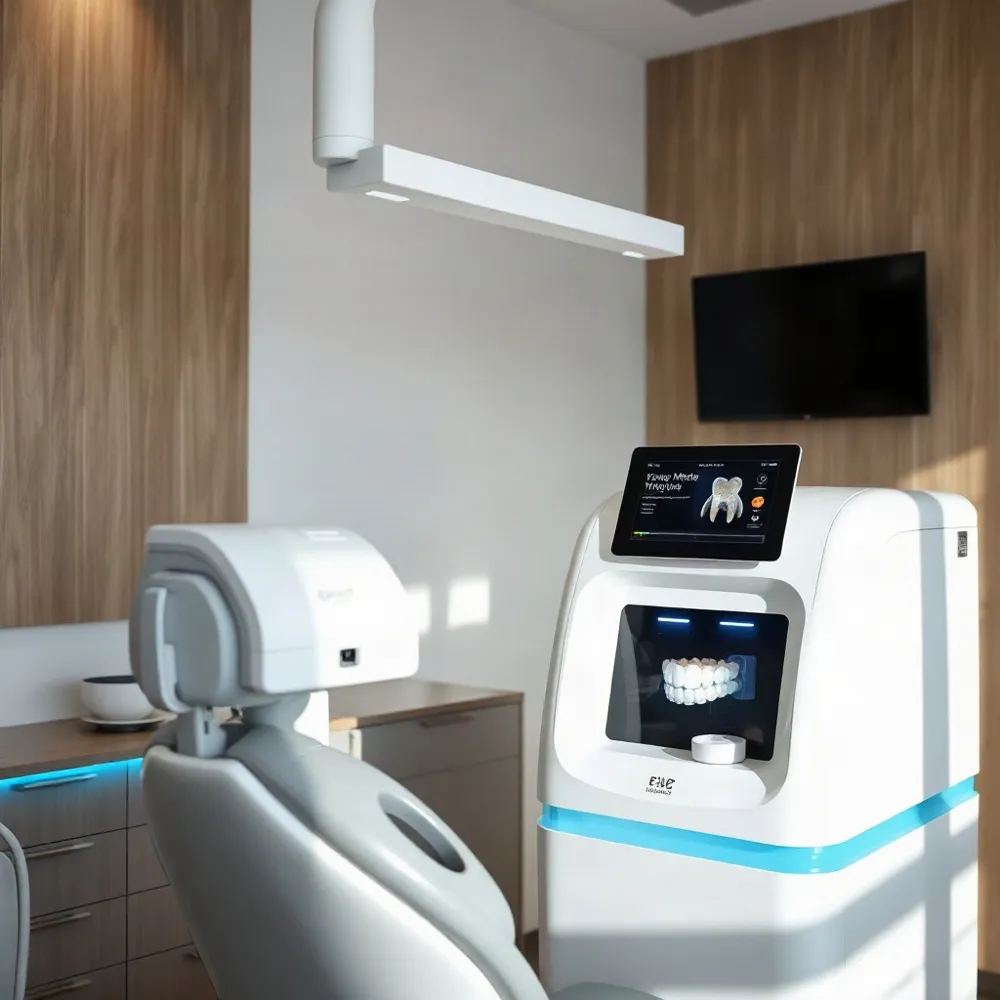 A same-day crown visit starts with an examination to confirm that a crown is suitable for the tooth. At davidmmayerdmd.com, the dentist assesses the damaged area and discusses treatment before beginning. If a crown is appropriate, the tooth is numbed, decay or damaged tissue is removed, and the remaining tooth is shaped to support the restoration.
The dentist then uses an intraoral scanner to capture the prepared tooth and nearby teeth as a digital three-dimensional model. Design software helps shape the crown to fit the tooth, meet the opposing teeth comfortably, and sit alongside neighboring teeth. This digital workflow is one way modern CAD/CAM dental restorations are produced, although the cited study examined provisional crowns, not permanent same-day crowns.
Once the design is ready, an in-office milling machine carves the crown, commonly from a ceramic block. The dentist checks the crown’s fit and appearance, bonds it to the prepared tooth, and makes bite adjustments if needed. Careful checking matters because the crown must feel comfortable as well as cover the tooth.
The appointment often takes a few hours, but the exact time depends on the tooth and the work required. A digital workflow does not make every case suitable for same-day treatment. At davidmmayerdmd.com, an examination helps determine whether the tooth can be restored predictably in one visit or needs a different approach. For more detail on the visit, see what to expect during a same-day crown appointment.
Comparing Chairside and Laboratory Crowns
Both chairside and laboratory-made crowns are designed to restore and protect a damaged tooth. The main difference is how the crown is produced and how many visits treatment usually involves.
For a same-day crown, the dentist scans the prepared tooth, designs the restoration digitally, and mills it in the office. This approach can allow the permanent crown to be fitted during the same visit, without a temporary crown or a separate placement appointment. At davidmmayerdmd.com, the dental team provides crown care alongside a broad range of family dental services, and the dentist can explain whether an in-office option suits the tooth.
With a traditional crown, the dental team sends an impression or scan to a laboratory, where a technician makes the restoration. The patient generally wears a temporary crown while the permanent one is being fabricated, then returns for placement. Laboratory work can offer a wider choice of materials and more technician-led refinement, which may be useful when a case calls for particular design details.
Neither process is automatically the better choice. Chairside production can reduce visits and waiting, while laboratory fabrication may allow more material options and customization. A 2016 laboratory study of provisional crowns compared fabrication methods, but its findings do not directly establish which permanent crown approach is stronger for a patient (study of CAD/CAM and conventional provisional crowns).
Ask the dentist to compare the expected timing, materials, and costs for your case. The recommendation should account for the tooth’s condition and the restoration needed, as well as your schedule and preferences.
Materials Shape Crown Strength
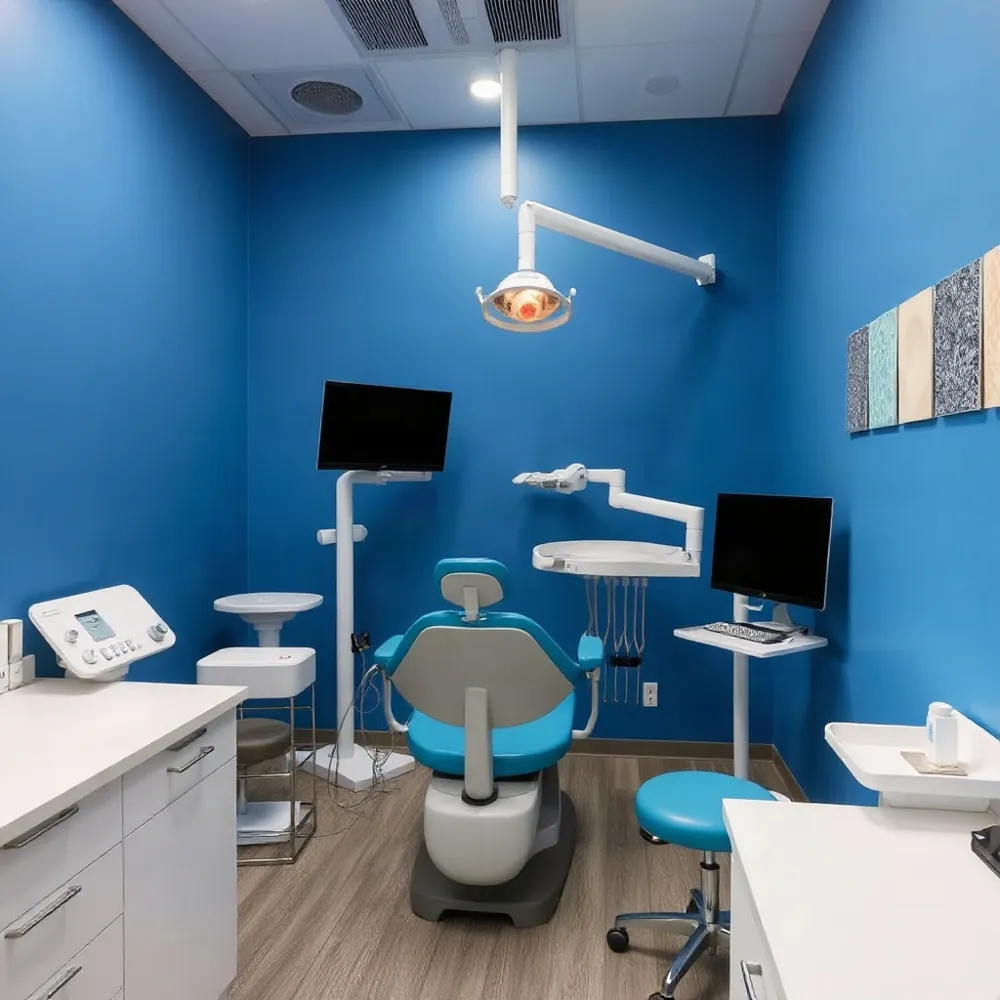 Same-day crowns are commonly milled from tooth-colored dental ceramics, such as lithium disilicate or zirconia. Which materials are available depends on the office’s technology and the needs of the case. Ceramic options for same-day crowns can differ in strength, appearance, and suitability for a particular tooth.
Laboratory-made crowns offer a broader menu that may include ceramic, zirconia, porcelain-fused-to-metal, and metal or gold alloys. Metal alloys and zirconia are generally strong choices for teeth exposed to substantial chewing forces. Porcelain-fused-to-metal combines a metal base with a tooth-colored surface, while all-ceramic options may be preferred when appearance matters.
No material is ideal for every tooth or bite. An all-ceramic crown may not be the best fit for someone with heavy grinding or unusually strong bite forces, while a metal crown may be less appealing where a natural tooth color is a priority. A dentist can weigh these tradeoffs alongside the restoration’s shape and fit.
Material names alone do not predict how a crown will perform. Tooth location, bite, grinding habits, and the amount of healthy tooth structure remaining all matter. At davidmmayerdmd.com, crown planning is part of a full-service practice that provides care ranging from routine dentistry to crowns, allowing the recommendation to reflect the patient’s dental needs and circumstances.
Durability Depends on the Individual Case
Durability Depends on the Individual Case
A well-designed same-day crown made from a suitable material and fitted properly can restore a tooth’s strength and function. The fact that it is milled in a dental office, rather than made in a laboratory, does not by itself show which crown will be stronger or last longer.
Performance depends on the crown material and fit, the tooth’s position, the forces of the patient’s bite, and how much healthy tooth remains beneath the restoration. Grinding or clenching can add stress, while gaps or a bite that feels high may affect comfort and function. At davidmmayerdmd.com, crown planning is part of a full-service dental practice that assesses each patient’s needs rather than treating the timeline as the deciding factor.
A laboratory technician may be able to tailor a crown’s shape, layering, or reinforcement when a case calls for detailed cosmetic work or more complex bite planning. That flexibility can be useful in selected cases, but it does not mean every laboratory-made crown is stronger than every chairside crown. A dentist can weigh the tooth’s condition and the patient’s goals before recommending an approach.
Research also needs careful interpretation. A 2016 laboratory study of CAD/CAM and directly made provisional crowns tested temporary restorations under controlled conditions. It found differences among the materials tested, but those results cannot establish how permanent same-day crowns compare with permanent laboratory-made crowns in everyday use.
No crown lasts indefinitely. Regular dental care, good oral hygiene, and attention to habits that place excess pressure on teeth can help protect a restoration. Ask your dentist how the tooth’s location, bite, remaining structure, and cosmetic needs affect the likely fit and long-term result.
When Laboratory Customization May Help
Same-day crowns can work well in many situations, but chairside systems commonly offer a narrower range of materials than laboratory fabrication. That is a limitation to weigh for a particular tooth, not a reason to assume every same-day crown is unsuitable.
A laboratory-made crown may be considered when a tooth needs a specialized material, added structural support, or more involved planning for the bite. A technician can also adjust the crown’s contour and layer ceramics to create subtle shade and surface details. These options may help with visible teeth where matching neighboring teeth closely is a priority.
A chairside crown can also look natural when the material, shade, and design are planned for the tooth. A 2016 laboratory study found that fit and fracture strength varied by material in CAD/CAM provisional crowns, but those temporary restorations do not establish how permanent same-day crowns compare with laboratory-made crowns study of CAD/CAM and conventional provisional crowns.
At davidmmayerdmd.com, crown planning is part of a full-service practice offering adult and family dental care in Paterson, New Jersey. Patients can ask how tooth location, bite forces, appearance goals, and case complexity shape the recommendation, and discuss options in a multilingual setting with English, Spanish, and Arabic support.
Useful questions include whether the tooth needs a particular material, how the crown will meet the opposing teeth, and whether a laboratory technician’s added customization would address a specific concern. The dentist can explain the tradeoffs for your tooth rather than treating speed or fabrication method as the only deciding factor.
Planning for Cost and Long-Term Care
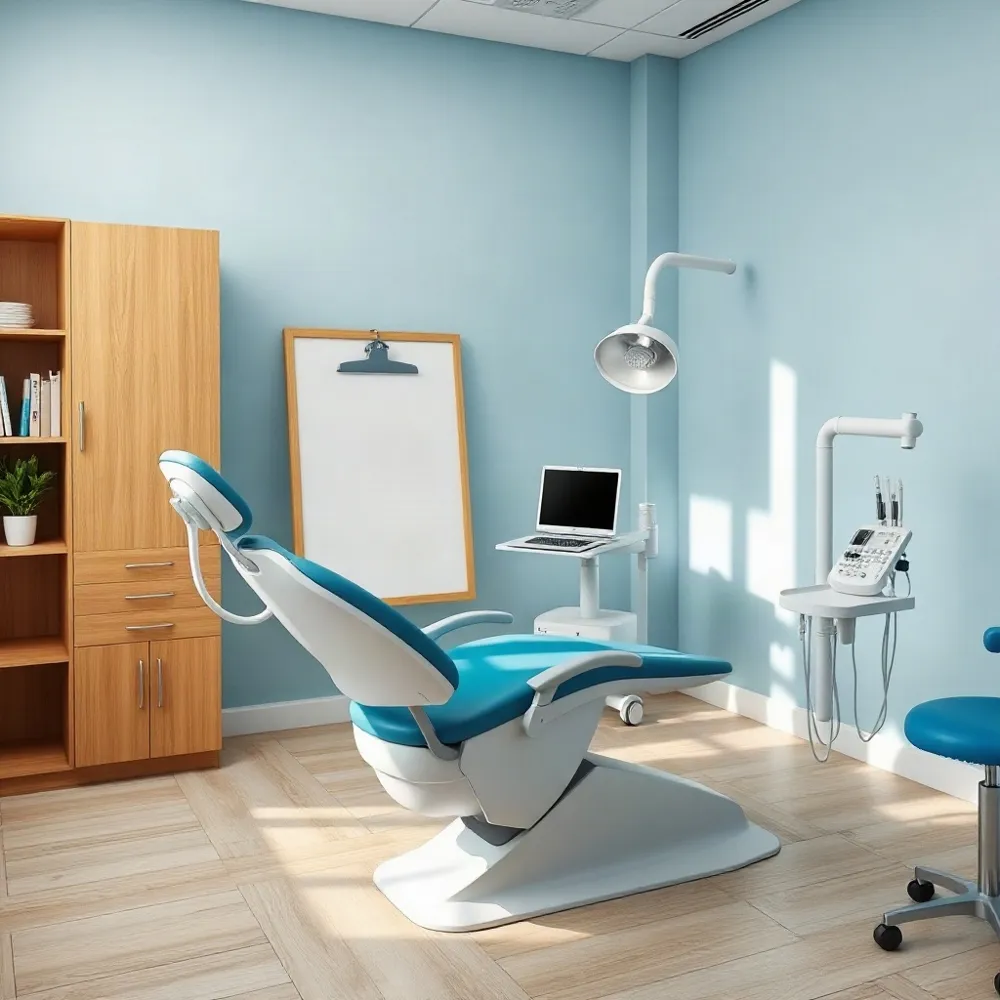 A crown’s price depends on factors such as location, material, the condition of the tooth, case complexity, dental technology, and practice fees. A broad estimate is about $800–$2,500 per tooth, but this is not a local quote or a guaranteed price. For more context on dental crown costs, remember that the final estimate depends on the treatment plan.
Same-day crowns are not always more expensive than laboratory-made crowns. Digital scanning and in-office milling affect the cost, while fewer visits may reduce practical burdens such as travel or time away from work. Materials and insurance terms can also change what you pay. At davidmmayerdmd.com, the Paterson practice offers a range of dental care, and patients can ask the team to explain an estimate and review expected out-of-pocket costs before choosing a crown.
Insurance may cover either type of crown, but benefits vary by plan. Ask the dental office for a written treatment estimate, then confirm coverage, deductibles, and any limits with your insurer. Comparing the full expected cost, rather than assuming one fabrication method is cheaper, can make the decision clearer.
Same-day crowns often last about 10 to 15 years, and some last longer with proper care, though no lifespan is guaranteed. Durability depends on the crown’s material and location, bite forces or grinding, and the health of the tooth and gums. The clinical evidence on CAD/CAM crowns includes laboratory testing of provisional crowns, so it should not be treated as proof of long-term performance for every permanent same-day crown.
Brush and floss daily, keep regular dental checkups, and avoid chewing ice or other hard objects. If a crown feels loose, becomes painful, or chips or cracks, contact a dentist promptly for an assessment. Regular follow-up can help identify fit or bite concerns before they cause further trouble.
Choose for the Tooth, Not the Timeline
Neither a same-day crown nor a laboratory-made crown is automatically stronger in every situation. The right choice depends on the tooth, the material, and how the restoration is designed and fitted.
Before deciding, ask your dentist about the tooth’s condition and remaining structure, your bite and any grinding habits, material options, appearance goals, costs, and schedule. An examination can help show which approach is likely to protect the tooth and feel comfortable when you chew.
At the Paterson practice of David M. Mayer, DMD, crown care is part of a broad range of dental services, backed by more than 40 years of experience. A conversation about your individual needs can help you choose a treatment plan with confidence.