When Tooth Pain Cannot Wait
A mild toothache may be suitable for a routine appointment, but severe or persistent pain, swelling, or a suspected abscess should prompt a call to a dental professional. A gum boil, facial swelling, or pain that makes it hard to chew can signal an infection that needs timely assessment. The Cleveland Clinic’s root canal guidance recommends prompt care for tooth pain, swelling, or a gum boil.
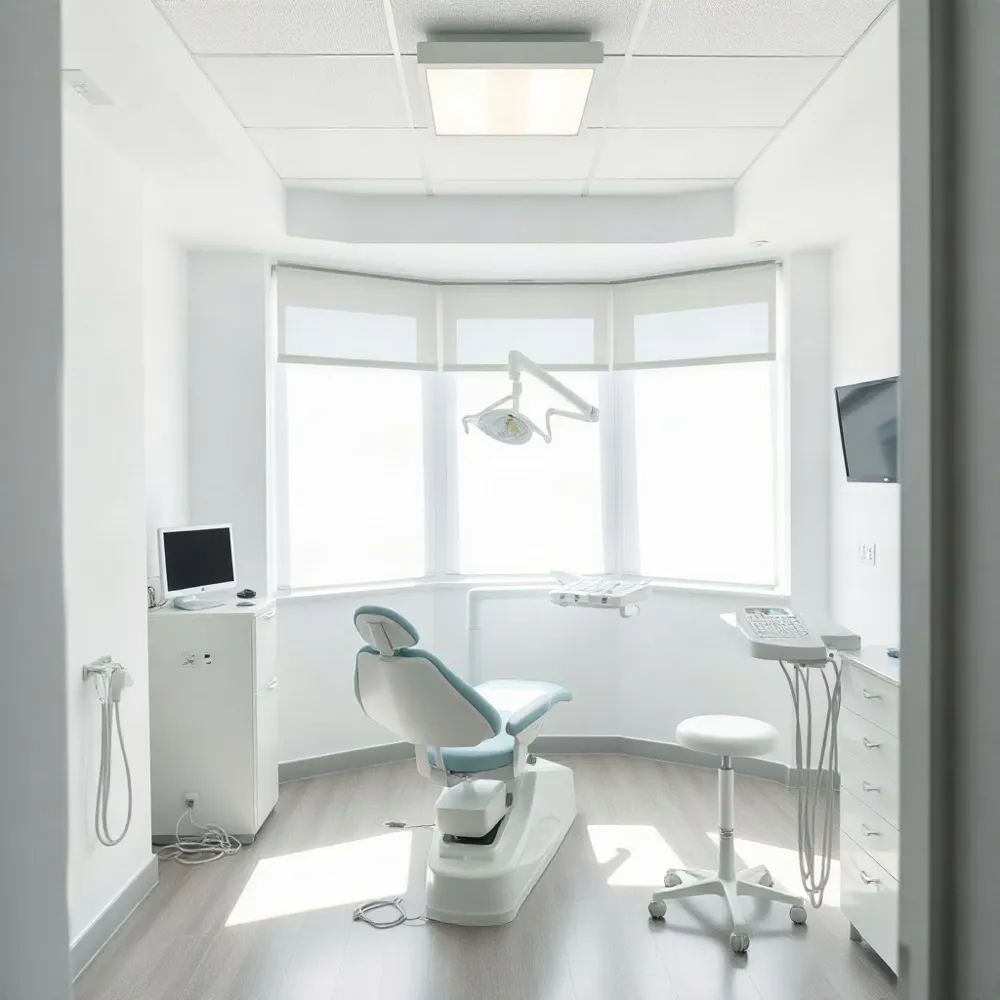
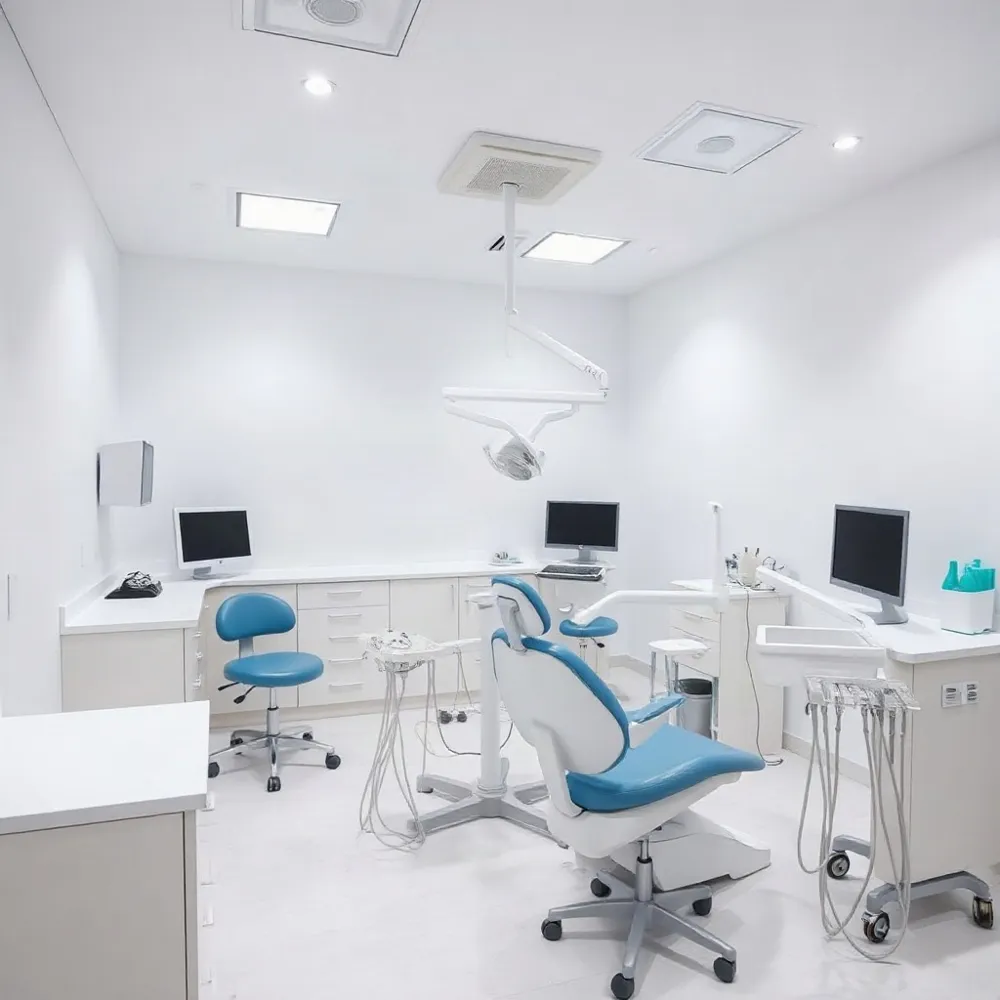
These symptoms do not confirm that you need a root canal. Cavities, cracks, and other problems can cause similar discomfort, so an examination and, when needed, dental X-rays help identify the cause. The practice at davidmmayerdmd.com offers same-day emergency treatment in Paterson, giving patients a local option for prompt assessment.
If the pulp inside a tooth is infected or damaged, root canal treatment may help preserve the natural tooth. A dentist can explain the findings and discuss appropriate care. Getting assessed promptly can ease uncertainty and help you take the next step without trying to diagnose the problem yourself.
Recognizing a Dental Emergency
 Not every urgent dental problem points to pulp damage, the soft tissue inside a tooth. Severe or persistent pain, a badly cracked or broken tooth, an abscess, or swelling in the face or jaw needs prompt dental guidance. These symptoms can have different causes, so a dentist must assess the tooth rather than relying on symptoms alone. Learn more about common signs of pulp infection.
Other problems also call for quick attention, including a knocked-out or partly dislodged tooth, uncontrolled bleeding, a deep cut to the mouth or lips, or a lost or broken crown, filling, or other restoration. A knocked-out tooth needs care right away. For broader guidance on urgent symptoms, see how to spot the early signs of a dental emergency.
Call a dentist promptly after an injury or when pain is severe. Describe where and when the pain began, any swelling or fever, and what happened. David M. Mayer DMD’s practice in Paterson offers same-day emergency treatment, alongside routine and restorative dental care.
Rapidly spreading swelling, trouble breathing or swallowing, a serious facial injury, or feeling severely ill calls for emergency medical care. Go to an emergency department or call 911 rather than waiting for a routine dental appointment.
Signs of Pulp Damage
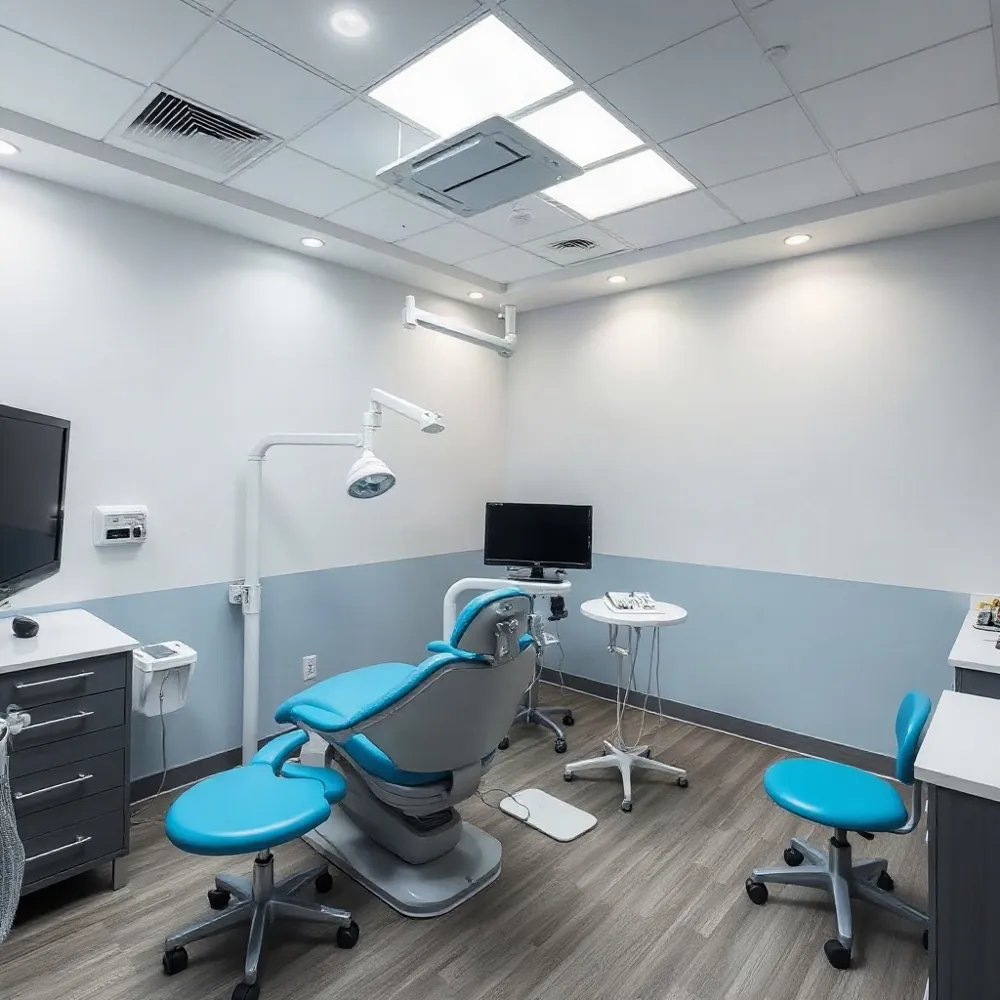 A root canal treats damage or infection inside a tooth. The dentist removes the affected pulp, cleans and disinfects the inner canals, then fills and seals them to help preserve the natural tooth. Deep decay, a crack, or an injury can damage the pulp and may lead a dentist to recommend treatment if the tooth can still be saved. The Cleveland Clinic’s overview of root canal treatment explains how the procedure is used to address infected pulp.
Possible warning signs include a persistent, throbbing, or worsening toothache; pain when biting or chewing; and sensitivity to hot or cold that lingers after the food or drink is gone. Tender or swollen gums, a small pimple-like bump that may drain, or a darkening tooth are also reasons to arrange an assessment. Significant swelling or severe pain calls for prompt contact with a dentist.
Symptoms vary, and some teeth with pulp damage cause little or no sensitivity. These signs do not prove that a root canal is needed: cavities, cracks, and other problems can cause similar symptoms. A dentist can examine the tooth, take X-rays, and use other tests to identify the cause and discuss appropriate care. At davidmmayerdmd.com, patients can access root canal assessment as part of a full-service dental practice in Paterson, including same-day emergency treatment.
After treatment, a crown may be recommended to protect the tooth and restore its function. The dentist’s assessment determines whether a crown or another restoration is appropriate. Learn more about root canal therapy and discuss any symptoms with a dental professional rather than trying to diagnose them at home.
How Dentists Choose Treatment
To decide between a filling and a root canal, a dentist checks how far decay or damage has reached and whether the pulp, the soft tissue containing nerves and blood vessels, is healthy. Symptoms offer clues, but they cannot confirm a diagnosis on their own.
Assessment may include examining the tooth and gums, taking X-rays, testing the tooth’s response to temperature, and gently tapping or checking the bite. These findings help the dentist understand the tooth’s condition; no single test necessarily determines the treatment.
When decay is limited to the outer layers and the pulp remains healthy, a filling may be suitable. If the pulp is irreversibly inflamed or infected, a root canal may be recommended to treat the inside of the tooth and preserve it when possible. Some teeth with significant decay cause little or no pain, so symptoms alone can be misleading. Root canal treatment is one option for repairing and saving a badly damaged or infected tooth.
The dentist also considers whether enough healthy tooth structure remains for a lasting restoration. At davidmmayerdmd.com, a full-service Paterson practice offering routine and restorative care, the treatment plan can account for both the condition of the tooth and how it can be restored.
Treatment and Early Recovery
 A root canal visit usually begins with an examination and dental X-rays to assess the tooth. The dentist numbs the area, opens the tooth, removes the affected pulp, then cleans and seals the canals. A filling or temporary restoration closes the opening; a crown may be needed later to protect the tooth. This process can preserve a damaged tooth rather than remove it, as explained in the Mayo Clinic’s guide to root canal treatment.
Local anesthetic is used, and modern treatment often causes little discomfort during the procedure. You may feel pressure or movement, but tell the dentist if you feel pain so they can address it. In Paterson, root canal therapy is among the services offered at davidmmayerdmd.com, a full-service practice that also provides same-day emergency treatment.
An appointment often takes about 60 to 90 minutes, though some treatments take longer or require more than one visit. The time depends on the tooth, the number of canals, and the extent of infection or damage. A crown may require a later appointment. The Cleveland Clinic’s root canal overview describes the procedure and recovery.
After the anesthetic wears off, mild tenderness around the tooth or soreness in the jaw may last for a few days and generally improves within about a week. Follow your dentist’s aftercare instructions and avoid hard chewing on the treated tooth until it has a permanent restoration, particularly if a temporary filling or crown is in place.
Call the dental office if pain is severe, worsens, lasts longer than expected, or returns, or if swelling develops or your bite feels uneven. An emergency dentist may be able to begin treatment or arrange follow-up, so call ahead to ask what care is available. Hospital emergency departments generally do not perform root canals, but seek emergency medical care for swelling that affects breathing or swallowing.
Warning Signs After Treatment
Some tenderness for a few days can be part of normal healing after a root canal. Pain that becomes severe or worsens, hurts when you bite, or spreads toward your jaw or face should be checked by a dentist. The Cleveland Clinic’s root canal guidance also advises contacting your provider if pain worsens after treatment.
Call your dentist promptly if gum or facial swelling increases, or if you notice a pimple-like bump, pus or other drainage, a persistent bad taste, or a treated tooth that darkens. Fever, chills, unusual fatigue, swollen lymph nodes, or difficulty opening your mouth also need prompt assessment. These symptoms can have causes other than infection, so an examination is needed to identify what is happening. The team at David M. Mayer DMD’s Paterson practice provides same-day emergency treatment alongside routine and restorative care.
For severe pain or swelling, contact your dentist for guidance, follow your post-treatment instructions, and take medication only as directed and if it is safe for you. Do not try to drain a swollen area or rely on home remedies to treat a possible infection. Rapidly spreading swelling or difficulty breathing or swallowing requires immediate emergency medical care.
When Infection Returns
A tooth can become infected months or years after a root canal, although many treated teeth remain healthy. Bacteria may get back into the tooth through new decay, a crack, or a loose or damaged restoration. In some cases, a narrow or complex canal may have been difficult to clean completely. Learn more about how a treated tooth can become infected again.
Possible signs include renewed pain, swelling, a persistent bad taste, or drainage from the gum. Some problems cause little discomfort, and symptoms may ease temporarily even though the source of infection remains. The Cleveland Clinic’s overview of root canal treatment notes that worsening pain after treatment should be reported to a dental provider.
A dentist or endodontist can examine the tooth and take X-rays to assess the infection and whether the tooth can be restored. Treatment may involve reopening the tooth, cleaning and disinfecting the canals, then refilling and sealing them. If infection persists around the root tip, root-end surgery may be considered; extraction may be needed if the tooth is too damaged to save. The Mayo Clinic’s guide to root canal treatment describes root canals as a way to repair and preserve a damaged or infected tooth.
Antibiotics may be part of care in some situations, but they do not remove infected material inside the tooth or replace treatment of its source. Contact a dentist promptly if symptoms return rather than waiting for them to worsen. At David M. Mayer DMD’s Paterson practice, same-day emergency treatment is available alongside restorative care, so patients can seek an assessment when a treated tooth becomes painful or swollen.
A Prompt Call Is a Good First Step
Severe tooth pain, swelling, pus, or worsening symptoms after treatment deserve prompt dental guidance. If swelling spreads rapidly or you have trouble breathing or swallowing, seek emergency medical care immediately. These signs can indicate an infection that needs urgent attention.
When you call, describe what you feel, when it began, and whether symptoms are changing. The team at David M. Mayer DMD offers same-day emergency treatment in Paterson, though availability depends on the situation. An in-person examination is needed to decide whether a root canal or another treatment is appropriate. Timely assessment can address the problem and may help preserve the tooth when possible.