Finding Clarity in Modern Orthodontics
The demand for discreet orthodontic solutions has risen as more patients seek ways to align their teeth without the visual impact of traditional hardware. Unlike fixed appliances, clear aligners utilize custom-formed, nearly invisible shells to move teeth incrementally. This modern approach offers a balance of aesthetics and functionality, making it a preferred choice for many adults and teens aiming to improve their oral health.
Technological advancements have moved beyond simple corrections, allowing for the treatment of various malocclusions, including crowding and bite issues. However, the expertise of your provider remains the most significant factor in your success. At davidmmayerdmd.com, the focus centers on a comprehensive diagnosis using 3D imaging, which ensures that every movement is clinically sound. This professional oversight is vital, as the American Association of Orthodontists emphasizes that treatment planning must be tailored to individual biology rather than a one-size-fits-all model.
Despite their growth in popularity, the rise of clear aligners has introduced several myths regarding their capability and application. Understanding the science behind these tools is essential for any patient considering clear aligner therapy. By separating fact from fiction, you can better prepare for a treatment journey that delivers both a confident smile and lasting structural health.
Comparing Clear Aligners and Traditional Braces
 Selecting the right orthodontic appliance involves weighing your personal aesthetic preferences against the specific clinical requirements of your smile. Both clear aligners and traditional metal braces are proven tools for correcting alignment, yet they function through different mechanical processes to achieve results.
How do clear aligners differ from traditional braces in terms of effectiveness and patient experience?
Clear aligners and traditional braces both effectively address a wide range of orthodontic needs, though they offer distinct patient experiences. Traditional braces, which use fixed brackets and wires, are often considered highly effective for complex tooth movements and do not require patient compliance in terms of daily wear. In contrast, clear aligners provide a discreet, removable option that is nearly invisible, making them a popular choice for adults seeking aesthetic treatment. While aligners offer greater convenience for oral hygiene, they depend heavily on the patient’s commitment to wearing them for the prescribed 20 to 22 hours each day per AAO guidelines. Ultimately, the best choice depends on your specific dental goals, and consulting with an orthodontic professional can help determine which option is best suited for your unique smile.
A comprehensive clinical assessment is essential to determine the most predictable path to alignment. While some patients may prefer the aesthetic advantages of aligners, others with more severe skeletal or bite discrepancies may find that fixed appliances provide the necessary control for complex movements. Because clear aligners allow for removal, they offer excellent freedom for eating and brushing, but this requires an active commitment to daily wear cycles to move teeth through their planned sequence. Treatment plans are customized based on individual diagnostic data, ensuring that the chosen method aligns with both lifestyle and healthy dental outcomes.
| Feature | Clear Aligners | Traditional Braces |
|---|---|---|
| Visibility | Near invisible | Fixed hardware |
| Removal | Removable | Fixed |
| Hygiene | Easier access | Requires tools |
| Compliance | High required | Passive |
Tailoring Treatment to Individual Orthodontic Needs
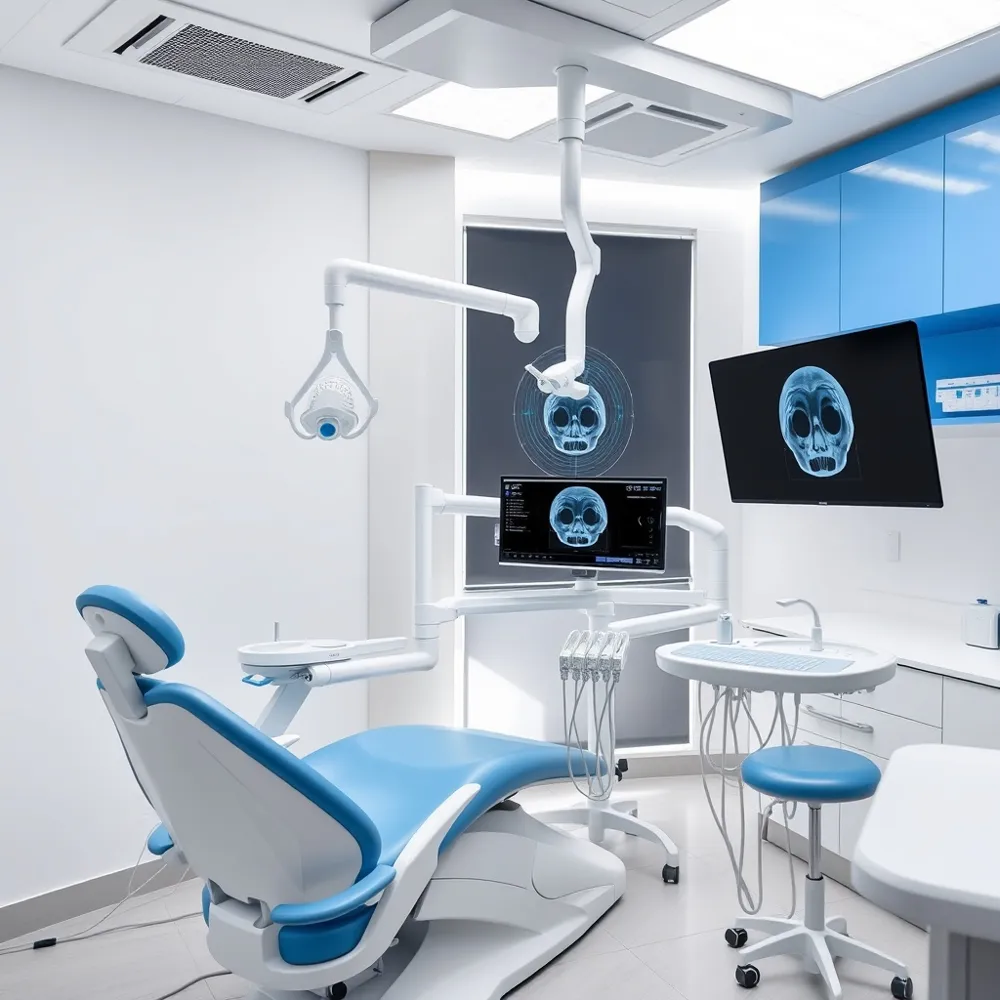 Selecting an orthodontic appliance involves more than just aesthetic preference. While many patients gravitate toward the convenience of removable trays because of their discreet appearance, clear aligners are not a universal solution suitable for every dental condition. The effectiveness of any treatment depends heavily on an accurate diagnosis by a qualified professional who can evaluate your unique bite through X-rays, clinical models, and 3D imaging.
Are clear aligners universally recommended by dental professionals, or are there specific cases where traditional braces are preferred?
Clear aligners are not universally recommended for every patient because the best choice depends entirely on your specific clinical requirements. Although these trays are excellent for many mild to moderate alignment issues, they may not provide the necessary force for complex movements such as significant root paralleling or severe rotation correction, as noted in scientific literature. When faced with such intricate bite misalignments, your orthodontist may recommend traditional braces because fixed hardware offers a more consistent and powerful mechanism for shifting teeth into challenging positions.
At davidmmayerdmd.com, we prioritize a comprehensive assessment to determine whether a removable appliance or fixed braces will provide the most efficient result for your long-term oral health. Since each mouth presents a different set of challenges, our team compares the precision needed for your specific case against the known capabilities of various systems. We encourage you to schedule a consultation at davidmmayerdmd.com to review your options, as the professional expertise guiding your treatment is ultimately more important than the specific tool used to achieve your results.
Daily Management and the 30-Minute Rule
 Effective orthodontic care using Clear Aligners depends heavily on patient compliance. Because these devices are removable, their success is entirely tethered to the time they spend actively applying force to your teeth. To stay on track with your planned movement schedule, you must wear your trays for 20 to 22 hours every single day.
What practical adjustments should patients expect when transitioning to clear aligner treatment, such as the 30-minute rule?
Incorporating the 30-minute rule into your daily routine is a clinical necessity for long-term health. While it is tempting to brush and reinsert your aligners immediately after a meal, it is beneficial to wait approximately 30 minutes before cleaning your teeth and putting the trays back in. During this short window, your saliva works to naturally neutralize the acidity levels in your mouth, allowing your tooth enamel to effectively re-harden after exposure to food and beverages.
This waiting period is emphasized because it prevents the trapping of food acids and bacteria against your teeth. When patients ignore this step and seat their aligners immediately after consuming acidic or sugary items, they inadvertently create an environment that encourages decay and potential staining. While traditional fixed appliances like metal braces remain a constant fixture, clear aligners offer you the flexibility to maintain a normal diet, provided you practice the disciplined hygiene that ensures your treatment remains efficient and safe.
Understanding Potential Risks of Aligners
While Clear Aligners are an effective and discreet way to straighten your smile, patients may experience some initial discomfort or tooth sensitivity as teeth shift into new positions. Dr. Mayer and his team at davidmmayerdmd.com prioritize patient comfort, and while temporary jaw soreness or, in rare cases, complications related to the temporomandibular joint (TMJ) can occur, they are typically manageable with professional guidance. Unlike traditional fixed metal appliances, which can cause significant soft tissue irritation, aligners are made of smooth material that reduces such risks.
What are the common potential side effects or disadvantages associated with using clear aligners?
Maintaining excellent oral hygiene is essential during your treatment. Because aligners cover your teeth, trapped food particles or bacteria held against the enamel might lead to gum irritation or an increased risk of tooth decay. It is crucial to remove aligners for every meal and ensure teeth are spotless before reinsertion, a best practice consistently emphasized by the staff at davidmmayerdmd.com. This proactive approach differs from traditional braces, which require specialized tools to clean around fixed wires.
Some patients may also notice minor changes to their bite as teeth move. Infrequently, research indicates the possibility of root resorption, where the roots of the teeth shorten during orthodontic movement, though this can occur with both fixed braces and aligners per PMC7018497. The key to mitigating these concerns lies in consistent professional monitoring. At davidmmayerdmd.com, our team provides the ongoing oversight necessary to ensure your tooth movement remains safe and predictable throughout your entire SureSmiles journey.
Investment Factors and Financial Considerations
Approaching your journey to a straighter smile often involves careful budgeting. When evaluating the total investment, many patients find that clear aligners sit at a price point comparable to traditional orthodontic hardware. While costs typically range from $3,000 to $7,000, expenses vary based on case complexity, treatment duration, and geographic location. In contrast, traditional braces often range from $2,500 to $7,500. At davidmmayerdmd.com, we prioritize transparency regarding these costs, ensuring you understand the value behind your chosen path.
What factors influence the cost of clear aligner treatment, and how does it generally compare to the cost of traditional braces?
Your final investment reflects several specific variables beyond the appliance type itself. The primary drivers include the severity of the malocclusion requiring correction and the resulting duration of your treatment plan. Because traditional braces are fixed, they are occasionally more budget-friendly for highly complex, long-term cases, whereas aligner systems rely on precision fabrication that accounts for the overall investment. Dental insurance providers often treat both methods equally, offering similar coverage structures to support your decision.
Accessibility remains a top priority at davidmmayerdmd.com. We recognize that orthodontic care is a significant commitment, which is why we guide patients through insurance verification and offer flexible payment plans. By focusing on your unique clinical needs, we help you navigate the financial landscape of braces vs clear aligners with confidence. Our team works to ensure that achieving your improved smile is both manageable and tailored to your specific financial situation.
Long-Term Success with Invisalign Comprehensive
Achieving a lasting, healthy smile requires not only initial alignment but also the flexibility to make adjustments as your teeth shift into their final positions. At davidmmayerdmd.com, we prioritize long-term results by offering treatment options designed for comprehensive care. While many orthodontic paths focus on a fixed timeline, Invisalign Comprehensive provides an extended framework to ensure we reach the exact goal established during your digital planning phase.
What is the 5-year rule associated with Invisalign Comprehensive treatment?
The 5-year rule acts as a safeguard during your orthodontic transformation. This specific plan includes coverage for refinements and additional aligner sets for up to five years from your treatment start date. This depth of support is a departure from more rigid traditional appliances, which require manual adjustments as noted by the AAO. By choosing a plan with these provisions, you gain the peace of mind that comes from knowing your investment remains protected, even if your teeth require minor, unexpected tuning over time.
Refinements are a standard part of the process, ensuring that your final bite and smile appearance align with the 3D-modeled targets. Because Invisalign utilizes precise digital mapping to predict every incremental movement, these additional trays allow us to address any resistance to movement or minor discrepancies that arise during the final stages of treatment. Our practice uses this oversight to keep your progress on track, meaning you are never left with an unfinished result.
Supervision vs At-Home Aligner Services
When considering clear aligner options, it is essential to prioritize the significant clinical benefits of provider-supervised treatment over the risks associated with at-home, direct-to-consumer services. The American Association of Orthodontists advises against using direct-to-consumer, mail-order aligner services because they lack the necessary in-person exams and diagnostic imaging required to ensure patient safety.
What should patients consider regarding the reliability of at-home or online clear aligner services compared to provider-supervised treatment?
Professional care includes critical diagnostic steps, such as in-person examinations and X-rays, which are necessary to identify underlying issues like gum disease, bone health, or tooth decay before treatment begins. Without direct dental oversight, patients face a higher risk of complications and limited recourse if their treatment plan fails or if the company ceases operations. At davidmmayerdmd.com, your provider offers essential, ongoing monitoring to ensure teeth move safely and predictably throughout the process. Choosing a practice with a focus on personalized care ensures you receive treatment that prioritizes your long-term oral health rather than relying on automated remote platforms that may overlook complex anatomical needs.
Your Path to a Confident, Healthy Smile
Achieving an ideal smile goes beyond choosing between Clear Aligners or fixed hardware. Success depends on an accurate diagnosis by a qualified practitioner who understands your unique dental biology. While online services offer convenience, the American Association of Orthodontists emphasizes that professional oversight is essential to navigate complex tooth or jaw movements safely.
At davidmmayerdmd.com, our Paterson, NJ team provides personalized treatment plans built on decades of experience rather than one-size-fits-all digital templates. We prioritize your long-term oral health by combining state-of-the-art technology with a compassionate approach, ensuring you receive the precise care required for your specific needs. Whether you are exploring options for yourself or your family, our commitment is to provide a comfortable and transparent journey to better dental health.
We invite you to reach out to our office to schedule a comprehensive consultation. Let us review your goals and determine the path that is most effective for your smile.