

Why Diabetes Matters in Dental Emergencies
Diabetes affects roughly 34 million Americans, about 10.5 % of the population, making it one of the most common chronic conditions seen in dental offices. Poor glycemic control manifests in the mouth as xerostomia, burning sensations, candidiasis, gingivitis and advanced periodontitis, and it delays wound healing after extractions, implants or periodontal surgery. Because hyperglycemia weakens immune defenses and hypoglycemia can be triggered by stress or fasting, emergency dental visits require extra safeguards. Staff should verify blood‑glucose levels, have rapid‑acting carbs and glucagon ready, schedule short morning appointments after a regular meal, and coordinate with the patient’s physician to adjust medications. These precautions reduce infection risk, promote faster recovery, and ensure safe, compassionate care for diabetic patients in urgent situations and improve overall health outcomes.
Understanding Diabetes and Its Oral Manifestations
 Definition and Types of Diabetes
Diabetes mellitus is a chronic metabolic disorder characterized by elevated blood glucose (hyperglycemia). It is most often divided into type 1 (autoimmune destruction of pancreatic β‑cells, 5‑10 % of cases) and type 2 (insulin resistance combined with relative insulin deficiency, 85‑90 % of cases). Both forms can lead to systemic complications that manifest in the oral cavity.
Definition and Types of Diabetes
Diabetes mellitus is a chronic metabolic disorder characterized by elevated blood glucose (hyperglycemia). It is most often divided into type 1 (autoimmune destruction of pancreatic β‑cells, 5‑10 % of cases) and type 2 (insulin resistance combined with relative insulin deficiency, 85‑90 % of cases). Both forms can lead to systemic complications that manifest in the oral cavity.
Common Oral Signs Patients with uncontrolled diabetes frequently present with xerostomia (dry mouth), burning mouth sensation, increased susceptibility to candidiasis, gingivitis, and advanced periodontitis. Impaired wound healing is another hallmark, resulting in prolonged recovery after routine procedures and a higher risk of dry‑socket formation after extractions.
Impact of Poor Glycemic Control Elevated HbA1c levels (>7 %) correlate with a higher prevalence and severity of periodontal disease, reduced salivary flow, and delayed tissue repair. Hyperglycemia diminishes neutrophil function and nitric‑oxide production, compromising blood flow and increasing infection risk. Conversely, hypoglycemia (≤70 mg/dL) can occur during dental visits, especially when insulin peaks or meals are missed.
Dental Management of Diabetic Patients PPT A typical PowerPoint presentation starts by defining diabetes and distinguishing its types, then outlines oral complications such as xerostomia and periodontitis. It emphasizes assessing glycemic control via HbA1c, scheduling short morning appointments, and preparing a hypoglycemia protocol (15‑20 g oral carbohydrate, re‑check after 15 min, EMS if unconscious). Coordination with the patient’s physician is stressed for medication adjustments and safe surgical planning.
Diabetes Tooth Extraction Complications Extraction in diabetic patients carries increased risks: delayed socket healing, higher infection rates, and potential dry‑socket formation due to impaired angiogenesis and reduced nitric‑oxide. Blood glucose should be ≤180 mg/dL (fasting) or ≤234 mg/dL (random) before the procedure. Post‑operative antibiotics, meticulous oral hygiene, and close glucose monitoring are essential to mitigate complications and promote successful healing.
Blood Glucose Targets for Safe Dental Procedures
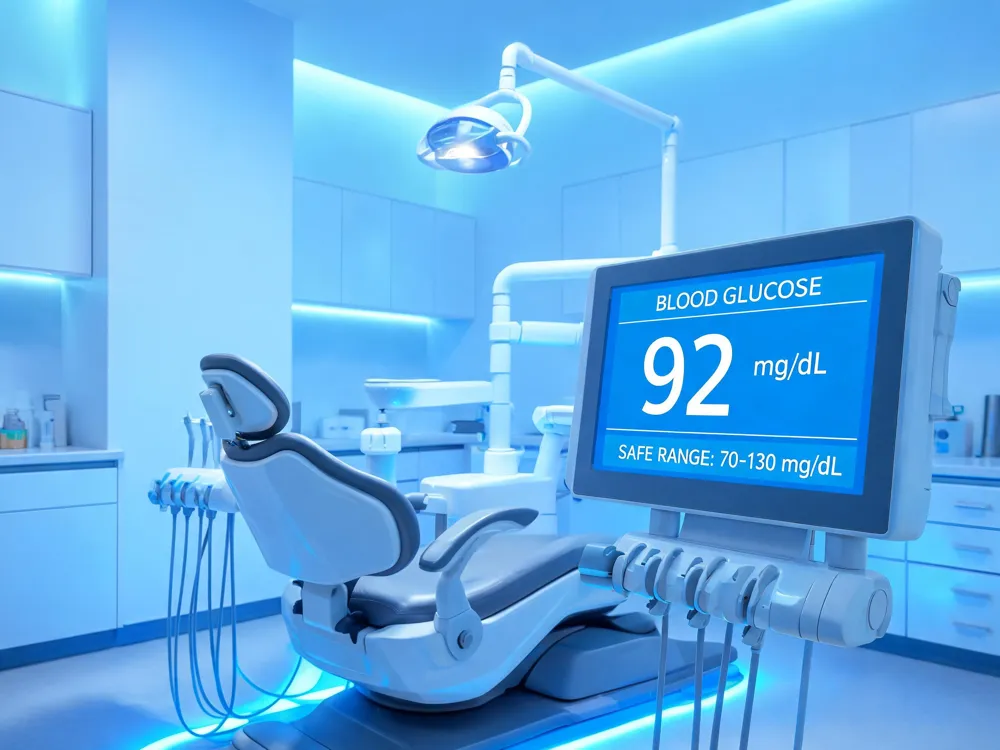 Dental professionals must verify that a diabetic patient’s blood‑glucose level falls within a safe window before any invasive work.
Recommended fasting and random glucose ranges – For most procedures, a fasting glucose of 80–130 mg/dL (or a random level <180 mg/dL) is considered optimal. Values above 180–200 mg/dL increase the risk of infection and delayed healing, especially for extractions and implant placement.
HbA1c thresholds for elective and emergent care – An HbA1c < 7 % is the gold‑standard for elective surgery; many clinicians accept up to 8 % for urgent or emergent care after physician clearance. Values >8 % often warrant postponement of non‑emergency work until glycemic control improves.
Coordination with physicians before invasive treatment – The dentist should obtain recent HbA1c and glucose readings, discuss medication timing (especially insulin), and, if needed, adjust dosing with the patient’s endocrinologist or primary‑care doctor.
Safe blood sugar level for tooth extraction – Aim for glucose < 180 mg/dL on the day of extraction, preferably in the 80–130 mg/dL fasting range, with an HbA1c < 7 %.
What should your A1C be for dental surgery? – Target HbA1c < 7 % for most surgeries; if 7‑8 % is present, close coordination with the physician is required.
Safe A1C levels for dental treatment – Below 7 % for routine care; up to 8 % may be acceptable for more invasive procedures with physician approval.
Managing Hypoglycemia and Hyperglycemia in the Dental Office
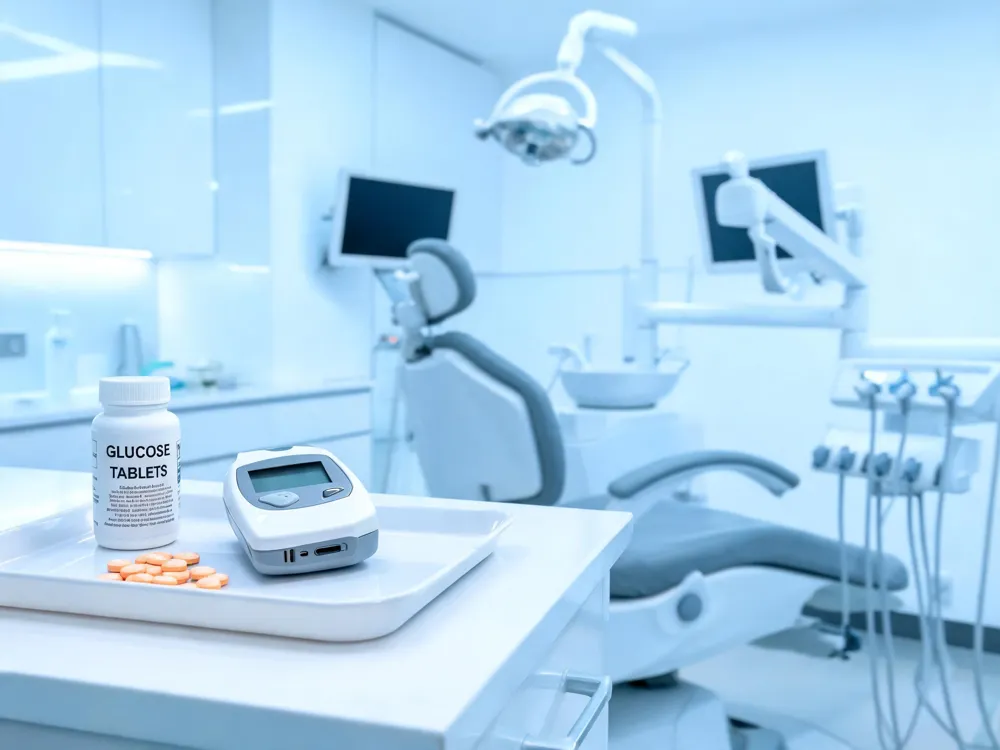 Signs of low blood sugar (hypoglycemia) include shakiness, sweating, dizziness, hunger, confusion, irritability, blurred vision, and in severe cases seizures or loss of consciousness. High blood sugar (hyperglycemia) may present with excessive thirst, frequent urination, fatigue, blurred vision, nausea, and, in extreme cases, ketoacidosis.
Emergency protocol: 1) Stop the procedure and assess. 2) Check glucose with a chair‑side glucometer. 3) If ≤70 mg/dL and conscious, give 15–20 g rapid‑acting carbohydrate (glucose tablets, fruit juice, soda). 4) Re‑check after 15 minutes; repeat until >70 mg/dL. 5) If unconscious or unable to swallow, call EMS, place supine, give 1 mg glucagon IM/SL or 50 % dextrose IV if trained. 6) Document and notify physician.
Practical Modifications for Dental Appointments
 Dental treatment modifications for diabetes begin with confirming glycemic control before any procedure. A recent HbA1c, fasting glucose, or point‑of‑care glucometer reading should be obtained, and patients should have eaten a normal meal. Morning appointments are preferred because endogenous cortisol peaks, reducing the chance of intra‑operative hypoglycemia, and they avoid periods of peak insulin activity. Staff must be trained to recognize hypoglycemia signs (sweating, shakiness, confusion) and have a written protocol: test glucose, give 15‑20 g rapid‑acting carbohydrate, re‑check after 15 minutes, and call EMS if the patient is unconscious. Local anesthetics containing epinephrine can be used cautiously; low doses are generally safe for well‑controlled diabetics, but the total epinephrine amount should be limited and vital signs monitored. Because hyperglycemia impairs wound healing and raises infection risk, prophylactic antibiotics may be indicated for invasive work, especially in patients with HbA1c ≥ 8 %. Post‑operative monitoring includes glucose checks, a soft‑food diet, strict oral hygiene, and prompt reporting of swelling, fever, or delayed healing. Coordination with the patient’s physician ensures medication adjustments and safe timing of dental care.
Local Resources and Practitioners in Paterson, NJ
 Paterson’s Broadway corridor hosts several dental practices that specialize in urgent care for diabetic patients. Morning appointments, quick glucometer checks, and on‑site glucose tablets help prevent hypoglycemia, while clinicians follow ADA protocols for hyperglycemia. Most offices employ multilingual staff (Spanish, Arabic, Hindi) and accept Medicaid, making treatment accessible to families.
Dentist Broadway, Paterson, NJ – West Broadway Dental, Abra Dental, and Comfort Dental Care all provide emergency services on Broadway, with Abra Dental also offering weekend hours. West Broadway Dental is the largest multi‑specialty clinic, with a 35‑year history and a full Medicaid panel. Abra Dental at 370 Broadway extends flexible scheduling for families. Comfort Dental Care at 599 Broadway combines digital imaging with a one‑year warranty.
Patient Empowerment and Preventive Strategies
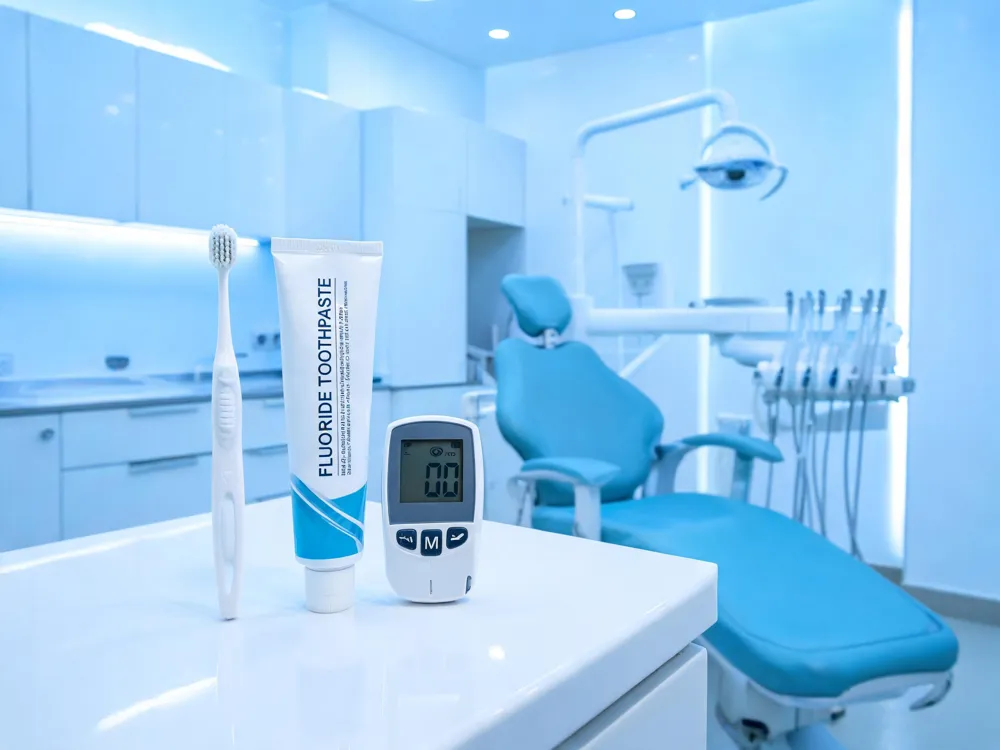 Effective oral‑hygiene routines—twice‑daily brushing with fluoride toothpaste, daily flossing, and antimicrobial mouth rinses—are the foundation for diabetics to reduce plaque‑induced inflammation. Regular periodontal therapy, such as scaling and root planing, not only treats gum disease but can lower HbA1c by 0.3‑0.5 % in type 2 diabetes, illustrating the bidirectional link between gum health and glycemic control. Self‑monitoring of blood glucose before and after appointments, combined with coordinated communication between the dentist, primary‑care physician, and endocrinologist, ensures safe scheduling (morning slots, medication timing) and timely adjustments to medication or antibiotics when needed.
How does a dentist help with type 2 diabetes? By preventing and treating periodontitis, providing professional cleanings that reduce systemic inflammation, and collaborating with medical providers to monitor HbA1c and overall health.
Diabetes and oral health articles highlight that high blood sugar heightens infection risk, while untreated gum disease worsens diabetes; regular dental care can improve both outcomes.
American Dental Association diabetes guidelines call for chair‑side glucose checks, hypoglycemia protocols, risk‑assessment tools, and referral pathways for undiagnosed patients.
Type 2 diabetes dental considerations include heightened periodontal disease risk, xerostomia, delayed wound healing, and the need to inform the dental team of all medications and glucose readings.
Key Takeaways for Safe Emergency Dental Care
- Coordinate with your medical team – Before any urgent dental visit, share recent HbA1c values, medication lists, and recent glucose trends with your dentist and primary‑care physician or endocrinologist. This collaboration lets the clinician adjust insulin timing, prescribe prophylactic antibiotics if needed, and confirm that you are medically cleared for the procedure.
- Maintain stable blood glucose before appointments – Aim for a reading between 70‑180 mg/dL (or 100‑200 mg/dL for longer procedures). Schedule morning appointments after a normal meal, avoid peak insulin times, and bring a glucose log and monitoring device to the office.
- Know the emergency protocol for hypoglycemia – If glucose drops ≤70 mg/dL, the staff should stop treatment, check the level with a glucometer, give 15‑20 g of rapid‑acting carbohydrate (e.g., glucose tablets or juice), re‑check after 15 minutes, and repeat until >70 mg/dL. Unconscious patients require glucagon or IV dextrose and immediate EMS activation.