Introduction to Dental Crown Materials
Definition and Purpose of Dental Crowns
Dental crowns are custom-made caps designed to cover and restore damaged teeth. They protect weak or cracked teeth, restore shape and function, and improve aesthetics. Crowns are also used to cover dental implants and teeth treated with root canals, providing strength and durability.
Variety of Materials Available
Dental crowns are made from various materials, each offering different benefits. These include metal alloys (such as gold, palladium, nickel, and chromium), porcelain, ceramic, porcelain-fused-to-metal (PFM), zirconia, lithium disilicate (E-max), and composite resins. Temporary crowns often use acrylic or aluminum.
Importance of Material Choice Based on Individual Needs
Selecting the appropriate crown material depends on factors like the location of the tooth, aesthetic preferences, bite force, budget, and sensitivities or allergies. For example, metal crowns are strong and suited for back molars, while porcelain or ceramic crowns provide a natural look ideal for front teeth. Proper material choice ensures durability, functionality, and patient satisfaction.
Common Types of Dental Crowns and Their Material Composition
What are the different types of dental crowns and their materials?
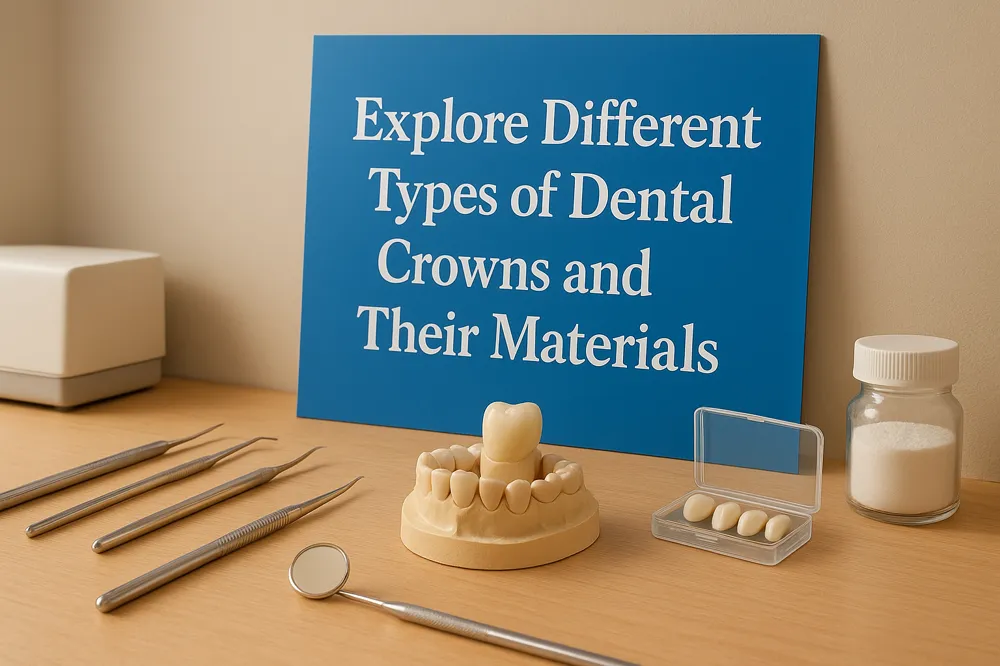
Dental crowns are crafted from various materials tailored to specific needs in strength, aesthetics, and durability. Here’s an outline of the most common types:
-
Metal Crowns: Made from gold, palladium, nickel, chromium, or other metal alloys, these crowns are renowned for their exceptional strength and long-lasting durability. They are typically chosen for molars where the chewing force is greatest. While highly durable, metal crowns are less natural-looking.
-
Porcelain and Ceramic Crowns: These crowns are favored for their natural appearance that closely mimics tooth enamel, making them ideal for front teeth. Porcelain crowns are known for their translucency and biocompatibility. Ceramic crowns provide a natural look but can be more prone to chipping.
-
Porcelain-Fused-to-Metal (PFM) Crowns: These combine a strong metal base with a tooth-colored porcelain exterior, offering a balance of durability and aesthetics. However, they may display a dark line near the gum margin over time due to metal exposure.
-
Zirconia and E-Max Crowns: Zirconia crowns are highly durable, nearly as strong as metal, and tooth-colored, suitable for both front and back teeth. E-Max crowns, made from lithium disilicate ceramic, are prized for their exceptional aesthetics and translucency, particularly for visible front teeth. Both types provide a contemporary blend of strength and natural appearance.
-
Resin and Pressed Ceramic Crowns: Resin crowns are more affordable but less durable, often used as temporary solutions. Pressed ceramic crowns contain a ceramic core pressed under high heat with layered porcelain for enhanced aesthetics but may chip with use.
Factors influencing material selection
The choice of crown material depends largely on:
- Tooth Location: Back teeth require stronger materials like metal or zirconia, while front teeth benefit from the aesthetics of porcelain or E-Max.
- Aesthetic Preferences: Natural color matching favors ceramic and porcelain materials.
- Durability Needs: Metal and zirconia crowns offer superior longevity.
- Budget Considerations: Resin crowns are cost-effective; metal and ceramic crowns are more expensive.
- Patient-specific Factors: Allergies to metals or personal sensitivity may influence the choice.
Selecting the optimal crown material is best done through consultation with a dental professional who can assess individual clinical needs and aesthetic goals.
Comparative Advantages and Disadvantages of Key Crown Materials
Strength and durability of metal vs ceramic crowns
Full metal crowns are known for their exceptional strength and durability. They resist wear, chipping, and cracking, making them an excellent choice for back teeth that endure significant chewing forces or patients with bruxism. Ceramic crowns, while highly aesthetic, tend to be less durable and more vulnerable to chipping under heavy pressure. Zirconia crowns benefits bridge this gap by offering both strength and good aesthetics.
Aesthetic considerations for front teeth
Ceramic crowns, including Porcelain crowns for front teeth and lithium disilicate (E-max crowns aesthetic qualities), provide superior natural translucency and color matching, ideal for visible front teeth. They blend well with natural enamel, delivering a lifelike appearance. Zirconia crowns benefits also have good aesthetics but may be slightly less translucent than glass ceramics. Full metal crowns, in contrast, lack natural tooth coloration and are typically unsuitable for front teeth due to their metallic appearance.
Wear on opposing teeth and chipping risks
Metal crowns cause minimal wear on opposing teeth and rarely chip. Porcelain-fused-to-metal crowns (PFM) and ceramic crowns can chip over time, with PFM crowns also potentially causing wear on opposing teeth due to their harder surface. Zirconia crowns benefits have improved resistance to chipping and are gentler on opposing teeth compared to traditional porcelain.
Cost-effectiveness and longevity
Metal crowns generally cost between $1,000 to $3,000 and can last from 5 to 15 years with good care. Ceramic crowns are more expensive and may require replacement sooner if chipping occurs. Zirconia crowns benefits, while initially costlier, often provide longer-lasting durability, potentially balancing their expense through longevity.
Challenges such as temperature sensitivity and potential discoloration
Metal crowns conduct heat and cold, which may lead to temperature sensitivity in some patients. PFM crowns may show a dark line at the gumline if gum recession happens, affecting aesthetics. Ceramic crowns avoid these dark lines and are non-metallic, reducing allergic reactions or sensitivity but are prone to fracture under extreme forces.
| Crown Material | Strength | Aesthetic Quality | Opposing Teeth Impact | Longevity (years) | Cost Range (USD) | Specific Challenges |
|---|---|---|---|---|---|---|
| Full Metal | Very high, minimal wear | Poor, metallic appearance | Minimal wear | 5-15 | 1,000 - 3,000 | Temperature sensitivity, discoloration |
| Ceramic (Porcelain) | Moderate, prone to chipping | Excellent natural look | Can cause wear | 5-10 | Higher | Fragility under pressure |
| Zirconia | High strength and toughness | Good, less translucent | Gentle on opposing teeth | 10-15+ | Higher | Slightly opaque, adjustment difficulty |
This overview highlights the importance of balancing strength, appearance, durability, and cost when selecting Dental crown materials. Consultation with a dental professional is essential to determine the best option based on individual oral health needs and cosmetic goals.
Aesthetic Preferences and Material Suitability for Front versus Back Teeth
Which crown material is best for front teeth?
For front teeth, the primary focus is on achieving a natural appearance that closely mimics the color and translucency of natural enamel. Porcelain crowns for front teeth are widely regarded as the best choice for front teeth due to their excellent aesthetic qualities. They replicate the natural enamel's translucency and shade, making them ideal for visible, smile-enhancing restorations.
What are the benefits of Porcelain and E-Max crowns?
Porcelain crowns provide a lifelike appearance and gentle wear on opposing teeth, making them favored for front teeth. E-Max crowns aesthetic qualities, composed of lithium disilicate ceramic, combine high translucency with strength, offering a beautiful and natural look that is lightweight and durable. These crowns blend seamlessly with adjacent teeth and are resistant to staining, making them excellent for visible areas.
How suitable is zirconia for both front and back teeth?
Zirconia crowns benefits provide a versatile option due to their strong durability and acceptable aesthetics. They are strong enough to withstand biting forces on back molars yet still maintain a tooth-colored appearance, suitable for both front and back teeth. Zirconia can also be layered with porcelain for enhanced natural appearance, offering patients both strength and aesthetics.
What role do metal crowns play for molars?
All-metal crowns durability, including gold and other alloys, are the most durable, making them ideal for molars that endure significant chewing forces. While they lack the tooth-like appearance of ceramic crowns, their longevity and minimal tooth reduction requirements make them practical for back teeth where strength outweighs aesthetics.
How does material choice impact appearance and function?
The choice of Dental crown materials directly influences not only the visual outcome but also the crown's durability and the amount of tooth preparation needed. Aesthetic materials like porcelain and E-Max crowns aesthetic qualities optimize appearance for front teeth but may be less durable under heavy bite forces compared to metal and zirconia crowns. Therefore, material selection balances the need for realistic appearance with functional durability based on tooth location, patient bite force, and personal preference.
Durability, Longevity, and Cost Considerations in Crown Selection
Which crown material provides the best strength and longevity?
Zirconia crowns benefits stand out for offering the best combination of strength and natural appearance. They are extremely durable and suitable for both front and back teeth, often lasting 10–15 years or more with proper care. Gold crowns advantages, especially gold and alloy types, are also highly durable and reliable, making them a top choice for molars with substantial biting forces. Although Porcelain crowns for front teeth and E-max crowns aesthetic qualities provide excellent aesthetics, they are generally less durable and more susceptible to chipping than zirconia or metal options.
Which dental crown materials are the most cost-effective?
Metal dental crowns are generally the most cost-effective and durable, requiring less tooth removal and offering long-lasting performance. Composite resin crowns are the least expensive but tend to wear down more quickly, making them better suited as temporary solutions. Porcelain-fused-to-metal crowns balance strength with appearance and cost but may show a grey line at the gumline over time. Porcelain and zirconia crowns come at a higher price due to their aesthetic benefits and durability.
How do care and hygiene impact the lifespan of crowns?
Good oral hygiene and avoidance of hard or sticky foods significantly prolong crown life. Regular dental visits for professional cleaning and early detection of issues help maintain crown integrity. Crowns typically last 10–15 years, with some lasting over 30 years if properly cared for.
How to balance cost with durability and appearance?
Choosing a crown material requires weighing budget constraints against strength needs and cosmetic preferences. Metal dental crowns offer longevity and cost savings but lack natural aesthetics, making them ideal for back teeth. Porcelain and zirconia crowns satisfy cosmetic demands but at higher costs. Porcelain-fused-to-metal crowns provide a middle ground, offering decent appearance with strength.
What role do dental insurance and provider selection play?
Dental insurance often covers about 50% of crown costs but varies based on the plan and provider. Choosing an in-network dentist typically reduces out-of-pocket expenses. Selecting a skilled provider with a strong reputation can lead to better fitting and longer-lasting crowns, justifying potential extra costs.
| Material Type | Longevity Range | Cost Range (USD) | Strength & Appearance |
|---|---|---|---|
| Zirconia | 10–15+ years | $800–$3,000 | High strength, tooth-colored (Zirconia crowns benefits |
| Metal (Gold, Alloy) | 10–15+ years | $600–$2,500 | Very strong, less aesthetic (Gold crowns advantages) |
| Porcelain-Fused-to-Metal | 5–15 years | $500–$1,500 | Good strength and appearance (Porcelain-fused-to-metal crowns) |
| Porcelain/Ceramic | 5–15 years | $800–$3,000 | Excellent aesthetics, less durable (Porcelain crowns for front teeth |
| Composite Resin | 3–5 years (temporary) | Lowest cost | Less durable, budget option |
Innovations in Crowns: Same-Day CEREC and Advanced Ceramic Options
What is a CEREC crown and how does it differ from traditional crowns?
A CEREC crown is a dental restoration crafted from high-quality ceramic using advanced computer-aided design and manufacturing (CAD/CAM technology in dental crown fabrication). This innovation allows the entire crown creation process—from digital scanning to milling and placement—to be completed in a single dental visit. Unlike traditional crowns that require multiple appointments, physical impressions, and lab fabrication, CEREC crowns are designed digitally with precise measurements. This eliminates the need for temporary crowns and reduces overall treatment time to about two hours.
Advantages of single-visit crowns
Single-visit CEREC crowns provide significant convenience and efficiency for patients. They minimize discomfort by avoiding messy impressions and multiple dental visits. The same-day procedure reduces anxiety and the risk of temporary crown issues, such as dislodgement or sensitivity. Patients also benefit from immediate restoration of function and aesthetics, allowing them to leave the office with a permanent solution (Same-day dental crowns.
Material quality in CAD/CAM crowns
CEREC crowns utilize advanced ceramic materials renowned for strength, durability, and natural appearance. These ceramics are metal-free, providing excellent aesthetics with translucency and color matching that closely resembles natural enamel (Porcelain crowns for front teeth. The precise milling process ensures a snug fit and durability comparable to traditional crowns, supporting long-lasting oral health.
How advanced ceramics improve patient experience
Advanced ceramic crowns are biocompatible, reducing the risk of allergic reactions or sensitivity often seen with metal-based restorations. Their smooth surfaces resist plaque buildup, enhancing oral hygiene and patient comfort. The natural translucency of ceramics offers superior aesthetics, especially important for visible front teeth (Dental crowns for front teeth.
Biocompatibility and patient comfort
Because CEREC crowns are made entirely from ceramic materials, they are highly biocompatible and well tolerated by soft tissues. Patients experience less irritation and improved comfort compared to some metal-containing crowns. This improves long-term satisfaction with restorative dental care (Dental crowns overview.
In summary, the adoption of CEREC technology and advanced ceramic crowns marks a significant step forward in dental restorations, combining convenience, aesthetics, and patient-centered care.
Understanding Dental Crowns: Terminology and Common Concerns
What is the difference between a tooth cap and a dental crown?
A dental crown and a tooth cap are often used interchangeably, as both are custom-made, tooth-shaped coverings that restore damaged or weakened teeth. The main difference lies in coverage: a crown covers the entire tooth, providing full protection and strength, whereas a cap or inlay/onlay typically covers only part of the tooth surface, suitable for less severe damage. Crowns require more extensive tooth preparation and usually multiple dental visits, while caps are less invasive. Regardless of the term, both aim to improve function and appearance.
What are the disadvantages of dental crowns?
Dental crowns may cause tooth sensitivity after placement due to the removal of natural tooth structure. Ill-fitting crowns can lead to discomfort, infection risk, or loosening over time. Porcelain crowns for front teeth and Porcelain-fused-to-metal crowns may chip or crack, occasionally necessitating repairs or replacement. Crowns also represent a financial investment and typically last between five and 15 years, though proper care can extend this. Despite these drawbacks, crowns provide vital protection for damaged teeth, supporting durability and oral health.
When might a crown require replacement?
Crowns need replacement if they become damaged, worn, cracked, or no longer fit properly, leading to discomfort or increased risk of decay beneath the restoration. Regular dental checkups help identify such issues early. For more information, see Replacing dental crowns.
What is the role of dental professionals in material selection?
Dentists assess several factors—including tooth location, bite force, aesthetics, allergies, and budget—to recommend the best crown material for each patient. They guide patients through options like Porcelain-fused-to-metal crowns, metal, Zirconia crowns benefits, or hybrid crowns, ensuring durability and appearance are optimized.
What patient considerations are important when choosing a crown?
Patient allergies, especially to metals, must be disclosed to avoid adverse reactions. Comfort and aesthetic preferences influence material choice, with options like All-ceramic crowns favored for front teeth. Proper oral hygiene and lifestyle habits also play a role in crown longevity and function.