Overview of Modern Dental Services and Patient Care
Types of Dental Services Offered by Full-Service Dental Practices
Full-service dental practices provide a comprehensive range of treatments including preventive care, restorative procedures like crowns and veneers, cosmetic enhancements, and specialized services such as orthodontics and periodontics. This approach ensures patients can receive all necessary care under one roof, facilitating continuous and coordinated treatment plans.
Ensuring Accessibility and Comfort for Diverse Patient Populations
Modern dental clinics are committed to creating welcoming environments for all patients, addressing physical accessibility and reducing anxiety through gentle treatment methods and patient education. Comfort measures, such as digital impressions and same-day restorations, minimize discomfort and appointment frequency, greatly benefitting individuals with busy lifestyles or special needs.
Role of Advanced Technology in Dental Care
The integration of cutting-edge technologies like CAD/CAM systems and intraoral scanners transforms patient care by delivering precise, efficient, and high-quality restorations during a single visit. These advancements reduce treatment times, improve fit and longevity of crowns, and enhance aesthetic outcomes, revolutionizing traditional dental workflows.
Importance of Multilingual Support in Dental Practices
Providing multilingual support is essential in meeting the needs of diverse communities. It promotes clear communication between dentists and patients, improving treatment understanding, compliance, and comfort. Dental practices prioritizing language inclusion demonstrate respect and sensitivity, fostering trust and better health outcomes.
The Technology Powering Same-Day Crowns: CAD/CAM and Beyond
How CAD/CAM technology for same-day crowns Enables Same-Day Crown Fabrication
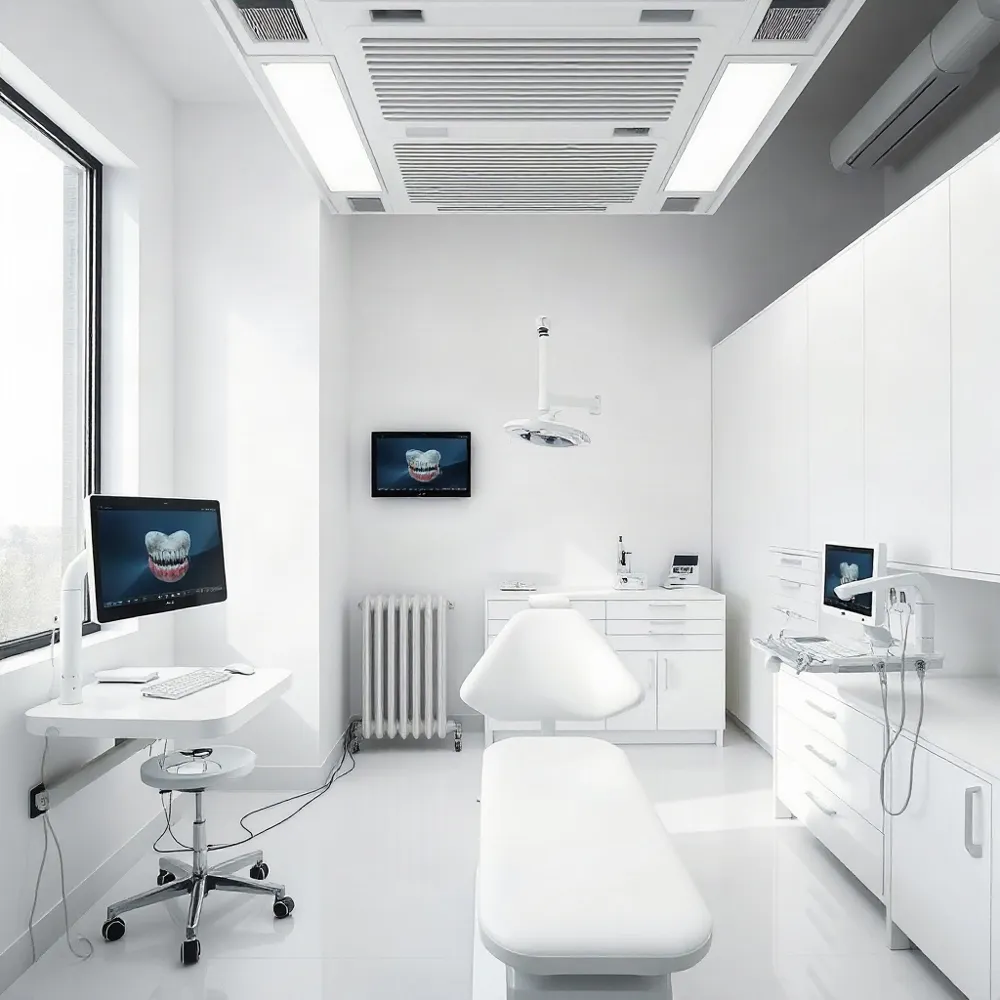
Modern dental care has been revolutionized by the integration of CAD/CAM technology for same-day crowns. This innovative system allows dentists to design and produce dental crowns in a single appointment. CAD/CAM systems streamline the crown fabrication process by enabling precise milling of crowns from high-quality ceramic blocks right in the dental office, reducing treatment time from weeks to just one or two hours.
Digital scans for virtual tooth modeling with Intraoral Scanners
The journey to a same-day crown begins with Intraoral scanners for 3D dental imaging. These devices capture high-resolution, 3D dental imaging of the patient's teeth and gums, replacing traditional, often uncomfortable impression materials. This digital scanning provides a more comfortable experience for patients and generates highly accurate models that serve as the basis for crown design.
Digital CAD software in crown design and Milling machine fabrication of crowns
Once the digital impression is captured, specialized digital scans for virtual tooth modeling creates a detailed virtual 3D model of the tooth. This model is customized to ensure the crown fits seamlessly with the surrounding teeth both functionally and aesthetically. The designed crown is then sent to an in-office milling machine that carves the restoration from a solid ceramic block. Milling typically completes within 10 to 20 minutes. After milling, the dentist checks, polishes, and bonds the crown, all within the same visit.
Materials Used in Same-Day Crowns and Their Durability
Same-day crowns are usually fabricated from high-quality ceramic and porcelain crowns materials known for their durability and natural appearance. These materials are resistant to staining and capable of withstanding biting and chewing forces, ensuring the crown's longevity, which typically ranges from 10 to 15 years with proper care. Additionally, ceramic crowns are biocompatible and metal-free, reducing the risk of allergic reactions and improving aesthetics.
What Role Does Technological advancements in dental crowns Play in Modern Dental Care?
Advanced technology enhances precision, comfort, and efficiency in dental treatments. Digital X-rays, intraoral scanners, and CAD/CAM systems improve diagnostics and prosthetic fabrication, such as same-day crowns, enabling quicker, more accurate, and less invasive procedures that benefit patient outcomes and comfort. This technological evolution allows patients to receive durable, natural-looking restorations with minimal inconvenience.
Step-by-Step Journey: From Digital Scan to Finished Crown
What are the procedure steps in same-day crown fabrication?
The process starts with a comprehensive oral examination and tooth preparation where any damaged or decayed enamel is trimmed. A digital 3D scanner for dental crowns captures accurate, high-resolution images of the prepared tooth, replacing traditional, less comfortable impression methods. This scan is used to create a precise virtual model.
How does scanning, design, milling, fitting, and cementation work?
Using CAD software in crown design, the dentist custom-designs the crown digitally to match the patient’s natural teeth in shape, size, and color. The design is sent to an in-office CAM milling machine fabrication of crowns, which carves the crown from a solid ceramic block. This milling takes approximately 10–20 minutes. After milling, the crown is carefully polished and adjusted for fit before being permanently cemented onto the tooth. The bonding material cures in minutes and gains full strength within 24 hours.
What is the typical time frame for same-day crowns?
The entire procedure—from scanning and designing to milling, fitting, and cementation—usually takes between 1 and 2 hours. This efficiency allows the patient to receive a high-quality ceramic crown that is durable and natural-looking in just a single visit.
How does this compare to traditional crown fabrication workflows?
Traditional crowns typically require multiple appointments spaced over weeks, including tooth preparation, taking physical impressions, lab fabrication, and fitting with temporary crowns in between. In contrast, same-day crowns utilize digital technology and CAD/CAM dental crowns manufacturing on-site, eliminating temporary crowns, reducing patient discomfort, and speeding up treatment with no need for multiple visits.
Additional benefits include reduced risk of errors and bacterial contamination with same-day procedures, along with the advantage of a custom fit matched precisely to the patient’s anatomy and aesthetics.
| Step | Description | Time Estimate |
|---|---|---|
| Oral Exam & Prep | Tooth trimming and preparation | 20-30 minutes |
| Digital Scanning | 3D intraoral scan of prepared tooth | 5-10 minutes |
| Digital Design | CAD design of crown | 10-15 minutes |
| Milling & Finishing | CAM milling from ceramic block, polishing | 15-20 minutes |
| Fitting & Cementation | Try-in, adjustment, and permanent bonding | 10-20 minutes |
Craftsmanship and Materials: Ensuring Longevity and Aesthetics

Ceramic Materials Like Porcelain and Zirconia
Same-day crowns are commonly fabricated using high-quality ceramic materials such as Porcelain and zirconia crowns. These materials are chosen for their strength, biocompatibility, and ability to closely mimic the translucency and color of natural tooth enamel. Zirconia, in particular, is highly regarded for its outstanding durability and aesthetic appeal, making it a preferred choice in restoring both function and appearance.
High-Quality Materials Mimicking Natural Tooth Enamel
The ceramics used in same-day crowns are carefully milled and shaded to match surrounding teeth, creating restorations that blend seamlessly with a patient’s smile. Advanced CAD/CAM technology for same-day crowns aids in selecting and reproducing precise shades and shapes, delivering crowns that look natural and lifelike.
Durability and Lifespan of Same-Day Crowns
With proper oral hygiene and care, ceramic crowns fabricated through same-day technology typically last between 10 to 15 years or longer. Their resistance to chipping, cracking, and staining contributes to their long-term success and patient satisfaction.
Artistic Steps Taken for Color Matching and Natural Appearance
Beyond technology, the artistry involved in crown fabrication is critical. Skilled ceramists apply multiple layers of porcelain, using hand-painting and firing techniques to replicate tooth textures and gradations of color. This meticulous workmanship ensures the crown not only fits perfectly but also achieves a natural and aesthetically pleasing appearance. Learn more about the high-temperature firing benefits.
What advantages do patients gain from choosing a dental practice with extensive experience, such as over 40 years?
Dental practices with over 40 years of experience offer expert craftsmanship and refined materials selection, ensuring precisely tailored crowns. Their expertise guarantees restorations that balance durability with beauty, giving patients confident smiles supported by personalized and trusted care.
Patient-Centered Practices: Enhancing Comfort and Access
What are the benefits of removing traditional impression materials?
Modern dental practices have adopted Intraoral scanners for 3D dental imaging that create precise 3D digital images of the teeth, replacing Dental impression process that many patients find uncomfortable and messy. This advancement reduces gag reflex triggers and eliminates the need for physical molds, enhancing patient comfort during dental procedures.
How do reduced appointments and no temporary crowns improve patient experience?
Technologies like CEREC® CAD/CAM Technology allow crowns to be designed, milled, and placed in a single visit lasting about 1 to 2 hours. This innovation removes the need for multiple appointments and Temporary Crown Alternatives, which can cause sensitivity or fall off. Patients benefit from convenience, less chair time, and prompt restoration of tooth function and aesthetics.
Why is multilingual support important in a dental practice?
Multilingual support in dental practices ensure clear communication across language barriers, vital for explaining diagnoses and treatment plans accurately. This fosters patient trust, reduces misunderstandings, and improves adherence to care recommendations. Providing compassionate, culturally sensitive care is essential to delivering equitable dental services in diverse communities.
How does flexible scheduling and comprehensive family dental care enhance accessibility?
Offering appointment times that accommodate busy lifestyles, alongside services for both children and adults, creates a welcoming environment for entire families. This comprehensive approach streamlines dental visits, promotes routine care, and builds lasting patient relationships founded on convenience and trust.
Patient-centered dental practices combine advanced digital technologies and empathetic service to create accessible, comfortable care environments. The integration of High-Quality Ceramic Crowns, Advantages of same-day crowns, multilingual communication, and family-focused scheduling reflects a commitment to patient well-being and superior dental outcomes.
Comparing Same-Day and Traditional Crowns: Efficiency Meets Quality
Differences between lab-fabricated and same-day crowns
Traditional crowns are typically made in dental laboratories over multiple appointments, involving physical impressions, temporary crowns, and waiting periods of weeks. In contrast, Same Day Crowns use CAD/CAM technology for same-day crowns to digitally scan, design, and mill a crown in a single dental visit, eliminating the need for temporary restorations.
Benefits of digital design and milling
Digital impressions captured with Intraoral scanners for 3D dental imaging enhance comfort by removing the need for messy molds and provide highly accurate 3D models. Digitally Designed Dental Crowns allows for precise customization of the crown's shape, size, and color, while Milling machine fabrication of crowns carve durable ceramic crowns on-site. This process reduces errors, improves fit, and delivers natural aesthetics comparable to lab-created crowns.
Cost and time savings for patients
Although same-day crowns may have higher upfront costs, they save patients significant time by completing treatment within 1 to 2 hours. Eliminating multiple visits and temporary crowns reduces discomfort and inconvenience, making same-day crowns especially suitable for busy individuals. The long-term durability (10 to 15 years) ensures cost-effectiveness through fewer adjustments or replacements. For more on Cost and Insurance Benefits, see detailed resources.
Suitability of same-day crowns for various dental conditions
Same-day crowns are ideal for restoring chipped, fractured, decayed, or worn teeth and after root canal treatments. However, complex cases such as severely broken teeth below the gum line might still require traditional lab crowns. The advanced materials and Technological advancements in dental crowns make same-day crowns a reliable option for many restorative dental needs.
Are same day crowns as good as lab crowns?
Same-day crowns created with CAD/CAM technology for crowns offer comparable durability and aesthetics to traditional lab crowns. They provide precise fit, reduce treatment time, eliminate temporary crowns, and enhance patient comfort. While initial costs can be higher, the overall savings in time and reduced appointments make them an efficient and reliable choice for many dental restorations. For a comprehensive comparison, check out Same Day Crowns and CAD/CAM Technology.
The Future of Dental Restorations: Combining Technology with Patient Care
The Future of Dental Restorations: Combining Technology with Patient Care
Same-day crown technology offers significant benefits including single-visit treatment, precise fit through digital scanning, and the elimination of temporary crowns, enhancing patient convenience.
Success in this modern approach relies on the experience of dental professionals and the use of advanced CAD/CAM tools, ensuring durable and natural-looking results.
Moreover, the commitment to patient comfort—through minimal invasiveness and efficient procedures—makes these restorations accessible to a broad range of patients, supporting overall dental health and satisfaction.