A Same-Day Way to Protect a Tooth
A CEREC crown can restore a damaged tooth in one visit: the dentist takes digital images, designs the crown on a computer, then makes and fits it in the office. A crown covers and protects a weakened, broken, or badly worn tooth, helping restore its shape and support biting.
At David M. Mayer, DMD & Associates in Paterson, NJ, CEREC crowns are made during a single visit when the tooth and treatment plan are suitable. Read about the office’s same-day CEREC dental crowns. A same-day option can mean fewer appointments, but it does not mean every case is quick or right for CEREC.
The dentist first examines the tooth, its supporting gums, and your bite. The amount and location of damage can affect the choice of treatment. A crown may be considered for a badly cracked tooth or one with extensive decay, while a small chip may need a smaller repair. The general dental crown procedure also includes checking the fit and bite before the crown is secured.
If the tooth needs more treatment first, or its condition makes a lab-made crown a better fit, the dentist can explain the options. The goal is to choose a restoration that protects the tooth and suits your needs, not simply the fastest process.
What a Crown Can Restore
 A dental crown is a tooth-shaped cap that covers a damaged tooth and helps support it during chewing. Dentists may recommend one for a tooth with a large filling, a significant fracture, or substantial loss of tooth structure. Learn more about CEREC same-day crowns available at David M. Mayer, DMD & Associates in Paterson, NJ.
Can a dentist put a crown on a cracked tooth?
Often, yes, if the crack has not reached too far below the gumline or into the root. The dentist examines the tooth and may take X-rays to see how far the damage extends. A small chip or shallow crack may need only a smaller repair, such as bonding or an inlay, rather than a crown.
A deeper crack, decay below the gumline, or too little healthy tooth left to support a crown may call for another approach. Infection may need treatment first, and gum health, bone support, the tooth’s location, and the way your teeth meet when you bite can all affect the plan. A crown is not guaranteed to save a tooth; the recommendation follows an individual exam.
When might a tooth not be suitable for a crown?
A crown may not be suitable if the tooth has too little sound structure to hold it, the crack extends deep into the root, or the gums and supporting bone need attention. If infection is present, the dentist may recommend treating it before deciding on a final restoration. At David M. Mayer, DMD & Associates, the dentist assesses the tooth and discusses whether a crown or other care makes sense.
A prompt exam can clarify what is happening, especially if a tooth is cracked, painful, or sensitive. Bring a list of any changes you have noticed, such as pain when biting or sensitivity to temperature, so you can discuss them during your visit.
How the Same-Day Process Works
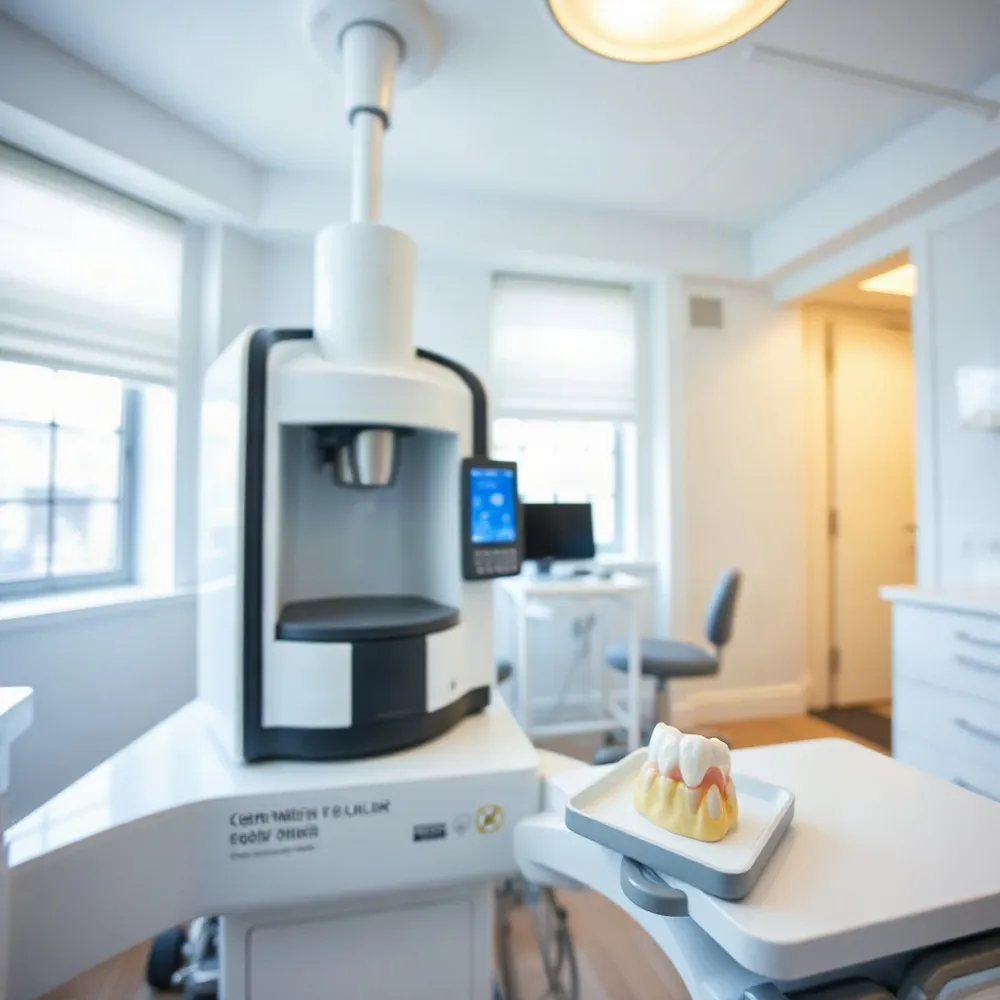
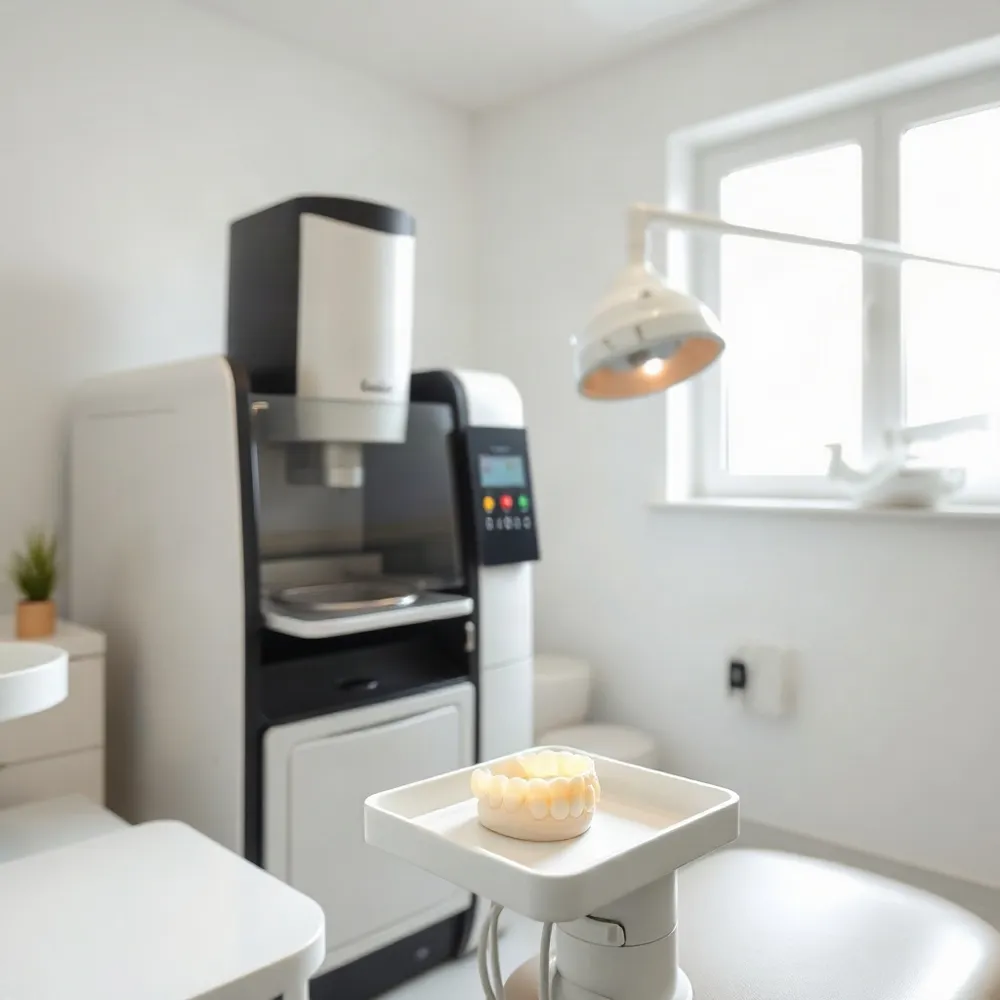
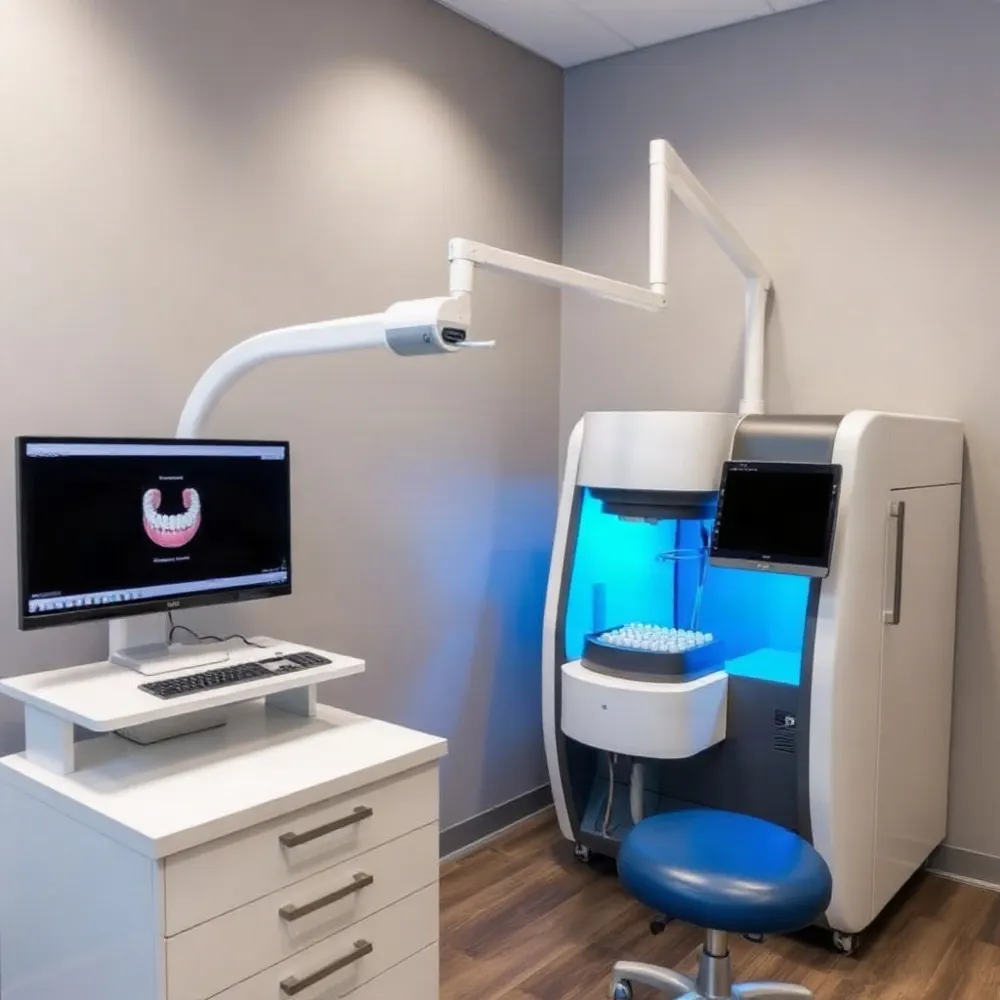 CEREC is a way to design and make a ceramic crown in the dental office. It can be placed during the same visit. At David M. Mayer, DMD & Associates in Paterson, CEREC same-day crowns are made in one visit when appropriate for the tooth.
The visit begins with an exam and preparation of the tooth. The dentist then takes digital images of the prepared tooth and nearby teeth. These scans replace impression trays in this process, and the dentist guides the crown design and checks that it fits the patient’s needs.
Next, the design is sent to an in-office machine that mills the crown from a ceramic block. Milling is one step in the process, not the full appointment.
Once the crown is made, the dentist checks how it fits and meets the opposing teeth. Any needed adjustments are made before the crown is bonded in place. Patients booking at the Paterson office should ask how much time to set aside, since the full visit also includes the exam, preparation, scanning, design, and fitting.
Many traditional lab-made crowns require a temporary crown while an outside dental laboratory makes the final one, followed by a second visit for placement. CEREC can avoid those steps, though both approaches can restore a damaged tooth. The dentist recommends an option based on the tooth, material, and treatment needs.
Choosing Materials and Treatment
CEREC crowns are milled from ceramic blocks, but the exact ceramic can vary. The right choice depends on the tooth, your bite, how visible the tooth is, and what the restoration needs to do. At David M. Mayer, DMD & Associates, we offer same-day dental crowns in Paterson that are custom-made for your tooth.
Porcelain is a broad term for some dental ceramics, while zirconia is a specific type of ceramic often considered for back teeth that handle heavy chewing. These materials are not interchangeable in every case. Ask your dentist which material is planned and why it suits your tooth.
A crown may not be the only step. If decay is extensive or damage has reached the tooth’s pulp, treatment such as a root canal may be needed before the final crown. That can affect the treatment schedule. At David M. Mayer, DMD & Associates in Paterson, NJ, the dentist examines the tooth and explains whether additional care is needed before planning a same-day crown.
CEREC is not right for everyone. A traditional lab-made crown or another treatment may be more suitable when the tooth’s condition or repair needs make same-day treatment a poor fit. An exam helps the dentist weigh the options; regular dental exams and cleanings also help monitor the teeth and gums around a crown.
What are CEREC crowns made of, and how do they compare with porcelain or zirconia crowns?
CEREC crowns are made from ceramic blocks, and the specific ceramic can differ. Porcelain refers to a group of dental ceramics; zirconia is one strong ceramic option often considered for back teeth. Ask which material is planned for your tooth and how your bite and restoration needs affect that choice.
Are CEREC crowns a good option for everyone?
No. The tooth’s condition, your bite, and the repair required all matter. Your dentist can assess whether CEREC, a lab-made crown, or another treatment is a better fit.
How long does a CEREC crown last?
With good care, a CEREC crown can last many years. Your dentist will give you advice on how to care for your crown during regular checkups.
If you have a tooth that needs a crown, call our office at (973) 881-8568 or book an appointment online. We speak English, Spanish, and Arabic, and we are here to help you get the care you need.
Caring for a Crown After Placement
 A crown covers the visible part of a tooth, but the natural tooth beneath it can still decay, especially where the crown meets the tooth. Plaque at that edge can also irritate the gums. Brush and clean between your teeth each day, and keep regular dental exams. Learn more about caring for a crown.
After treatment, follow your dentist’s instructions about eating and wait until numbness wears off before chewing. If you have a temporary crown, avoid hard or sticky foods and chew on the other side if advised. Brush and floss gently around the crown. Avoid biting hard objects or using your teeth to open packages. Regular dental exams and cleanings let your dentist check the crown and the tooth beneath it. Crown problems can include looseness, breakage, or decay around the tooth, as Healthdirect explains.
Can a tooth decay under a crown?
Yes. Contact a dentist if you notice pain, worsening sensitivity, pain when chewing, swelling, a loose crown, or a bad taste. These signs can have other causes, but they should be checked.
What should I do if my crown cracks, breaks, or comes off?
Call promptly. Rinse gently, save the crown and any pieces in a clean container, and avoid chewing on that side. Do not use household glue or force the crown back into place. A dentist can assess whether it needs smoothing, repair, re-cementing, or replacement. In Paterson, patients can contact David M. Mayer, DMD & Associates for same-day CEREC crowns; the dentist will first check the crown and underlying tooth. Facial swelling, trouble breathing or swallowing, or uncontrolled bleeding requires the ER or 911.
What should I avoid doing after getting a dental crown?
Follow your dentist’s eating instructions, avoid chewing while numb, and take care with hard or sticky foods if you have a temporary crown. Call if your crown feels unusually high or loose, your bite changes, or pain or sensitivity persists.
How Long a Crown May Last
A dental crown typically lasts between 5 and 15 years, but it will not last forever. Wear, damage, decay near its edge, or changes in the tooth beneath it can mean it needs repair or replacement. The dental crown procedure and its possible complications vary by tooth and treatment.
How long a crown lasts depends on its material, the condition of the tooth, your bite, and daily care. At David M. Mayer, DMD & Associates in Paterson, NJ, regular exams let the dentist check the crown, supporting tooth, and gums. The dentist will look for cracks or looseness and take X-rays to check for decay underneath. However, problems may still arise between visits. Learn more about factors that affect crown longevity in our patient information guide.
Call a dentist if your crown feels loose, cracks, causes ongoing pain or sensitivity, or your bite suddenly feels different. Do not wait for a routine checkup if you notice a change.
Questions and How to Arrange a Visit
Frequently asked questions
How long does a same-day CEREC crown appointment take? The full visit includes examining and preparing the tooth, scanning, designing and making the crown, and checking its fit. The time depends on the tooth and treatment needed, so ask the dentist what to expect for your visit.
Are CEREC crowns a good option for everyone? No. The dentist must check the tooth, remaining healthy structure, and bite before recommending a crown or another treatment.
What should I do if my crown comes off? Contact a dentist promptly and keep the crown so it can be checked. Avoid chewing on that side until you receive advice.
If you are in Paterson, NJ, contact David M. Mayer, DMD & Associates to discuss your tooth and whether a same-day crown may fit your needs. Call (973) 881-8568 or book an appointment online. The team speaks English, Spanish, and Arabic.