A Realistic Lifespan Estimate
Porcelain crowns often last about 10 to 15 years, but that is an estimate, not a promise. Some last longer, while others need attention sooner, depending on the tooth and how it is cared for.
A crown covers and reinforces a weakened or damaged tooth. Its lifespan depends on the material, how well it fits, the condition and location of the tooth, bite forces, and daily care. A crown on a back tooth may face more chewing pressure than one near the front.
For a personal assessment in Paterson, NJ, learn about dental crown care in Paterson. A dentist can check the crown and the tooth beneath it, then discuss whether it remains sound or needs attention.
What Shapes Crown Longevity
 A porcelain crown is often chosen because its color and shape can be matched to nearby teeth. A general estimate is about 10 to 15 years, but that is not a guarantee. Material, fit, oral care, and the health of the tooth all affect how long a crown lasts. For an exam or treatment in Paterson, see our dental crown services.
Where the crown sits matters, too. Back teeth take more force during chewing than front teeth, so they may experience more wear. The condition of the tooth under the crown and how well the crown fits also affect its stability. The dentist can check the crown and the tooth beneath it during an exam, and may use 3D digital X-rays when appropriate.
Grinding or clenching can put extra pressure on a crown and raise the chance of wear or chipping. If you wake with jaw soreness or suspect you grind your teeth, ask your dentist whether a night guard may help. Brush twice a day, floss around the crown, and avoid chewing ice or using your teeth to open packages.
Contact a dentist if the crown becomes loose, chips, or hurts when you bite. At David M. Mayer, DMD & Associates, CEREC crowns can be made in one visit, though the right next step depends on the tooth’s condition and your needs.
Protecting the Crown and Tooth
How to Care for Your Dental Crown
A dental crown needs the same steady care as the tooth beneath it. Brushing and flossing help protect the crown’s edges, gums, and supporting tooth, though no routine can guarantee how long a crown will last.
Brush twice a day and floss gently around the crown, including where it meets the gumline. The crown material itself cannot develop a cavity, but the natural tooth at its edge can. Plaque left there may contribute to decay or gum problems that threaten the tooth supporting the crown.
Regular dental exams and cleanings, commonly scheduled every six months, give a dentist a chance to check the crown’s fit and the health of nearby teeth and gums. At David M. Mayer, DMD & Associates in Paterson, NJ, the team can also use 3D digital X-rays when needed to assess areas that are not visible during an exam. Learn more about routine dental exams and cleanings.
Avoid chewing ice or hard objects, and do not use your teeth to open packages. These habits can chip or crack a crown or place extra pressure on it. If you grind your teeth, ask your dentist whether a night guard may help. Good care can reduce avoidable wear, but it cannot promise a particular lifespan.
After placement, mild tenderness or sensitivity may ease over the next few days. Wait until numbness wears off before eating, and choose softer foods if the tooth feels tender. Contact your dentist if the crown feels loose, your bite seems uneven, or pain or sensitivity persists.
Changes That Need an Examination
A crown that feels loose, moves, or falls off needs prompt attention. Chips, cracks, or a rough edge can also signal damage. Contact a dentist if you notice pain when biting, new sensitivity, food catching around the crown, swollen gums, or a persistent bad taste or smell.
Yes, a tooth can decay or become irritated beneath a crown. The crown covers the visible part of the tooth, but its edge and the tooth underneath can still develop problems. Decay or damage may not be visible from the outside, so a dentist may examine the crown and tooth and take X-rays when appropriate.
These warning signs do not automatically mean the crown must be replaced. Depending on what the examination shows, care may involve an adjustment, repair, replacement, or treatment for another issue. David M. Mayer, DMD & Associates in Paterson, NJ offers dental crown care; the dentist can assess the crown and the tooth beneath it.
Call a dentist promptly if the crown becomes loose or comes off, or if you develop pain. Facial swelling, trouble breathing or swallowing, or uncontrolled bleeding needs emergency care. Go to the ER or call 911 for these symptoms.
When Your Bite Feels Different
If a crown feels too high, uncomfortable, or painful when you chew, contact your dentist, especially if the feeling persists or worsens. A new dental crown in Paterson may feel unfamiliar at first, but a tooth that hits before the others or a clearly uneven bite should be checked rather than left to settle.
Do not file, grind, or adjust the crown yourself. A dentist can check how your teeth meet and decide whether a small adjustment or other care is needed. The office can also assess the tooth and crown to look for another cause of discomfort.
If you are in Paterson, NJ, David M. Mayer, DMD & Associates offers same-day emergency dental care during office hours for urgent concerns. Call the office if you have severe pain or swelling, or ask about same-day emergency dental care.
Choosing a Crown and Planning the Visit
 Porcelain and zirconia can both provide a tooth-colored crown, but they differ in appearance and strength. Porcelain can be shaped and shaded to blend with nearby teeth, while zirconia is generally stronger and more resistant to chipping. The best fit depends on the tooth, your bite, whether you grind or clench, and how closely you want the crown to match surrounding teeth. Learn about crown options and treatment before discussing your choices with your dentist.
A porcelain crown may suit a visible front tooth when matching its appearance is a priority. A zirconia crown may be considered for a back tooth or for someone whose teeth take heavy pressure. These are not rules for every case. Ask why a material is recommended for your tooth and what care it will need. You can also read more about choosing between porcelain and zirconia.
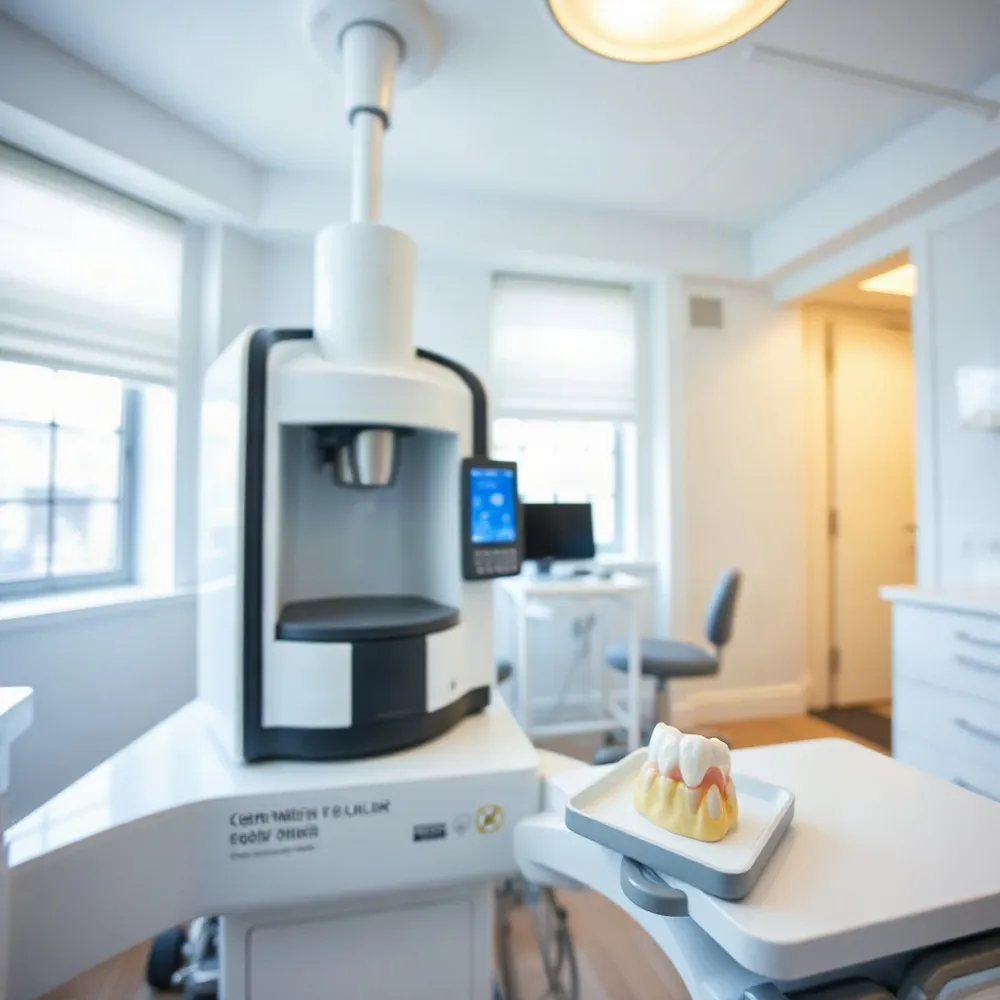
At David M. Mayer, DMD & Associates in Paterson, NJ, eligible crowns can be designed, made, and placed in one visit with CEREC technology. The dentist examines and prepares the tooth, takes a digital scan, and uses it to create the crown. The appointment takes longer than a routine visit, and the time depends on the tooth and the care it needs. Not every tooth or treatment plan is suited to a same-day crown, so ask about CEREC same-day crowns when you schedule.
Making a crown in one visit is a convenience, not a promise that it will last longer. Before treatment, ask which materials are available, why one is suitable for your tooth, and what the visit will involve. The dentist can also explain whether a different plan is needed based on the tooth’s condition.
Questions and Next Steps
Do porcelain crowns last forever? No. They can last for many years, but wear, damage, or problems with the tooth underneath may mean they need attention. Lifespan varies from person to person, as Healthline explains.
Can decay form under a crown? Yes. The crown cannot decay, but the natural tooth beneath it can. Regular dental exams help check the crown and the tooth it covers.
When should I call about a loose crown? Contact a dentist promptly if it moves, falls out, or becomes painful. Do not try to glue it back yourself.
For a crown check in Paterson, call (973) 881-8568 or book an appointment online. Our team speaks English, Spanish, and Arabic.