A Faster Path to Tooth Restoration
A dental crown covers a damaged or weakened tooth, helping restore its shape and function while protecting what remains. Crowns may be considered when decay, a crack, a large filling, or root canal treatment leaves a tooth needing added support.
Digital scanning and in-office design and fabrication can allow some crowns to be made and placed in one visit. Digital impressions create a three-dimensional model of the teeth and surrounding tissues, and the dentist can review the scan before planning the restoration, as described in this 2025 review of digital impressions.
Fewer visits may be convenient, but same-day treatment is not right for every tooth or patient. The dentist must assess the tooth’s condition, bite, and restoration needs before recommending an approach. At davidmmayerdmd.com, treatment planning is part of a full-service practice offering crowns and other dental care, with a multilingual team serving patients in English, Spanish, and Arabic.
When a Crown May Be Recommended
A crown is a cap fitted over a tooth to restore its shape and function while protecting the structure that remains. A dentist may recommend one when a tooth is weak, cracked, badly decayed, broken, or worn, or after root canal treatment. Learn more about when a crown may be recommended.
Crowns can also restore a dental implant or serve as supports for a bridge. The right restoration depends on an examination of the tooth and the surrounding oral health, not just on how it looks.
Material choice is part of that decision. A back tooth exposed to strong chewing forces may call for a durable metal option, while porcelain or ceramic can offer a natural appearance for a visible tooth. Porcelain fused to metal combines a metal base with a tooth-colored outer layer.
Each material has trade-offs in strength, appearance, and suitability for the individual tooth. At davidmmayerdmd.com, patients can discuss treatment options with a family dental practice offering crowns and other restorative care. Ask your dentist how the tooth’s location, remaining structure, bite, and your preferences affect the recommendation.
How Same-Day Crowns Are Made
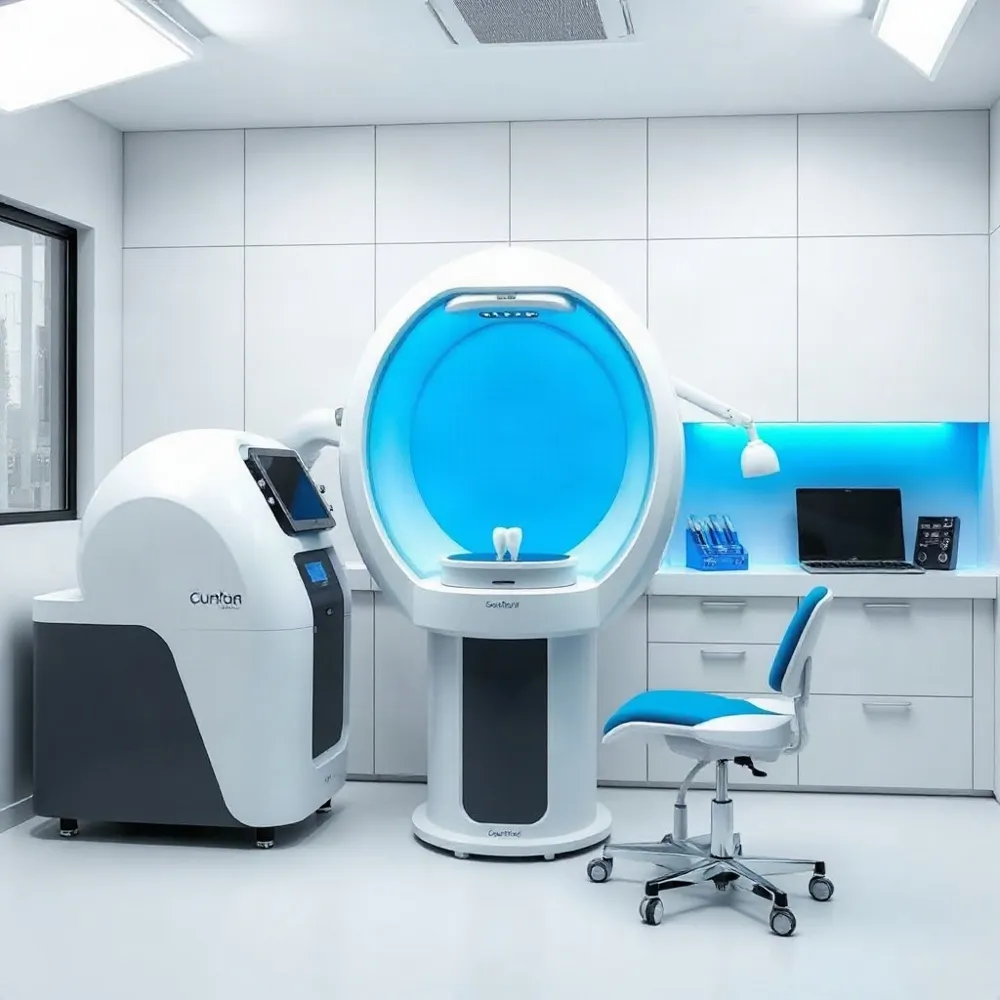 A same-day crown is a custom restoration that may be designed, made, and placed during one dental visit. The process uses computer-aided design and manufacturing, or CAD/CAM, to move from a digital record of the tooth to a finished crown.
The dentist first examines the tooth and prepares it for the restoration. This may involve removing decay or damaged structure and shaping the tooth so the crown can fit securely. The dentist then uses an intraoral scanner to capture the prepared tooth and nearby surfaces as a three-dimensional image. Digital impressions can be reviewed on screen, and unclear areas can be rescanned without repeating the entire impression process, as described in this review of digital impressions.
Next, design software helps the dentist shape the crown around the tooth’s contours and bite. The design is sent to an in-office milling machine, which carves the restoration from a block of ceramic or another suitable material. Material options and equipment vary by practice and case, so the workflow is not identical for every patient.
Once the crown is made, the dentist checks how it fits and meets the opposing teeth, then adjusts it if needed before bonding it to the prepared tooth. At davidmmayerdmd.com, crown care is part of a full-service practice in Paterson, where patients can discuss restorative options alongside other dental needs. Same-day fabrication is not available or suitable in every situation; the dentist’s examination helps determine whether it is appropriate.
What Digital Impressions Capture
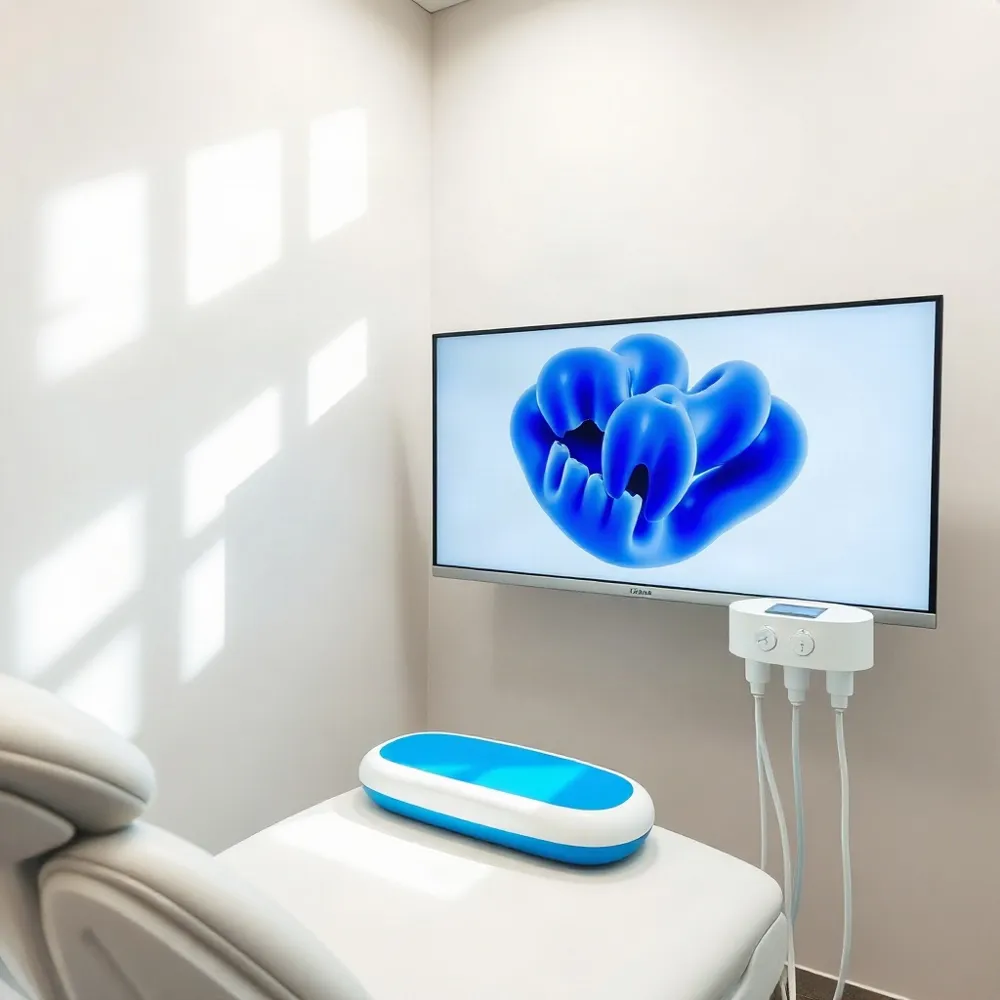 A digital impression uses a small intraoral scanner to capture images of the teeth and nearby oral tissues. Software combines those images into a three-dimensional model that the dental team can review and use for treatment planning. A 2025 review of digital impressions describes how these scans can support crowns, bridges, dentures, and other restorations.
Unlike a conventional impression, a digital scan does not require a tray filled with impression material, which some patients find uncomfortable or difficult to tolerate. The team can also inspect the model as it forms and rescan an unclear or missed area without starting the entire impression again.
When a crown is planned, scan data can be used in a digital design workflow or sent electronically to a dental laboratory. The same type of scan can support planning for other treatments, including bridges and some implant-related procedures. Digital records can also make it easier to share case information with a laboratory.
A scan is useful only when it captures the area the treatment requires. Accuracy can vary with the scanner, the operator’s technique, the size and complexity of the area, and how clearly the teeth can be seen. Moisture, moving soft tissue, limited access, or difficulty keeping the mouth open may make some areas harder to record. Longer or fully toothless arches can also be more challenging than a scan of a few teeth.
At davidmmayerdmd.com, crown treatment is considered in the context of the patient’s oral health and the tooth being restored, rather than relying on a scan alone. A dentist can decide whether a digital impression captures enough detail or whether a conventional or functional impression is a better fit for the case.
For more on how scan data supports a crown workflow, see how same-day crowns work from scan to placement.
Choosing Between Same-Day and Lab Crowns
For a suitable tooth, a same-day crown can combine preparation, fabrication, and placement in one visit. That can avoid a separate placement appointment and the temporary crown used while a laboratory makes the permanent restoration. Temporaries may loosen, break, or feel uncomfortable, so skipping that stage can make treatment simpler.
A laboratory-made crown follows a different path: the dentist prepares the tooth and sends records to a dental laboratory, then places the finished crown at a return visit. This approach may offer a broader choice of materials and allow detailed customization, which can matter when a case calls for nuanced shade matching or a particular design.
A straightforward restoration of one tooth may be a candidate for same-day treatment when enough tooth structure remains and an available material suits the tooth’s needs. That does not make the option right for everyone. A complex case, a highly visible tooth requiring careful color coordination, or a need for a specific material may favor laboratory fabrication.
The choice depends on the tooth’s location and condition, the bite, cosmetic priorities, and how important a single visit is to the patient. At davidmmayerdmd.com, crown treatment is part of a full-service practice offering same-day care; an examination helps determine which approach is appropriate rather than assuming every crown can be completed in one visit.
Digital scans can be reviewed and, when needed, a missed or unclear area can be scanned again. A 2025 review describes how digital impressions support crown planning while noting that accuracy varies with clinical circumstances and technique (review of digital impression making). The scan is one part of the decision, alongside the dentist’s assessment and the patient’s goals.
Durability Depends on the Individual Case
Same-day and laboratory-made crowns can both restore and protect a damaged tooth when the design, material, and fit suit the tooth and bite. Same-day crowns are made in the dental office, while laboratory-made crowns may allow a wider choice of materials and customization. Neither approach is automatically the better or longer-lasting option for every patient.
Durability depends on several factors, including the tooth’s location, chewing forces, how much healthy structure remains, and habits such as grinding or clenching. The material and the dentist’s assessment of the tooth also matter. A crown that works well for one person may not be the best choice for another.
At davidmmayerdmd.com, treatment planning is part of a full-service dental practice in Paterson, where the dentist can examine the tooth and discuss options based on its condition and your needs. Patients considering a crown can review the practice’s comparison of same-day and traditional crown durability and ask what benefits and limitations apply to their own case.
No crown lasts forever. Good brushing and flossing, routine dental check-ups, and guidance for managing grinding can help protect the restoration and the tooth beneath it. Ask your dentist what lifespan to expect, what care is recommended, and when to seek an evaluation if the crown feels loose, uncomfortable, or changes your bite.
Appointment Time and Crown Care
A same-day crown visit often takes about one to two hours, but the actual time depends on the tooth, the complexity of the treatment, and whether other care is needed. A general estimate is not a promise of how long any individual appointment will take. For more context on scheduling, see this guide to same-day crown appointment time.
The dentist prepares the tooth, captures a digital scan, and uses the scan to plan the crown’s shape. The restoration is then designed and milled, checked for fit and bite, adjusted if needed, and bonded in place. At davidmmayerdmd.com, crown treatment is part of a full-service dental practice in Paterson, where the team can assess the tooth and discuss the steps involved in an individual care plan.
A crown may last about 10 to 15 years, and some last longer, but no lifespan is guaranteed. Its durability depends on the material, oral hygiene, bite forces, and habits such as grinding or chewing hard objects. A dentist can recommend ways to protect a crown based on your bite and the restoration.
Brush twice a day and floss daily, taking care to clean around the crowned tooth. Keep regular dental checkups so the crown and surrounding teeth can be monitored, and follow any specific care advice from your dentist. Avoid using teeth to bite hard objects, and ask whether a night guard may help if you grind or clench.
Understanding Crown Costs and Coverage
 A same-day crown in the United States may cost about $1,000 to $2,500, but this is a broad estimate, not a quote. Fees vary with location, material, which tooth needs treatment, and the complexity of the case. A personalized estimate is more useful than a national range.
Traditional crowns may have similar prices. Digital scanning and in-office milling can affect the initial fee, so same-day treatment is not always less expensive. Ask the dental office to explain what the estimate includes and to check your insurance benefits before treatment.
Coverage and out-of-pocket costs depend on the details of your plan. Fewer visits and avoiding a temporary crown may be convenient, but those benefits do not offset the fee for every patient. For more on factors that shape crown expenses, see financial aspects of dental crowns.
A Personalized Treatment Decision
Digital scanning and in-office milling can make it possible to prepare, create, and place a crown in one visit. But the technology is only part of the decision. A dentist must also assess the tooth, bite, and surrounding oral health; research reviews note that digital impressions can work well, though accuracy varies with the case and technique (review of digital impressions).
At davidmmayerdmd.com, treatment is part of a full-service practice in Paterson, with care ranging from routine visits to crowns and same-day emergency treatment. Ask your dentist whether a same-day crown suits your tooth, which materials are appropriate, and whether a laboratory-made crown is another option. Discuss appointment timing, expected costs and coverage, and how to care for the restoration so your choice reflects your needs.