Crowns Without the Wait
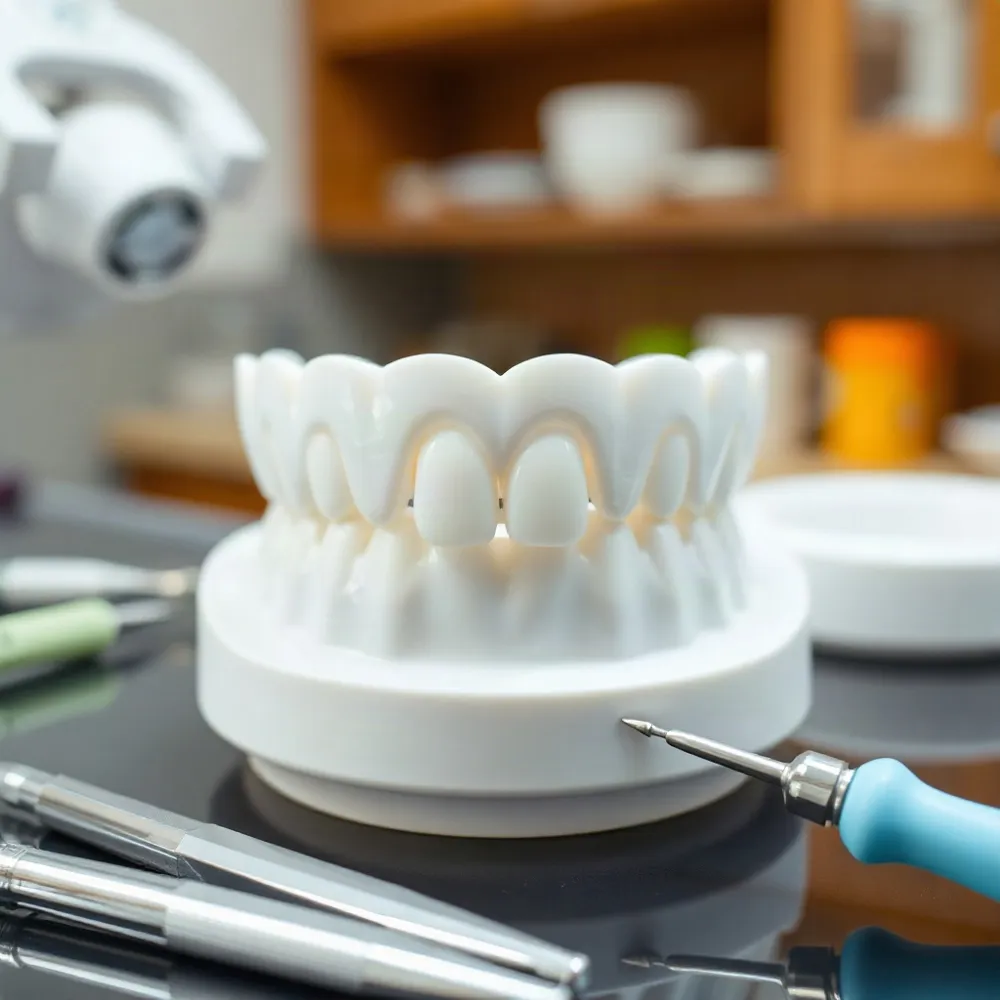
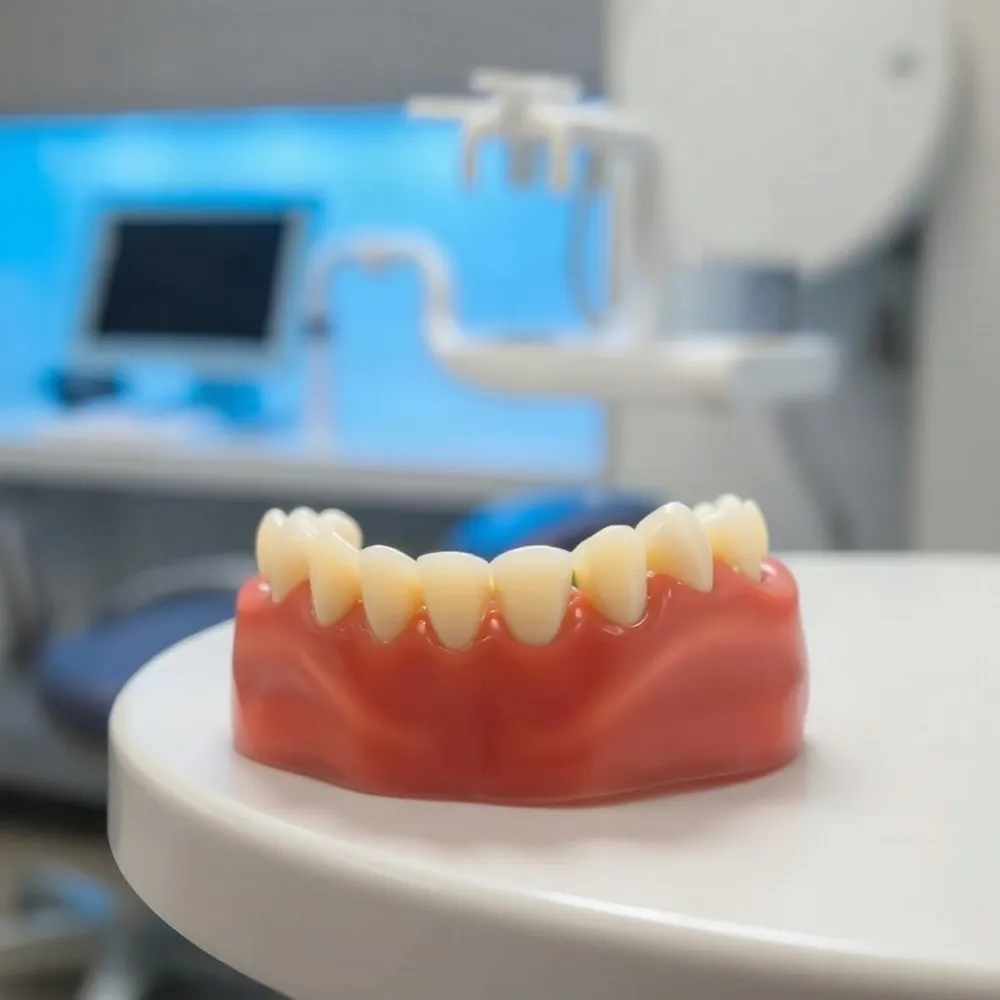
Same-day crowns are fabricated with CAD/CAM technology, which stands for computer-aided design and computer-aided manufacturing. Instead of taking a gooey impression and waiting two to three weeks for a dental lab, your dentist scans the prepared tooth with an intraoral camera, designs the restoration on a screen, and mills it from a solid block of ceramic while you wait. The entire process typically takes one to two hours. You can read more about what to expect in Same Day Crowns: Procedure & What To Expect.
The Step-by-Step Process
- Your dentist numbs the area and removes any decay, then shapes the remaining tooth to support a crown.
- A digital scan captures a precise 3D image of the prepared tooth — no messy impressions needed.
- Specialized software designs the crown to fit your bite exactly, and the dentist reviews the design before milling.
- A ceramic block is milled into your crown in about 15 to 20 minutes.
- After polishing and a quick curing step, the crown is bonded into place, and you're done in a single visit.
This workflow is possible because the CEREC system, which is used in many same-day practices, combines scanning, design, and milling into one chairside unit. The result is a restoration that requires less removal of your natural tooth structure than traditional methods, according to How Same Day Crowns Save You Time and Trips to the Dentist.
For many patients, the appeal is obvious: no temporary crown, no second appointment, and no weeks of waiting. Same-day crowns eliminate the temporary crown stage entirely, which means no worries about a temporary falling out or causing sensitivity. You walk out with your final restoration already in place.
Scan. A wand with a tiny camera takes hundreds of images per second, creating a digital model that is more comfortable and often more accurate than traditional putty impressions.
Design. Software lets your dentist see the crown on screen and adjust for fit, bite, and aesthetics before any material is cut.
Mill. A ceramic block is carved into the crown shape by a built-in milling unit, usually in 15 to 20 minutes.
Bond. After a quick polish and, if needed, a heat-curing step, the crown is cemented onto your tooth. You leave with a completed restoration.
Because the entire procedure is completed in one visit, same-day crowns are ideal for emergency situations like a chipped or cracked tooth. Many practices, including David M. Mayer DMD, use this technology to offer quick, comfortable care that fits into a busy schedule.
How Same-Day Crowns Work
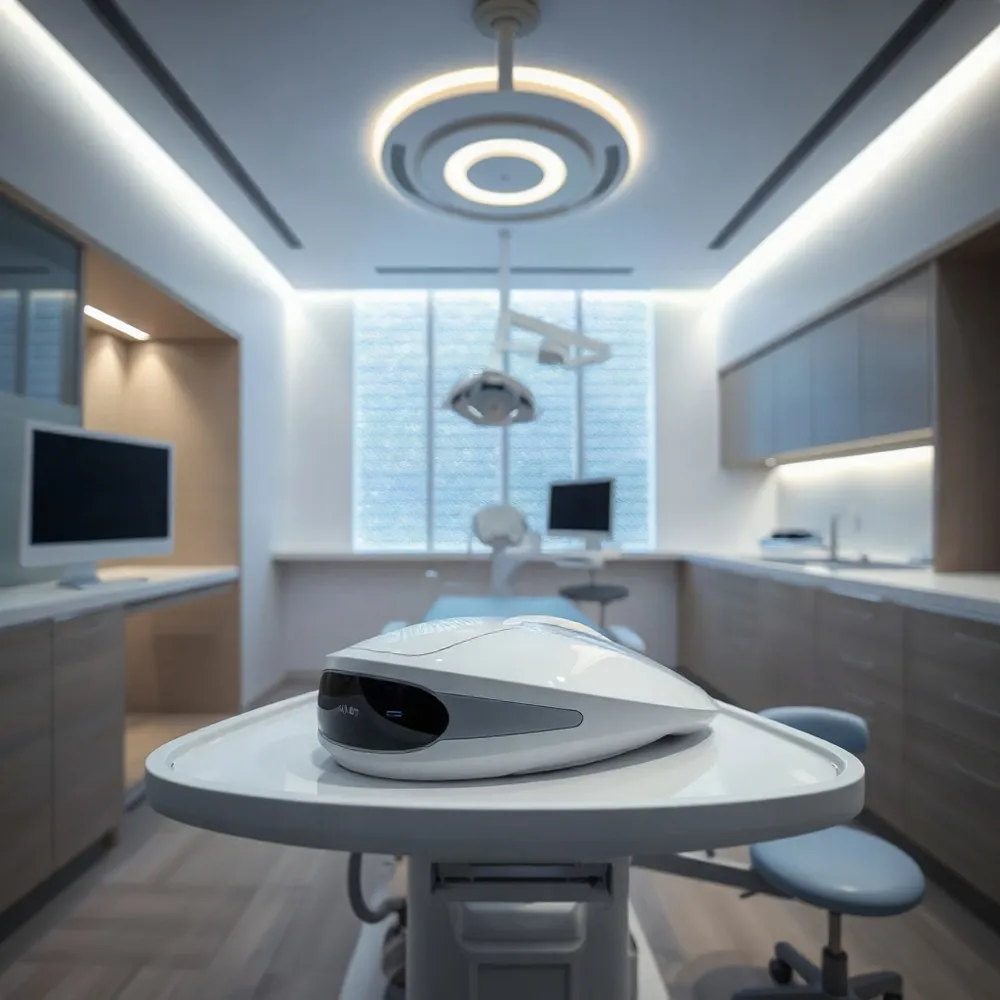 Modern same-day crowns rely on a digital workflow that replaces the traditional putty impressions and multi-week lab wait. Instead of sending an impression to an outside lab, your dentist uses an intraoral scanner to capture a highly detailed 3D image of your prepared tooth. That digital model is then fed into computer-aided design (CAD) software, where the crown is shaped to fit your bite precisely. The design is sent to an in-office milling machine that carves the crown from a solid block of ceramic, and after a quick polish and fit check, the crown is bonded into place. The entire process, from scan to final placement, typically takes 60 to 90 minutes and is completed in a single visit.
This technology is often called CEREC, which stands for Chairside Economical Restoration of Esthetic Ceramics. CEREC systems are one of the most widely used platforms for same-day restorations, and they allow dentists to create same-day crowns right in the office. The scanner eliminates the need for messy molds, and the digital design software helps ensure a more accurate fit than traditional methods can often achieve. Because the entire procedure happens in one appointment, you leave with a fully functional, permanent crown on the same day.
Advantages of the Digital Workflow
The digital workflow offers several practical benefits. First, it removes the need for temporary crowns, which are typically placed while you wait for a lab-made restoration. Temporaries are weaker and can break or cause sensitivity, and they require an extra appointment to replace with the permanent crown. Second, the precision of CAD/CAM milling means less adjustment and a more comfortable fit right from the start. Third, same-day crowns often require less removal of natural tooth structure because the imaging software helps the dentist preserve as much of the healthy tooth as possible.
| Aspect | Traditional Crowns | Same-Day Crowns |
|---|---|---|
| Visits | 2+ appointments | 1 appointment |
| Waiting time | 1-2 weeks | 60-90 minutes |
| Temp crown | Yes, required | None needed |
| Impression type | Putty/mold | Digital scan |
Many patients are surprised to learn that same-day crowns can be just as strong and durable as their lab-made counterparts. Modern ceramics used in same-day restorations are highly resistant to wear and fracture, and they bond securely to the tooth structure. The main limitation is that same-day crowns are often recommended for less complicated cases; extensive restorations or teeth with significant decay might still benefit from a traditional approach. Your dentist will evaluate your specific situation to determine if same-day crowns are the right choice for you.
If you have a cracked, broken, or heavily worn tooth, same-day crowns offer a convenient and reliable solution. The ability to complete the entire restoration in a single visit means less time away from work and fewer interruptions to your daily routine. With same-day crown technology, you can walk in with a damaged tooth and walk out with a fully restored, natural-looking crown — no second appointment required.
Key Benefits of Single-Visit Crowns
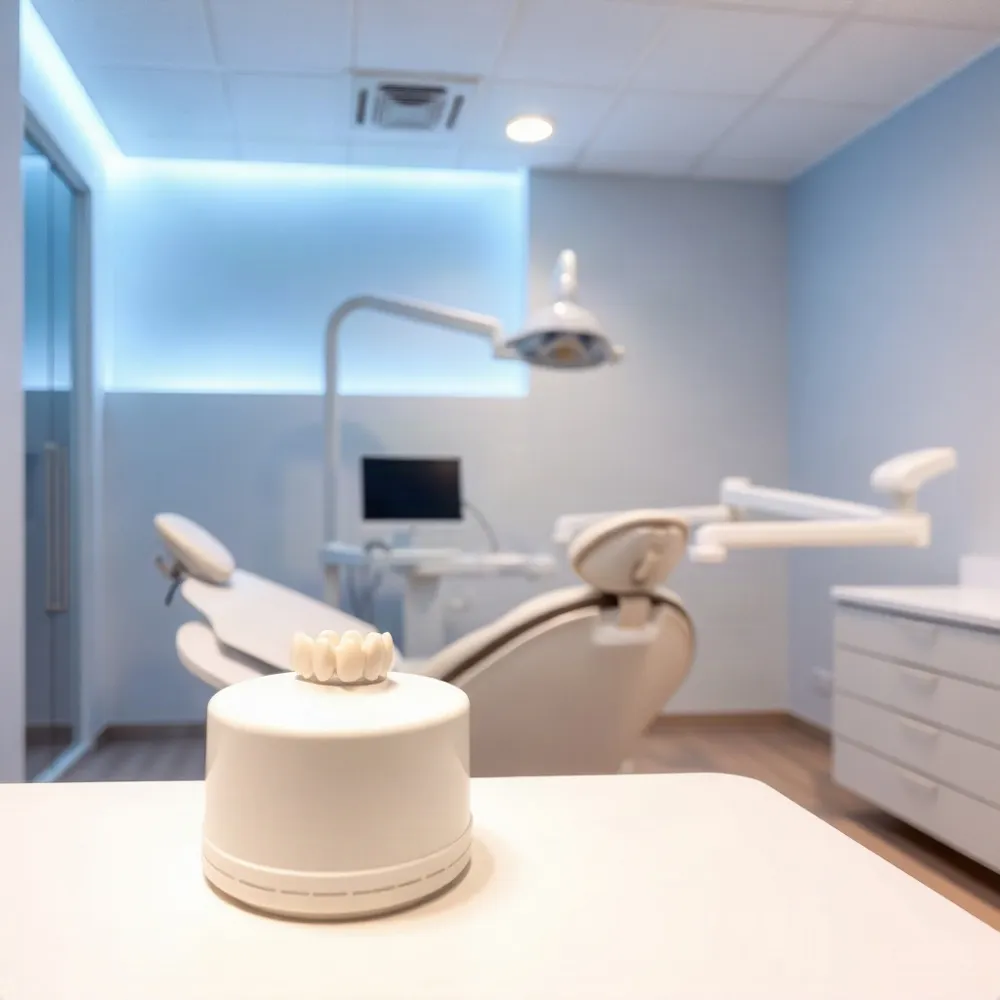 Traditional crowns typically take two or more appointments spread across a few weeks, with a temporary crown protecting the tooth in the meantime. Same-day crowns collapse that timeline into a single visit. The process relies on digital scanning, on-site milling, and precise bonding, which is why the entire restoration can be finished in roughly 60 to 90 minutes. For patients, that means one appointment instead of two or three, saving time off work or away from family.
The procedure begins with a digital scan of the prepared tooth using an intraoral scanner, which replaces the messy impression material used in traditional methods. The scan is sent to a CAD/CAM milling unit in the dental office, where a ceramic block is shaped into the crown while you wait. Once milled, the crown is polished, stained, and bonded into place. This technology is what makes same-day crowns possible, and it’s also why less of the natural tooth structure often needs to be removed compared to traditional crowns.
Same-Day vs. Traditional Crowns
The main difference between same-day and traditional crowns is the number of visits. Traditional crowns require a temporary crown for the days or weeks between the preparation appointment and the final placement, which can be inconvenient if the temporary breaks or feels uncomfortable. Same-day crowns eliminate that intermediate step entirely. However, same-day crowns are not always the best choice for every case. More complex restorations, such as those involving extensive tooth damage or multiple teeth, may still benefit from a traditional approach, which allows the lab to craft a more detailed restoration.
Another consideration is durability. Some patients wonder whether a crown milled in a single visit can match the strength of one made in a lab. Studies and clinical experience suggest that modern ceramic materials used in same-day crowns are comparable in strength to traditional options, and many practices, including ours, stand behind their longevity. The trade-off comes down to convenience versus the need for a highly customized fit. For most routine cases, same-day crowns are an excellent choice.
Who Should Consider Same-Day Crowns?
Same-day crowns are ideal for patients who want to avoid the hassle of a temporary crown, have a busy schedule, or need a quick fix for a damaged tooth. They’re also a great option for addressing dental emergencies, such as a knocked-out tooth or a cracked crown, where speed matters. If you’re considering this treatment, a consultation with your dentist will help determine whether you’re a good candidate, taking into account the location of the tooth, the extent of damage, and your overall oral health.
| Feature | Same-Day Crowns | Traditional Crowns |
|---|---|---|
| Appointments | One | Two or more |
| Temporary crown | Not needed | Required |
| Turnaround time | 60-90 minutes | Days to weeks |
| Best for | Simple to moderate cases | Complex restorations |
Are Same-Day Crowns as Good as Lab Crowns?
When comparing same-day crowns to traditional lab crowns, the most frequent question is about durability and overall quality. The short answer is that for most patients, same-day crowns are just as strong and reliable as their lab-made counterparts. Modern materials like lithium disilicate and advanced composite resins are engineered to withstand the same chewing forces as traditional ceramics. The technology behind same-day crowns uses CAD/CAM systems that mill a precise restoration from a solid block of ceramic, often creating a denser, more uniform structure than layered porcelain used in some labs.
Fit is where the two approaches differ most noticeably in process, not necessarily outcome. Traditional crowns require an impression, a temporary crown, and a two-week wait while the lab fabricates the final piece. Same-day crowns eliminate these steps entirely. Using a digital scan, the dentist designs and mills the crown chair-side, which means the margins can be fitted with remarkable precision. This digital workflow often requires less removal of natural tooth structure compared to traditional impressions, helping preserve more of your healthy enamel.
Durability in Daily Use
Durability isn't a single number; it depends on the material and the location of the tooth. For posterior molars that endure heavy biting force, high-strength ceramics like zirconia or lithium disilicate are excellent choices. Studies and clinical experience show that these same-day materials have a comparable lifespan to traditional crowns for most patients, often lasting a decade or more with proper care. The key is that the crown fits well and you maintain good oral hygiene. A well-fitted same-day crown on a molar can easily match the performance of a lab crown in the same position.
For front teeth, aesthetics matter as much as strength. Same-day crowns can be color-matched to your existing teeth using digital shade selection, and the polished ceramic reflects light similarly to natural enamel. While traditional crowns sometimes offer slightly better translucency because of skilled lab technicians, the difference is often negligible to the naked eye. The convenience of not wearing a temporary crown also reduces the risk of sensitivity or fracture during the waiting period, which is a common problem with traditional restorations.
Fit and Comfort Compared
The fit of a crown depends on the precision of the margin where the crown meets the tooth. Same-day crowns use optical scanners that capture a highly detailed 3D image, eliminating the distortion that can occur with traditional putty impressions. This digital accuracy often results in a more comfortable fit with fewer adjustments needed. Patients in Holliston and elsewhere who choose same-day crowns frequently report that the restoration feels natural from the moment it's placed, with no annoying temporary crown to break or loosen.
That said, some dental professionals note that same-day crowns are best suited for less complex cases. A comparison by a dental practice explains that traditional crowns might be preferred for highly complex situations, such as when a tooth has very little structure left or when the dentist needs to add significant build-up material. For the vast majority of routine crown placements, however, same-day technology provides a fit that is just as good, with the added benefit of completing the entire procedure in a single visit.
Weighing the Trade-offs
Strength. Same-day crowns use high-strength ceramics that match the durability of lab crowns for posterior teeth. They are designed to handle normal biting forces for years.
Aesthetics. Digital shade matching allows for a natural look. While lab crowns can offer slightly better translucency from expert layering, the difference is minimal for most teeth.
Convenience. The biggest advantage is the single-visit completion. No temporaries, no second appointment, and no waiting period. This reduces the risk of complications from a temporary crown.
Longevity. With proper care, same-day crowns can last just as long as traditional ones. The material is the primary factor, and modern ceramics are highly durable.
Ultimately, choosing between a same-day crown and a traditional lab crown comes down to your specific dental needs and your tolerance for multiple appointments. If you value efficiency without sacrificing quality, same-day crowns are an excellent option. Many patients find that the time and convenience savings are worth more than the slight procedural differences. The best way to decide is through a thorough examination where the dentist can assess your tooth and recommend the most appropriate material and technique for your situation.
If you're considering a crown and want to avoid the weeks of waiting, schedule a consultation to discuss whether same-day crowns are right for you. A professional evaluation will help you understand the benefits and potential limitations in the context of your own oral health. With the right choice, you can enjoy a strong, natural-looking restoration without the downtime.
Determining If You Are a Candidate
Same-day crowns are an excellent option for many people, but they are not the right fit for every tooth or every patient. Understanding who qualifies can help you decide whether this modern approach is worth asking your dentist about during your next visit.
What Makes a Tooth a Good Candidate
Generally, same-day crowns work well for teeth that are cracked, chipped, decayed, or misshapen but still have healthy roots. If the damage is extensive or the tooth lacks sufficient structure to support a crown, your dentist may need to consider alternative treatments. As with any dental restoration, the health of the surrounding gums and bone also plays a role in whether a crown will be successful.
Your dentist will examine the tooth and take digital impressions to determine if a same-day crown can restore it properly. In some cases, a tooth that seems too damaged at first may still qualify after a small amount of preparation. The key is having enough natural tooth structure left to anchor the crown securely.
Ideal Situations for Same-Day Crowns
Same-day crowns are particularly well suited for teeth that have been previously filled or have minor to moderate damage. They are also a strong choice when you want to avoid the inconvenience of temporary crowns and multiple appointments. If you need a crown on a front tooth, the natural-looking ceramic material used in same-day restorations can provide a seamless match to your existing teeth.
However, not every case is ideal. Teeth with severe decay, large fractures that extend below the gum line, or those that have undergone root canal treatment may require a more involved restoration. In these situations, your dentist may recommend a traditional crown or a different treatment plan to ensure the best long-term outcome.
Who Should Consider Alternatives
Patients with extensive tooth damage, significant decay, or weak tooth structure may not be good candidates for same-day crowns. Additionally, if you grind your teeth heavily or have a misaligned bite, the added stress could cause a same-day crown to fail sooner than expected. Your dentist will assess these factors and discuss whether a traditional crown or another option is more suitable for your situation.
Same-day crowns are not a one-size-fits-all solution. They are a convenient and effective option for many, but the final decision depends on your unique oral health needs. Consulting with your dentist is the best way to determine if you are a candidate for this innovative treatment.
Pros and Cons to Weigh
Every same-day crown appointment centers on a single piece of technology: the CEREC system. CEREC (which stands for Chairside Economical Restoration of Esthetic Ceramics) is a combination of a 3D camera, design software, and a milling unit that lets your dentist create a crown while you wait. For patients asking how same-day crowns work, the process replaces messy impressions, temporary placement, and the traditional two-week gap with a single visit.
The operator captures a digital scan of the prepared tooth, then uses the software to design the crown on screen. Once the design is set, the milling unit carves the crown from a solid ceramic block, which is then polished and bonded in place. All of this happens in about 60 to 90 minutes, which is why patients often call it a same-day crown.
What Happens During the Same-Day Crown Procedure
The procedure follows a straightforward sequence. First, the dentist removes any decay and shapes the tooth. Next, a digital impression is taken with a 3D camera instead of the putty-based trays most people remember. The design software recommends a crown shape and fit based on your bite and the surrounding teeth. You can often watch this design on the screen, which helps explain what you are getting before it is milled.
The milling unit then carves the crown from a ceramic block. Different blocks are available to match your natural tooth shade, and the final crown is polished, sometimes glazed, and then bonded with a strong dental cement. The result feels and looks close to your natural tooth, and you do not need a second appointment or an anesthetic for a traditional impression.
How Same-Day Crowns Compare to Traditional Crowns
The most obvious difference is time. Traditional crowns take two weeks or more because the fabrication is outsourced to a lab. That means wearing a temporary crown, which can feel bulky or become dislodged. Same-day crowns eliminate that entire phase. The trade-off involves the material and the preparation.
Same-day crowns are milled from a single block of ceramic, which is strong and precise. Traditional crowns often use layered porcelain over a metal base, which some dentists prefer for certain high-stress molars. Your dentist will weigh factors like the location of the tooth, your bite, and the amount of structure remaining before recommending one over the other. A quick chat with your dentist about the pros and cons of same-day crowns can help you decide what fits your situation.
Are Same-Day Crowns Right for You?
Same-day crowns are a great fit for many patients, especially those with schedule constraints or anxiety about multiple appointments. Because the procedure is completed in one visit, you avoid the risk of a temporary coming loose and the inconvenience of taking more time off work. However, they are not for every case. If the tooth is severely broken or if the preparation is particularly complex, a traditional lab-made crown might still be the safer choice.
To make the decision easier, consider this comparison of the two approaches:
| Feature | Same-Day Crowns | Traditional Crowns |
|---|
Caring for Your Same-Day Crown
Your new same-day crown is designed for durability, but it is not indestructible. Treating it with the same care as your natural teeth will help it last for years. Routine brushing, flossing, and regular check-ups remain essential to protect the underlying tooth and gum tissue, keeping your restoration secure and healthy.
Avoid using your teeth as tools, such as opening packages or chewing on hard objects like ice or pens. These habits can chip or crack both natural teeth and crowns. If you grind your teeth at night, ask us about a custom night guard to shield your crown and adjacent teeth from excessive force. With attentive care, your same-day crown can serve you faithfully for many years, blending seamlessly with your smile.
Understanding the Cost and Value
 Same-day crowns are changing how patients think about restorative dental care, but the technology still raises plenty of questions. Below are answers to some of the most common concerns, from durability and cost to the step-by-step process itself.
If you are considering a same-day crown in New Jersey and want to know how it compares with a traditional lab-made restoration, these details can help you decide with confidence.
Are Same-Day Crowns as Good as Traditional Crowns?
When properly placed, same-day crowns are just as durable and functional as traditional crowns for most patients. Same-day crowns vs. traditional crowns offer comparable strength and longevity, and they actually require less removal of natural tooth structure compared to traditional methods, as noted in this guide. The main difference is convenience, not quality.
That said, the success of any crown depends on the dentist’s skill and the specific tooth being restored. For heavily damaged or complex cases, a traditional crown may still be the better choice, which is why a thorough evaluation is always the first step.
What Is the Procedure for Getting a Same-Day Crown?
The same-day crown procedure is designed to be completed in a single appointment, usually within 60 to 90 minutes. First, your dentist numbs the area, prepares the tooth, and takes digital impressions using an intraoral scanner. That scan is sent to an in-office milling unit, which carves your crown from a solid block of ceramic while you wait.
After the crown is milled, it’s polished, shaded, and bonded directly to your tooth. There are no messy impressions, no temporary crowns, and no second visit. For a closer look at what to expect, this walkthrough explains each stage of the visit.
How Much Do Same-Day Crowns Cost in New Jersey?
Same-day crowns typically cost between $800 and $2,500 per crown, depending on your location, the dentist’s expertise, and the material used. In New Jersey, prices tend to fall in the mid-to-upper end of that range, though the cost and value of dental crowns often nets out favorably because you save on lab fees and eliminate the need for a temporary crown.
Many patients find that the convenience of a single visit justifies any premium, especially when you factor in the time saved and the reduced number of appointments. It’s always a good idea to ask your dental office for a detailed estimate that includes the crown, milling, and placement so there are no surprises.
Are Same-Day Crowns Painful?
Getting a same-day crown is not painful. Your dentist will use a local anesthetic to numb the area, so you won’t feel any drilling or preparation. After the procedure, some patients experience mild sensitivity to hot or cold temperatures, but this usually fades within a few days. Over-the-counter pain relievers are typically enough to manage any discomfort.
Because same-day crowns fit precisely, there’s often less post-operative irritation than with traditional crowns that may need adjustment. If you do experience any lingering pain or sensitivity, your dentist can make minor adjustments to ensure a comfortable fit.
How Long Do Same-Day Crowns Last?
With proper care, same-day crowns can last anywhere from 5 to 15 years or more. The longevity depends on your oral hygiene habits, the location of the crown, and whether you grind your teeth. Regular brushing, flossing, and routine dental check-ups will help extend the life of your crown.
Compared to traditional crowns, which also last 5 to 15 years, same-day crowns offer the advantage of being more conservative with your natural tooth structure. This can actually improve the long-term health of the underlying tooth, as less enamel is removed during preparation.
Can Same-Day Crowns Be Done on Front Teeth?
Yes, same-day crowns can be used on front teeth, and they are often the preferred choice for anterior restorations because they can be color-matched to your surrounding teeth using advanced digital shade-mapping. The ceramic material used is highly aesthetic and translucent, mimicking the natural appearance of enamel.
However, front teeth are under different forces than molars, so your dentist will assess the thickness and strength of the material to ensure it can withstand normal biting and chewing. In most cases, same-day crowns work beautifully for front teeth, giving you a seamless, natural-looking smile.
Are There Any Drawbacks to Same-Day Crowns?
While same-day crowns offer many benefits, there are a few considerations to keep in mind. They may not be suitable for every situation, such as when a tooth is severely broken down or requires extensive preparation. Additionally, some practices may charge a premium for the convenience, although this is often offset by savings on lab fees and temporary crowns.
Another point to consider is that the technology requires a significant upfront investment for the dental practice, which is why not every office offers it. This comparison highlights some of the trade-offs, but for most patients, the speed and convenience far outweigh any drawbacks.
How Do I Care for a Same-Day Crown?
Caring for a same-day crown is similar to caring for your natural teeth. Brush at least twice a day with a soft-bristled toothbrush and fluoride toothpaste, floss daily, and avoid chewing on hard objects like ice or pens. It’s also a good idea to avoid sticky foods for the first 24 hours after placement to allow the cement to fully set.
If you grind your teeth at night, ask your dentist about a night guard to protect your crown. With proper care, your same-day crown will serve you well for many years.
Are Same-Day Crowns Covered by Insurance?
Most dental insurance plans cover same-day crowns to the same extent as traditional crowns, since they are considered a restorative procedure. Coverage typically ranges from 50% to 80% of the cost, depending on your plan. However, some insurance companies may view the higher lab fees associated with same-day crowns as a separate charge, so it’s important to check with your provider.
Our team can help you understand your insurance coverage for same-day crowns and estimate your out-of-pocket costs before you commit to treatment.
What Is the Success Rate of Same-Day Crowns?
Same-day crowns have a high success rate, with most studies reporting success rates above 90% at 5 years. This is comparable to traditional crowns, which also have excellent success rates. The success of your crown depends on factors like your oral hygiene, the fit of the crown, and your dentist’s technique.
Choosing an experienced dentist who uses high-quality materials is key to maximizing the longevity of your crown. With regular care, you can expect your same-day crown to last for many years, providing both function and aesthetics.
Can I Get a Same-Day Crown if I Have a Dental Emergency?
Yes, same-day crowns are an excellent solution for dental emergencies, such as a chipped, cracked, or knocked-out tooth. Because the procedure can be completed in a single visit, you can leave the office with a fully restored tooth the same day. Same-day dental repairs are ideal for urgent situations where you want to avoid a temporary fix and the wait for a lab.
If you’re experiencing severe pain or have a damaged tooth, contact us right away to schedule an emergency appointment. We can assess whether a same-day crown is the right option for your situation.
| Question | Answer | Consideration |
|---|---|---|
| Are they as good as traditional? | Yes, for most cases | May not suit severe damage |
| How long do they last? | 5–15 years | Depends on care |
| Do they hurt? | No, minimal sensitivity | Local anesthesia used |
| Are they covered by insurance? | Usually, similar to traditional | Check lab fee coverage |
| Can they fix emergencies? | Yes, same-day repair | Immediate relief |
Still have questions about same-day crowns? Contact us today to schedule a consultation and see if same-day crowns are right for you.
Making the Right Choice for Your Smile
Not everyone is an automatic fit for a same-day crown. The process relies on a few key factors, and the fastest way to know if it will work for you is a quick exam with your dentist, who can map out the best path for your smile. Most dentists, including our Paterson, NJ team, start by asking a few simple questions.
Generally, same-day crowns are a great bet if a tooth has a large broken-off filling, a visible crack, or damage from decay or trauma. In these cases, the procedure is usually straightforward, and the new crown can be designed and placed in about an hour. If the tooth itself is healthy enough to support a crown, you're in a strong position. For example, this overview of the same-day crown procedure walks through what the single-visit workflow looks like in practice.
When Same-Day Crowns Aren't the Best Fit
Cases involving extensive decay, significant gum disease, or a tooth that has had root canal treatment can present challenges. In these situations, a more conservative approach might be safer or more reliable. A dentist can assess whether a same-day crown is suitable or whether your time is better spent on an alternative treatment.
If you are facing more extensive dental work or want to understand your options before deciding, our team can explain the trade-offs in plain language. We will help you weigh the strengths and limitations of each approach in the context of your own smile. For a closer look at how this compares to traditional methods, you can see 4 Big Differences Between Same Day Crowns and Traditional Ones and decide what matters most for your care.