Understanding Same-Day Crowns and Your Wallet
Same-day crowns, also known as CEREC crowns, allow you to receive a permanent custom restoration in a single dental visit. The process uses digital 3D scans and in-office milling technology to create a tooth-colored ceramic crown while you wait. This method eliminates the need for impressions, temporary crowns, and a second appointment weeks later.
Understanding the full cost of this procedure before treatment allows you to plan your finances without surprises. The price depends on the material used, the tooth's location in your mouth, any necessary preparatory work like a root canal or buildup, and most importantly — your specific dental insurance coverage.
In the sections ahead we cover the typical price ranges for same-day crowns with and without insurance, how plans classify these procedures, what "full coverage" actually means when it comes to major restorative care like this one, and practical payment options available to bridge any remaining gap.
What Are Same-Day Crowns?
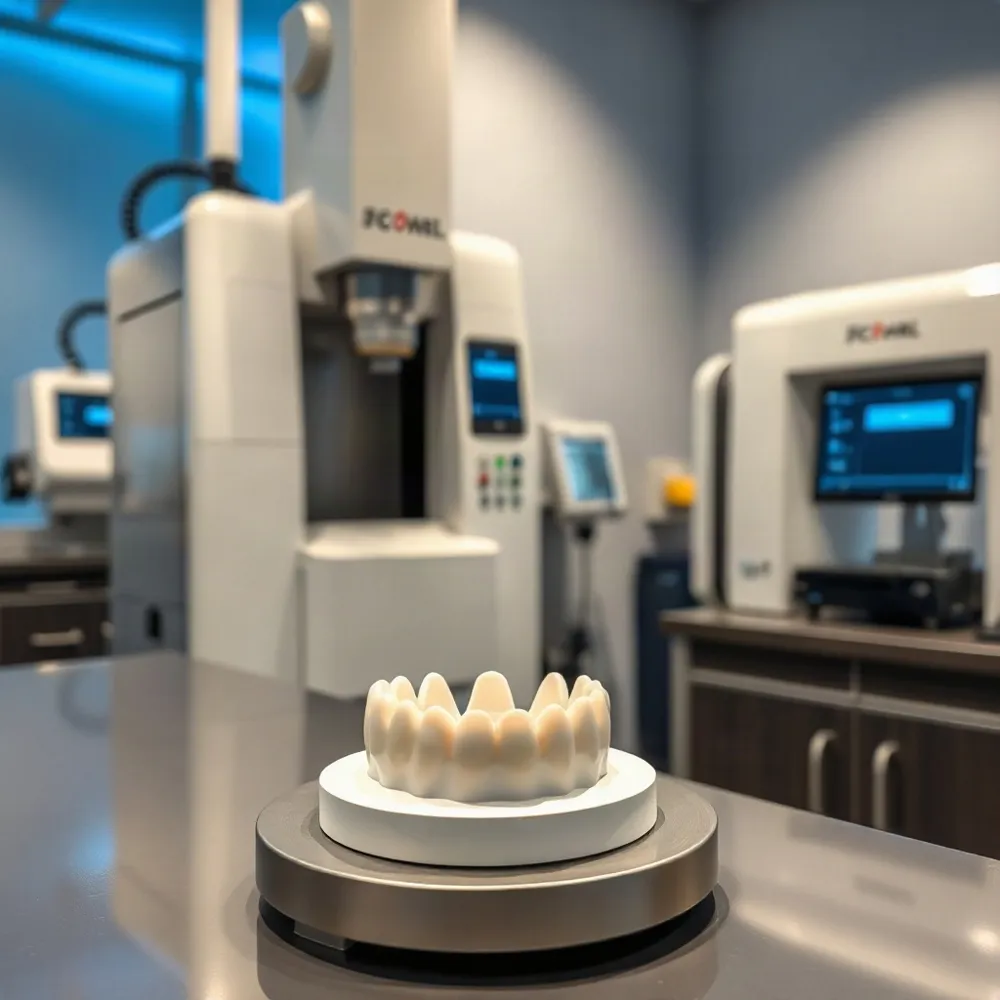 Same-day crowns, also known as CEREC crowns, are permanent dental restorations designed and placed in a single appointment. Instead of sending impressions to an off-site lab, your dentist uses in-office 3D scanning and computer-aided design (CAD/CAM technology) to mill a custom crown from a ceramic block right in the office.
Benefits Over Traditional Multi-Visit Crowns
Traditional crowns require two appointments with a two-week gap, during which you wear a temporary crown that can be uncomfortable or fall off. Same-day crowns eliminate the temporary phase, need only one round of anesthesia, and deliver a final restoration that is permanently bonded to your tooth — all in about 90 minutes.
The materials used for same-day crowns are high-quality ceramics such as zirconia and porcelain. These metal-free blocks are highly durable, match natural tooth color well, and resist the dark gum line sometimes seen with metal-based restorations.
Breaking Down Crown Costs Without Insurance
Without insurance, the cost of a single dental crown often falls between $800 and $3,000 per tooth. This wide range reflects differences in material choice (porcelain, zirconia, or metal), tooth location, and the specific fees your dentist charges.
Same-day crowns produced with in-office CAD/CAM technology — like those offered at David M. Mayer DMD — typically run $1,000 to $2,500 per tooth. That includes the digital scan, custom design, milling from a ceramic block, placement, and final adjustment, all in one appointment.
For patients who go out-of-network for a lab-made crown, the baseline is roughly $1,100 to $2,000 per tooth based on 2023 Delta Dental internal data.
Is $2,000 a Lot for a Crown?
When you see a $2,000 price tag on a single crown, the first reaction is usually sticker shock. But how does that number stack up against what others pay? According to Delta Dental's 2023 internal data, the average out-of-network cost for a permanent crown falls between $1,100 and $2,000. So $2,000 sits at the very top of that range — high, but not unusual.
Several factors can push a crown into that higher bracket. Premium materials like zirconia or pressed ceramic cost more than traditional porcelain-fused-to-metal. Complex cases — for instance, a molar that needs extra buildup after root canal treatment — add time and materials to the procedure. At davidmmayerdmd.com, same-day crowns produced with digital scanning and in-office milling typically run between $1,000 and $1,500 nationally, which is well within the standard range and often below the high end.
The value proposition of same-day crowns changes the calculation too. You avoid an extra appointment (and another round of anesthesia), skip the risk of a temporary crown breaking or coming loose, and walk out with your permanent restoration in about two hours. For many patients, that convenience justifies spending closer to the top of the average rather than shopping purely on price.
How Dental Insurance Applies to Crowns
 Same-day crowns are custom-made dental restorations that are designed, fabricated, and placed in a single appointment. Unlike traditional crowns that require two visits and a temporary restoration while a lab crafts the permanent one, same-day crowns use advanced technology to create a precise, durable tooth replacement on the spot. The process typically relies on a digital scan of your tooth, which is sent to an in-office milling machine or a 3-D printer that carves the crown from a solid block of ceramic. This not only eliminates the need for messy impressions and temporary crowns but also allows you to leave the office with your final crown already in place.
The benefits go beyond convenience. By removing the need for a temporary crown, you avoid the risk of dislodgement and the sensitivity that can come with wearing a temporary restoration. The digital scan also provides a more accurate fit, which means fewer adjustments and a more comfortable bite. For many patients, the ability to complete a crown in one visit reduces the total number of appointments and shortens the overall treatment timeline. If you are curious about the technology behind this, our digital scanning process offers a closer look.
How Same-Day Crowns Work
The workflow for a same-day crown is designed to fit into a single appointment, often lasting about 90 minutes to two hours. First, your dentist numbs the area and prepares your tooth by removing any decay and shaping it to receive the crown. Instead of taking a gooey impression, the dentist uses an intraoral scanner to capture a highly precise digital image of the prepared tooth and the opposing arch. This scan is sent to a milling unit or a 3-D printer, which fabricates the crown from a high-strength ceramic block. The crown is then polished, checked for fit and occlusion, and cemented over your tooth. The result is a strong, natural-looking restoration that is ready to chew on right away.
This technology is often referred to by the brand name CEREC, which stands for Chairside Economical Restoration of Esthetic Ceramics. CEREC systems have been in use for decades and are widely regarded as reliable for single-visit restorations. Because the entire process happens in the dental office, you avoid the back-and-forth of a dental lab and the three-week waiting period that traditional crowns require. For a deeper understanding of how this technology affects treatment time and cost, you can read about what to know about CEREC dental crowns.
Are Same-Day Crowns Covered by Dental Insurance?
The short answer is yes, most dental insurance plans cover same-day crowns in the same way they cover traditional crowns, though the specifics vary depending on your plan. Dental insurance typically classifies crowns as a restorative procedure, and most plans cover a portion of the cost—often 50% to 80% after your deductible is met. The coverage amount is usually based on the
What Does 'Full Coverage' Really Mean?
Same-day crowns are often marketed as “full coverage” procedures, but the term carries two very different meanings depending on who is speaking. For a patient, full coverage usually describes the physical crown itself, meaning a restoration that wraps entirely around the tooth above the gumline. For an insurance company, the same phrase refers to a dental plan that pays a meaningful portion of medically necessary care after you meet your deductible and any waiting periods.
Understanding the gap between these two definitions is the first step toward avoiding an unexpected bill. A crown that is “full coverage” in the dental sense does not automatically mean your insurance plan will cover its cost. In fact, most dental insurance policies treat crowns as a major restorative procedure, typically paying only 50% of the allowed fee after your annual deductible has been met, according to Cigna’s guide to full-coverage dental insurance. The remaining balance, which can range from $1,000 to $1,500 for a single crown in the United States, often becomes your responsibility unless your plan includes specific crown benefits.
When you sit down for a same-day crown consultation, ask your dentist’s office to break down three numbers: the dentist’s fee, the insurance allowed amount, and your estimated coinsurance. Most practices, including Dr. David M. Mayer’s dental office in Paterson, NJ, will file a pre-treatment estimate so you know your out-of-pocket cost before any drilling begins. This upfront transparency is what separates a smooth same-day appointment from a surprise balance in the mail.
The Insurance Reality Behind “Full Coverage” Crowns
Dental insurance is fundamentally different from medical insurance. Medical plans often have out-of-pocket maximums that cap your annual spending, but dental plans typically operate on an annual maximum benefit, often $1,500 per person per year. That means even a “full coverage” dental plan may only contribute a fraction of the actual cost of a crown. For example, a Delta Dental breakdown of crown treatment costs notes that the allowed fee for a crown can vary widely by region, and your plan’s coinsurance percentage applies after your deductible is satisfied.
Many patients are surprised to learn that “full coverage” rarely means 100% coverage. A typical PPO dental plan might cover 50% of the allowed fee for a crown after you meet a $50 or $100 annual deductible. Some plans, especially those with a no-waiting-period feature, may cover a higher percentage if you’ve been on the plan for a certain number of years, as Guardian Life explains in its full-coverage dental insurance options. The key is to read your benefits summary and look for the specific “crown” row, not just the general “major services” line.
If you’re considering same-day crown treatment, ask whether your dentist participates in your insurance network. In-network providers have negotiated fees with your plan, which lowers your coinsurance and reduces the total bill. For example, Humana’s dental crown cost guide highlights that out-of-network treatment can increase your out-of-pocket cost by 20% to 40% compared with an in-network dentist, even with the same plan. Checking this before your appointment is just as important as verifying the dentist’s same-day technology.
How Same-Day Crowns Change the Cost Equation
Traditional crowns require two visits: your dentist takes an impression, sends it to a lab, and fits a temporary crown while you wait. That temporary crown adds an extra dental visit and often a separate lab fee, which can increase your total out-of-pocket cost by $200 or more. Same-day crowns, made with CEREC technology, eliminate the temporary step entirely. A single-visit crown is milled and placed in about an hour, reducing chair time and removing the need for that additional appointment. As Park Avenue Dental Group’s same-day crown cost guide explains, the all-in-one nature of same-day crowns often makes them more cost-effective than traditional two-visit procedures when you factor in lab fees, temporary crown charges, and lost time from work.
That efficiency can translate into real savings, though the published fee for a same-day crown is often similar to or slightly higher than a traditional crown. What changes is the total cost of the process, not necessarily the per-crown price. Many patients find that the convenience of a single appointment, combined with fewer copays for follow-up visits, offsets any premium. Dr. David M. Mayer’s practice in Paterson, NJ, offers same-day crowns as part of its commitment to accessible care, and his team can provide a precise cost estimate during your consultation, including any insurance benefits you may be eligible to receive.
What to Ask Before You Commit
Before agreeing to a same-day crown, prepare a few targeted questions for your dental office. These questions will help you compare a full-coverage treatment plan with a traditional one and avoid surprise bills.
Pre-treatment estimate. Ask for a written estimate that breaks down the dentist’s fee, lab fee (if any), and insurance allowed amount. A reputable practice will provide this before starting treatment. This is a good opportunity to verify with your insurance company directly about your specific plan’s crown coverage.
Temporary crown. If you choose a traditional crown, confirm whether the temporary crown is included in the quoted fee or if it adds an extra charge. Same-day, CEREC crowns avoid this fee entirely, which is one reason why the single-visit approach can be more affordable in the long run.
Warranty. Ask about the warranty on the crown itself. Many same-day crowns come with a limited warranty from the manufacturer, and your dentist’s practice may offer its own re-make guarantee. This protects you if the crown chips or breaks within the first few years.
Insurance follow-up. Find out whether the dental office handles insurance claims for you, including the pre-authorization process. Some offices, like Dr. Mayer’s, have a dedicated team that works to maximize reimbursement and minimize your out-of-pocket cost.
Having these conversations before your appointment transforms the same-day crown experience from a leap of faith into a confident decision. A clear cost breakdown, combined with a clear understanding of your insurance policy, ensures that “full coverage” means exactly what you expect it to mean.
The Bottom Line on Same-Day Crown Coverage
Ultimately, “full coverage” is a term you need to decode in two directions: the physical crown and your insurance plan. By asking the right questions, checking your specific benefits, and working with a transparent provider like Dr. David M. Mayer’s dental office, you can enjoy the convenience of a same-day crown without financial surprises. Whether you’re restoring a cracked tooth or replacing an old filling, a little planning goes a long way in protecting both your smile and your wallet.
In-Network vs. Out-of-Network Savings
The price of a same-day crown is not a fixed number. Multiple variables come into play, and knowing them can help you budget accurately instead of facing surprises. Whether you are paying out of pocket or using insurance, understanding these factors puts you in control.
The material you choose is one of the largest cost drivers. Porcelain-fused-to-metal crowns differ significantly in price from all-ceramic or zirconia options. The location of the tooth also matters: molars endure more chewing force, so they often require stronger (and sometimes pricier) materials. Meanwhile, the dentist's expertise and the technology used, such as CEREC same-day imaging, add to the overall investment but also deliver convenience and precision.
Material choice. Porcelain-fused-to-metal crowns are generally more affordable, while all-ceramic and zirconia options cost more but offer superior aesthetics for front teeth.
Tooth location. Molars need durable materials that can handle heavy chewing forces, which may increase the cost compared to a front tooth.
Technology used. Same-day systems like CEREC rely on 3D imaging and milling, adding a premium but eliminating the need for temporary crowns and a second visit.
Dentist's expertise. A skilled dentist with advanced training may charge more, but that expertise often translates into better fit and longer-lasting results.
How Insurance Fits Into the Picture
Dental insurance typically covers a portion of crown costs, but the specifics vary widely by plan. Most policies treat crowns as a major procedure, covering 50% to 80% of the allowable fee after you meet your deductible, according to Cigna's full-coverage dental insurance guide. This means you could be responsible for a significant copay, often ranging from several hundred to over a thousand dollars per crown.
Your deductible plays a big role. If you haven't met it yet this year, you'll pay the full cost up to that amount before insurance kicks in. Also, watch your annual maximum; many plans cap out around $1,500 to $2,000, and a single crown can eat into that quickly. United Concordia's crown coverage page notes that if you're close to your limit, you might pay more out of pocket than expected.
In-network providers offer lower negotiated rates, which means your out-of-pocket cost is reduced even before insurance applies. For example, Delta Dental's crown cost guide highlights that choosing an in-network dentist can save you hundreds compared to going out-of-network. This is where choosing the right provider matters as much as the crown itself.
Same-Day Crowns vs. Traditional Costs
Traditional crowns typically require two visits: one to take impressions and fit a temporary, and another to place the permanent crown. The cost is often cited as lower upfront, but that's not the whole story. Same-day crowns, milled chairside, eliminate the need for temporaries and second appointments, saving you time and the potential for complications like a broken temporary.
According to Park Avenue Dental Group's breakdown of same-day crown costs, the technology can add $200 to $500 to the crown price. However, the value comes from convenience: you walk out with a finished crown in one visit, which is a significant benefit for busy patients or those with dental anxiety. The question isn't just about what you pay today but what the time saved is worth to you.
Table: Typical Cost Ranges and Insurance Impact
| Crown Type | Average Cost | Insurance Coverage | Out-of-Pocket Estimate |
|---|---|---|---|
| Traditional PFM | $1,200 - $1,800 | 50-80% after deductible | $300 - $900 |
| All-Ceramic (e.g., CEREC) | $1,400 - $2,000 | 50-80% after deductible | $400 - $1,000 |
| Zirconia (Molar-Specific) | $1,500 - $2,200 | 50-80% after deductible | $500 - $1,200 |
| Same-Day (chairside) | $1,200 - $2,500 | Varies; often 50-80% | $500 - $1,500 |
Waiting Periods and Benefit Frequency Limits
When the dentist recommends a crown, the price tag is often the first thing on your mind. Understanding what drives the difference in cost can help you decide which option fits your budget and your schedule. Here is how same-day crowns compare to the traditional multi-visit alternative.
Process. Traditional crowns require two appointments: the dentist takes an impression, sends it to a lab, and fits you with a temporary crown for two to three weeks. Same-day crowns use CAD/CAM technology to design and mill the crown chairside in about one to two hours.
Cost. The price of a crown depends on material and location. A same-day crown typically runs $1,000 to $1,500 in the United States, while traditional crowns made of porcelain-fused-to-metal or all-ceramic often cost $1,200 to $1,800 or more per unit. The higher lab fees for traditional crowns contribute to this difference.
Convenience. One appointment eliminates the need for a temporary crown, which can break or fall out. If you have a busy schedule, same-day treatment means you avoid a second visit and the risk of discomfort that comes with waiting. For those with dental anxiety, the shorter procedure can reduce stress.
Insurance. Most insurance plans cover a crown as a major procedure, typically paying 50% to 80% of the cost after a deductible. Coverage is similar for both same-day and traditional options. For example, Delta Dental notes that the treatment cost for crowns varies by plan and coverage limits. To confirm what your policy covers before your visit, review your dental insurance benefits or contact your provider. Many patients with full-coverage dental insurance find that same-day crown coverage is similar to traditional, though you should always verify your specific plan.
What About Insurance Coverage for Same-Day Crowns?
A common concern is whether dental insurance covers CEREC crowns the same way it covers lab-made ones. In most cases, yes. Insurance companies typically classify crowns by the material used (like porcelain or zirconia) rather than how they are made. That means a same-day ceramic crown is covered at the same percentage as a traditional all-ceramic crown, assuming it is a covered benefit. However, some plans may have a waiting period for major procedures or restrict coverage for a missed tooth. For example, a third-party plan may cover crowns only after a waiting period of 6 to 12 months. If you are exploring Humana's full-coverage dental insurance plans or the no-waiting-period option at Guardian, check whether they include crown coverage anytime soon. To avoid surprises, call your insurance provider before treatment and ask about your annual maximum, deductible, and the percentage they cover for crowns. You can also ask about a dental savings plan that may reduce costs if you pay out of pocket. These steps help you budget and make an informed choice between same-day and traditional crowns.
Cost Breakdown by Crown Type
| Crown Type | Typical Cost Range | Coverage Notes |
|---|---|---|
| Traditional (lab-made) | $1,200 - $1,800+ | Insurance covers 50-80% of cost; may have waiting period |
| Same-day CAD/CAM (CEREC) | $1,000 - $1,500 | Covered similarly to traditional; check plan specifics |
| Same-day with insurance | Out-of-pocket $500 - $1,000 | After insurance, based on plan's crown coverage |
Estimating Your Out-of-Pocket After Insurance
Average Crown. A typical crown runs between $800 and $1,500 before insurance, according to cost breakdowns from sources like Delta Dental, which place the average between $1,000 and $1,500 per crown.
Insurance. Most dental plans cover 50% to 80% of the allowable fee after deductibles, reducing your out-of-pocket to roughly $250 to $1,500 per crown, depending on the plan and location. For example, a $1,199 crown with a 50% coverage plan could cost you around $600 out of pocket, but many plans cover up to 80%, which could bring that down to about $400.
Patient Responsibility. After insurance, patients typically pay between $250 and $1,500 per crown. With a PPO plan, the out-of-pocket cost usually falls in the range of $500 to $1,500 per crown, while those with no insurance might pay the full $800 to $1,500. This range is consistent with estimates from multiple dental sources, including the American Dental Association's (ADA) Health Policy Institute, which reports that the average out-of-pocket cost for a crown was $597 in 2023.
To get a more personalized estimate, your dental office can submit a pre-treatment estimate to your insurer before you commit. This gives you an exact figure for your specific plan, rather than relying on averages. Most dentists, including Dr. David M. Mayer DMD in Paterson, NJ, are happy to help you with this step.
| Cost Factor | Without Insurance | With Insurance |
|---|---|---|
| Average Crown | $1,000 – $1,500 | $250 – $1,500 |
| Porcelain or Metal | $800 – $1,500 | Varies by plan |
| CEREC Same-Day Crown | $800 – $1,500 | Insurances often cover same as traditional |
| Out-of-Pocket Range | $800 – $1,500 | $250 – $1,500 |
Flexible Financing and Accounts to Bridge the Gap
The cost of a same-day crown can vary widely depending on your dental plan and the type of crown you need. On average, a same-day crown runs between $1,000 and $1,500 in the United States, as noted by 3D scanning resources that shorten waiting times. Your insurance may cover a portion of this cost, reducing your out-of-pocket expense.
To give you a clearer picture, here's how the costs typically break down for different crown materials, based on current dental crown cost data from Delta Dental:
| Crown Material | Average Cost | Typical Insurance Coverage |
|---|---|---|
| Metal | $1,000 - $1,500 | 50-80% after deductible |
| Porcelain-fused-to-metal | $1,200 - $1,500 | 50-80% after deductible |
| All-ceramic | $1,500 - $2,000 | 50-80% after deductible |
| Zirconia | $1,500 - $2,500 | 50-80% after deductible |
These figures are meant to serve as a general guide, as the final cost and coverage will depend on your specific plan and the complexity of your case. For example, Cigna's full-coverage dental insurance may cover a larger portion of the cost after your annual deductible is met, while other plans with lower premiums may offer less coverage.
At our Paterson, NJ practice, we provide clear, upfront cost estimates for every same-day crown procedure before any work begins. We'll work with you to maximize your insurance benefits and explore flexible payment options, so you know exactly what to expect with no surprises. Contact us today to schedule a consultation and get a personalized cost estimate.
Working With Your Dentist to Verify Coverage
 For many patients, the perceived cost of a same-day crown feels like the deciding factor before they even sit in the chair. Yet when you look past the initial price tag, the total financial picture often comes out in your favor. A same-day crown eliminates the need for a second appointment, a temporary restoration, and the extra lab fees that usually accompany them. The real question is how much of that convenience your dental plan will help cover.
Dental insurance plans vary widely in how they handle crowns. Some plans cover a percentage of the procedure as restorative care, while others treat it as a major service and apply a higher coinsurance rate. According to Delta Dental, most plans cover a portion of the crown cost once you meet your annual deductible, but the exact amount depends on your specific policy and whether the crown is considered a medical necessity.
The good news is that many same-day crown options, including those milled in-office using CAD/CAM technology, are eligible for the same insurance benefits as traditional crowns. A Guardian Life guide on dental crowns notes that the key to maximizing your coverage is understanding the difference between your plan's "allowed amount" and the dentist's actual fee. When your dentist participates in your insurance network, you’re likely to pay less out of pocket because the provider agrees to accept negotiated fees.
Understanding the Cost Breakdown
A same-day crown typically costs between $800 and $1,500 per tooth without insurance, according to dental practice cost guides. With insurance, your out-of-pocket expense often drops to the $300 to $700 range, depending on your deductible and coinsurance. However, the exact figure depends on several factors, including the material used (e.g., ceramic, porcelain-fused-to-metal, or zirconia) and the complexity of your case.
Ceramic crowns, which are popular for visible teeth because of their natural appearance, tend to cost more than metal or porcelain-fused-to-metal options. But many patients find that the durability and aesthetic benefits justify the extra expense. As highlighted in a breakdown of CEREC crown costs, the convenience of a same-day crown also means you avoid the cost of a temporary crown, which can add an extra $100 to $200 to your overall bill in a traditional two-visit process.
How to Maximize Your Insurance Benefits
Before you commit to a same-day crown, it’s worth taking a few steps to understand your insurance coverage and reduce your out-of-pocket costs. Here are some practical tips:
- Check your policy for waiting periods: some plans exclude crowns during the first year of coverage, so know your plan's rules in advance.
- Ask for a pre-treatment estimate: your dental office can submit a claim to your insurer before you agree to treatment, letting you know exactly what’s covered and what you’ll owe.
- Inquire about annual maximums: most dental plans cap coverage at $1,000 to $1,500 per year, so if you’re close to that limit, you may want to plan accordingly.
- Consider in-network providers: choosing a dentist who participates in your plan’s network can significantly lower your out-of-pocket costs.
At davidmmayerdmd.com, we understand that navigating insurance coverage can be confusing. That’s why our team, with over 40 years of experience, works directly with patients to verify benefits and provide clear pre-treatment estimates before any work begins. We also offer guidance on flexible payment options, including same-day approval plans, so you can get the care you need without financial stress.
For more insights on how same-day restorations can save you time and money, explore our article on how 3D scanning shortens the waiting time for crowns and bridges. You’ll learn how modern technology makes it possible to complete your crown in a single visit, often at a comparable cost to traditional methods.
Comparing Costs: Same-Day vs. Traditional Crowns
When comparing the two approaches, it helps to look at the total treatment cost rather than just the crown itself. Traditional crowns require two appointments, a temporary restoration, and lab processing fees, which can add $150 to $400 to your total bill. Same-day crowns, by contrast, eliminate these extra costs and the inconvenience of a second visit.
| Factor | Same-Day Crown | Traditional Crown |
|---|---|---|
| Number of visits | 1 visit | 2 visits |
| Temporary crown | Not needed | Required |
| Lab fees | Eliminated (in-office milling) | Additional cost |
| Average out-of-pocket with insurance | $300-$700 | $500-$900 |
| Time to completion | 2-3 hours | 2 weeks |
As the table shows, the primary difference is convenience, but the cost savings can be significant when you factor in the avoided lab fees and temporary crown expenses. If you have dental insurance, it’s always a good idea to ask your provider for a breakdown of what your plan covers. For a more detailed look at insurance options, including plans with no waiting periods, check out Cigna’s full coverage dental insurance guide.
Working With Your Dentist to Verify Coverage
The most important step you can take is to ask your dentist's office to verify your benefits before treatment. They can contact your insurance company, determine your remaining annual maximum, and give you a written estimate of your out-of-pocket costs. This proactive approach ensures there are no surprises, whether you’re getting a crown for a front tooth or a molar.
Many dental offices, including ours, are happy to help you understand your coverage. Our team speaks English, Spanish, and Arabic, ensuring that every patient can communicate clearly about their treatment and financial options. We’ll work with you to find a payment plan that fits your budget, so you can proceed with confidence.
If you’re still weighing your options, consider reading our blog post on the benefits of same-day partial denture repairs for active seniors, which highlights how our practice helps patients manage costs with clear estimates and flexible payment options. With the right information, getting a same-day crown can be an affordable, stress-free experience.
State and Plan Variations That Affect Coverage
Dental crown pricing in the United States spans a wide range, and the exact amount you pay depends on the material chosen, the tooth's location, and the provider's overhead. According to Delta Dental, a traditional porcelain-fused-to-metal crown typically costs between $1,000 and $1,500, while an all-ceramic option can push above $2,000. At David M. Mayer DMD, we combine advanced 3D scanning and same-day milling technology to shorten appointment time and reduce lab-related overhead, which often translates into a more predictable out-of-pocket figure. For a detailed breakdown of how this technology affects pricing, our guide on same-day crown costs provides a useful starting point.
Porcelain vs. Gold vs. Zirconia: What Drives the Price
The material you select is the single largest factor in crown cost. Porcelain-fused-to-metal crowns offer a balance of durability and aesthetics, but the base metal can show through at the gum line over time. All-ceramic crowns mimic natural tooth translucency best and are popular for front teeth, yet they often come with a higher price tag. Gold crowns, which are rarely used for visible teeth, provide exceptional strength and wear resistance but carry a premium that reflects the material's cost. According to the Cigna guidance, a fuller understanding of your plan's coverage can significantly affect which material becomes affordable for your budget.
- Porcelain-fused-to-metal: $1,000 – $1,500 per crown, per Delta Dental
- All-ceramic (lithium disilicate or zirconia): $1,500 – $2,000+, depending on the brand and lab fee
- Gold alloy: $1,200 – $2,500, reflecting the precious metal content
- Same-day crowns (CEREC): typically $1,000 – $1,500, often slightly lower due to reduced lab time, as noted by Park Avenue Dental Group
Your dental plan's coverage tier matters just as much as the clinical choice. Most PPO plans treat crowns as a restorative procedure, covering 50% to 80% of the allowable fee after your deductible, according to Humana's dental resource. That means your responsibility can range from a few hundred to over a thousand dollars, even with insurance. At David M. Mayer DMD, we help you understand your plan's breakdown by reviewing your benefits before treatment, so you never face a surprise bill.
Insurance Coverage: What It Covers and What It Doesn't
Dental insurance treats crowns differently depending on the plan's classification. A plan that covers 'basic' services might pay 40% to 60% of the cost, while a 'major' category plan may cover up to 80% — but only after a one-year waiting period in many cases, as Guardian Life explains. That waiting period is a frequent stumbling block for patients who need a crown right away. If you're comparing plans, check whether your provider offers a no-waiting-period option or if your employer's plan classifies crowns as major restorative work.
Many patients ask whether same-day crowns are treated differently by insurers. The good news is that most PPO plans don't distinguish between a crown milled in the office and one fabricated by an outside lab — the procedure is billed the same way, meaning you receive the same coverage. At David M. Mayer DMD, we file the claim on your behalf, and our same-day relief guide walks you through the insurance process step by step, so you know exactly what your portion will be before you commit.
Deductible. The fixed amount you pay out of pocket before your insurance starts contributing. For crowns, this often ranges from $50 to $150 per person annually.Source: Cigna
Coinsurance. The percentage of the allowed fee you're responsible for after the deductible. With a 50% coinsurance on a $1,200 crown, you'd pay $600, assuming you've met your annual maximum.
Annual maximum. The total amount your insurer will pay per year, typically $1,000 to $1,500. Since a single crown can consume a large share of that limit, planning is essential. For more context, see Delta Dental's cost guide.
Same-Day Crowns and Insurance: A Special Case
Same-day crowns, often called CEREC crowns after the brand of milling machine, carry a unique advantage beyond speed: they eliminate the need for a temporary crown, which can an additional cost if lost. But does that affect insurance coverage? In most cases, no — insurers see it as the same procedure code, so you'll get the same coverage whether the crown is made in 90 minutes or two weeks. The premium you might see on a same-day crown isn't for the material but for the chair time and the machinery, as Park Avenue Dental Group explains. At David M. Mayer DMD, our in-house milling means we can often keep the total cost competitive with traditional labs, and our blog on same-day crown costs for patients considering the option includes a transparent look at what you're paying for.
One notable exception: some 'preferred' or HMO-style plans may not cover CEREC crowns at all because they require the use of in-network labs. Check your summary of benefits, or call your insurer and ask, 'Does my plan cover a same-day crown fabricated in the dental office?' If the answer is no, you'll likely pay for the milling service out of pocket, but you may still receive reimbursement for a traditional crown's worth. To make this process less confusing, our patient-friendly guide compares the insurance nuances side by side.
| Crown Type | Average Cost (No Insurance) | Insurance After Deductible | Typical Coverage % |
|---|---|---|---|
| Porcelain-fused-to-metal | $1,000 – $1,500 | $500 – $750 | 50% – 80% |
| All-ceramic (lithium disilicate) | $1,500 – $2,000 | $750 – $1,200 | 50% – 80% |
| Gold alloy | $1,200 – $2,500 | $600 – $1,500 | 50% – 60% |
| Same-day (CEREC) | $1,000 – $1,500 | $500 – $900 | Varies; often same as traditional |
Understanding these numbers matters because a crown is one of the most common restorative procedures, yet its cost can vary by hundreds of dollars depending on where you live. State-specific insurance regulations also influence what plans must cover — for example, some states mandate coverage for tooth loss due to accident, but not for non-accident crown replacement. For a deeper look at how your state's rules affect your out-of-pocket expenses, our dental insurance overview breaks down the variations. Knowing the difference between a 'medically necessary' crown and a cosmetic one is also key to avoiding denied claims.
Making the Cost Work for You
If the estimated cost of a crown raises your blood pressure, you're not alone. Many patients at David M. Mayer DMD feel the same way, which is why we front-load the financial conversation. We'll review your coverage, calculate your estimated copay, and present payment options — including our in-house discount plan and third-party financing — so you can proceed with confidence. Our team is also well-versed in helping patients who have 'no waiting period' dental plans from providers like Guardian Life or Cigna, ensuring you maximize your benefits from day one.
A crown is an investment in your long-term oral health, and skipping it due to cost often leads to more expensive procedures down the road — think root canals or extractions. A 2024 survey by the American Dental Association found that one in four respondents delayed a dental procedure because of cost, but those who acted early spent 40% less on average on restorative care. While that statistic isn't dental-specific, it speaks to the value of addressing decay sooner rather than later. If you're weighing your options, know that many practices, including ours, offer same-day appointments for consultations, so you can get an accurate estimate without weeks of waiting.
For those without dental insurance, don't assume a crown is out of reach. Many dental offices offer membership plans that cover preventive care and discounts on restorative work. At David M. Mayer DMD, we provide an in-house savings plan that includes routine exams, cleanings, and a percentage off major procedures like crowns and bridges. Compared to paying standard retail prices, this approach can reduce your out-of-pocket by 20% to 30%, based on common case studies from practices like ours. For more on how to budget for a crown, Delta Dental's cost primer offers a clear breakdown of what to ask your provider.
| Payment Option | How It Works | Average Out-of-Pocket for a Single Crown |
|---|---|---|
| Out-of-pocket (no insurance) | Pay full fee at time of service; some offices offer 5%–10% discount for upfront payment | $1,000 – $2,000 |
| Dental insurance (PPO) | Insurer pays 50%–80% after deductible; you pay copay/deductible | $150 – $750 (after deductible) |
| Dental discount plan | Pay discounted rate via membership; no annual maximums | $600 – $1,200 (discounted rate) |
| In-house payment plan | Spread cost over 6–12 months with little or no interest | $150 – $300 per month |
The bottom line: same-day crowns are a cost-effective, time-saving solution for many patients, but your total out-of-pocket depends on your insurance plan, your choice of material, and your provider's pricing structure. By understanding the components—lab costs, material premiums, and insurance reimbursement—you can have an informed conversation with your dentist and choose the option that fits both your smile and your budget. If you're in the Paterson, NJ area and curious about your specific coverage, our dental team is just a phone call away.
Making Same-Day Crowns Affordable and Stress-Free
Same-day crowns are dental restorations that are designed, milled, and placed in a single appointment, typically using advanced 3D scanning and CEREC technology. Unlike traditional crowns that require a temporary crown, a two-week waiting period, and a second visit for placement, same-day crowns eliminate the wait. This means less time in the dental chair and no need for messy temporary restorations. For many patients, the convenience alone makes this option appealing, but it's the combination of speed and precision that sets it apart.
The process hinges on digital impressions taken with an intraoral scanner, which feed a 3D model to an in-office milling machine. The crown is carved from a solid block of ceramic, then polished and bonded in place. This workflow reduces the chance of human error compared to traditional putty impressions and allows for a more precise fit. As David M. Mayer DMD explains in their guide to same-day crowns, the technology shortens the waiting time significantly, making it possible to complete the entire restoration in about an hour.