A New Smile Starts With a Conversation
Custom full dentures are removable appliances that replace all teeth in the upper jaw, lower jaw, or both. They can help restore chewing and speech, support facial appearance, and make smiling feel more comfortable. Results and adjustment needs vary, so a denture plan should reflect each person’s mouth and goals.
A dental evaluation is the first step. The dentist can assess the gums, jaw, and any remaining teeth, then discuss preferences and treatment options. At davidmmayerdmd.com, denture care is part of a full-service Paterson practice with more than 40 years of experience and a team that speaks English, Spanish, and Arabic. Cleveland Clinic’s overview of dentures explains the types and factors that can guide treatment choices.
Choosing the Right Denture Option
 The right choice depends on how many teeth are missing, the condition of your mouth, and what you need from treatment. A dental exam can help clarify which options are appropriate and what each would involve.
What are the different types of dentures, and how do they compare?
Full dentures replace all teeth in the upper or lower jaw. Partial dentures replace some missing teeth when natural teeth remain. Both can be removable; some removable dentures attach to dental implants for added retention. Implant-retained options are not suitable for everyone, so a dentist needs to assess oral health and discuss whether they fit your needs. The American Dental Association’s denture guidance outlines factors that may inform this discussion.
Consider more than appearance. Remaining teeth, gum and jaw health, comfort, cleaning needs, and personal preferences can all affect the plan. At davidmmayerdmd.com, denture care is part of a full-service practice with more than 40 years of experience, and the team speaks English, Spanish, and Arabic to support clear conversations about treatment.
How much do dentures cost, and what factors affect the price?
Costs vary with the denture type and materials, as well as any preparatory care, such as extractions. Ask for an itemized estimate that separates the recommended treatment from possible adjustments, repairs, or other follow-up care. Check with your insurer about coverage, since benefits depend on your plan.
How can I find affordable dentures if I cannot pay the full cost upfront?
Ask the dental office whether payment arrangements or financing are available, and review the terms before agreeing. Comparing written estimates can help, but weigh the proposed fit, maintenance, and follow-up care alongside the initial cost. A dentist’s evaluation of denture options can help ensure that cost discussions are grounded in your oral health and treatment needs.
From Examination to Final Fitting
 The process begins with an examination of the mouth and a discussion of your goals, oral health, and treatment options. At davidmmayerdmd.com, denture care is part of a full-service practice with more than 40 years of experience, so the dentist can consider your broader dental needs as well as the appliance.
Impressions record the shape of the gums and jaw to guide the denture’s base. Bite records show how the upper and lower jaws meet, helping the dental team plan tooth placement and alignment. The dentist may arrange a wax try-in before final processing, giving you a chance to review the appearance, bite, and speech and request changes while adjustments are still possible. The denture-making process can involve several stages, though the exact sequence varies.
After the try-in is approved, a dental laboratory completes the denture. At delivery, the dentist checks how it sits and may adjust pressure points or the bite. Follow-up visits allow the team to address sore spots and assess the fit as you begin wearing it. Cleveland Clinic’s overview of dentures explains that a comfortable fit may take several visits.
There is no single timeline for everyone. The number of appointments depends on the treatment plan, laboratory work, oral health, and whether extractions require healing first. Immediate dentures may be placed when teeth are removed, but changes in the gums and jaw during healing can lead to later adjustments or a replacement. Your dentist can discuss a realistic schedule for your situation.
Adapting to Wearing Full Dentures
Getting used to full dentures takes different amounts of time. Some people adapt within weeks, while others need longer. Mild soreness, extra saliva, and changes in speech or eating may happen as your mouth adjusts. These early changes are common, but persistent pain deserves attention. For more about the transition, see what to expect while adjusting to new dentures.
Start meals with soft foods, cut into small pieces, and add firmer foods as eating becomes easier. Reading aloud or practicing difficult words can help you get used to speaking with the denture. Follow your dentist’s personal instructions, since your needs may differ during initial fitting or healing.
There is no single daily wear schedule that suits everyone. Keep the denture in for the length of time your dentist recommends, and ask before changing that schedule, especially while your mouth is healing.
Attend recommended follow-up visits so the dentist can assess comfort and fit. Contact the office promptly if pain persists, sores develop, the denture feels loose, or eating and speaking remain difficult. A clinician can determine whether an adjustment or another step is appropriate; do not try to reshape the denture yourself.
When Fit or Condition Changes
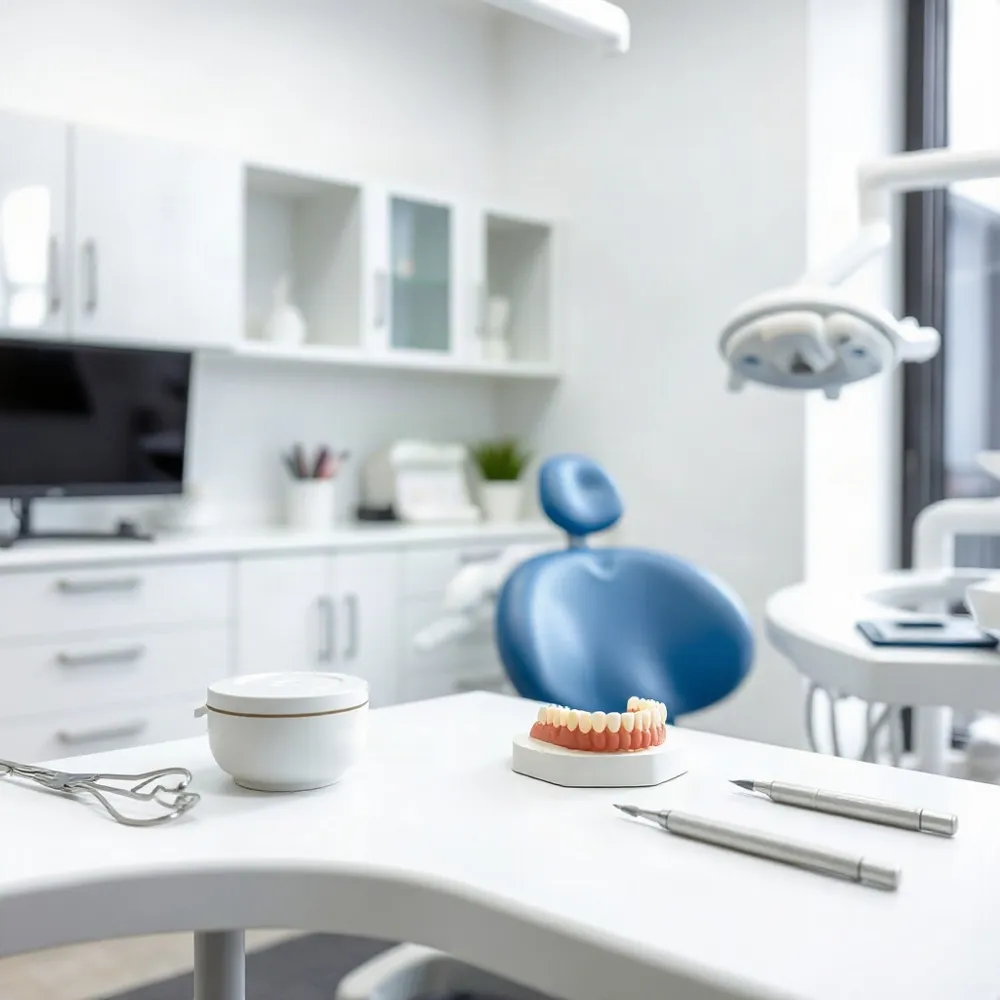 Even a well-made denture can become less stable as the gums and jawbone change, and everyday wear can affect its fit. If your denture feels loose, pinches, or makes chewing difficult, arrange a dental assessment rather than trying to adapt to the discomfort. The American Dental Association’s denture guidance recommends professional evaluation when a denture feels loose, causes discomfort, or no longer fits well.
The dentist can examine both the appliance and the tissues beneath it, then consider an adjustment, a reline to better match the current shape of the gums, a repair, or a replacement. The right option depends on the denture’s condition and the cause of the problem. At davidmmayerdmd.com, denture repairs are part of a broader range of dental services, so an assessment can help identify the appropriate next step.
Do not file or reshape a denture yourself, and do not use household glue to reattach a tooth or mend a break. These changes can damage the appliance or affect its fit. If a denture breaks, keep the pieces, stop wearing it if it is unstable or painful, and contact a dentist for advice. Cleveland Clinic’s denture guidance also advises against home adjustments and glue.
Seek prompt care for persistent soreness, mouth sores, visible damage, or difficulty eating or speaking. Routine professional checks can also catch changes before they become more disruptive. Adjustment fees vary by practice and by the work required, and a reline may be billed separately. Ask for an estimate after the denture is assessed, and check with your insurer about possible coverage.
Care, Appearance, and Long-Term Comfort
A steady care routine helps keep dentures clean and protects the mouth. Rinse removable dentures after meals, then brush them gently each day with a soft denture brush and a nonabrasive cleanser. Keep them moist in water or an appropriate soaking solution when they are out, and rinse them thoroughly before wearing them again. Follow the cleanser label and your dentist’s instructions.
Clean your gums, tongue, and the roof of your mouth, as well as any remaining natural teeth. Partial dentures with metal clasps may need specific care, so ask your dentist which products and soaking methods are suitable. Mayo Clinic’s denture-care guidance also advises handling dentures gently and cleaning adhesive from the grooves that rest against the gums.
How can I remove stains from dentures safely at home?
Rinsing after meals and gentle daily brushing can help limit deposits. Avoid bleach, whitening products, abrasive powders, harsh toothpaste, and hot water, which can damage, discolor, or warp dentures. Soak them only as directed. If stains persist, or the surface feels rough, ask a dentist to assess the appliance rather than trying to scrape or alter it at home.
For a natural appearance, tooth shape and shade, along with the gum-colored base, can be selected to complement your features. Custom Full and Partial Dentures for a Natural Look describes how material and layering choices can support a lifelike result. Comfort still depends on fit, and adjustments may be needed. The team at davidmmayerdmd.com can discuss appearance goals and assess fit as part of its denture care.
What are the disadvantages of full dentures, and how can they affect facial appearance?
Full dentures rest on the gums and do not replace tooth roots. Changes in the jawbone and supporting tissues can affect facial support and alter how a denture fits over time. New dentures may also take adjustment, and eating, speech, or comfort can be affected at first. Contact a dentist about looseness, soreness, damage, or changes in appearance. The American Dental Association’s denture guidance recommends professional evaluation when dentures become unstable, damaged, or uncomfortable.
A Plan Built Around Your Needs
If you are considering full dentures, discuss your oral health, appearance goals, daily care, treatment timeline, and costs with a dental professional. The right plan depends on your mouth and preferences, and a careful examination can help clarify your options.
Follow-up care matters after fitting, too. Regular dental visits let the dentist assess denture comfort and fit, address changes, and check the health of your gums and other oral tissues. At davidmmayerdmd.com, denture repairs are part of a full-service practice serving patients in Paterson.
A dentist can also advise when a loose, uncomfortable, or damaged denture needs professional attention, as outlined in the American Dental Association’s denture care guidance.