When Every Hour Matters
Same-day emergency dental care is a prompt assessment for acute tooth pain, a dental injury, or suspected infection. Unlike a routine checkup, the visit focuses on finding the cause of the urgent problem and deciding what care is needed.
Call a dental office before going in. Staff can ask about symptoms, advise on immediate steps, and confirm whether same-day care is available. The Cleveland Clinic’s dental emergency guidance recommends contacting a dentist first; serious injuries or breathing and swallowing problems may require emergency medical care instead.
At davidmmayerdmd.com in Paterson, the practice offers same-day emergency treatment as part of its full-service dental care. An urgent visit may include an examination, diagnosis, and steps to ease symptoms or stabilize the affected area. Some problems can be treated during that visit, while others need follow-up for lasting care.
Recognizing a Dental Emergency
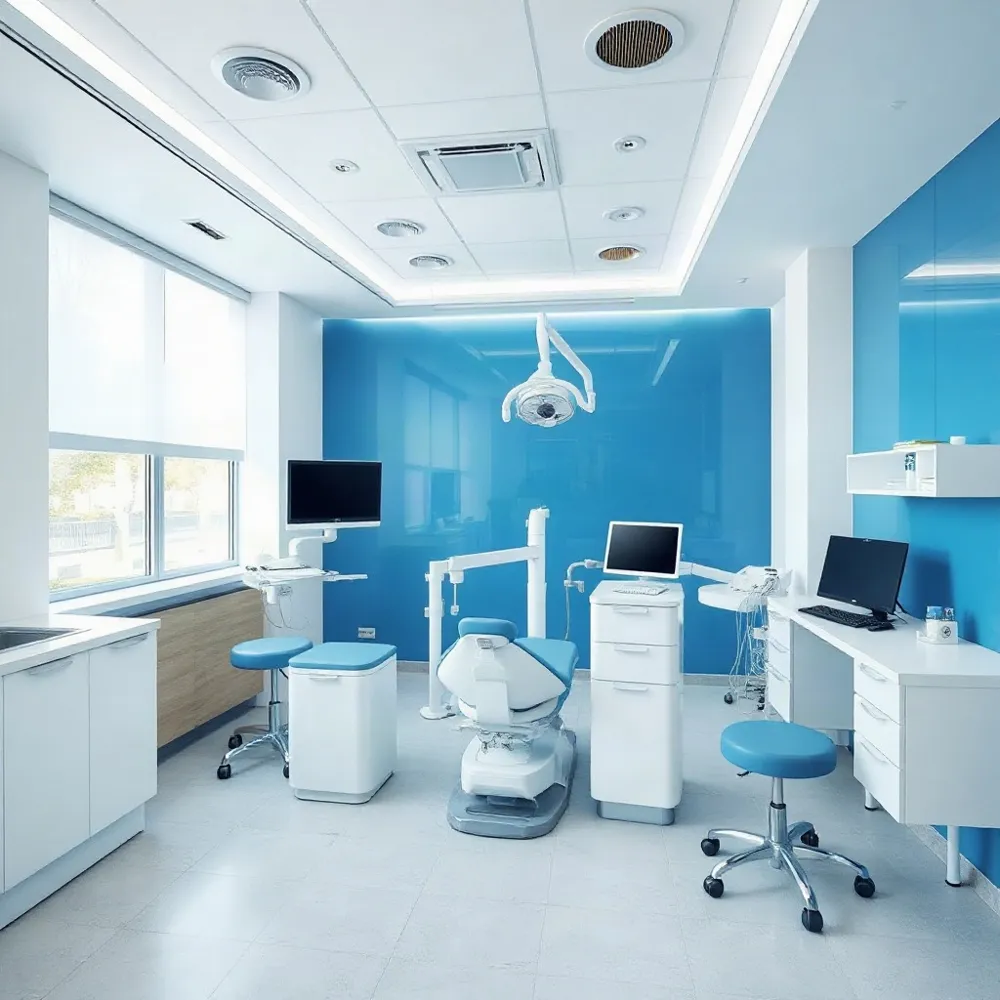 A dental emergency is a problem that needs prompt attention to ease severe pain, prevent further damage, or address a possible infection. Knowing which symptoms call for urgent dental care, and which require emergency medical help, can guide your next step.
Warning signs include severe or persistent toothache, a knocked-out or badly cracked tooth, a tooth pushed partly out of position, or a lost filling or crown that leaves the tooth exposed. A deep cut in the mouth or bleeding that continues also needs prompt attention. These symptoms and others are outlined in the Cleveland Clinic’s dental emergency guidance.
Facial or jaw swelling, pus, fever, or swelling that is spreading may point to infection. Contact a dentist promptly for advice. At davidmmayerdmd.com in Paterson, patients can access a full-service practice offering same-day emergency treatment; call to discuss symptoms and next steps.
Some warning signs call for emergency medical care rather than waiting for a dental appointment. Trouble breathing or swallowing, a severe facial injury, or bleeding that will not stop warrants a hospital emergency department or emergency services. A dentist can assess most tooth injuries, but serious facial trauma may need medical evaluation.
Do not delay care for a knocked-out permanent tooth. Handle it by the crown, avoid scrubbing the root, and seek dental help immediately. Prompt assessment can limit the risk of worsening damage or infection; this guide to recognizing a dental emergency offers more detail.
Steps to Take Before Care
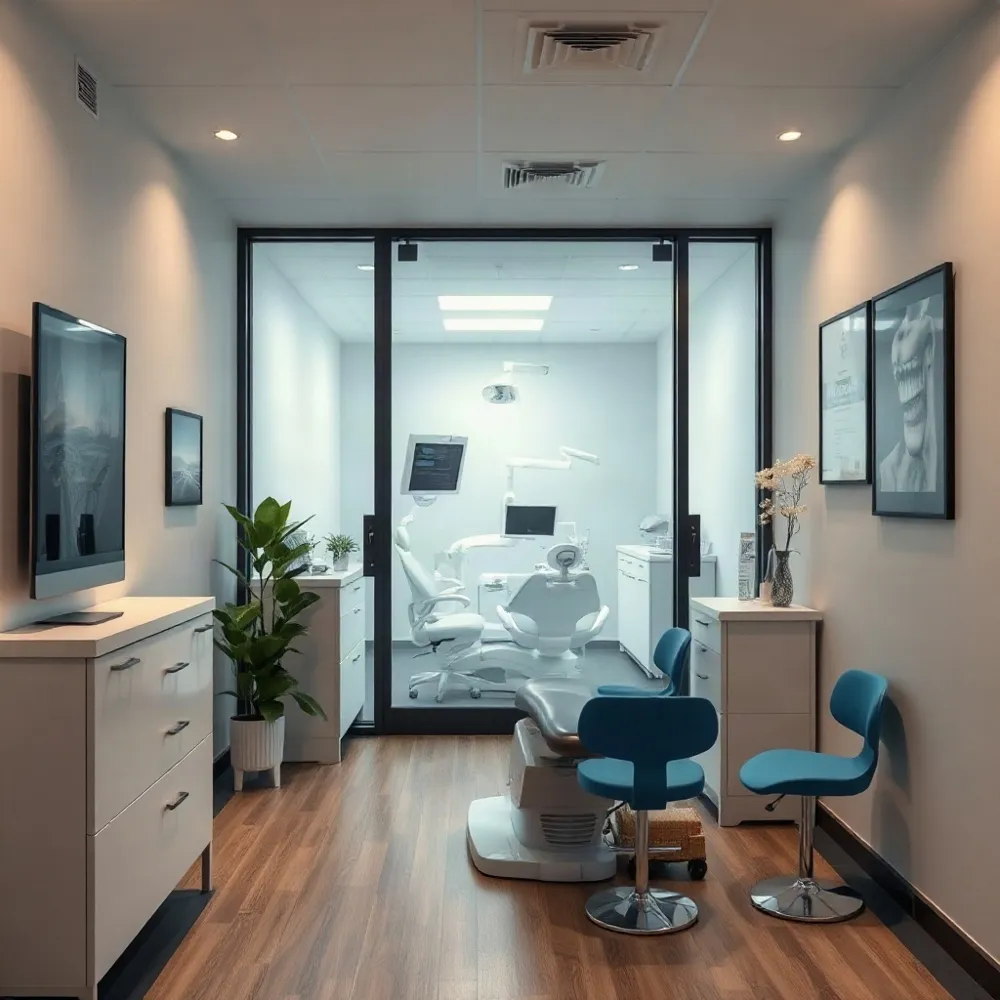 While arranging care, call a dentist promptly, describe your symptoms and how the injury happened, and follow the instructions you receive. If you are contacting David M. Mayer DMD in Paterson, sharing these details can help the team understand your situation and advise you on next steps. The practice’s multilingual team speaks English, Spanish, and Arabic.
For a knocked-out permanent tooth, pick it up by the crown, the visible chewing surface, and avoid touching or scraping the root. Gently rinse off visible dirt with milk or saliva, then try to place it back in its socket without force. If it will not go in easily, keep it moist in milk or a clean container of saliva and seek dental care immediately. Cleveland Clinic’s guidance on knocked-out teeth recommends prompt care. For more steps, see [what to do while waiting for care after a tooth is knocked out](./how-to-handle-a-knocked-out-tooth-while-waiting-for-care#a-knocked-out-tooth-can-be-saved).
Do not put a knocked-out baby tooth back in its socket, since this could harm the developing permanent tooth. For pain or swelling, apply a cold compress to the outside of your face. If you take an over-the-counter pain reliever, follow its label directions and consider your health conditions and other medicines. Never place aspirin directly on a tooth or gums, as it can burn the tissue. These measures may offer temporary relief, but they do not replace an examination.
What an Emergency Room Can Do
 An emergency room can assess tooth pain, check for signs that an infection may be spreading, and offer medication to help manage pain or swelling. But ER teams generally do not provide definitive dental procedures, such as fillings or root canals, and usually do not extract teeth. Medication may ease symptoms without treating their dental cause, so arrange prompt follow-up with a dentist.
Most dental emergencies are treated in a dental office, while serious injuries such as broken facial bones need emergency-room care, according to Cleveland Clinic guidance on dental emergencies. Trouble breathing or swallowing, severe or rapidly worsening facial swelling, or another sign of a serious medical emergency calls for immediate medical care. For more on the ER’s role in evaluating pain and possible spreading infection, see what an emergency room can do.
After an ER visit, a dentist can examine the tooth and identify the cause. Treatment may include a filling, root canal, drainage, or extraction, depending on the findings. In Paterson, davidmmayerdmd.com provides same-day emergency treatment alongside broader dental care, including crowns and extractions. Ask the office what care is available for your symptoms and what follow-up may be needed.
Getting Help After Hours
What should I do if a dental emergency happens at night or on a weekend? Call your dental office, even if it is closed. The voicemail may provide instructions or an on-call number. The American Dental Association’s guidance on emergency treatment recommends that offices provide emergency contact information and direct callers with life-threatening symptoms to emergency services.
If you cannot reach a dentist, protect the injured area and arrange dental care as soon as a provider is available. For a knocked-out permanent tooth, hold it by the crown, not the root. If you cannot gently return it to its socket, keep it moist in milk and seek care right away. Cleveland Clinic’s dental emergency guidance recommends prompt dental attention for a knocked-out tooth.
Call 911 or go to an emergency department for trouble breathing or swallowing, a severe facial or jaw injury, or bleeding that will not stop. While waiting for care, do not place aspirin or other pain medication directly on a tooth or gums, as it can burn the tissue.
For Paterson patients, davidmmayerdmd.com offers same-day emergency treatment as part of its full-service dental care. Calling the office lets the team advise on next steps and help determine whether the problem needs emergency medical care.
Discussing Cost and Access
Can I get emergency dental treatment if I have no insurance or limited funds? Often, yes. Call dental offices, explain your situation, and ask about the cost of an urgent examination, payment plans, or other ways to make care affordable. At David M. Mayer DMD in Paterson, the multilingual team serves patients in English, Spanish, and Arabic, which may help make it easier to discuss your needs.
Community health centers, dental schools, and charitable programs may also offer reduced-cost services, sometimes based on income. Their availability, eligibility rules, and services vary by location, so contact them directly before relying on a particular option.
Before agreeing to treatment, ask for an estimate and clarify which care is most urgent, what can wait, and whether follow-up will add costs. Coverage and out-of-pocket expenses depend on your insurance plan, so check its benefits and discuss the proposed charges with the dental office.
Cost concerns should not delay emergency medical care for uncontrolled bleeding, facial swelling that affects breathing or swallowing, or a serious injury. An emergency department can assess and stabilize urgent symptoms, but may not provide definitive dental treatment such as a filling or crown. Arrange dental follow-up for treatment of the underlying problem, as Cleveland Clinic explains.
For more on discussing payment plans and urgent-care costs, see options for making emergency dental care accessible.
When Extraction Is an Option
Do emergency dentists perform same-day tooth extractions? Yes, an extraction may be possible during an urgent visit when an examination shows it is appropriate and the office can provide it safely. At davidmmayerdmd.com, the Paterson practice offers same-day emergency treatment, with care chosen according to the patient’s needs.
The dentist examines the affected tooth and nearby gums and tissues, and may take X-rays to assess the roots, surrounding bone, or infection. The team also reviews health history, current medications, and allergies before treatment so these factors can inform a safe plan.
A tooth that is accessible and straightforward to remove may be treated differently from one with complex roots or an infection that needs additional care. The dentist can explain whether extraction can proceed at that visit or whether further treatment or referral is needed. If the tooth appears restorable, options may include a filling, crown, or root canal treatment instead.
Call ahead to describe symptoms and ask whether same-day assessment and treatment are available. Prompt dental evaluation can help guide the next step, but trouble breathing or swallowing or rapidly spreading facial swelling calls for urgent medical care. Cleveland Clinic’s dental emergency guidance identifies these symptoms as reasons to seek urgent help.
For more detail on what an urgent extraction visit may involve, see the process of same-day emergency tooth extractions.
Using Pain Relief Safely
What is the 3-3-3 rule for toothache, and is it safe to follow? The phrase commonly refers to taking 600 mg of ibuprofen, or three 200 mg tablets, three times a day for up to three days. It is not a universally approved dosing rule, and it may not be appropriate for everyone.
Safety depends on age, health conditions, other medicines, and the directions on the specific product. Ibuprofen may be unsuitable for people with stomach ulcers or kidney disease. Children should not follow this adult schedule. Ask a dentist, pharmacist, or clinician before using it, and never exceed the product label’s dose.
Pain medicine may ease discomfort temporarily, but it does not treat the cause of a toothache. Arrange a dental assessment rather than relying on pain relief alone. At David M. Mayer DMD in Paterson, same-day emergency treatment is available for urgent dental problems, alongside a broad range of family dental care.
Facial swelling, fever, or difficulty swallowing needs prompt attention. Contact a dentist or seek urgent medical care when these symptoms occur. For other warning signs and guidance on where to seek help, see Cleveland Clinic’s dental emergency advice.
For general guidance on using pain relief safely, remember that symptom control is only a temporary step while arranging professional care.
Prompt Care, Clear Next Steps
When severe pain, uncontrolled bleeding, swelling, or dental injury raises concern, contact a dentist promptly for guidance. Trouble breathing or swallowing, or a suspected facial fracture, calls for emergency medical care. The Cleveland Clinic’s dental emergency guidance explains when a dental office or emergency department is the appropriate next stop.
A same-day visit may ease symptoms and stabilize the affected tooth, but some treatment takes more than one appointment. At davidmmayerdmd.com in Paterson, patients can access same-day emergency treatment alongside a broad range of dental care, so the team can discuss how urgent care fits into any needed follow-up.
Before treatment begins, ask what the examination found, which options are available, what each may cost, and what care remains afterward. The American Dental Association’s emergency treatment guidance emphasizes assessing urgency and providing appropriate relief. Clear answers help you understand the plan and know whom to contact if symptoms change.