A Durable Restoration, Not a Lifetime Guarantee
A dental crown covers a damaged or weakened tooth, helping restore its shape and function while protecting it from further harm. A dentist may recommend one for a cracked tooth, a tooth with a large filling, or a fragile tooth after root canal treatment. The Cleveland Clinic’s guide to dental crowns explains common uses and care considerations.
Crowns commonly last about 10 to 15 years, but that range is not a deadline or a promise. The crown’s material and fit matter, as do daily cleaning and the health of the tooth and gums beneath it. At davidmmayerdmd.com, patients can discuss crown treatment with a multilingual dental team serving families in Paterson. Regular checkups help a dentist assess the restoration and spot changes that may need attention.
What Crowns Do and When They Help
 A dental crown is a custom-made, tooth-shaped restoration that covers the visible part of a tooth. It can protect and strengthen the tooth, restore its shape and chewing function, or improve its appearance. “Tooth cap” is simply an informal name for a crown, not a different treatment. Learn more about what a dental crown does.
A dentist may recommend a crown when extensive decay or a large filling leaves too little tooth structure for a filling alone. Crowns can also cover cracked or weakened teeth, protect teeth after root canal treatment, support a dental bridge, or cover an implant. In some cases, they restore the shape of a severely discolored or misshapen tooth. The Cleveland Clinic’s guide to dental crowns describes their use for teeth that are decayed, broken, weak, or worn.
A crown is not the right choice for every tooth. An examination helps the dentist assess the tooth’s condition and discuss suitable options. At davidmmayerdmd.com, a full-service Paterson practice with more than 40 years of experience, patients can discuss restorative care with a multilingual team.
Choosing Among Crown Materials
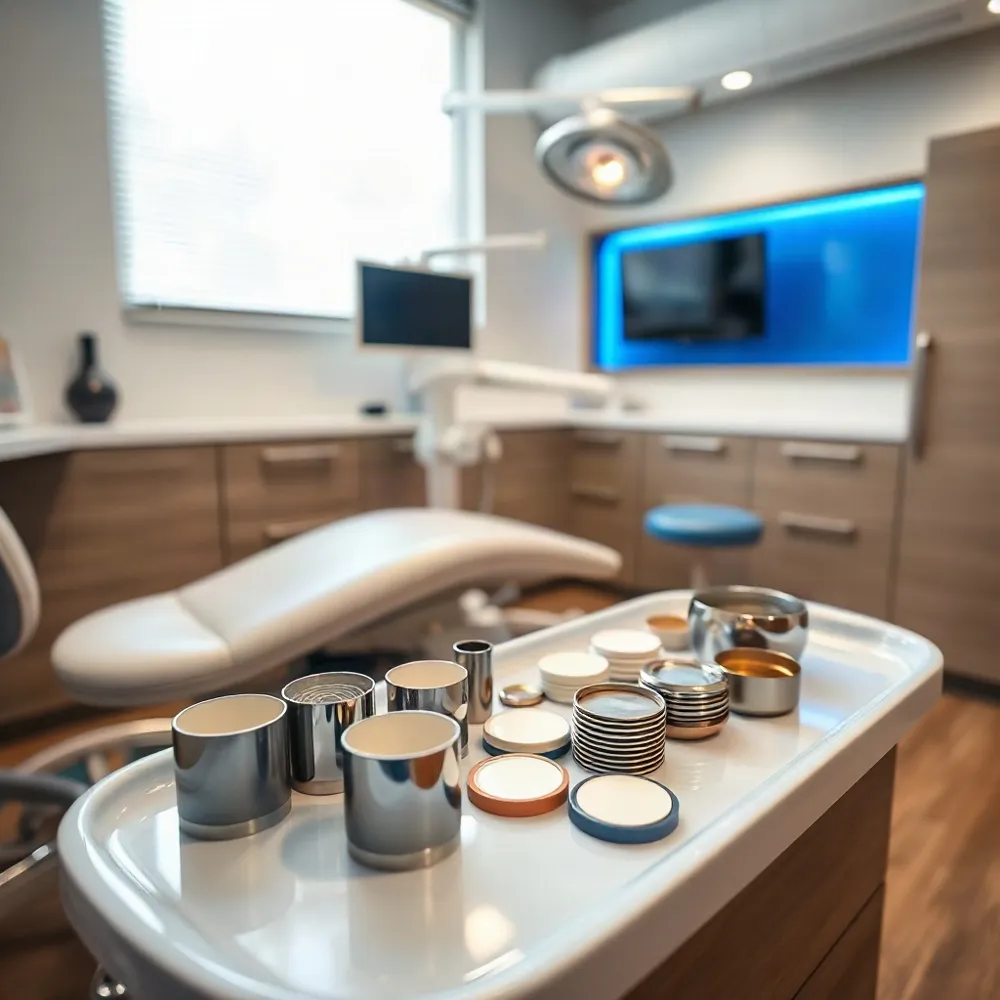 Crown materials differ in appearance, strength, and how they respond to biting forces. All-ceramic and porcelain crowns have a tooth-colored finish and are often considered for teeth that show when you smile. Zirconia also looks tooth-colored, with high resistance to fracture, and may be an option for teeth that handle heavier chewing.
Metal crowns, including gold, are durable and resist chipping, but their metallic appearance is less discreet. Dentists often consider them for molars that are less visible. Porcelain-fused-to-metal crowns pair a supportive metal base with a tooth-colored outer layer. The porcelain can chip, and gum recession may reveal a dark metal edge. These options and trade-offs are outlined by the Cleveland Clinic and Healthline.
There is no single material that suits every tooth. A dentist considers its location, the strength of your bite, how much natural tooth remains, and your appearance preferences when discussing options. At davidmmayerdmd.com, crown care is part of a full-service practice that also provides routine and urgent dental treatment, so patients can discuss their needs in the context of their broader oral health.
What to Expect During Crown Treatment
What happens during the dental crown procedure?
The dentist examines the tooth and may take X-rays to confirm that a crown is appropriate. After numbing the area with local anesthetic, the dentist reshapes the tooth to make room for the restoration, then takes an impression or digital scan. A temporary crown protects the tooth while a dental laboratory makes the permanent one. At the second visit, the temporary crown is removed, the new crown’s fit and bite are checked, and it is secured. See our guide to what patients can expect during crown treatment for more on the process. The Cleveland Clinic’s overview of crown placement also describes the usual two-appointment approach.
How long does the dental crown procedure take?
As a general estimate, preparation and placement of a temporary crown take about 60 to 90 minutes. The permanent crown is often ready one to a few weeks later, and fitting and securing it may take about 30 to 45 minutes. Actual appointment lengths vary, and additional treatment or a more complex case can extend the timeline.
Some offices can make and place a crown in one visit, often taking about 1.5 to 2.5 hours, but availability and suitability depend on the tooth and the office’s equipment. At davidmmayerdmd.com in Paterson, state-of-the-art technology supports a range of dental care; ask the team which crown process is appropriate for your tooth and what timing to expect.
What Shapes a Crown’s Lifespan
A dental crown often lasts about 10–15 years, but some remain in good condition longer. This is a general range, not a countdown or a guarantee. Cleveland Clinic’s overview of dental crowns notes that proper care can help a crown last well beyond the average.
Its lifespan depends on more than material. A crown’s quality and fit, how the tooth was prepared, and the accuracy of the scan or impression all matter. So do the condition of the tooth and the surrounding gums. Location is another factor: molars face greater chewing pressure than front teeth. At davidmmayerdmd.com, regular dental care gives the dentist an opportunity to assess the crown and the health of the tooth beneath it.
Grinding or clenching can place repeated stress on a crown. Chewing ice or hard objects, or using teeth to open packages, can also cause damage. People who grind their teeth can ask their dentist whether a night guard is appropriate. The Healthline guide to crown longevity also emphasizes that oral hygiene and regular dental care affect how long a crown lasts.
Brush twice daily and floss around the crown each day to help protect the natural tooth at its edge. Keep up with dental checkups and cleanings so a dentist can monitor the crown and surrounding gums. Contact the office if the crown feels loose, becomes chipped, or causes pain or sensitivity.
Protecting the Tooth Beneath the Crown
A crown covers the visible part of a tooth, but the natural tooth underneath can still decay, especially where the crown meets the tooth. Plaque near the edge, gum recession, or a crown that has loosened or become damaged can raise the risk. Because decay may not cause obvious symptoms at first, brushing with fluoride toothpaste, cleaning between teeth, and regular dental visits remain important. Learn more about protecting the tooth beneath a crown.
Sensitivity or pain, swelling, a bad taste, discoloration, or a crown that feels loose are reasons to contact a dentist. These signs do not confirm decay, but they warrant an assessment. A dentist can examine the crown and surrounding tooth and may take X-rays to check for problems that are not visible at the surface. At davidmmayerdmd.com, routine and urgent dental care are part of a full-service practice serving patients in Paterson, New Jersey.
How can I care for a temporary crown after treatment?
Follow the instructions from your dentist, and wait until numbness has worn off before eating so you do not accidentally bite your cheek or tongue. Choose soft foods and chew on the other side when possible. Avoid hard, sticky, or chewy foods that could crack or pull off the temporary crown.
Brush gently with a soft-bristled toothbrush. When flossing near the crown, slide the floss out to the side rather than pulling it upward, which could catch on the edge. Mild sensitivity may occur after treatment, but severe or persistent pain, an uneven bite, or a chipped or loose temporary crown calls for a call to the dental office. If the crown comes off, keep it and ask the office what to do; do not try to permanently reattach it yourself.
What are the possible disadvantages or risks of a dental crown?
Preparing a tooth for a crown requires removing some enamel, so the tooth is permanently altered and may feel sensitive or sore for a short time. In some cases, problems involving the tooth’s nerve may require further treatment, such as a root canal. Crowns can also chip, crack, loosen, or come off, while a poor fit may cause bite discomfort or irritate the gums. Cleveland Clinic’s guide to dental crowns explains that a poorly fitting crown can trap bacteria and contribute to decay.
Decay can still form at the crown’s edge, and crowns may eventually need repair or replacement. At davidmmayerdmd.com, the practice offers a range of care, from routine checkups to same-day emergency treatment, so patients can seek assessment when a crown or the tooth beneath it causes concern.
When to Reassess or Replace a Crown
A crown does not need replacing just because it has reached a certain age. Its condition and fit matter more. A dentist can examine it and, when appropriate, take X-rays to check for decay, an open margin, or damage. Cleveland Clinic’s guidance on dental crowns explains that a crown’s lifespan varies and damage may call for attention.
Arrange an assessment if you notice a crack, chip, looseness, wear, pain when biting, temperature sensitivity, swelling, gum changes, a visible gap, or an exposed edge. These signs do not automatically mean replacement is necessary, but a dentist should identify the cause. Read more about when a crown may need reassessment. At davidmmayerdmd.com, patients can discuss concerns with a dental team at a full-service Paterson practice.
Crown costs vary with location, material, the tooth’s condition, and added treatment such as a buildup or root canal. Lab fees and fabrication technology may also affect the total. Request a dated, itemized estimate, then check your insurance deductible, annual maximum, network rules, waiting periods, and expected benefits before proceeding.
Let Your Dentist Assess the Crown
A crown’s expected lifespan is a guide, not a countdown. Daily brushing and flossing, along with routine dental visits, help protect the restoration and the natural tooth beneath it. Cleveland Clinic’s crown care guidance also stresses regular exams.
Contact a dental professional if you notice new pain, looseness, chips, or another change. An examination can identify the cause and whether treatment is needed. At davidmmayerdmd.com, patients can access family dental care and same-day emergency treatment in Paterson. Don’t judge a crown by age alone or try to replace it yourself.