Rediscover Your Smile with Natural-Looking Dentures
Modern dentures have moved far beyond the bulky, unnatural-looking options of the past. Today, advanced materials and digital fabrication techniques make it possible to create dentures that closely mimic the appearance, feel, and function of natural teeth.
A well-crafted denture restores more than just a complete smile. It supports your facial structure, improves your ability to eat and speak, and can significantly boost your confidence. Whether you have lost one tooth or a full arch, the right denture can be comfortable, stable, and virtually indistinguishable from your original teeth.
This guide covers the types of natural-looking dentures available today, the materials that make them realistic, what you should expect for cost and process, and how to find a provider who prioritizes both fit and aesthetics.
What Are Natural-Looking Dentures?
Natural-looking dentures are custom-made oral appliances designed to replace missing teeth while closely matching the appearance and feel of natural teeth and gums. They are the result of three factors working together: premium materials, the dentist's skill, and the time invested in customization.
Materials, Artistry, and Customization
The foundation is material choice. Premium dentures use layered acrylics or porcelain that mimic the translucency of natural enamel. The gum-colored base is tinted to match the patient's own tissue, with subtle surface variation that avoids a painted-on look.
Artistry comes next. A skilled dentist studies the patient's face, bite, and smile to select tooth size, shape, and shade that fit their age and complexion. Slight asymmetries are preserved because natural teeth are never perfectly identical. Proper lip support prevents the sunken appearance common with older denture styles.
Finally, customization takes time. Multiple fittings and adjustments ensure the denture feels stable during talking and chewing, with no clicking or slipping. The goal is a seamless smile that looks and feels like the patient's own, supporting both facial structure and confidence.
Types of Full Dentures: From Conventional to Implant-Retained
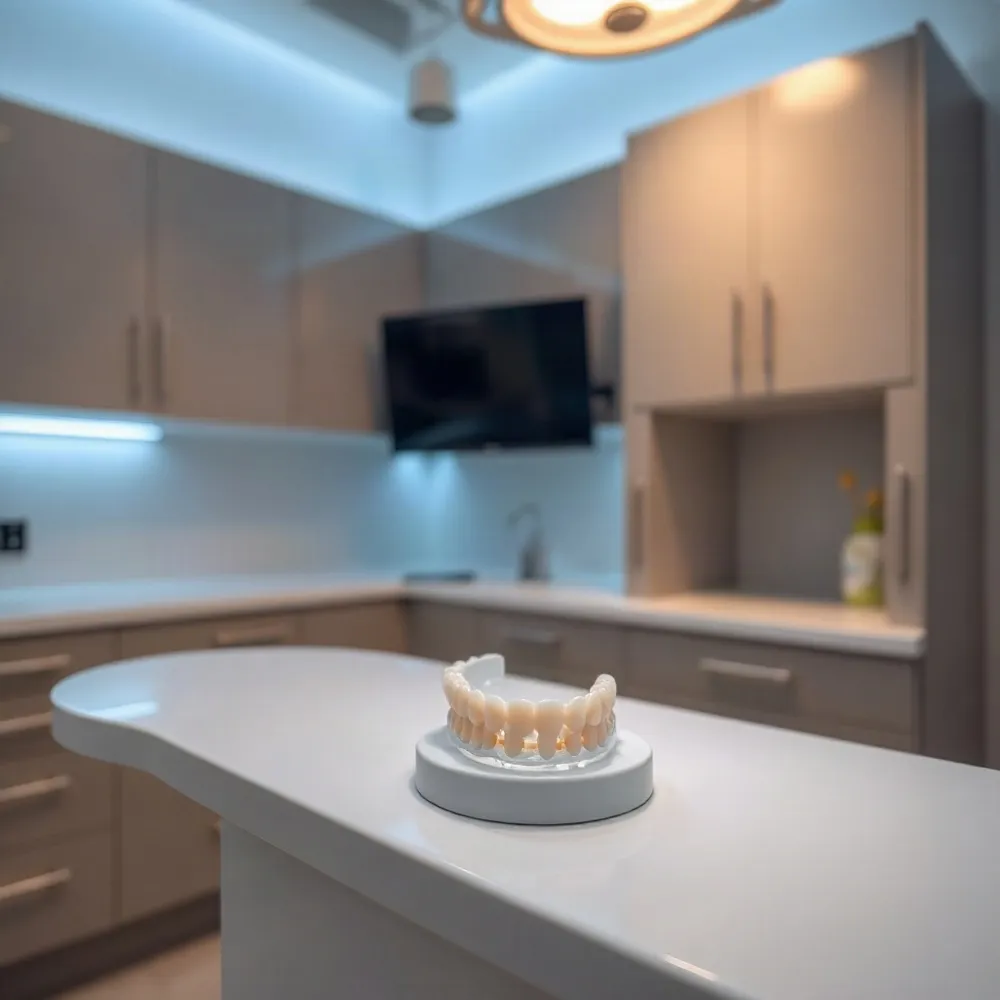 Selecting the right type of denture depends on how much time has passed since extractions, your bone density, and whether you want a removable or fixed appliance.
Conventional Full Dentures
A conventional full denture is made 8 to 12 weeks after tooth removal, once the gum tissue has healed and the jawbone ridge has stabilized. It rests on the gums and relies on suction or an adhesive for retention. These dentures are a time-tested, cost-effective solution for patients who have lost all teeth in an arch.
Immediate Full Dentures
An immediate full denture is prefabricated and inserted on the same day as extractions, so you never have to go without teeth. Because the bone and gums will shrink during healing, immediate dentures require a reline after a few months to maintain a proper fit. They serve as a temporary solution until a final conventional denture can be made.
Implant-Retained and Implant-Supported Dentures
For greater stability, full dentures can be attached to dental implants. Implant-retained (snap-in) dentures click onto 2-4 implants and can be removed by the patient for cleaning. Implant-supported (fixed) dentures are non-removable, offering the highest level of chewing function and bone preservation. These options eliminate slipping and the need for adhesives.
| Type | Timing | Retention | Best For |
|---|---|---|---|
| Conventional | After 8–12 weeks healing | Gums / suction / adhesive | Cost-effective, established fit |
| Immediate | Same day as extractions | Gums (needs reline later) | No toothless period |
| Implant-Retained | After implant integration | Snap-on implants | Stability, removable for cleaning |
| Implant-Supported | After implant integration | Fixed to implants | Maximum function, permanent |
At davidmmayerdmd.com, patients receive a thorough evaluation of their bone density, budget, and preferences to choose between these options. With over 40 years of experience, the team guides each patient toward the type of denture that will restore both function and confidence.
Materials That Mimic Nature: Porcelain, Acrylics and Resins
Materials That Mimic Nature: Porcelain, Acrylics and Resins
The material a denture is made from directly affects how natural it looks and how comfortable it feels in the mouth. Cheap plastic teeth bounce light off the surface and produce a flat, artificial smile. Premium options use layering and translucency to mimic the way real enamel handles light.
Porcelain. Closely mimics the translucency and texture of natural enamel, which gives a lifelike glow. Porcelain is more durable than standard plastic and resists stains and chips. However, it is heavier and more brittle, which can increase the risk of fracture if dropped.
Layered acrylic. Uses multiple layers of acrylic resin to create depth and subtle color variations, producing a natural shine without the weight of porcelain. Acrylics adhere well to the denture base and are lighter, making them a popular choice for many patients. At davidmmayerdmd.com, we select high-grade acrylics that offer both aesthetic quality and durability.
Flexible resins and soft liners. Modern flexible materials reduce pressure spots on gums and adapt to mouth movements, improving comfort during eating and speaking. Soft denture liners can be added to the base for patients with sensitive gum tissue.
The gum-colored base is just as important as the teeth. A quality base is tinted to match the patient's natural gum tissue and includes subtle surface variations, so the transition from tooth to gum becomes nearly invisible. This attention to the tooth-to-gum transition is what separates a natural-looking smile from one that looks like dentures.
Comfort and Fit: Why Customization Matters
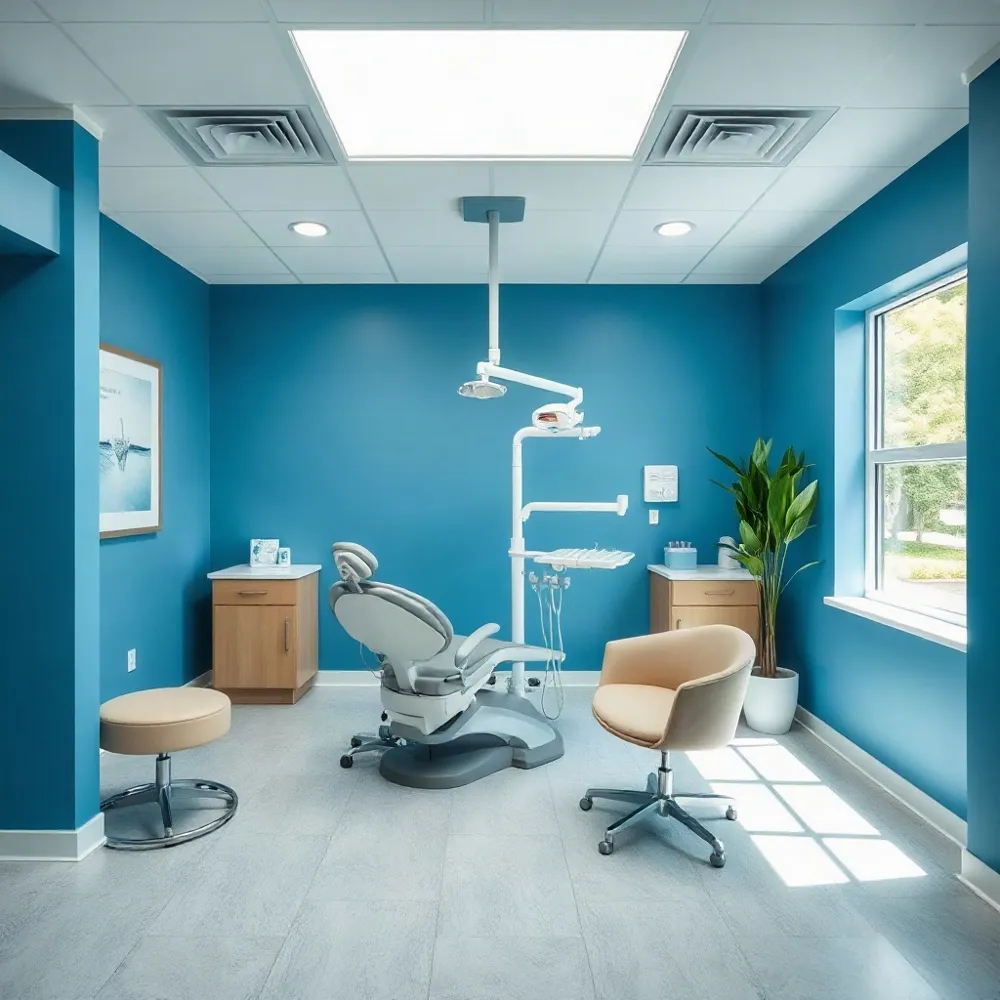 A denture that looks natural but shifts with every word or causes persistent sore spots will undermine confidence and comfort. Poor fit can lead to clicking sounds during speech, gum irritation, and difficulty chewing. Proper customization addresses each of these issues through precision fabrication and multiple fitting stages.
Digital Scanning: A New Standard for Fit
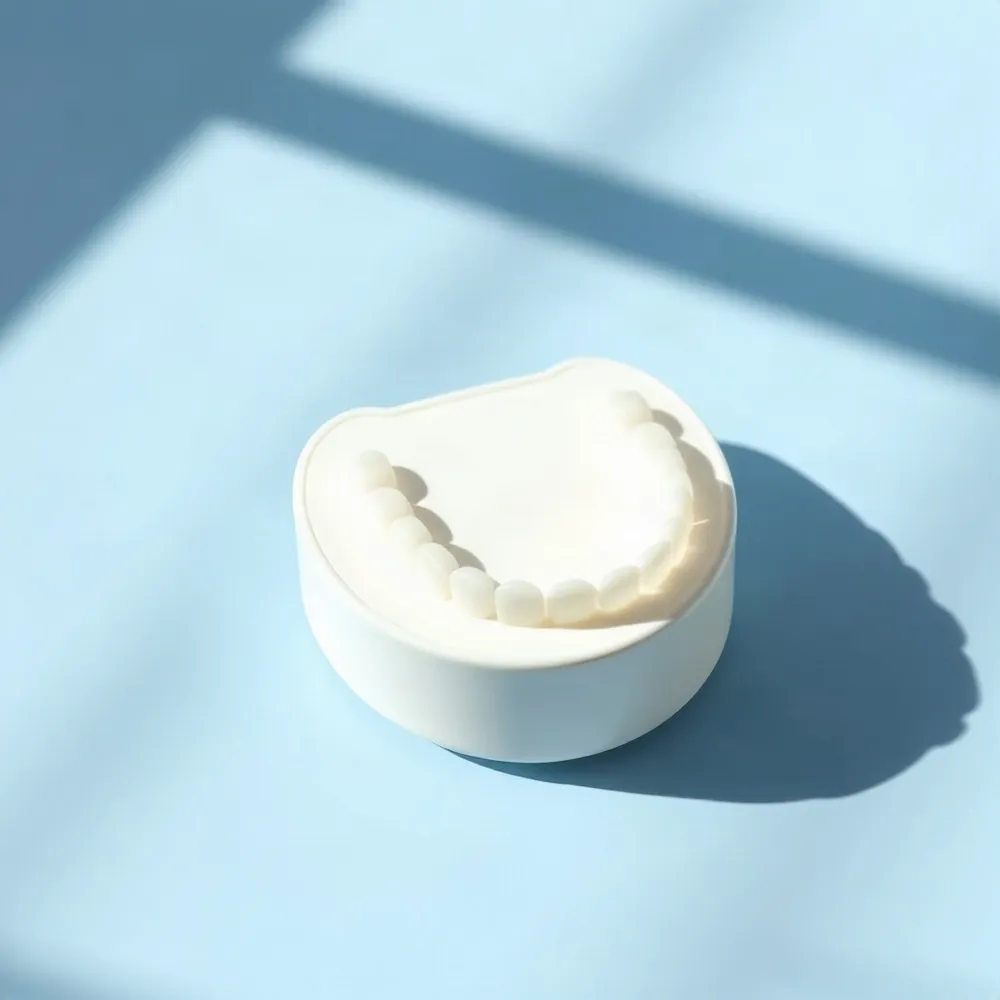
Traditional putty molds can leave small gaps or distortions that cause trouble later. Digital intraoral scans capture the exact contours of your gums and jaw in high resolution, allowing the dental lab to create a stone model that mirrors your mouth far more accurately. The result is a denture base that hugs the tissue without slipping and requires fewer adjustments at delivery.
At davidmmayerdmd.com, the team uses state-of-the-art technology to map your bite and gum structure, which reduces the guesswork in both fit and aesthetic outcome. The process typically includes a wax try-in stage where you preview the look and feel before the final acrylic or resin is cured.
Multiple Fittings Catch Problems Early
A single fitting rarely produces a perfect result. The most comfortable dentures involve a sequence of appointments: an initial consultation, digital impressions and bite records, a wax try-in for approval, delivery with on-the-spot adjustments, and follow-up visits during the first few weeks. Each step allows the dentist to identify pressure points, refine the tooth-to-gum transition, and ensure the bite meets evenly. Skipping any of these stages increases the risk of the denture slipping, clicking, or rubbing sore spots.
Implant-Supported Dentures for Maximum Stability
When patients ask which denture type is the most comfortable to wear, the answer is almost always implant-supported. Two to four titanium posts per arch anchor the denture so it does not shift during chewing or speaking. This eliminates the need for adhesive and allows eating a wider range of foods. Implant-supported dentures also stimulate the jawbone, preventing the bone loss that causes facial collapse over years of wearing a conventional denture. Patient satisfaction surveys report the highest comfort and chewing function scores for implant-supported designs.
For those who are not candidates for implants, flexible partial dentures offer a gentler alternative. Materials such as lightweight, bendable resins adapt to the contours of the mouth and reduce pressure on sensitive gums. These options provide a secure, natural-feeling fit without surgery.
The Adjustment Period: What to Expect
Even a well-fitted denture requires a 2-to-3-week adjustment period. During this time, speech may sound different and chewing can feel awkward. Saliva production may increase as the mouth adapts. Most patients find that these issues resolve as the oral muscles learn to work with the new appliance. The dentist will schedule follow-up visits to make small adjustments during this window, which is why choosing a practice that offers in-house adjustments is important.
The team at davidmmayerdmd.com provides ongoing support throughout this period, ensuring the denture settles into a comfortable, natural fit. With proper customization and professional follow-up, a quality denture should feel stable and forgettable in daily use.
What Do Natural-Looking Dentures Cost?
The cost of natural-looking dentures varies based on the type, materials, and level of customization. A quality full denture typically ranges from $2,275 to $3,500 per arch, while premium versions with high-end teeth and detailed characterization run $3,500 to $5,500 per arch. For the most stability and natural feel, implant-supported dentures range from $8,000 to $15,000 per arch.
The price is driven by several factors. Premium materials like layered acrylic or porcelain that mimic natural enamel's translucency cost more than basic plastics. A dentist's experience, the lab's quality, and the number of customized fittings and try-ins also add to the total.
Preparatory work such as tooth extractions or gum treatment may increase the cost further. For example, dentures with extractions can range from $3,500 to $6,000 per arch. Immediate dentures, placed on the same day as extractions, cost between $2,500 and $4,000 per arch.
Most patients combine dental insurance, which typically covers 50% up to an annual maximum, with payment plans or CareCredit to manage the expense. At davidmmayerdmd.com, the team offers a clear discussion of costs and financing options, helping patients find a path that fits their budget.
For those who cannot afford private care, dental school clinics provide significantly reduced prices. Student dentists, supervised by experienced faculty, offer full or partial dentures as part of their training. Local health departments and community health centers may also offer sliding-scale fees or charitable programs for qualifying patients.
The Denture Process: What to Expect
Getting a new set of dentures is a structured process that typically spans several weeks. Understanding what happens at each stage can ease any anxiety and help you prepare for the journey toward your new smile.
Consultation and digital impressions. The process begins with a comprehensive dental exam to check the health of your gums and any remaining teeth. Digital scans capture a highly precise 3D image of your mouth, replacing the messy putty molds of the past. This data allows for a more accurate fit from the start.
Wax try-in. Before the final denture is fabricated, the lab creates a wax model. This try-in appointment lets you preview the size, shape, and shade of the teeth, as well as the overall look and fit. It is your opportunity to request changes before the denture is finalized.
Fabrication with CAD/CAM technology. The dental lab uses the digital impressions and your feedback from the try-in to mill or 3D-print the final denture from premium materials. Computer-aided design (CAD/CAM) ensures the teeth and base are crafted to match the planned specifications with a high degree of precision.
Delivery and follow-up adjustments. Your dentist places the new denture and checks for pressure points, stability, and bite alignment. Minor adjustments are made on the spot. A well-made denture will still require a follow-up visit after a few days of wear to address any sore spots that may develop as your gums adapt.
The entire process for traditional dentures usually takes four to six weeks from the initial consultation to final delivery. If you opt for implant-supported dentures, the timeline is longer because the implants must first fuse with the jawbone, a healing period that takes three to six months before the final denture can be fabricated.
A practice that can perform adjustments in-house is a major advantage. It reduces wait times and allows your dentist to fine-tune the fit over multiple visits without sending the denture back to an external lab. This is one reason patients choose a full-service practice like the one in Paterson, NJ, where the same team follows the case from start to finish.
| Stage | What Happens | Typical Duration |
|---|---|---|
| Consultation | Oral exam and digital scan | 1 visit |
| Try-in | Review wax model and approve design | 1 visit |
| Fabrication | Lab creates the final denture | 1-2 weeks |
| Delivery | Placement and initial adjustments | 1 visit |
| Follow-up | Check fit and make minor changes | 1-2 visits over 2 weeks |
| Healing (implants) | Bone integrates with implants | 3-6 months |
If you have any remaining natural teeth that need to be removed, your dentist will discuss whether an immediate denture (placed on the same day) or a conventional denture (made after the gums have healed for 8 to 12 weeks) is the better choice for your long-term fit and comfort.
Keeping Your New Smile Healthy: Care, Reline and Replacement
 Consistent daily care protects your investment and keeps your smile looking natural. At the end of each day, remove your dentures and brush them with a soft brush and a non-abrasive denture cleaner. Avoid toothpaste, which is too abrasive and can scratch the polished surface.
Soak your dentures overnight in a denture cleansing solution. This step helps remove bacteria and keeps the material hydrated. While your dentures are out, brush your gums, tongue, and any remaining natural teeth to maintain overall oral health.
Scheduling Relines and Planning for Replacement
Your jawbone and gum tissues change shape over time, which can loosen a previously perfect fit. A denture reline is typically recommended every one to two years for traditional dentures to reestablish a snug fit. Some sources suggest a reline every two to five years depending on the material and rate of bone change. A traditional denture should be replaced every seven to 10 years, while implant-supported dentures tend to last longer.
Signs to call your dentist. A loose fit, persistent soreness or pinching, clicking sounds during speech, visible cracks or discoloration, and any denture older than 10 years are clear signals to schedule an appointment.
Sleeping without dentures. Remove your dentures for at least eight hours each night. Sleeping without them gives your gums a break, reduces the buildup of harmful oral bacteria, and helps keep your jawbone as strong as possible.
At davidmmayerdmd.com, we offer in-house adjustments and clear guidance on when a reline or replacement is needed. Regular check-ups let us monitor your gum health and make small fit corrections before they become bigger problems.
Take the Next Step Toward a Confident Smile
Modern dentures deliver a natural look, reliable comfort, and everyday function that lets you eat, speak, and smile without a second thought.
A consultation is the first step to a personalized solution. The team at David M. Mayer DMD brings over 40 years of experience, uses state-of-the-art technology, and offers care in English, Spanish, and Arabic.