A Crown’s Lifespan Depends on More Than Timing
Same-day CEREC crowns often last about 10 to 15 years, and some may last longer with good care. That is a general estimate, not a promise about how long any one crown will last.
“Same-day” describes how the crown is designed, made, and placed, not its lifespan. At David M. Mayer, DMD & Associates in Paterson, NJ, CEREC crowns are made in one visit. Learn more about CEREC same-day crowns.
How long a crown lasts depends on more than its material or how quickly it was made. The tooth beneath it and the surrounding gums still need care, and habits such as grinding or chewing hard objects can add stress. A long-term study of CEREC restorations offers useful context, but an individual crown's outlook depends on its condition and care.
A dentist can check the crown and the tooth beneath it during regular visits and assess any changes in comfort or fit. If you notice pain, looseness, or a chip, arrange an evaluation rather than waiting for the crown to come out.
Frequently asked questions
How long do same-day crowns last?
Many last about 10 to 15 years, though some last longer. No estimate can predict the lifespan of a particular crown.
Does same-day mean the crown will not need replacing?
No. Same-day refers to the treatment process. Crowns may need repair or replacement if they become damaged or the supporting tooth develops a problem.
To discuss a crown in Paterson, call (973) 881-8568 or book an appointment online. The team speaks English, Spanish, and Arabic.
What the Lifespan Estimate Means
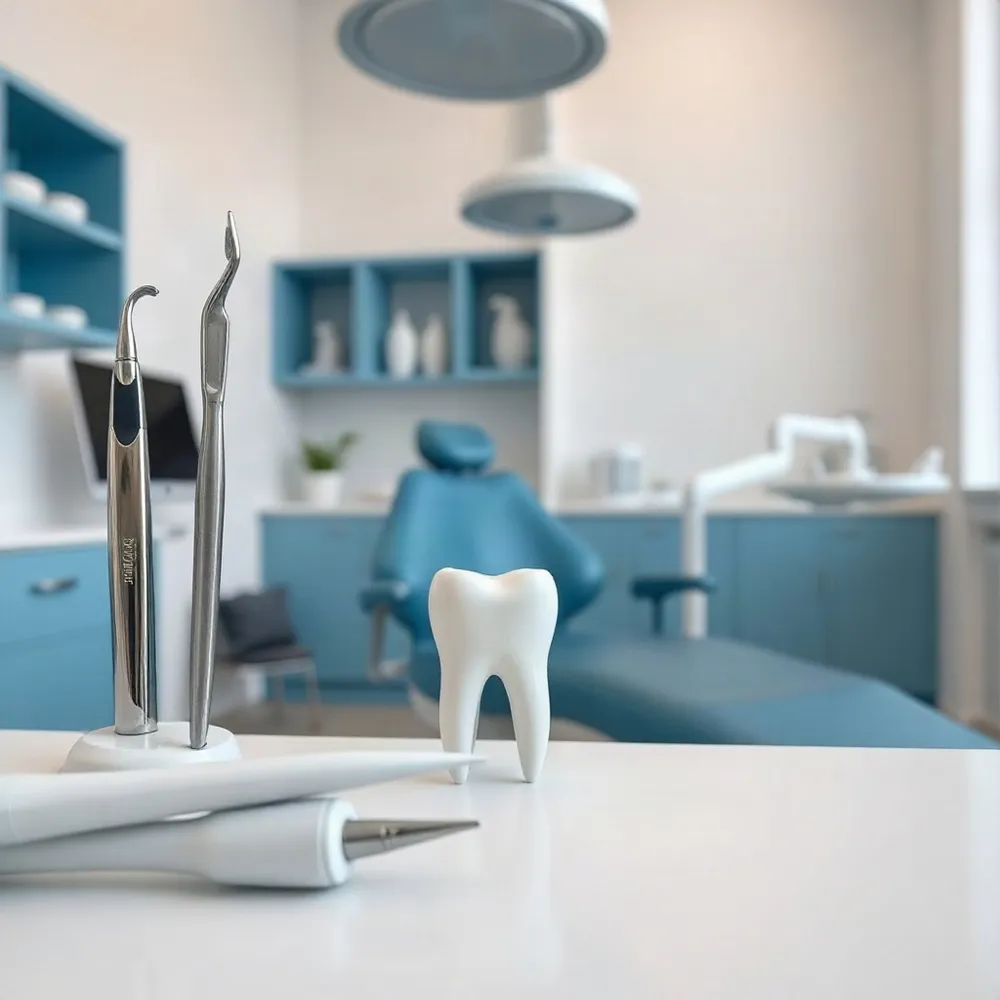 The commonly quoted 10-to-15-year lifespan for a same-day crown is an average range, not a deadline or a promise. Some crowns last longer, while others need attention sooner because of wear, damage, or changes in the tooth and gums.
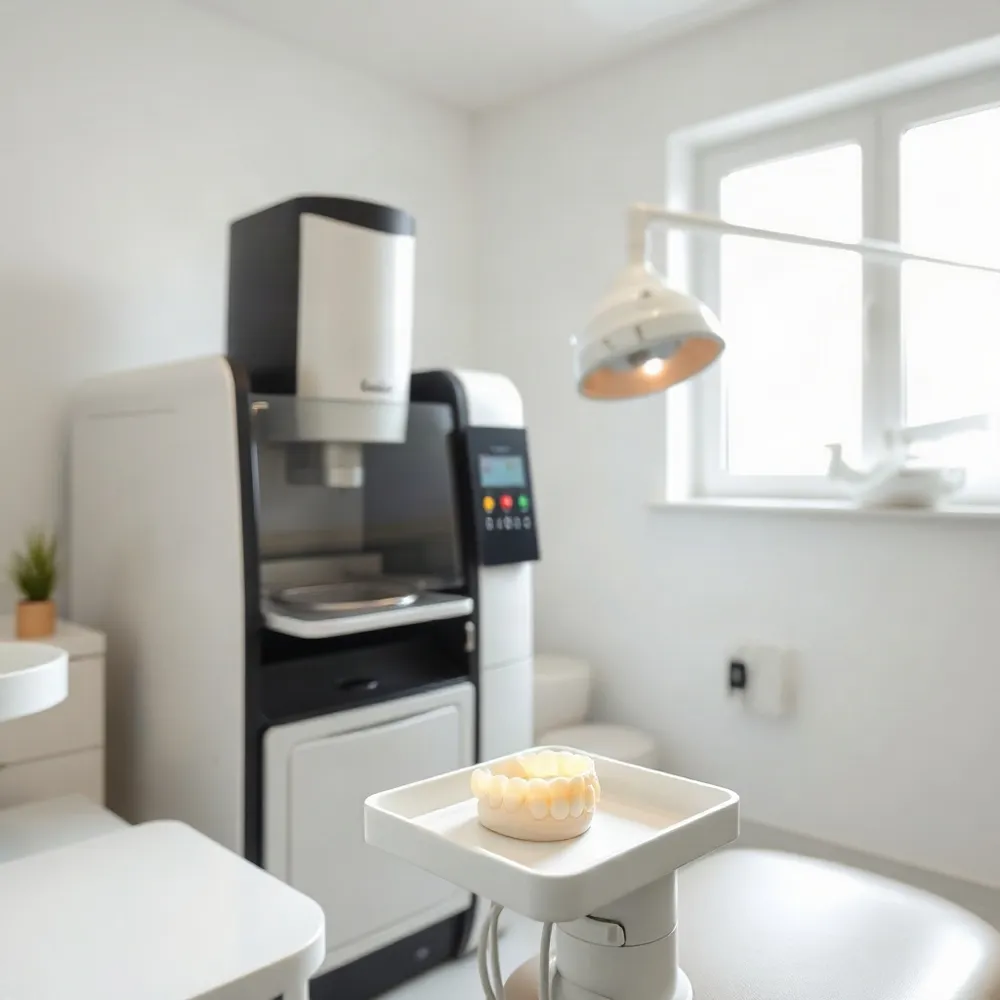
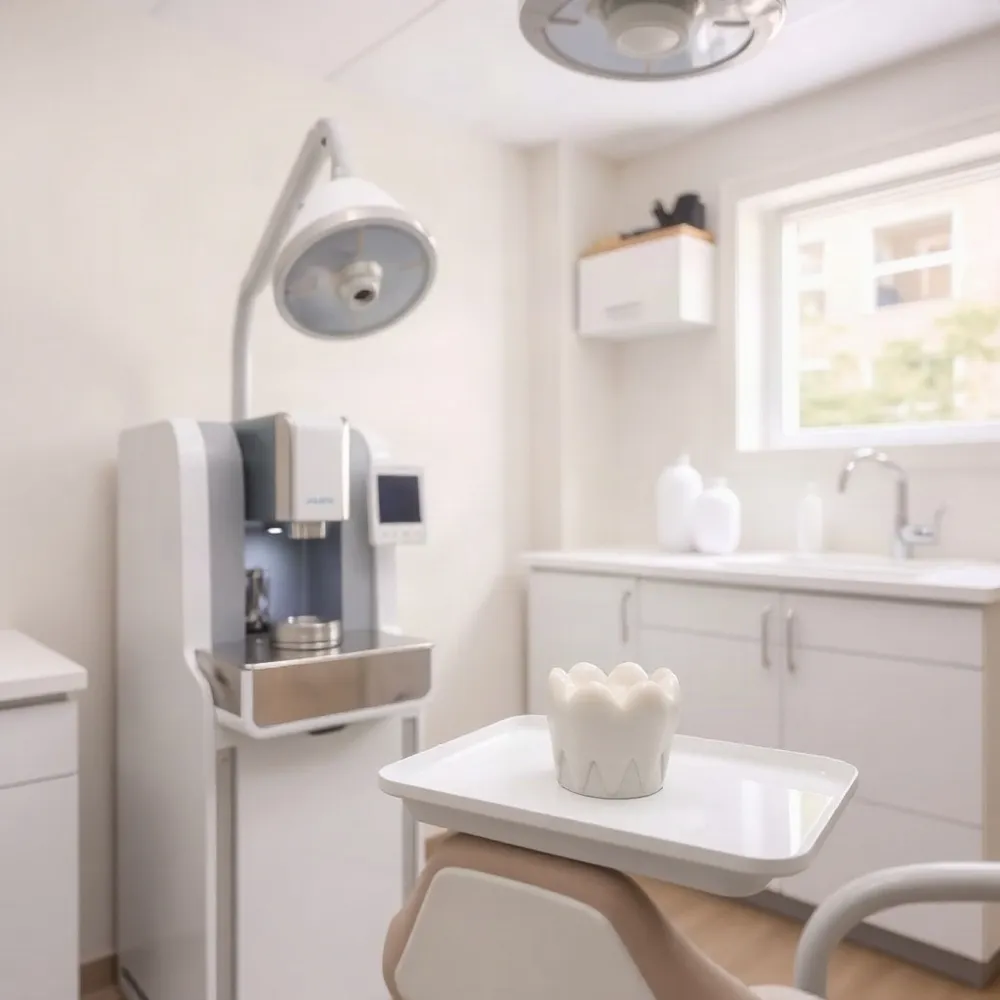
CEREC describes a way to make a crown, not a guarantee about how long it will last. A digital scan guides the design, and the crown is milled from a ceramic block in the dental office. It is bonded during the visit, so a temporary crown and a separate lab appointment are often unnecessary. At David M. Mayer, DMD & Associates in Paterson, crowns can be made in one visit. Learn about CEREC same-day crowns.
Ceramic crowns are made to be strong and tooth-colored, but they can still chip, crack, loosen, or change in appearance. The crown itself does not decay. The natural tooth under its edge and the surrounding gums can still develop problems, so regular care matters.
How long can a dental crown last?
A crown often lasts about 5 to 15 years, though some last longer with good care. Its lifespan depends on the material and fit, the health of the tooth and gums, bite forces, and habits such as grinding. Brush and floss daily, keep up with dental checkups, and ask whether a night guard may help if you clench or grind. Contact a dentist if the crown feels loose, chips, or causes pain or sensitivity.
At a checkup, the dentist can assess the crown and the tooth around it, then recommend care based on what they find. If you are in Paterson and have a crown concern, call (973) 881-8568 or book an appointment. The team speaks English, Spanish, and Arabic.
Habits That Put More Stress on Crowns
Chewing force, bite alignment, and the health of the tooth under a dental crown all affect the pressure it faces. Molars do much of the heavy chewing, but location alone cannot predict how long a crown will last. At David M. Mayer, DMD & Associates in Paterson, NJ, a dentist can check how your teeth meet and whether the crowned tooth needs attention.
Grinding or clenching can place repeated force on a crown. Tell your dentist if you grind your teeth or wake with jaw tension, and ask whether a custom night guard may help protect your teeth. Avoid chewing ice, pens, or fingernails, and do not use your teeth to open packages. Hard foods can chip or crack a crown, while sticky foods may tug at it.
Frequent acidic foods and drinks may affect the bonding material or the tooth beneath the crown. Dark drinks and foods can also change the appearance of a crown or nearby teeth over time. These habits do not guarantee crown damage, but moderation can help limit avoidable stress.
Arrange a dental check if you notice new sensitivity, pain when biting, a visible chip or crack, looseness, a bite that feels different, irritated gums, or food repeatedly catching near the crown. The dental team can assess the crown and supporting tooth. Learn more about CEREC same-day crowns and routine exams and cleanings.
Daily Care for the Crown and Tooth Beneath
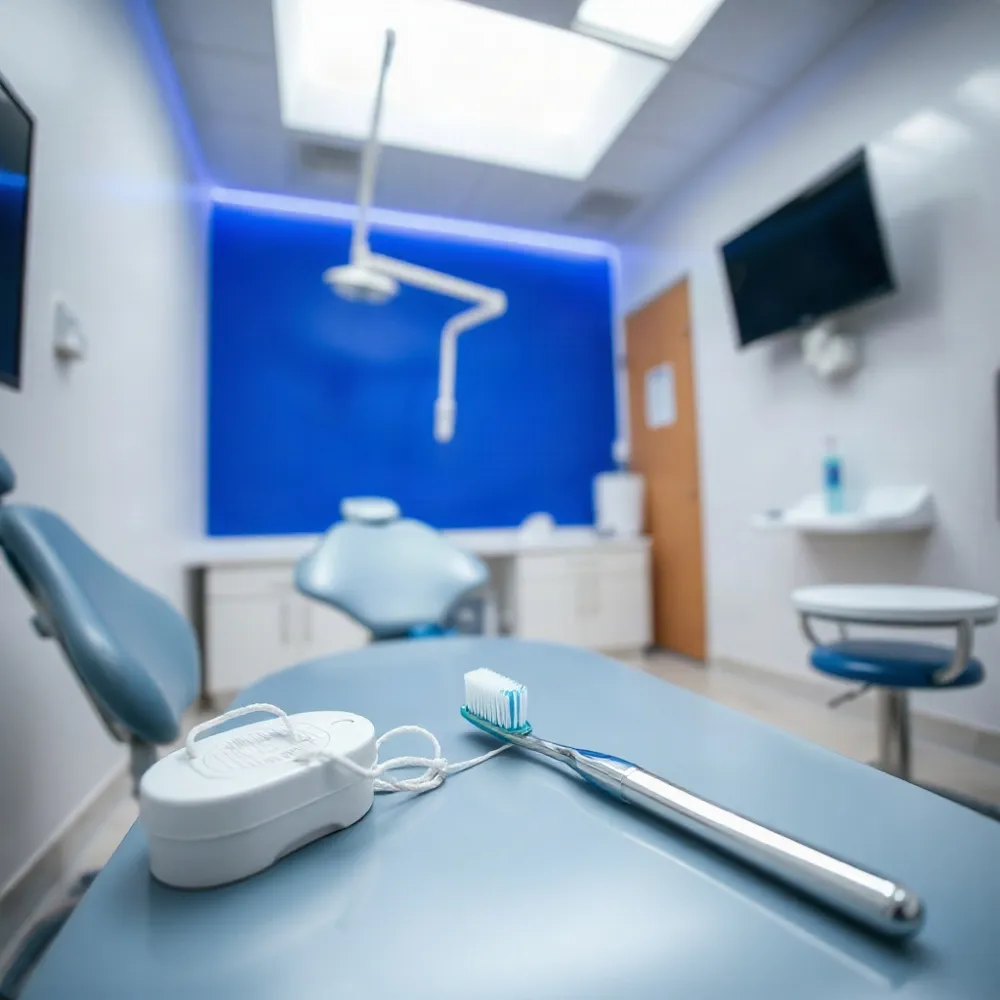 A dental crown in Paterson needs regular cleaning, just like the rest of your teeth. Brush at least twice a day with a soft-bristled toothbrush and nonabrasive toothpaste, taking care to clean along the gumline where the crown meets the natural tooth.
Plaque can collect at that edge and irritate the gums or contribute to decay in the tooth underneath. Floss once a day around the crown and nearby teeth. Guide the floss gently along the sides of each tooth in a C-shape, rather than snapping it against the crown.
Regular routine dental exams and cleanings give the dentist a chance to check the crown’s fit, your bite, and the health of the supporting tooth and gums. The right visit schedule depends on your needs, so ask your dental team how often to come in.
Do not wait for your next checkup if the crown feels loose, hurts, or has a visible chip or crack. Contact a dentist for advice, and do not try to glue or repair it at home. At David M. Mayer, DMD & Associates in Paterson, NJ, the team can assess a crown concern and explain what to do next.
Same-Day Crowns and What to Expect
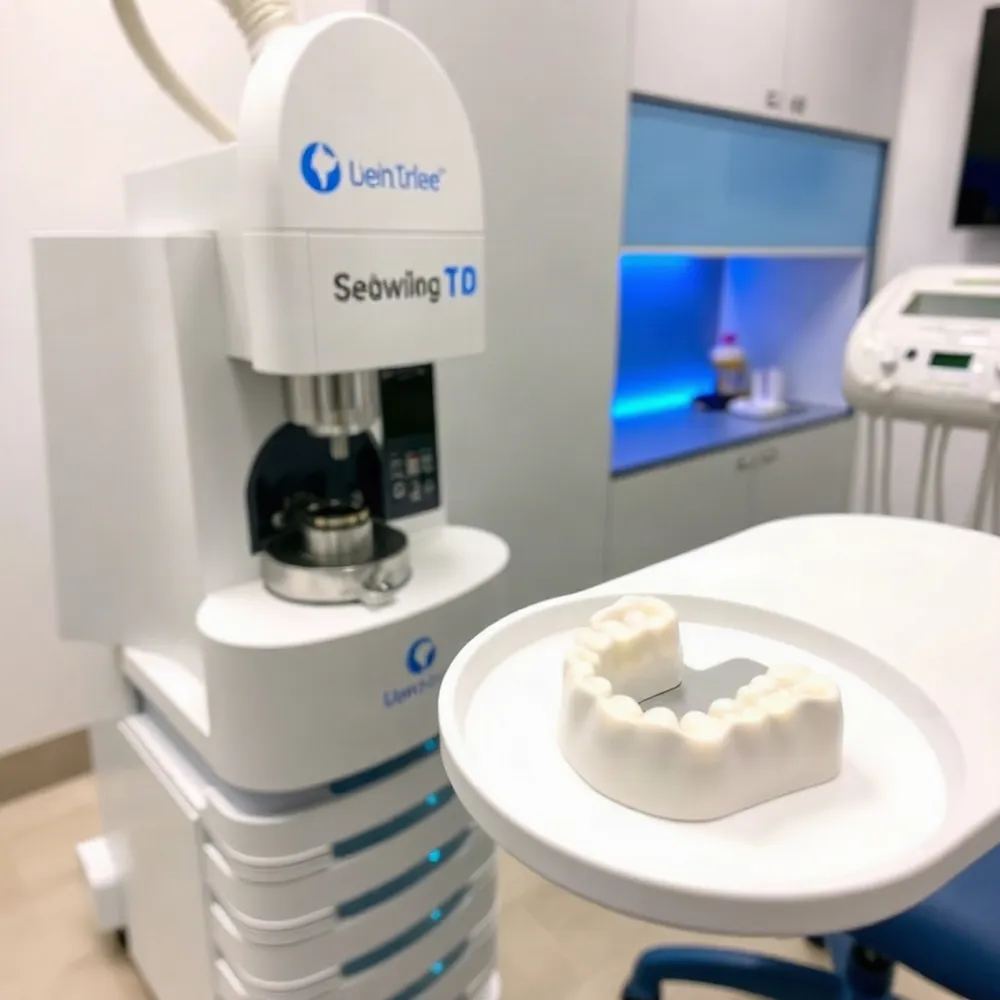 At David M. Mayer, DMD & Associates in Paterson, NJ, a CEREC crown can be designed and made in the office during one visit. Learn more about CEREC same-day crowns and how the process compares with a lab-made crown.
How are CEREC same-day crowns different from traditional crowns, and what are their trade-offs?
CEREC crowns are designed from a digital scan and made in the dental office, so they can often be placed in one visit without a temporary crown. Traditional crowns are made by a dental lab from an impression, which usually means wearing a temporary crown and returning for another appointment. The one-visit process can save time, while lab-made crowns may offer more options for fine color matching, especially for a front tooth. The best choice depends on the tooth, suitable materials, and your preferences. Convenience does not mean every tooth or patient is a candidate. Your dentist needs to examine the tooth and discuss the options. You can also read about same-day crowns and their trade-offs.
When can I eat normally after getting a dental crown?
Wait until numbness wears off before eating, and follow the instructions your dentist gives you. If you have a temporary crown, chew on the other side and avoid hard, sticky, or chewy foods that might loosen it. After a permanent crown is placed, you may be asked to wait before eating or avoid sticky foods for a short time. If your mouth feels sore, start with softer foods and return to your usual meals as comfort allows. Before leaving the Paterson office, ask the team when it is safe to chew on the treated side. Instructions can depend on the crown and cement used.
To discuss whether a same-day crown may suit your tooth, call (973) 881-8568 or book an appointment online. The team speaks English, Spanish, and Arabic.
Questions and Next Steps
Frequently asked questions
Can a CEREC crown get a cavity? The crown itself cannot decay, but the natural tooth beneath it or along its edge can. Keep cleaning the gumline and attend regular dental checkups.
Should I call if my crown feels loose? Yes. Contact a dentist promptly, and avoid chewing on that side until you receive advice.
Can grinding affect my crown? Yes. Grinding can put extra stress on the crown. Ask your dentist whether a night guard may help protect it.
If you have a concern about a crown, call (973) 881-8568 or book an appointment online. David M. Mayer, DMD & Associates in Paterson speaks English, Spanish, and Arabic. We are happy to help you decide on a next step.