Understanding Your Crown Options for Optimal Dental Health
Dental crowns serve as vital protective covers for damaged or decayed teeth, restoring both function and structural integrity. By reinforcing weakened teeth or protecting those post-root canal, these restorations play a critical role in preventing severe complications like infection or permanent tooth loss. For decades, the standard approach required two separate visits, with a dental laboratory producing the restoration while the patient wore a temporary crown during the waiting period.
Modern dentistry now offers Same Day Crowns, which utilize advanced digital scanning and in-office milling to complete the entire process in a single appointment. Unlike conventional lab-fabricated methods that may lead to the frustration of loose or broken temporaries, these efficient restorations allow patients to return to their normal daily routines without an interim waiting phase. At davidmmayerdmd.com, we prioritize a comprehensive clinical assessment to ensure that whether you choose the convenience of same-day technology or the specific material versatility of traditional methods, your care aligns perfectly with your individual dental needs and lifestyle requirements.
What Are Same Day CEREC Crowns
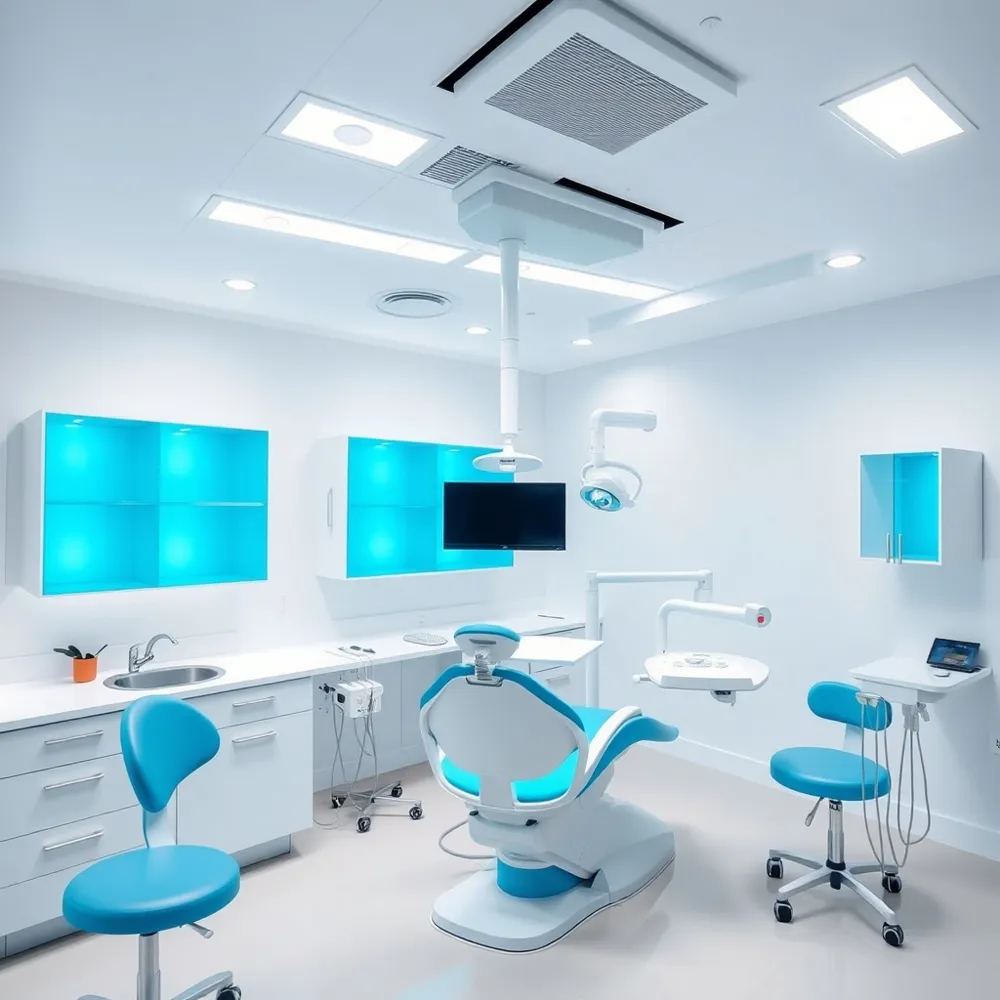 The CEREC (Chairside Economical Restoration of Esthetic Ceramics) system revolutionizes restorative dentistry by allowing the design and fabrication of a custom dental crown in a single office visit. Instead of relying on traditional, uncomfortable putty impressions, our team utilizes advanced 3D intraoral scanning to capture a precise digital map of your tooth. This data integrates directly into CAD/CAM software to craft a restoration engineered to your exact bite and tooth shape.
The Clinical Process Behind Same Day Restorations
A same-day crown appointment, typically lasting 90 minutes to two hours, follows a streamlined digital workflow. After your tooth is prepared, the scanner generates a high-resolution 3D virtual model. We then design your new crown using specialized software before sending the specifications to an in-office milling unit. Within 15 to 20 minutes, a machine carves your restoration from a high-quality, tooth-colored ceramic block, which is then polished, fitted, and bonded to your tooth.
Key Advantages for Patient Care
The primary benefit of same-day crowns is the elimination of the temporary crown phase. Traditional methods often require patients to wear a fragile, temporary resin cap for two weeks while an external laboratory fabricates the final restoration, which introduces risks of dislodgment or sensitivity. By completing the process in one sitting, we remove the need for follow-up appointments and allow you to return to normal speaking and eating habits immediately.
- Eliminates the need for messy, traditional physical impression trays.
- Removes the common risks associated with temporary restorations falling off or breaking.
- Uses high-grade ceramic to mimic the natural translucency and strength of human enamel.
- Provides a time-efficient alternative to the two-visit traditional method that avoids multiple days away from work.
Comfort and Patient Experience During Crown Procedures
 For most patients, the same-day crown procedure is a comfortable experience rather than a painful one. Before our team begins any preparation, we use a local anesthetic to thoroughly numb the area, ensuring the entire process remains painless. While patients may notice gentle pressure as a tooth is reshaped and the restoration is placed, our advanced digital intraoral scans replace the need for messy, cumbersome physical putty that many find uncomfortable.
Is the same-day crown procedure painful?
Our modern, efficient clinical process minimizes invasiveness, though some patients may experience mild soreness or sensitivity in the days following their visit as the mouth adjusts. This is a common and normal part of the healing process after receiving any dental restoration. Throughout your visit, our team remains dedicated to ensuring your comfort, keeping the procedure stress-free while focusing on the long-term health and precision of your new ceramic crown.
Comparing Quality Durability and Material Science
How do same-day crowns compare to traditional lab-made crowns in terms of durability, quality, and material? Same-day crowns rely on advanced CAD/CAM technology to mill restorations from a single block of high-quality ceramic or zirconia, offering impressive precision and durability in a single visit. These systems align with the patient’s bite pattern and natural tooth color for an exact fit, reducing the risk of gaps or premature wear. Traditional lab-made crowns provide a wider range of material options, such as porcelain-fused-to-metal or layered ceramics, which can allow for more intricate aesthetic customization by a skilled technician.
While lab-made crowns have historically been favored for complex cases requiring extensive hand-finishing, modern same-day materials have become exceptionally strong. Clinical success rates for computer-aided restorations are comparable to traditional methods, often lasting 10 to 15 years with appropriate oral hygiene. In contrast to offices relying on off-site lab timelines, digital workflows can remove the need for temporary appliances entirely.
Traditional lab methods are still considered the gold standard for specific restorative needs, particularly where fractures extend deep below the gumline or require the unique structural properties of metal alloys. Digital scanning can sometimes face challenges capturing images of sub-gingival margins compared to traditional physical impressions. Both options are effective, yet selecting the correct approach depends on your specific clinical requirements, such as tooth location and whether the restoration must withstand significant bite pressure.
Material Selection for Longevity and Health
Selecting the right material for your restorative treatment involves balancing functional demands with long-term aesthetic goals. At davidmmayerdmd.com, we prioritize material choices that preserve your natural bone and dentin. When assessing high-stress areas like molars, modern options such as zirconia offer remarkable resistance to fracture, providing the durability needed to withstand everyday chewing forces.
Conservative preparation techniques play a vital role in the longevity of your restoration. By choosing methods that minimize the removal of healthy tooth structure, practitioners can maintain a stronger foundation for the cap. While traditional porcelain-fused-to-metal crowns have historically served as a standard due to their strength, they often require more aggressive filing compared to modern, durable ceramics.
What is the healthiest and most durable type of dental crown?
Determining the healthiest and most durable dental crown often leads to zirconia, which is highly regarded for its exceptional strength and resistance to fracture, making it an excellent choice for back molars. While zirconia offers unmatched durability, other materials like porcelain-fused-to-metal (PFM) or all-porcelain crowns may be preferred depending on a patient's specific aesthetic requirements and the location of the tooth. All-metal crowns, such as gold, provide supreme longevity and require the least amount of natural tooth removal, though they lack the natural appearance of tooth-colored options. Ultimately, the healthiest option is one that preserves the integrity of your remaining tooth structure while meeting your functional and cosmetic goals. Because every case is unique, we recommend a consultation with our experienced team to evaluate your dental health and determine the ideal material for your long-term comfort and smile.
For patients seeking a blend of strength and natural beauty, newer materials like lithium disilicate provide significant advantages over traditional PFM alternatives. Unlike older metal-based crowns which can sometimes cause a gray line near the gum, all-ceramic and zirconia restorations integrate seamlessly with your smile. If you are comparing CEREC vs traditional crowns, remember that the skill of your provider is just as important as the material selection itself for ensuring a precise, lasting fit.
Addressing Costs and Dental Insurance
When planning restorative care, understanding the financial landscape is a critical step for many patients. The total investment for a crown, whether fabricated through traditional lab methods or modern digital systems, often remains comparable. Traditional procedures typically include distinct laboratory fees for off-site fabrication, whereas same-day crowns incorporate the advanced technology and chairside precision directly into the single-visit service fee.
Insurance providers generally offer coverage for restorative crowns as they serve a necessary functional purpose, regardless of whether the crown is milled at a lab or created using in-office technology. While the specific reimbursement levels, deductibles, and co-pays vary depending on your unique policy, the clinical necessity of the restoration remains the primary factor for coverage. It is always wise to review your specific plan details to understand your out-of-pocket obligations before your visit.
How much do same-day crowns usually cost compared to traditional crowns, and does insurance cover them?
The cost of same-day crowns compared to traditional crowns is often comparable, as both options reflect the quality of materials used and the expertise of your dental team. While same-day crowns utilize advanced in-office CAD/CAM technology that may eliminate certain laboratory fees, the total investment is generally similar to that of a traditionally fabricated crown. Regarding insurance, most plans that cover restorative procedures will provide coverage for a crown regardless of the fabrication method; however, the extent of the benefits depends entirely on your specific policy. We recommend contacting your insurance provider to confirm your coverage details, including any applicable deductibles or co-pays. Our office is happy to assist you in navigating your financial options to ensure you receive the high-quality care you deserve.
- Request a pre-treatment estimate from your insurance company to clarify coverage limits.
- Ask your dental office about flexible payment plans or financing options that help manage costs.
- Compare the long-term value of the restoration, factoring in the time saved by avoiding multiple office visits.
The Risks of Temporary Crown Restorations
 For patients undergoing the multi-visit process for traditional crowns, temporary restorations serve as a crucial, albeit fragile, bridge. These placeholders, typically constructed from resin or acrylic, are intended only for short-term duty while your permanent restoration is crafted at an off-site laboratory. Because they lack the structural integrity of final ceramic or metal-fused options, these temporaries are prone to shifting, cracking, or prematurely falling off, especially when exposed to sticky or hard foods.
Do temporary crowns used in the traditional process crack easily?
Yes, temporary crowns are more susceptible to cracking or loosening compared to permanent restorations. Because they are crafted from acrylic or composite materials intended for short-term use, they do not possess the same strength and durability as final porcelain or ceramic crowns. Common activities, such as chewing hard or sticky foods, tooth grinding, or general wear, can easily cause them to fracture. While they serve the vital purpose of protecting the underlying tooth and preventing shifting, it is important to treat them with care until your permanent crown is ready. If your temporary crown does crack or break, please contact our office promptly so we can address the issue and keep your smile protected.
Beyond physical damage, the weeks-long waiting period for a lab-fabricated crown introduces potential risks, including increased sensitivity, localized decay, or infection if the temporary seal is compromised. To mitigate these risks at davidmmayerdmd.com, we prioritize same-day crowns whenever possible. By using advanced CAD/CAM technology, we eliminate the need for temporary crown restorations entirely. If you currently have a temporary, ensure you brush gently and floss with caution by pulling the string through the side rather than snapping it upward to maintain the seal until your next visit.
Making the Right Choice for Your Smile
Selecting the ideal dental restoration requires balancing your lifestyle and aesthetic goals with specific clinical needs. While Same Day Crowns offer unparalleled convenience and eliminate the need for temporary restorations, traditional laboratory-fabricated crowns remain a vital option for complex cases such as fractures extending deep below the gumline or instances where specialized metal alloys are required for structural support.
The success of your treatment ultimately depends on a thorough examination by an experienced dentist. At davidmmayerdmd.com, our clinicians evaluate tooth location, bite patterns, and the status of surrounding tissues to determine the most effective approach for your oral health. We invite you to schedule a consultation today to discuss your unique needs and receive a personalized treatment plan designed to restore your smile.