Why Back Teeth Matter
Back teeth, including molars and premolars, do much of the work of grinding food. When some are missing, chewing may become less comfortable, and nearby teeth can shift into the gaps. A partial denture is one possible way to replace missing back teeth while keeping healthy natural teeth in place. It is removable and can replace several teeth, including teeth in different areas of the mouth. Cleveland Clinic’s overview of dentures explains how partial dentures differ from full dentures.
The right option depends on how many teeth are missing and where they are, as well as the health of the remaining teeth, gums, and jawbone. Personal preferences also matter, including whether a removable appliance feels suitable. At davidmmayerdmd.com in Paterson, an examination and dental X-rays can help assess oral health and discuss possible treatments.
A dental evaluation can also clarify what fitting a partial denture involves, how to care for it, and what costs to expect. The appliance is custom-made and may need adjustments for comfort, so it is reasonable to ask questions and discuss concerns throughout treatment.
How Partial Dentures Replace Back Teeth
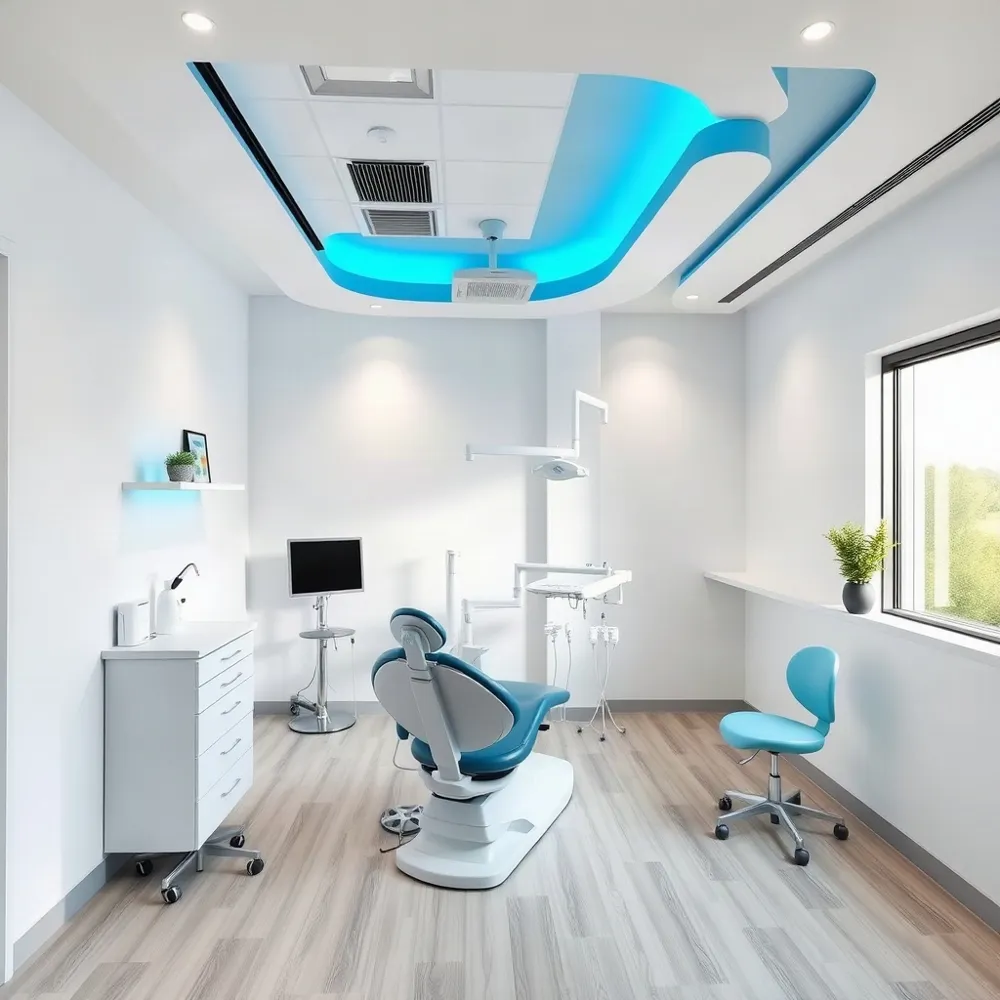 A partial denture is a removable appliance that replaces some missing teeth while fitting around natural teeth that remain. Unlike a full denture, it does not replace an entire arch. It can be made to replace molars and other back teeth, and may restore some chewing and speaking function while helping keep nearby teeth from shifting into open spaces. Learn more about how partial dentures work.
The appliance rests on the gums and underlying bone. Clasps or other attachments may connect it to remaining teeth to help hold it in place. A partial denture can be designed for several missing teeth, including back teeth on one or both sides of the mouth, but the pattern of tooth loss and available support affect its design. Cleveland Clinic’s overview of dentures explains that partial dentures rely on remaining teeth for added stability.
Before recommending one, a dentist examines the gums, remaining teeth, jawbone, and bite, and considers where and how many teeth are missing. X-rays may help assess the jaws and bone. At davidmmayerdmd.com, the Paterson practice provides a range of dental care, including denture repairs, and has a multilingual team that speaks English, Spanish, and Arabic.
The right design depends on individual oral health and preferences, so an appliance that works for one person may not suit another. The practice’s more than 40 years of experience informs its broader dental care, while the specific recommendation should follow an individual examination. Healthline’s guide to partial dentures also notes that these appliances can replace posterior teeth, but suitability depends on the remaining teeth and the patient’s needs.
Removable Designs and Materials
The materials and attachment style affect how a partial denture feels, looks, and fits into daily care. At davidmmayerdmd.com in Paterson, a dental evaluation can account for the condition of the remaining teeth and the patient’s comfort and appearance preferences before a design is chosen.
A cast-metal framework is generally lighter and more durable than a plastic or resin base. Plastic options may cost less and can be lightweight or flexible. Some flexible partial dentures use thin thermoplastic material without visible metal clips, though whether they can be adjusted or repaired depends on the specific design. Healthline’s overview of partial denture materials describes these differences.
Many removable designs use clasps that wrap around nearby teeth to help hold the appliance in place. Clasps may show when smiling, depending on where the replacement teeth sit. Precision attachments are customized connectors, sometimes fitted to crowns, and generally require extra fabrication work, which can add cost. A dentist can explain the tradeoffs for a particular gap.
Acrylic partials may serve as a lower-cost or temporary option, but they are not right for every situation. The number and location of missing teeth, oral health, comfort, maintenance needs, appearance, and budget all matter. davidmmayerdmd.com provides a range of dental care, including denture repairs, so follow-up can address fit or damage as needed.
A fixed bridge is different from a removable partial: it stays in the mouth and is not taken out by the patient for cleaning. Bridges may rely on supporting teeth or implants, so suitability depends on the gap and nearby teeth. Cleveland Clinic’s guide to dental bridges explains common designs and their supports.
Comparing Bridges and Implants
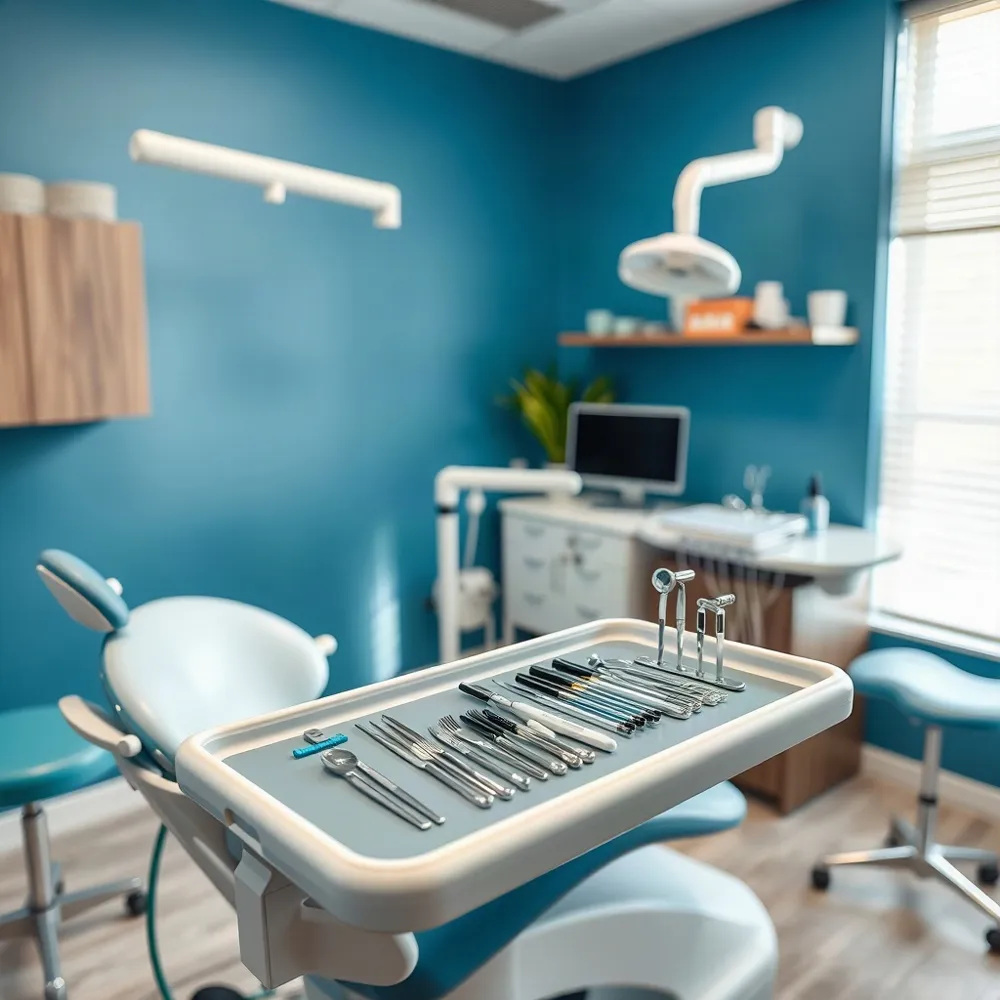 A removable partial denture, a fixed dental bridge, and an implant with a crown can all replace missing back teeth. When several teeth in a row are absent, an implant-supported bridge may also be considered. Each option differs in how it is supported, how it is cleaned, and what treatment it involves.
A traditional bridge fills the gap with artificial teeth held by crowns on neighboring teeth. Those supporting teeth are usually reshaped, so their health matters when weighing this choice. A dental implant, by contrast, is anchored in the jawbone and supports a crown without relying on adjacent teeth. For a bridge overview, see Cleveland Clinic’s guide to dental bridges.
Not every bridge design suits back teeth. Cleveland Clinic notes that a Maryland bridge is typically used for front teeth because it is not strong enough to withstand the chewing forces at the back of the mouth. A traditional bridge or implant may be considered instead, depending on the gap and the condition of nearby teeth and gums.
Bridges and removable partial dentures do not require implant surgery. Implants do involve surgery and a healing period while the implant joins with the jawbone before the crown is attached. Bone volume and overall oral health can affect whether implant treatment is appropriate. davidmmayerdmd.com provides a range of dental care, including crowns and implants, so treatment planning can take the condition of the mouth into account.
The number of missing teeth, the health of nearby teeth and gums, jawbone condition, preferences about removable or fixed treatment, and budget all help shape the decision. A dental examination and X-rays can clarify which options fit the individual case; the Cleveland Clinic guide to dentures describes how oral health and patient needs inform denture selection. At davidmmayerdmd.com, patients can discuss options with a multilingual team serving the Paterson community.
Benefits and Practical Tradeoffs
A removable partial denture can replace several missing teeth, including back teeth, and may support chewing and speech. It can also be removed for cleaning and avoids the surgery involved in dental implants. The fit and expected benefits depend on the health of the remaining teeth and gums, so an examination helps determine whether this option suits you.
The removable design makes it easier to clean around natural teeth, but it does not remove the need for daily oral care. Clean the appliance as directed and continue brushing your remaining teeth and gums. Cleveland Clinic’s denture guidance notes that traditional dentures may shift or slip during speaking or chewing, and that fit often improves through adjustment.
A new appliance may feel unfamiliar, and getting used to it can take weeks or months. Clasps may also show, depending on where they sit. Discuss comfort, appearance, cleaning routines, and whether you prefer a removable or fixed option with your dentist. If the denture pinches, feels loose, or makes chewing difficult, a follow-up visit can identify whether an adjustment is needed.
For an overview of practical benefits and tradeoffs, see this guide to removable partial dentures.
Costs and Treatment Planning
There is no single price for a partial denture for back teeth. The estimate depends on the material, how many teeth are being replaced and where they are, the attachment and fabrication method, and whether treatment is needed before fitting or adjustments afterward. Healthline’s overview of partial dentures outlines these factors, but it cannot provide a quote for an individual patient.
A partial denture is often less expensive upfront than an implant, while a bridge is typically more affordable than an implant, according to Cleveland Clinic’s guide to dental bridges. These broad comparisons do not account for every patient’s treatment needs or future maintenance. Comparing options means asking what each estimate includes, such as preparatory care, fitting visits, adjustments, and follow-up.
Dental insurance may pay part of denture costs, but benefits differ by plan. Original Medicare generally does not cover partial dentures; some Medicare Advantage plans include dental benefits, and Medicaid coverage varies by state. At davidmmayerdmd.com, patients can discuss their treatment needs with a dental team at a full-service practice in Paterson, where care includes dentures and denture repairs.
Before deciding, request a personalized estimate after an examination and ask the dental office to review your benefits and available payment options. This helps clarify the expected costs for the proposed treatment rather than relying on a general price that may not fit your case.
Daily Care and Follow-Up
 A removable partial denture needs daily cleaning, even when it replaces only back teeth. Most people take it out before sleep so the gums and other oral tissues can rest, unless their dentist gives different instructions. Cleveland Clinic’s denture care guidance recommends leaving dentures out while sleeping.
After removing the appliance, brush it gently with a denture brush and a cleanser made for dentures. Brush your remaining teeth and clean your gums, tongue, cheeks, and palate as well. Many dentures are soaked overnight in denture solution, but check that the product is suitable for your appliance and follow your dentist’s directions.
A changing fit does not always mean the denture needs replacement. A dentist may be able to adjust or reline it, so arrange a visit if it feels loose, pinches or hurts, clicks while you speak, or shows damage. Avoid trying to bend or repair it yourself, since this can affect the fit.
Regular dental checkups let the dentist assess the appliance along with the health of the teeth and gums that support it. Follow-up is also a chance to discuss persistent soreness, cleaning difficulties, or changes in how the denture feels. Patients at davidmmayerdmd.com can discuss denture concerns with a Paterson practice that offers denture repairs and care for adults and families.
For a practical refresher on cleaning and storage, see this guide to caring for dentures.
Choose With an Individual Evaluation
A partial denture may be a practical way to replace missing back teeth, but the right choice depends on the health of your gums, remaining teeth, and jawbone, as well as your preferences. A dentist can assess these factors and explain whether a removable denture, dental bridge, or implant is suitable.
At davidmmayerdmd.com, an evaluation can include an examination and discussion of treatment options, expected care, and costs. The practice offers denture repairs, crowns, and implants, allowing patients to review alternatives with a dental team before deciding. Ask for a personalized plan and cost estimate based on your needs.